

 русский
 عربى

Automatic water control has become an important feature in modern bathroom and commercial washroom design. Unlike traditional faucets that rely on manual handles, sensor-operated models use electronic components to detect hand movement and activate water flow. This combination of plumbing structures and electronic technology has created new product opportunities for sanitary ware manufacturers.
For overseas importers, bathroom equipment distributors, and engineering project suppliers, understanding the structure and functions of a Motion Sensor Faucet helps clarify its position in different commercial and residential markets. Its design involves several connected parts, including infrared sensors, solenoid valves, water passages, and faucet bodies.
How Does Sensor-Based Water Control Work?
A sensor faucet generally operates through an automatic detection system. When a user places their hands within the sensor's detection range, the electronic system sends a signal to activate the water valve. Water flows through the outlet and stops when the user moves their hands away or leaves the detection area.
Infrared sensing technology is commonly used in these products. The sensor detects changes in reflected infrared signals and communicates with the control circuit.
The solenoid valve plays another important role. It responds to the electronic signal by opening or closing the water passage. The cooperation between the sensor and valve allows the faucet to operate without direct contact with a handle.
Different models may use different sensor positions, detection ranges, and control configurations according to their intended applications.
The Main Components Behind Automatic Faucets
Although the external appearance may resemble a conventional faucet, the internal structure of an automatic model is more complex.
Several components work together:
- Sensor Unit: Detects hand movement and sends activation signals to the control system.
- Solenoid Valve: Controls the opening and closing of the water passage.
- Control Circuit: Processes sensor signals and coordinates valve operation.
- Faucet Body: Forms the external structure and contains the internal water channels.
- Power Supply: Provides electrical energy through batteries or an external power connection.
- Water Outlet: Directs water into the basin according to the faucet's structural design.
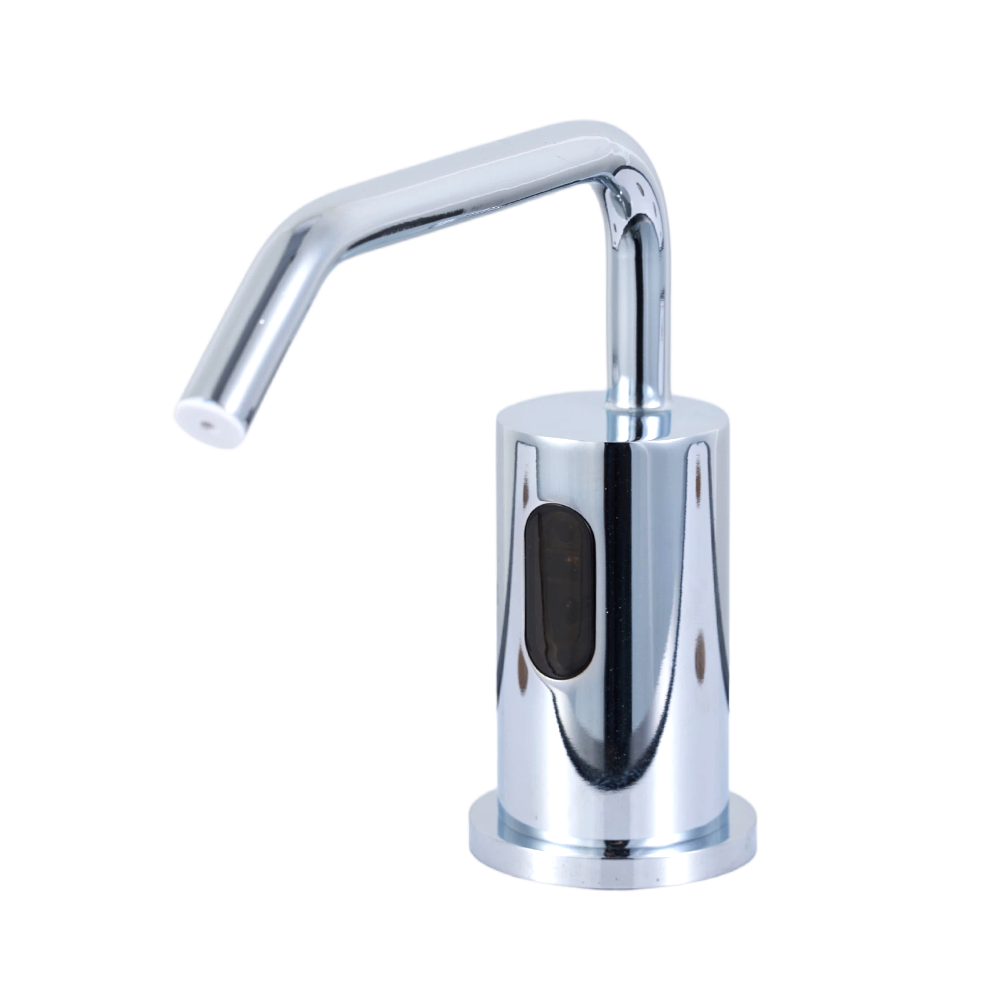
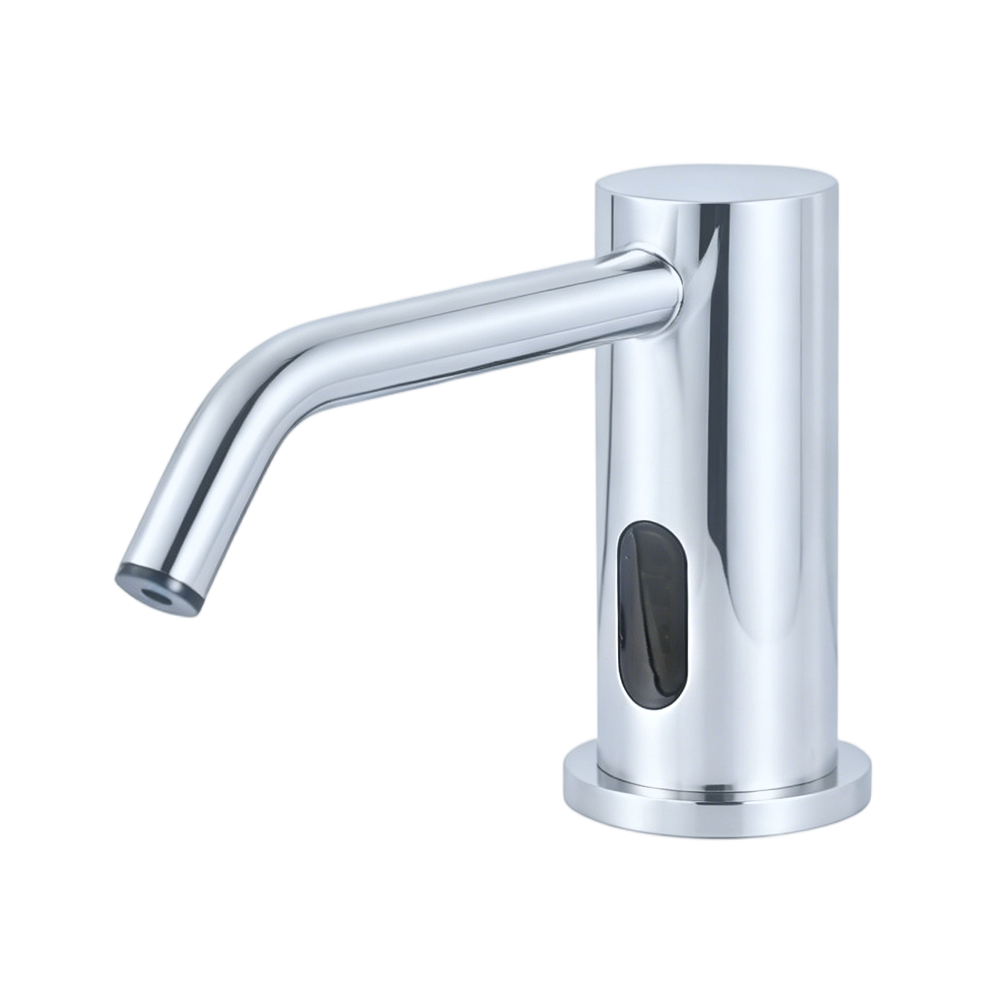
The arrangement of these components varies between product models. Some designs integrate the sensor into the faucet body, while others position it near the base or spout.
For manufacturers, coordinating electronic components with the plumbing structure is an important part of product development.
Materials and Appearance Shape Product Design
The faucet body influences both product appearance and installation compatibility. Stainless steel and brass are commonly used materials in sanitary ware manufacturing, while different surface finishes provide additional design options.
Chrome finishes are widely used in commercial washrooms because of their familiar metallic appearance. Matte black, brushed finishes, and other decorative colors can suit contemporary bathroom interiors.
The spout structure also affects the overall design. Curved spouts, straight outlets, and compact faucet bodies can be developed for different basin configurations.
When developing a Motion Sensor Faucet, manufacturers need to consider the space required for the sensor, electronic components, and internal water channels. These factors influence the overall dimensions and external appearance.
Connecting Electronic Technology with Faucet Manufacturing
The development of automatic sanitary ware brings electronic control into traditional faucet production. Sensor detection, valve operation, water channel design, and exterior finishing all contribute to the finished product.
As commercial and residential projects adopt different bathroom configurations, manufacturers need product designs that accommodate varied installation conditions and appearance preferences. A well-developed Motion Sensor Faucet range allows importers, distributors, and project suppliers to serve customers looking for automatic water control in different environments.
 Previous