


 русский
 عربى
عربى
Smart Faucets Are Becoming More Technical The Smart Faucet is moving from a simple touch-free fixture toward a more integrated water control product. Modern designs can combine sensors, electronic val...
Read More
Hand Dryer
-
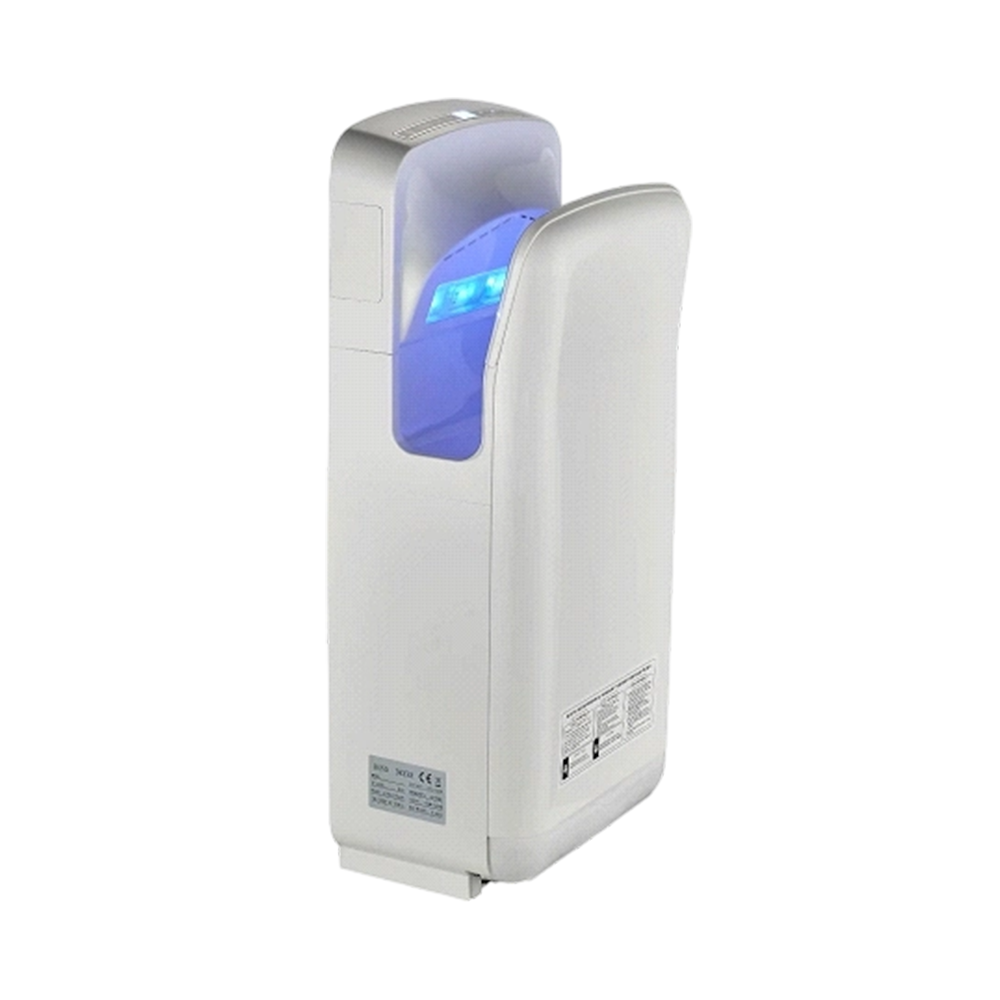 LGH100 Hand Dryer
-
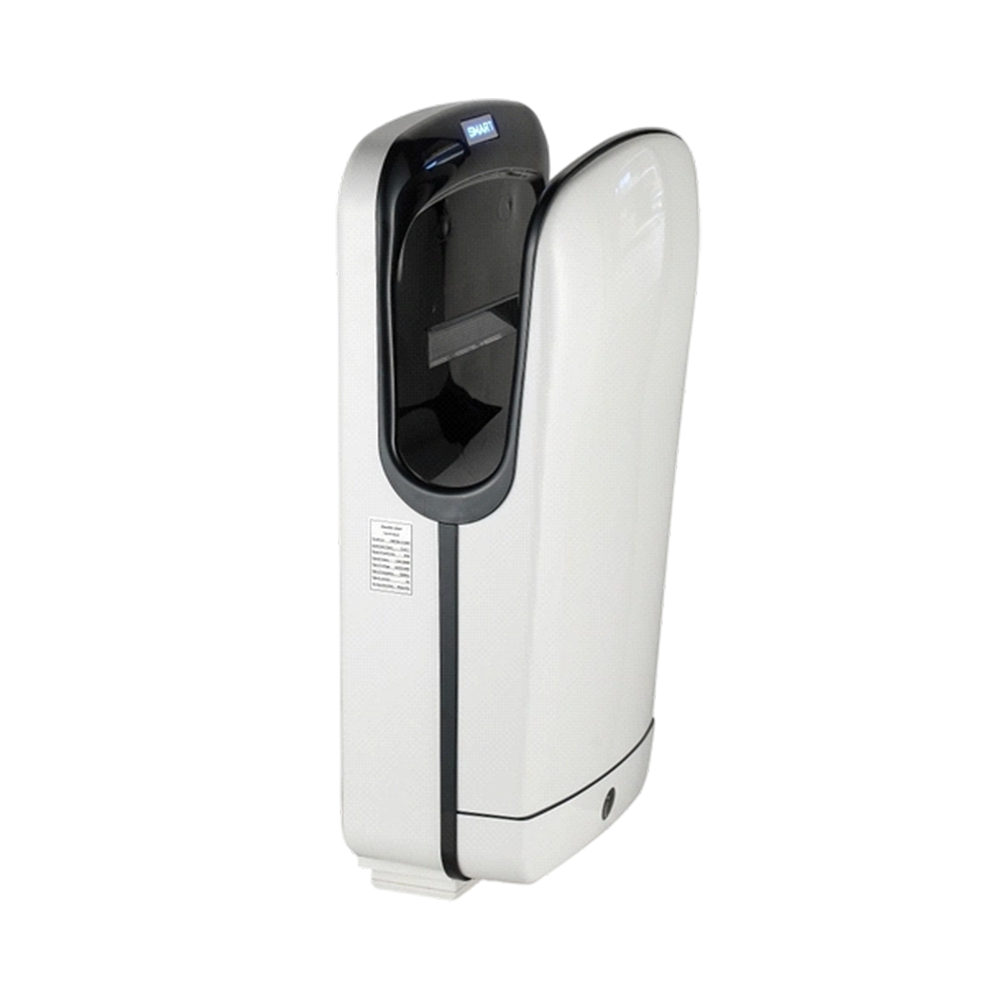 LGH400 Hand Dryer
-
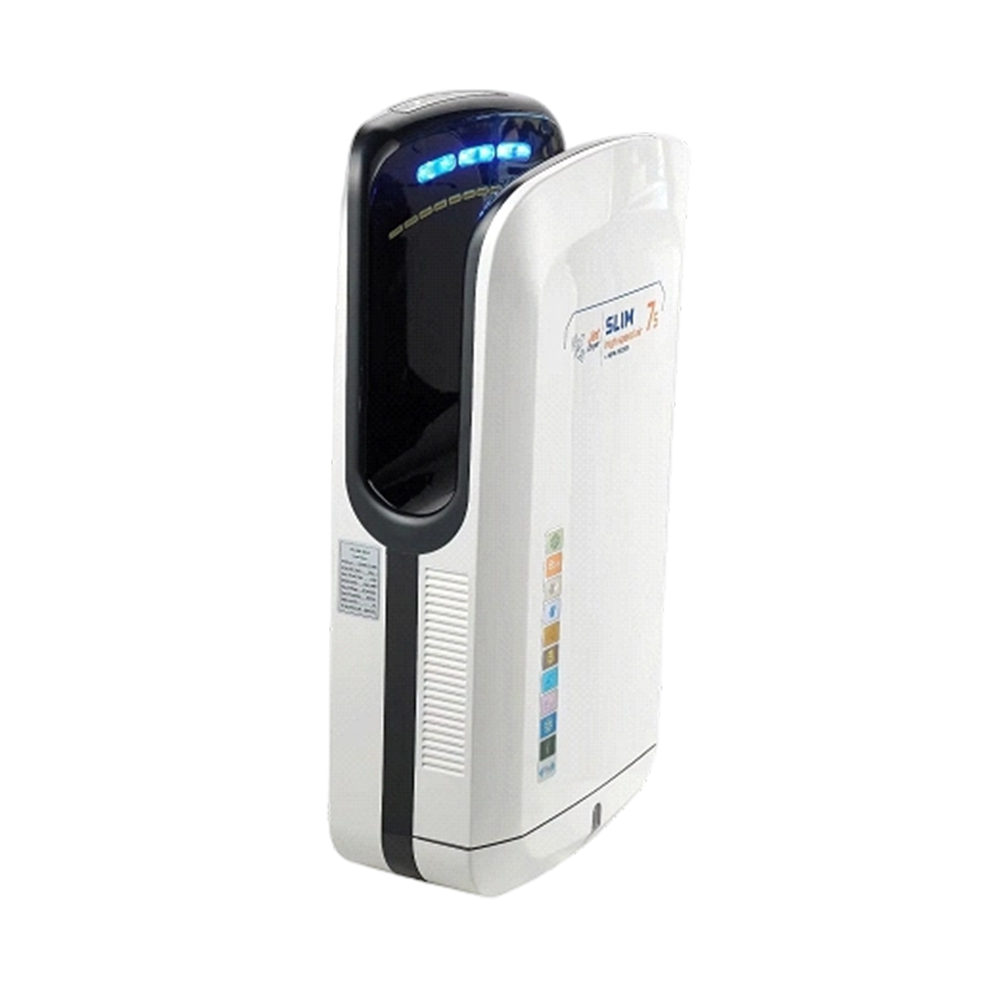 LGH300 Hand Dryer
-
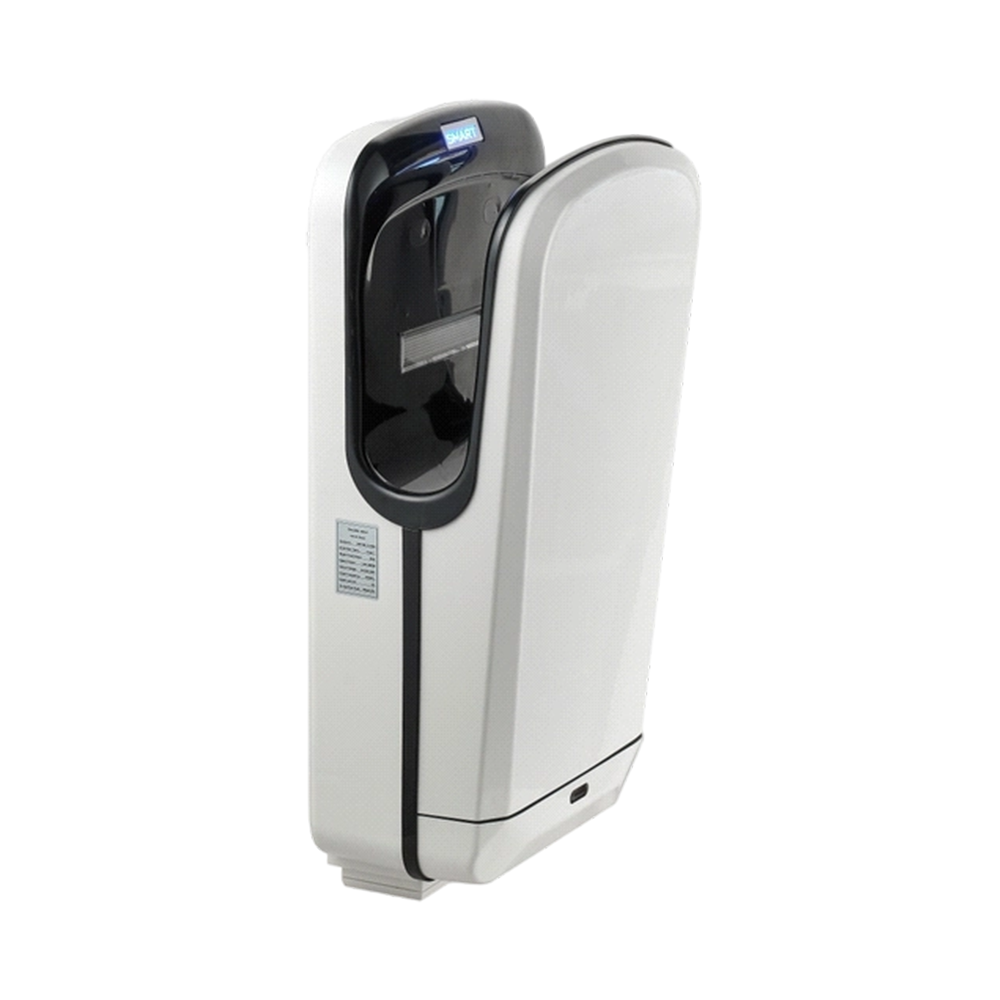 LGH500 Hand Dryer
-
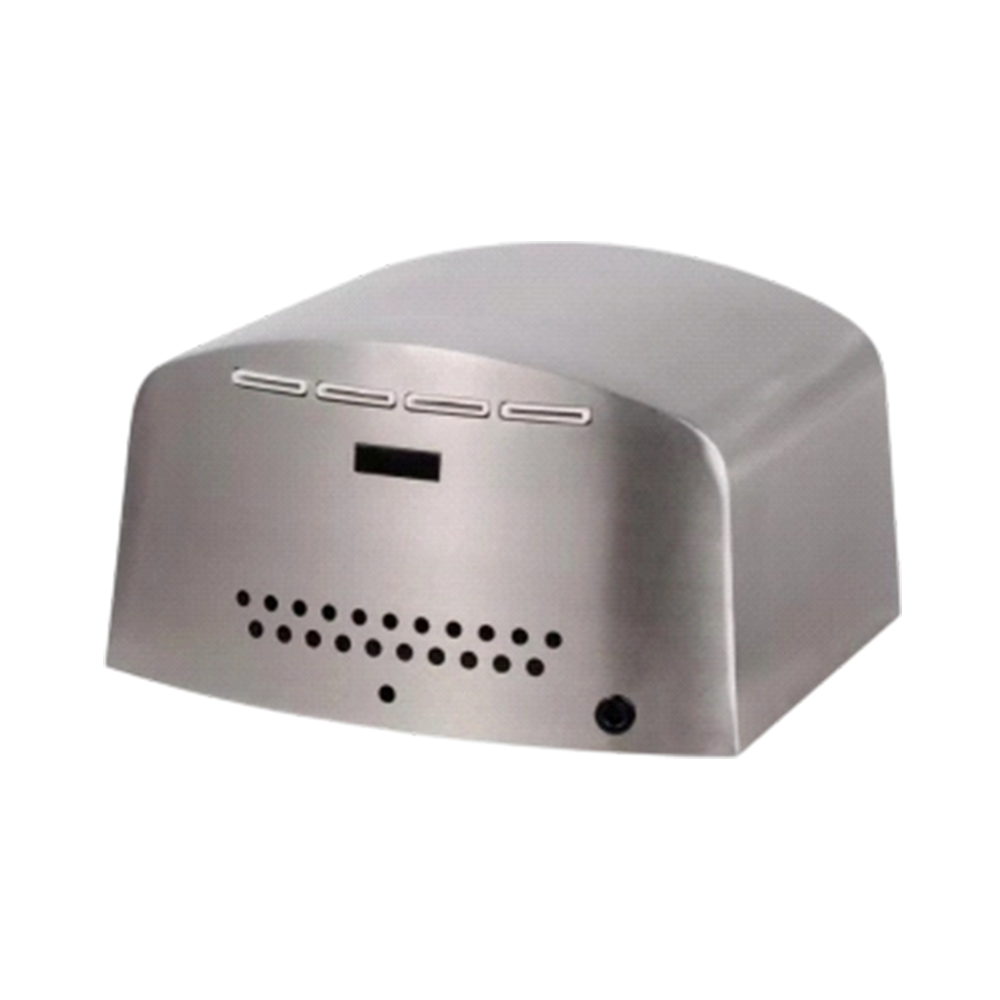 LGH30 Hand Dryer
-
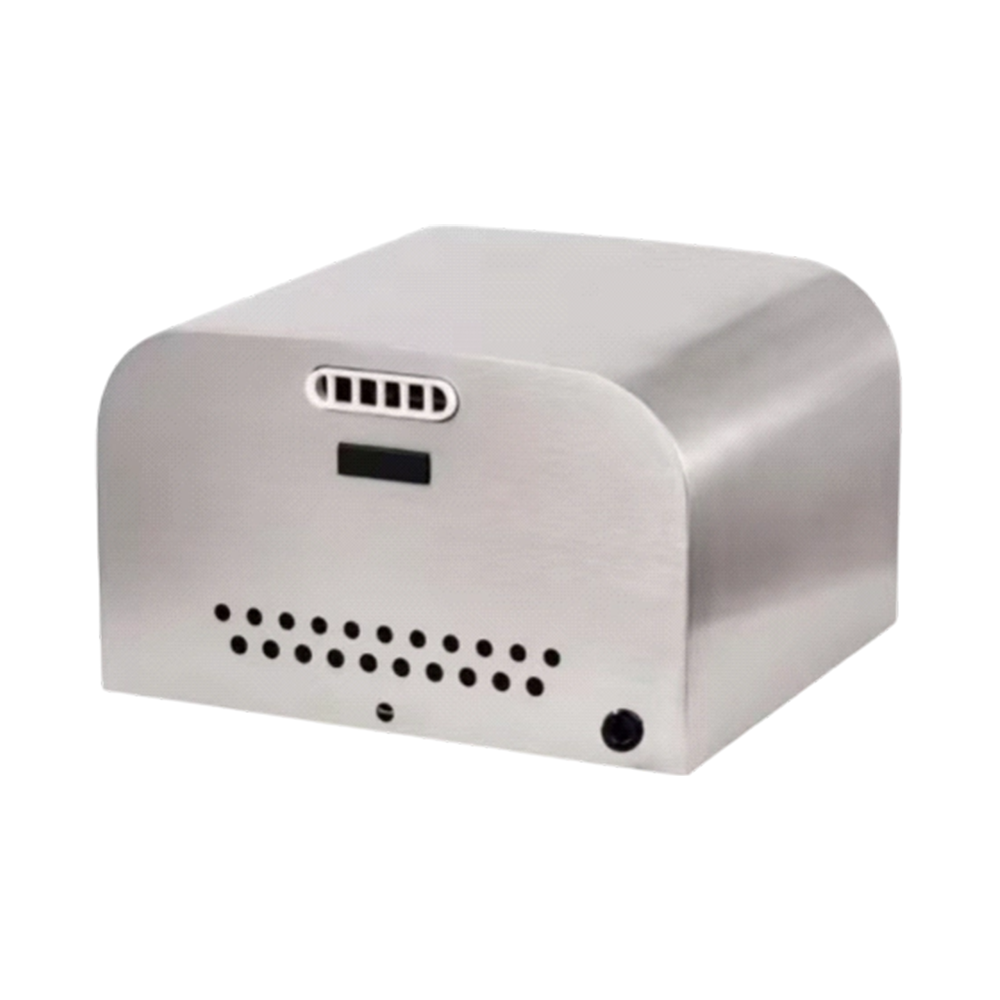 LGH31 Hand Dryer
Our company supplies high-speed double-sided hand dryers and high-speed ultra-thin hand dryers, suitable for high-traffic public restrooms in locations such as train stations and shopping malls. With diverse design options, they can be flexibly matched to different environments, offering a wide selection to fully meet your usage and installation needs.
About Us
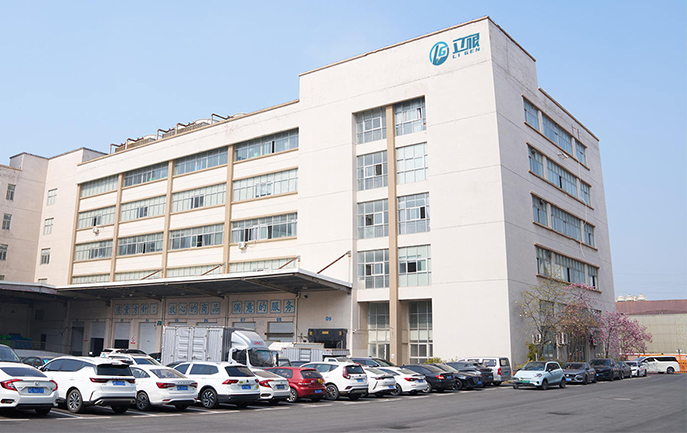
Ligen Intelligent Technology Co., Ltd.
Ligen Intelligent Technology Co., Ltd. is a provider and manufacturer of integrated solutions for "handwashing, hand drying, and disinfection." The founding team of Ligen has decades of experience in designing and developing top-tier hand dryer products in China, and has led the development of several popular hand dryer products nationwide. Driven by the vision of "making handwashing more comfortable and simpler," Ligen Intelligent Technology Co., Ltd. was founded with the indomitable and resolute spirit of bamboo, as described in Zheng Banqiao's poem.
Ligen currently manufactures the following products: 2-in-1 hand dryer faucets; 3-in-1 hand dryer faucets; hand dryer series; soap dispenser series; hand sanitizer series; and baby changing table series.
We adhere to a people-oriented approach to technology, focusing on innovation and quality, continuously innovating and improving our products and services. We advocate a pragmatic and persevering spirit, persisting in doing every task and every product well, enduring loneliness and focusing on the ordinary, creating one heartwarming product after another with unwavering determination.
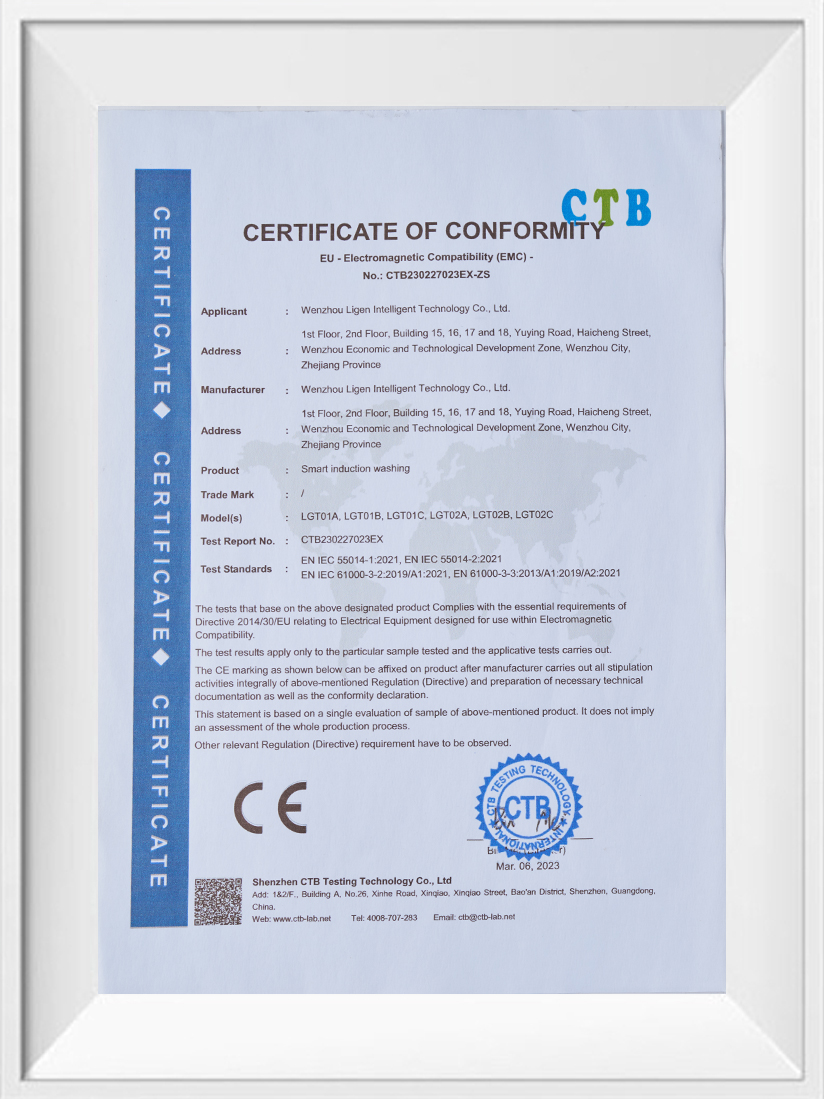
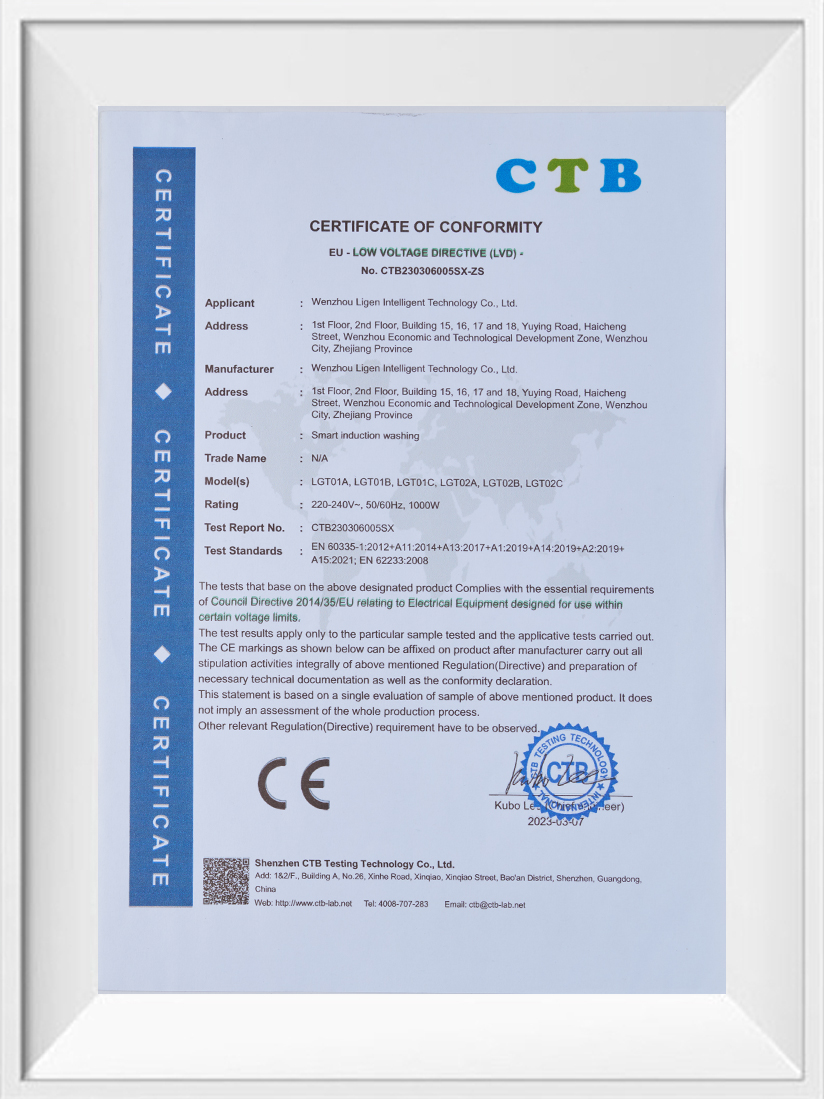
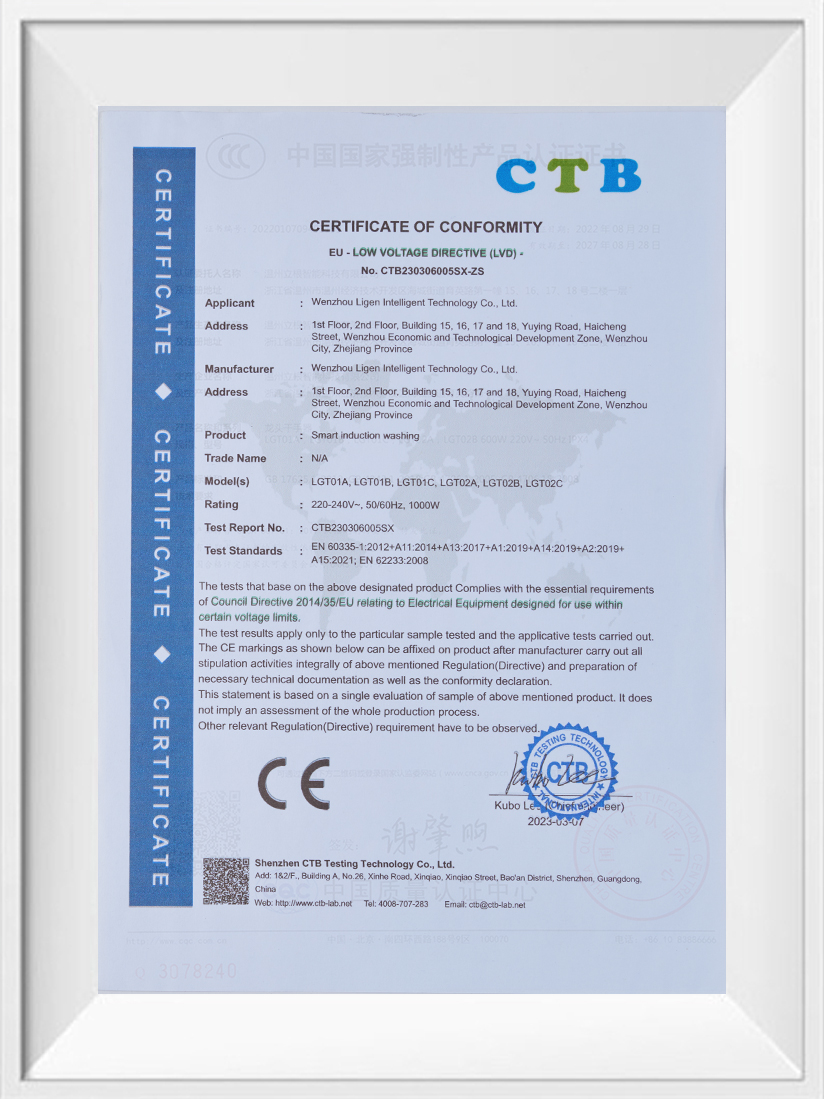
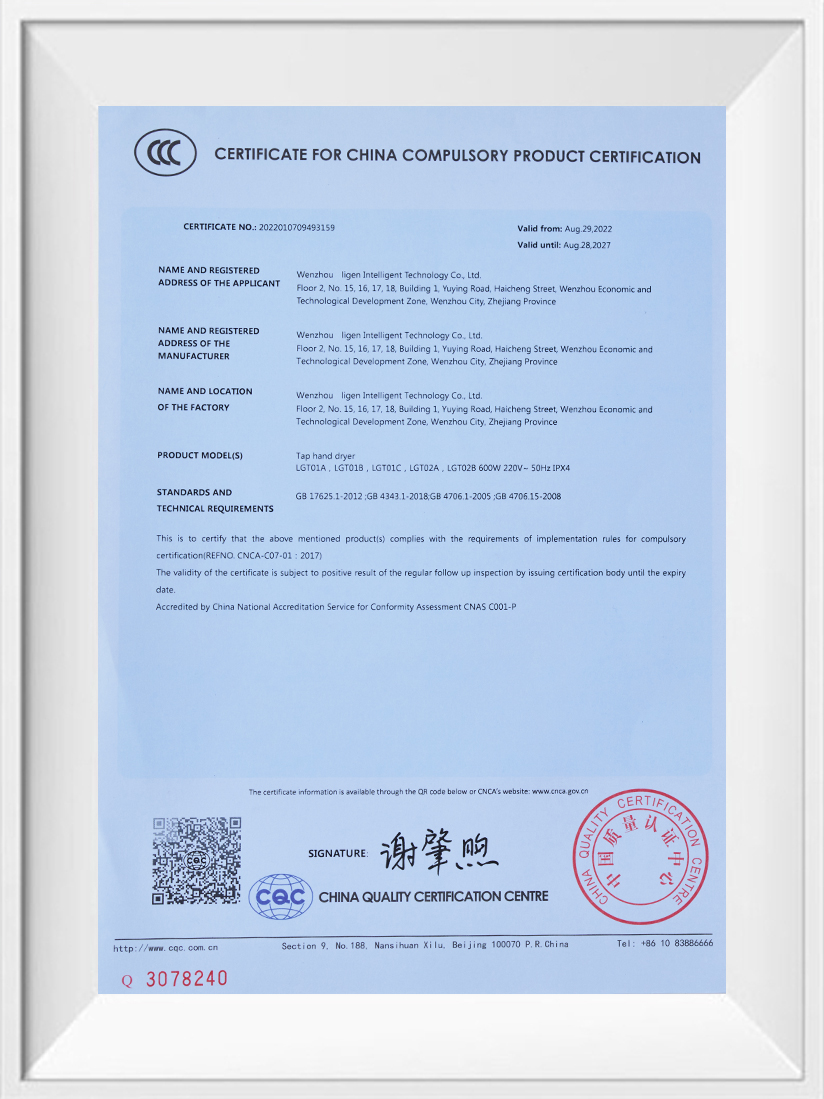
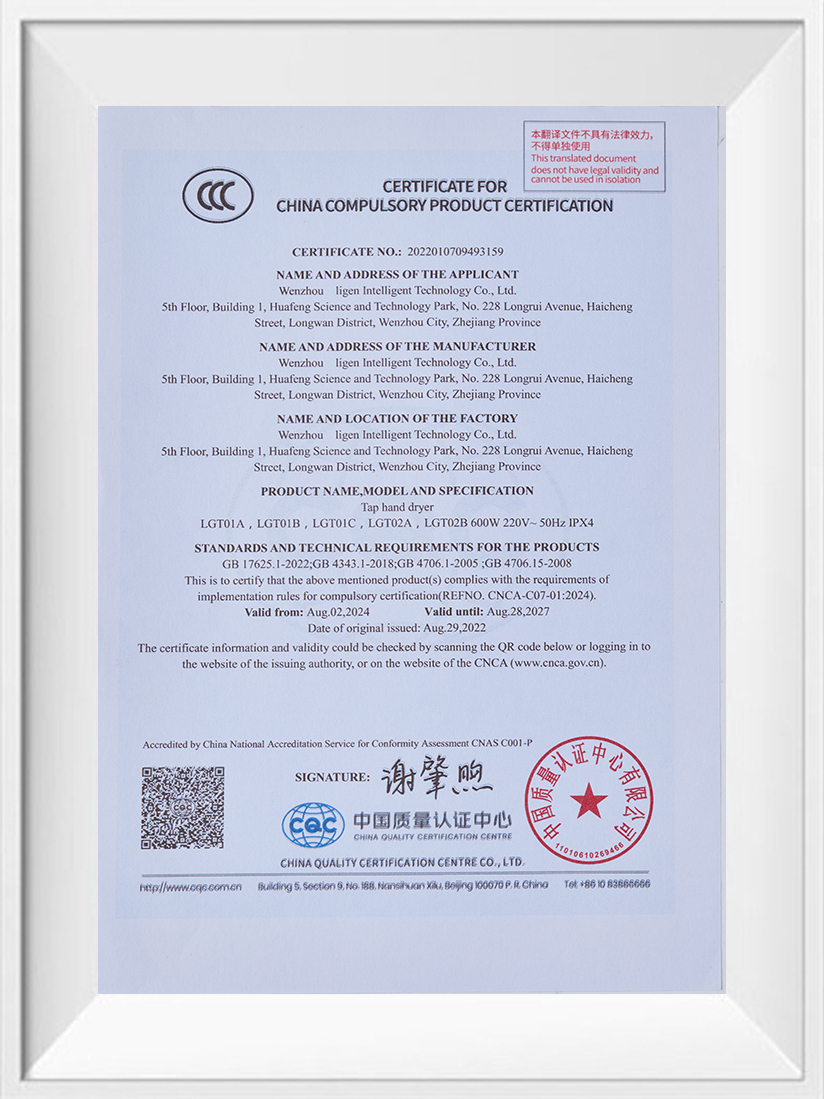
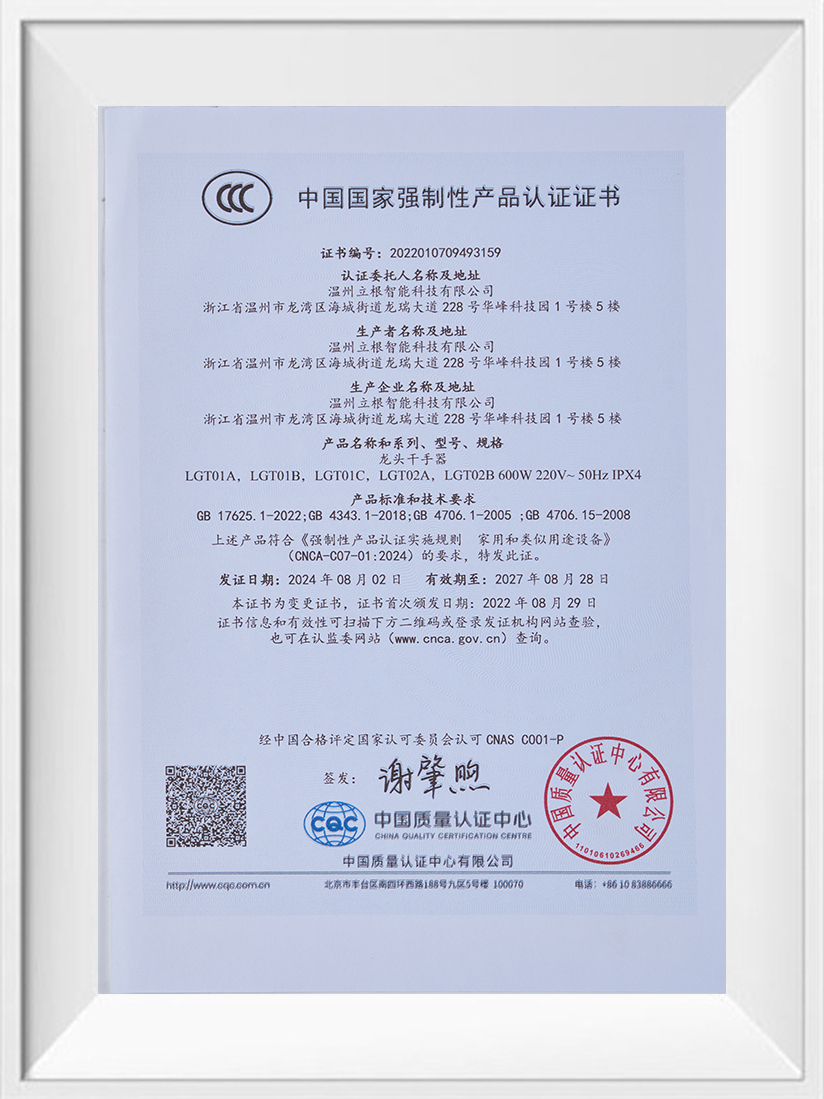
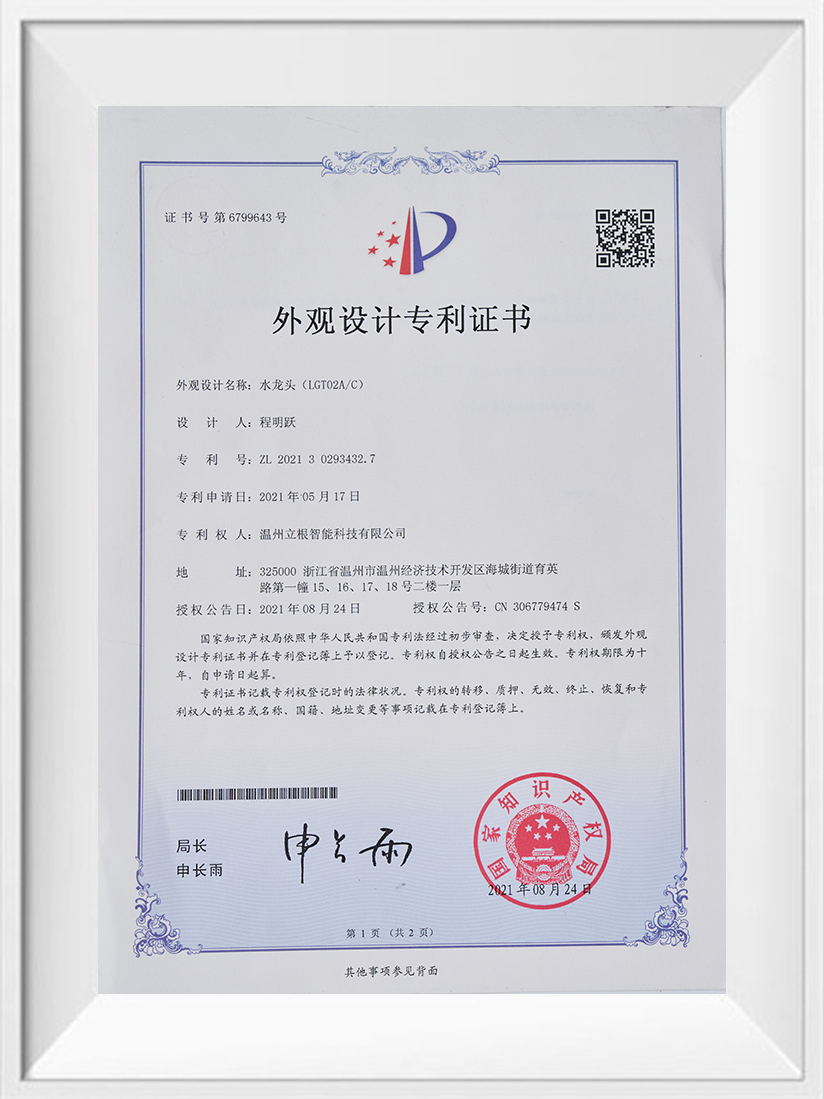
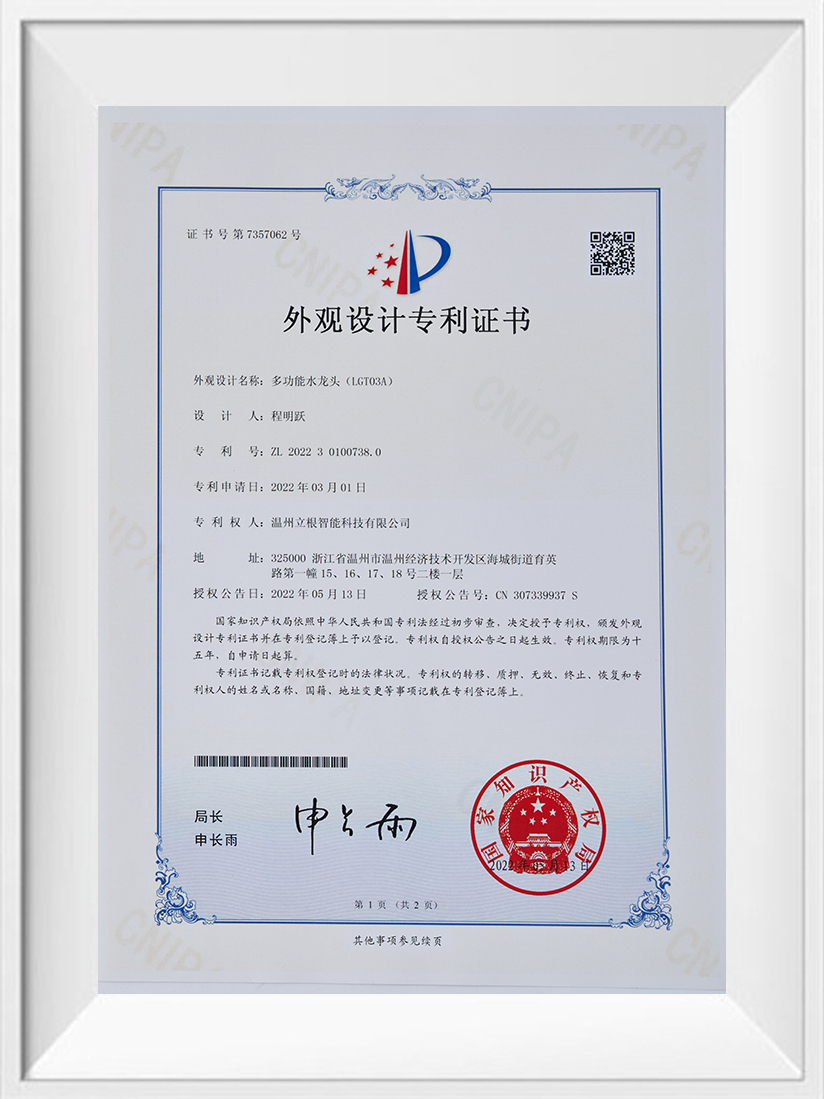
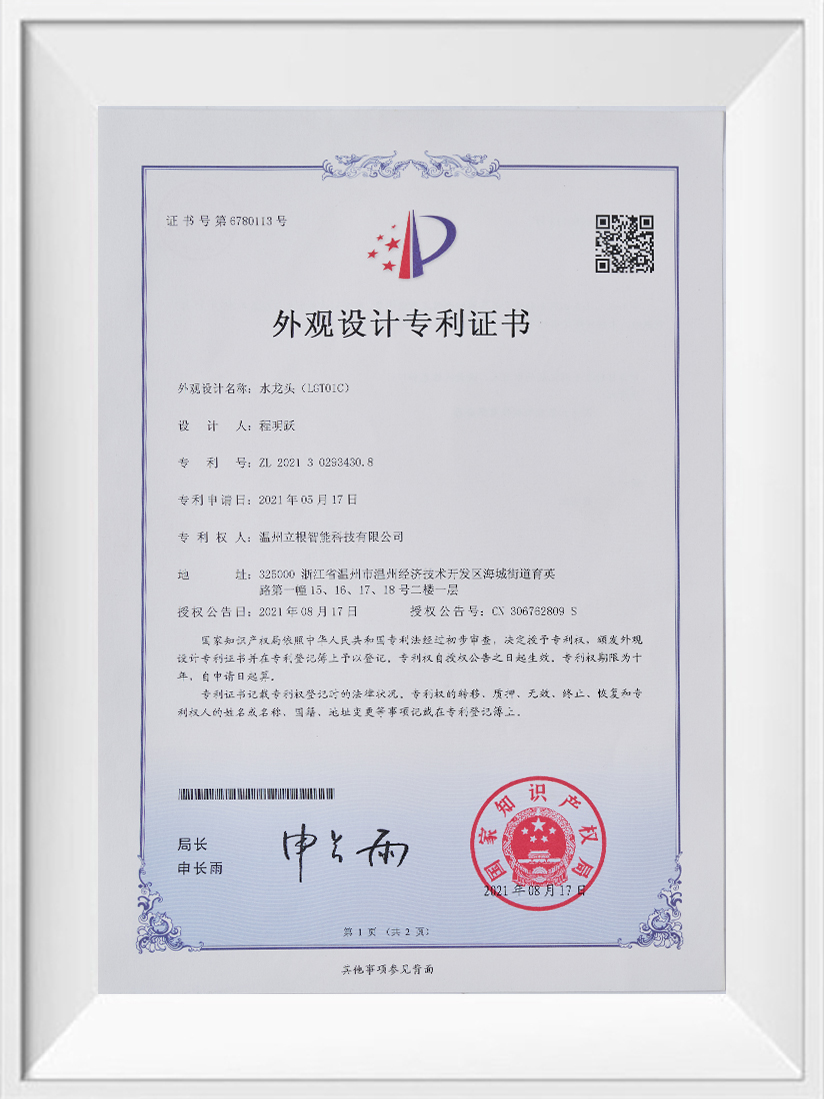
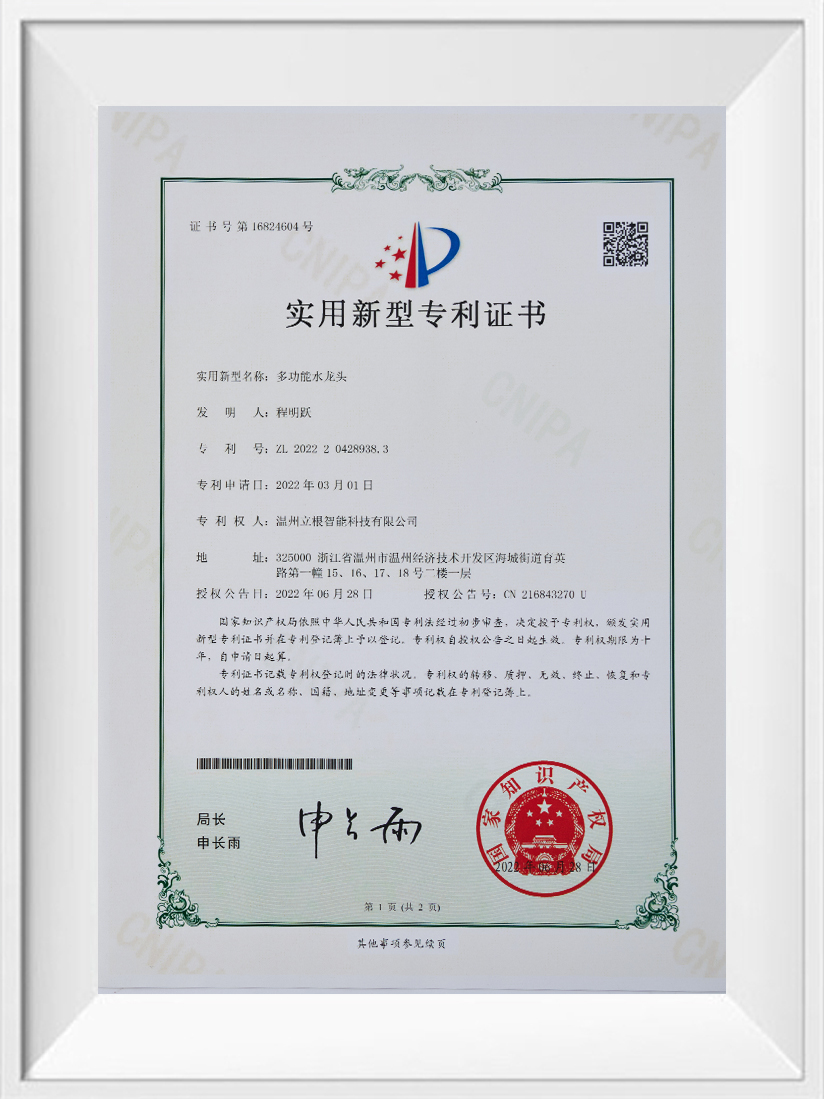
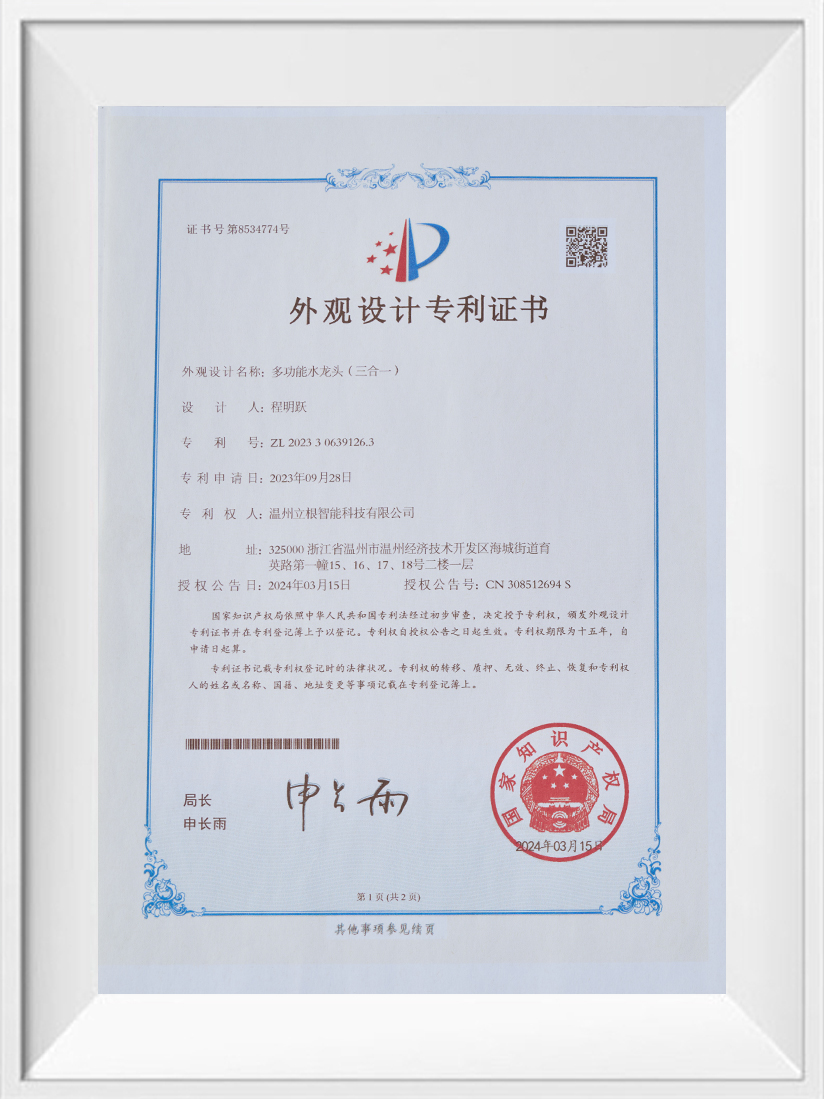
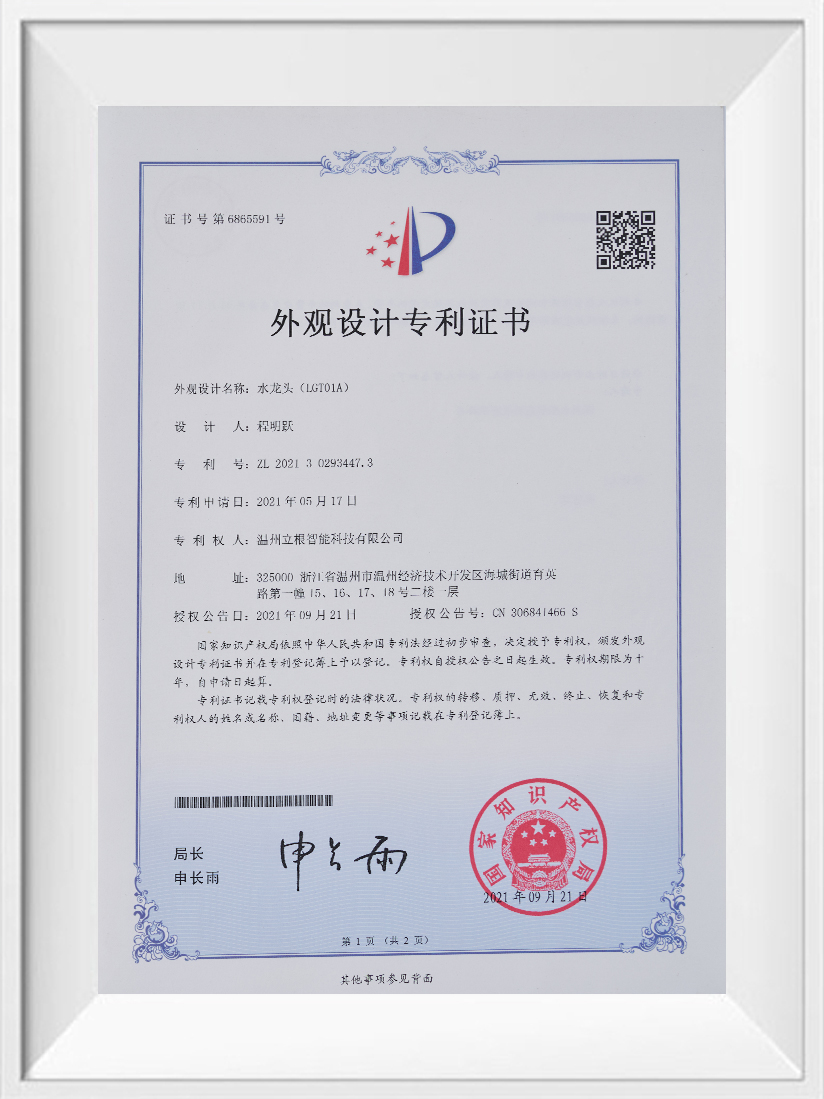
Certificate Of Honor
Message Feedback
News
-
-
Faucet design is changing in a rather quiet way. Instead of adding complicated features simply for appearance, manufacturers are paying closer attention to how water moves from the inlet to the outlet...
Read More -
Sensing and Response in Real Time The detection range usually covers a short distance in front of the unit, enough to register a hand but not so wide that random movement causes accidental release. Re...
Read More -
Motor Type Decides How Fast Hands Actually Dry Conventional hand dryer models rely on a simple heating element paired with a fan, warming the air before pushing it out across wet hands. This design wo...
Read More -
Automatic Tap Technology Enters Everyday Spaces Turning on a faucet used to be a simple movement: reach forward, rotate a handle, and adjust the water. Today, sensor-based fixtures are changing that f...
Read More -
A Quiet Shift in Public Washrooms Walk through any airport, hospital lobby, or office building built in the last few years and the pattern repeats itself. Traditional handle faucets are being swapped ...
Read More -
In March 2025, Wenzhou Ligen Intelligent Technology Co., Ltd. showcased its full range of smart hand care solutions at the Shanghai International Hotel Engineering & Design Expo, with the newly up...
Read More
Industry Knowledge
A hand dryer is a standalone drying unit installed above a restroom sink or on a wall. It uses a motor-driven fan to generate airflow that rapidly dries the user's washed hands, serving as a leading alternative to disposable paper towels in public restrooms.
Based on installation and usage scenarios, hand dryers are generally categorized as follows:
Commercial Hand Dryer: Designed specifically for high-traffic, high-frequency environments such as airports, shopping malls, office buildings, restaurants, and schools. Compared to residential or compact models, these units typically demand higher standards for motor power, casing durability, and operational stability during continuous use.
Energy-Efficient Hand Dryer: These units reduce energy consumption per use while maintaining drying performance through technologies such as optimized motor efficiency, improved airflow channel design, and the use of variable-frequency or brushless motors. They are an increasingly popular choice in commercial restroom equipment procurement (specific energy savings and consumption data vary by model; please refer to supplier-provided test reports).
Installation methods include wall-mounted and recessed (in-wall) options; the specific choice depends on the restroom's wall structure and on-site installation conditions.
Key Advantages and Features
High Drying Efficiency: Unlike older, low-speed models, modern commercial hand dryers typically feature high-speed motors and optimized airflow designs, significantly reducing the time required to dry hands (actual drying time varies by model design).
Commercial-Grade Durability: The casing materials, internal motors, and bearing designs are optimized for high-frequency, long-duration continuous operation, making them suitable for long-term use in high-traffic public areas.
Energy-Efficient Design: Some models utilize technologies such as variable-frequency motors and smart sensor controls (e.g., automatic start/stop to prevent energy waste from idling) to lower energy consumption per use while ensuring effective drying.
Touch-Free Sensor Activation: Most commercial hand dryers feature infrared sensors for automatic start/stop operation, eliminating the need for users to touch buttons and thereby reducing the risk of cross-contamination.
Maintenance is relatively simple: Structurally, the units typically consist of core components such as the motor, air ducts, and sensor modules. Compared to integrated faucet-plus-dryer systems, the installation and maintenance processes for standalone hand dryers are generally more straightforward (please refer to the supplier's maintenance manual for specific maintenance frequencies and procedures).
Supports customization for bulk projects: Options include casing color, sensor parameters, and voltage configurations tailored to export market standards (availability and minimum order quantities are subject to supplier confirmation).
Why Clients Choose Us
B2B buyers typically focus on the following aspects when selecting a hand dryer supplier. The information below serves as a reference; actual qualifications, services, and product specifications provided by your company will prevail:
Comprehensive product line covering both commercial and energy-efficient hand dryers: We offer suitable models—ranging from standard commercial units to energy-efficient options—to meet diverse project requirements regarding budget, energy consumption, and installation environments, rather than offering a limited product range.
Provision of third-party test reports or product certification documents: This enables buyers to verify compliance with electrical safety and energy efficiency standards during project acceptance or the tendering process (specific certification types and scope should be confirmed with the supplier; no specific certification names or numbers are assumed here).
Support for bulk project customization and prototyping: Customization options include appearance, sensor parameters, and voltage configurations adapted to export market standards, meeting the unified procurement needs of multi-site projects such as chain stores, airports, and schools (specific customization scope, minimum order quantities, and prototyping lead times depend on the supplier's capabilities).
Complete installation and maintenance documentation: We provide detailed installation dimension drawings, electrical wiring diagrams, and product maintenance manuals to facilitate efficient coordination between installation teams and post-installation maintenance crews (the completeness of documentation should be confirmed with the supplier).
After-sales service and response mechanisms: Factors such as warranty periods, spare parts availability, and response times for troubleshooting are just as important as product specifications in procurement decisions; we recommend explicitly requesting written details regarding these terms from the supplier during the inquiry stage.
Frequently Asked Questions
1.What are the main differences between commercial hand dryers and standard household hand dryers?
2.Commercial hand dryers are typically designed for high-frequency, continuous use. They adhere to higher standards regarding motor lifespan, casing durability, and sensor stability to withstand the heavy usage found in high-traffic public areas like airports and shopping malls. In contrast, residential hand dryers are generally intended for low-frequency, intermittent use. Specific differences vary by brand and model; it is advisable to confirm the intended usage scenario with the supplier before purchasing.
2. How much can "Energy Efficient Hand Dryers" actually reduce operating costs?
Energy-saving performance varies based on technical specifications (such as the use of variable-frequency motors or intelligent sensor control logic) and actual usage frequency. Before purchasing, it is recommended to request energy consumption test data or third-party inspection reports from the supplier. You should then evaluate potential long-term cost savings based on the project's projected usage frequency, rather than relying solely on marketing claims.
3. How should one choose between standalone hand dryers and "faucet-integrated hand dryers"?
The choice depends primarily on site conditions and the budget. Standalone hand dryers offer greater installation flexibility and generally simpler maintenance if there is ample countertop space and the budget allows. If the goal is to save countertop space and reduce the number of fixtures, a faucet-integrated solution may be preferable. It is recommended to discuss installation requirements and total costs for both options with the supplier, taking the project's actual layout and budget into account.
4. How can one determine if a hand dryer's waterproof rating meets the requirements of the installation environment?
Waterproof ratings (IP ratings) vary by model, and the installation environment—such as proximity to faucets or exposure to direct water spray—dictates specific rating requirements. Before purchasing, request waterproof certification or test reports for the specific model. Select a product with an appropriate rating based on the actual installation location to avoid equipment damage or warranty disputes caused by environmental incompatibility.

- No. 187, Binhai 4th Road, Xinghai Street, Longwan District, Wenzhou City, Zhejiang, China
-
WeChat: BURIRO-LIGEN
WhatsApp: +86 13362723903
Email: [email protected] Catalogue PDF - Multifunctional Tap Hand Dryer Soap Dispenser Hand Dryer Hand Sterilizer Baby Changing Station
-
