


 русский
 عربى
عربى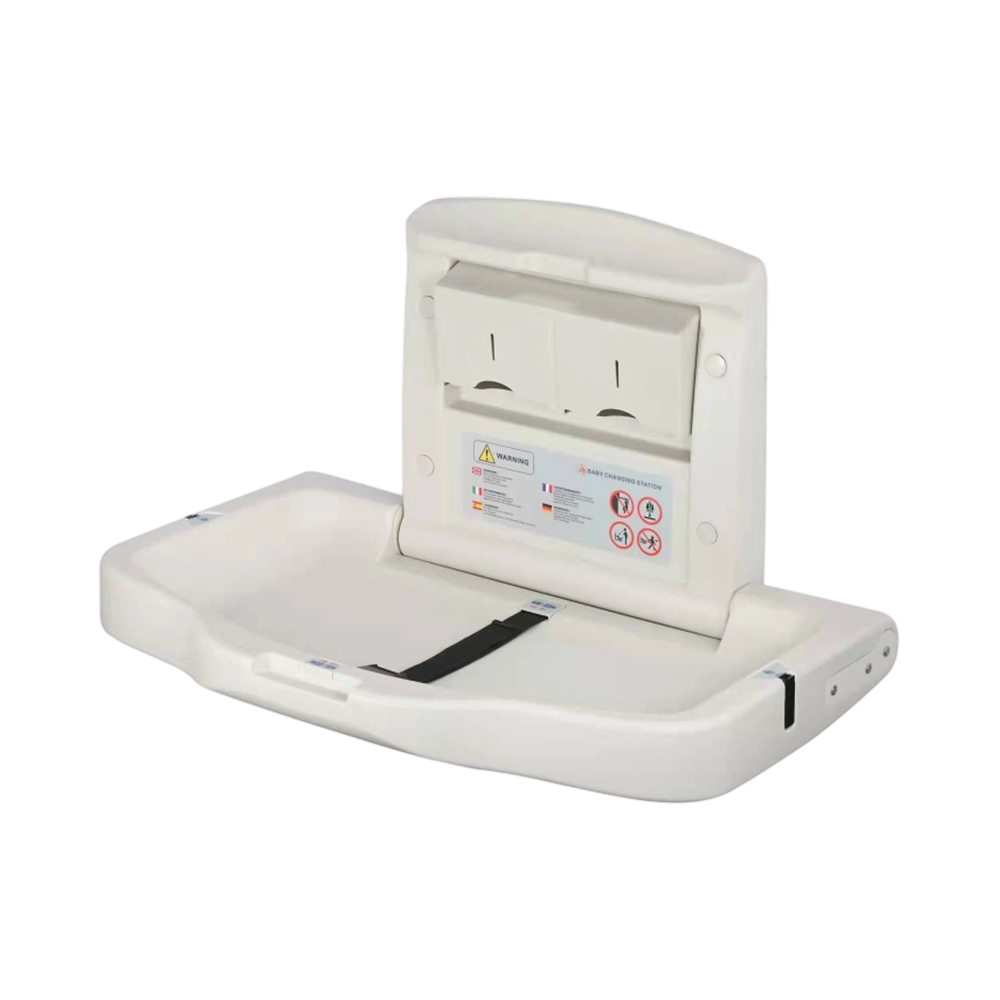
Smart Faucets Are Becoming More Technical The Smart Faucet is moving from a simple touch-free fixture toward a more integrated water control product. Modern designs can combine sensors, electronic val...
Read More
Baby Changing Station
Baby Changing Station
The wall-mounted, foldable baby changing station is made with HDPE blow molding technology and features a metal support frame, ensuring safety and stability. Its foldable design saves space, and it's easy to open and operate, making it convenient for parents to care for their babies. Suitable for public places such as train stations and shopping malls, it offers high practicality.
About Us
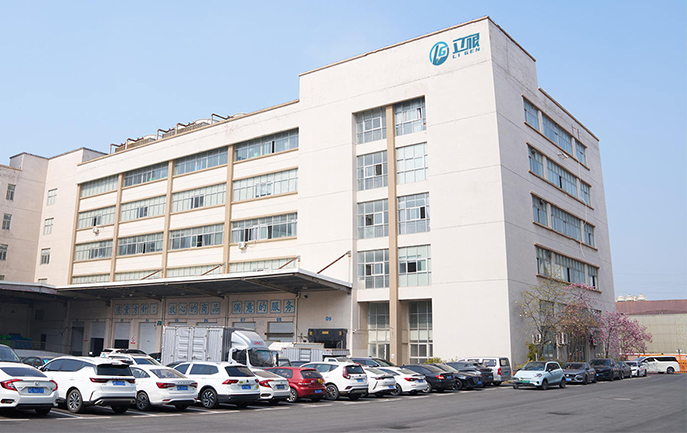
Ligen Intelligent Technology Co., Ltd.
Ligen Intelligent Technology Co., Ltd. is a provider and manufacturer of integrated solutions for "handwashing, hand drying, and disinfection." The founding team of Ligen has decades of experience in designing and developing top-tier hand dryer products in China, and has led the development of several popular hand dryer products nationwide. Driven by the vision of "making handwashing more comfortable and simpler," Ligen Intelligent Technology Co., Ltd. was founded with the indomitable and resolute spirit of bamboo, as described in Zheng Banqiao's poem.
Ligen currently manufactures the following products: 2-in-1 hand dryer faucets; 3-in-1 hand dryer faucets; hand dryer series; soap dispenser series; hand sanitizer series; and baby changing table series.
We adhere to a people-oriented approach to technology, focusing on innovation and quality, continuously innovating and improving our products and services. We advocate a pragmatic and persevering spirit, persisting in doing every task and every product well, enduring loneliness and focusing on the ordinary, creating one heartwarming product after another with unwavering determination.
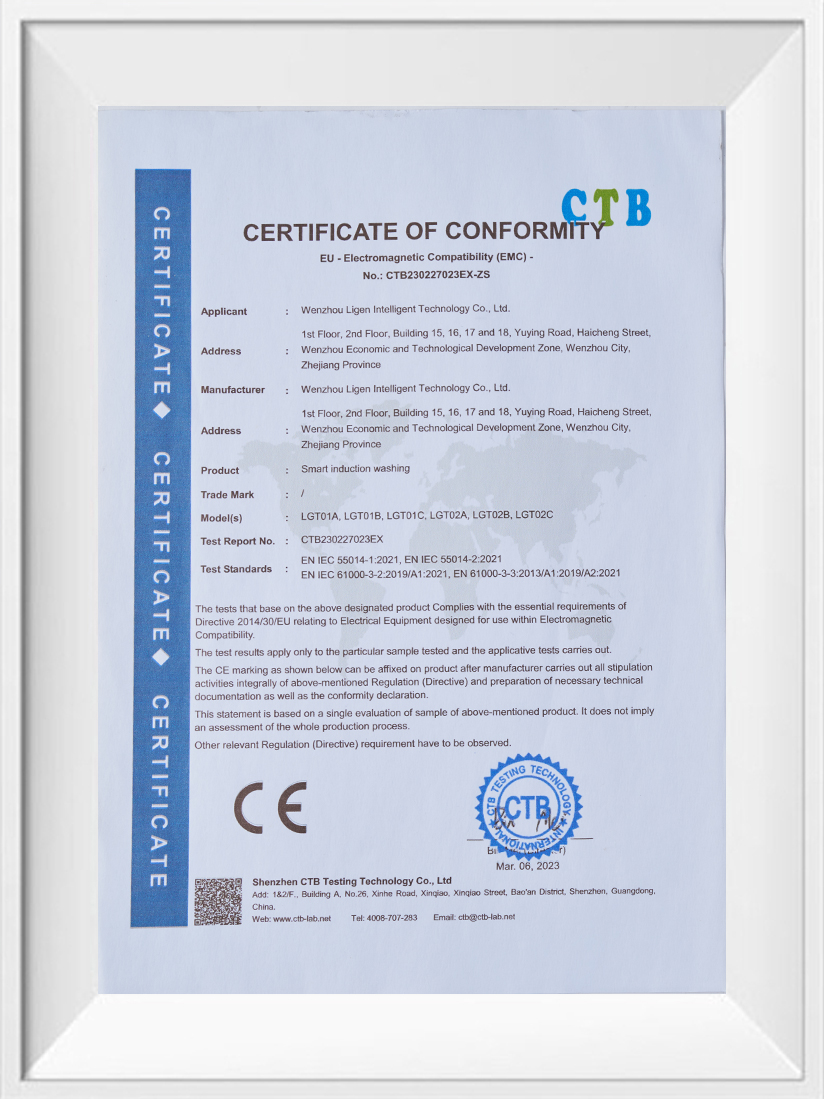
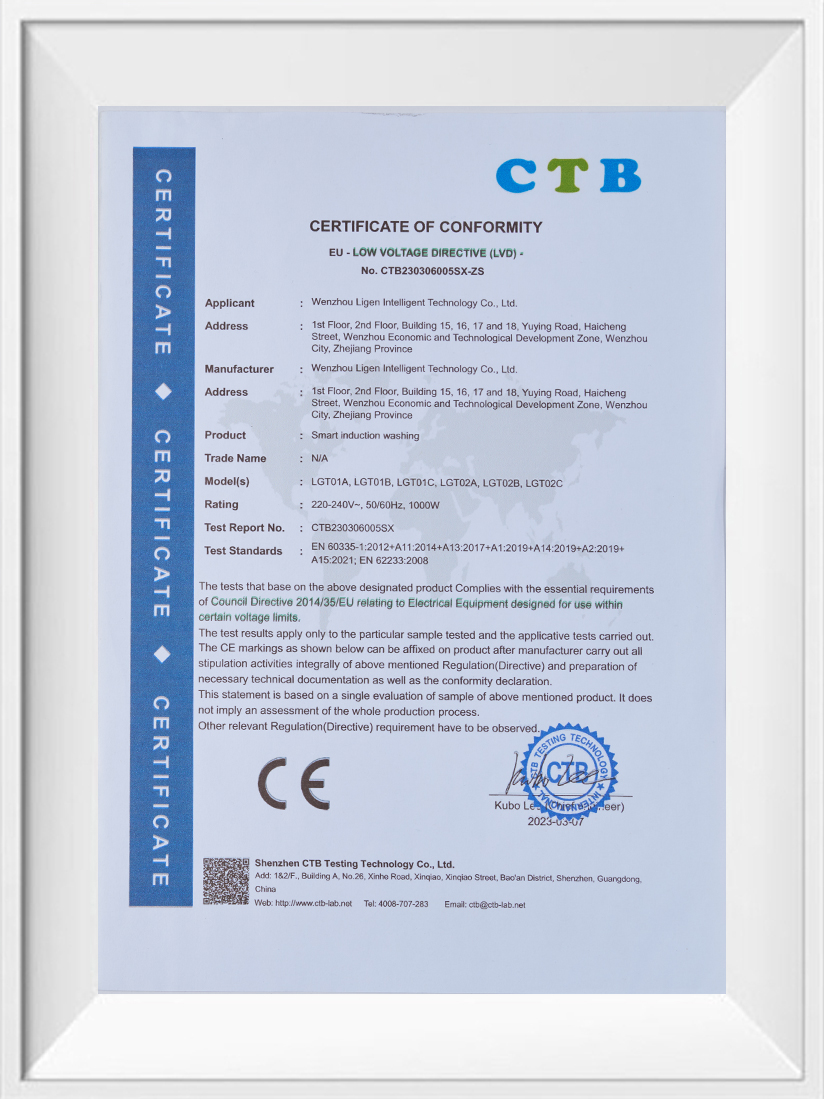
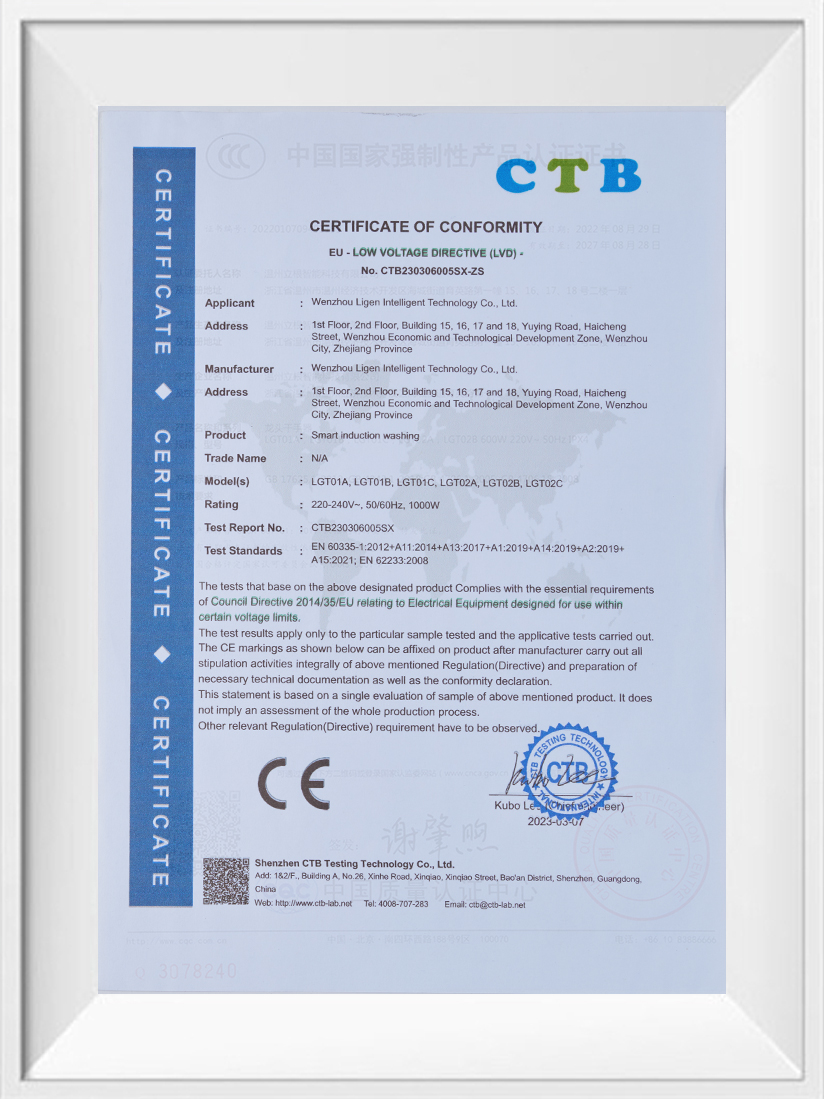
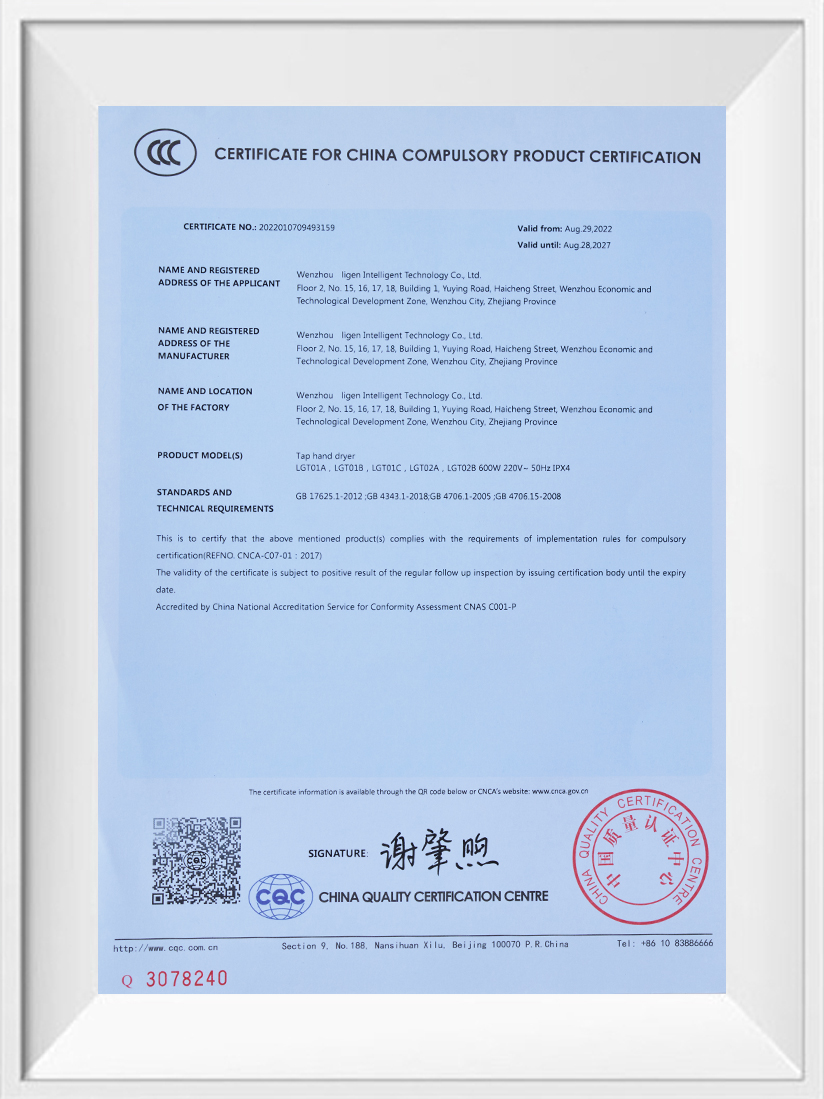
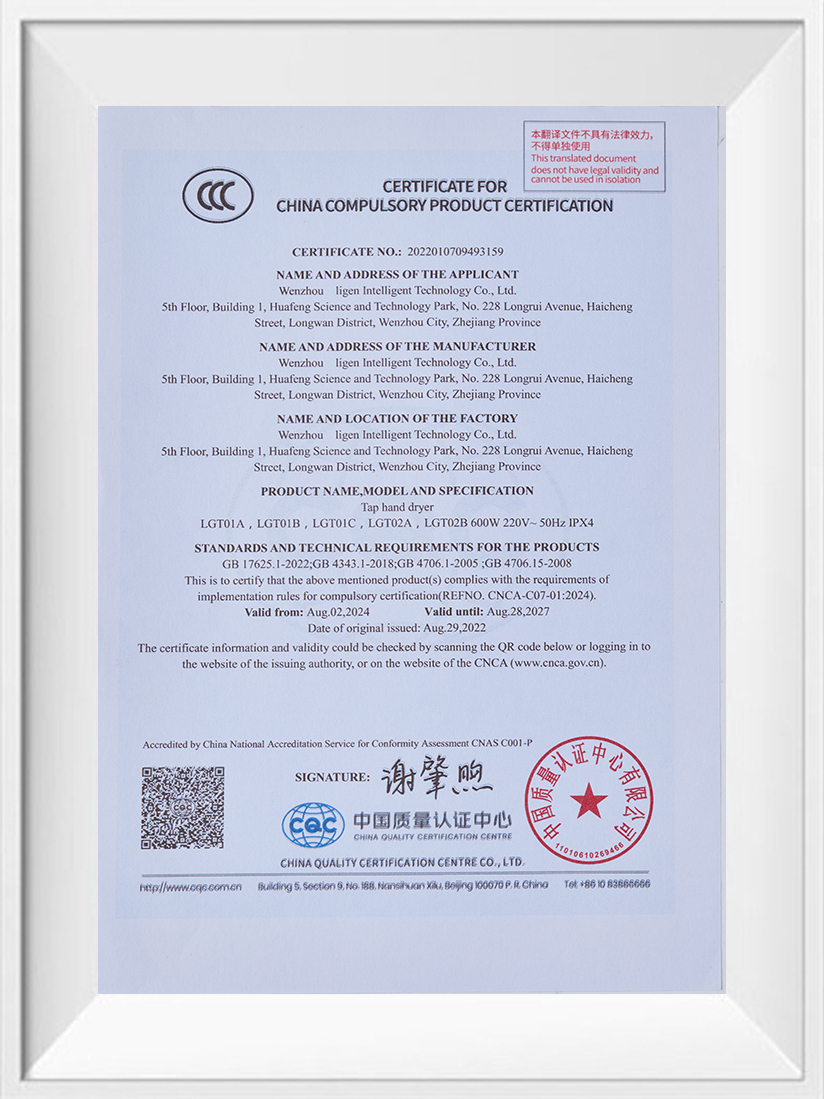
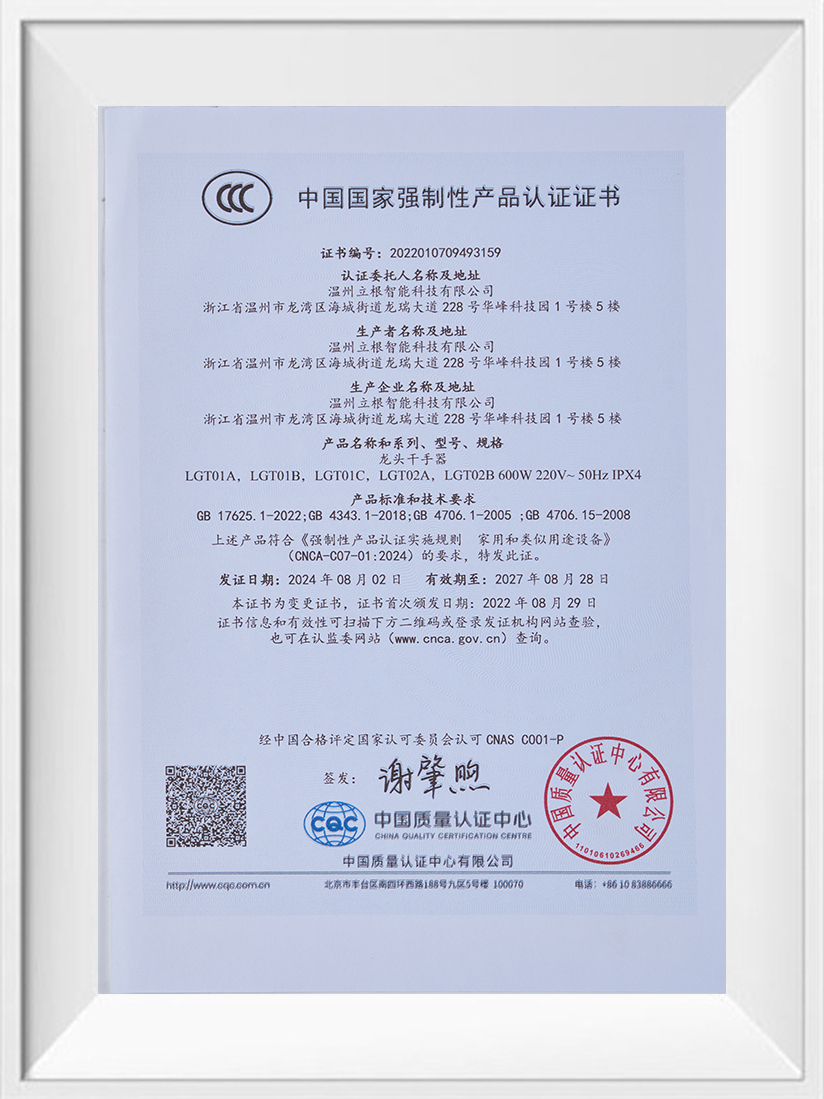
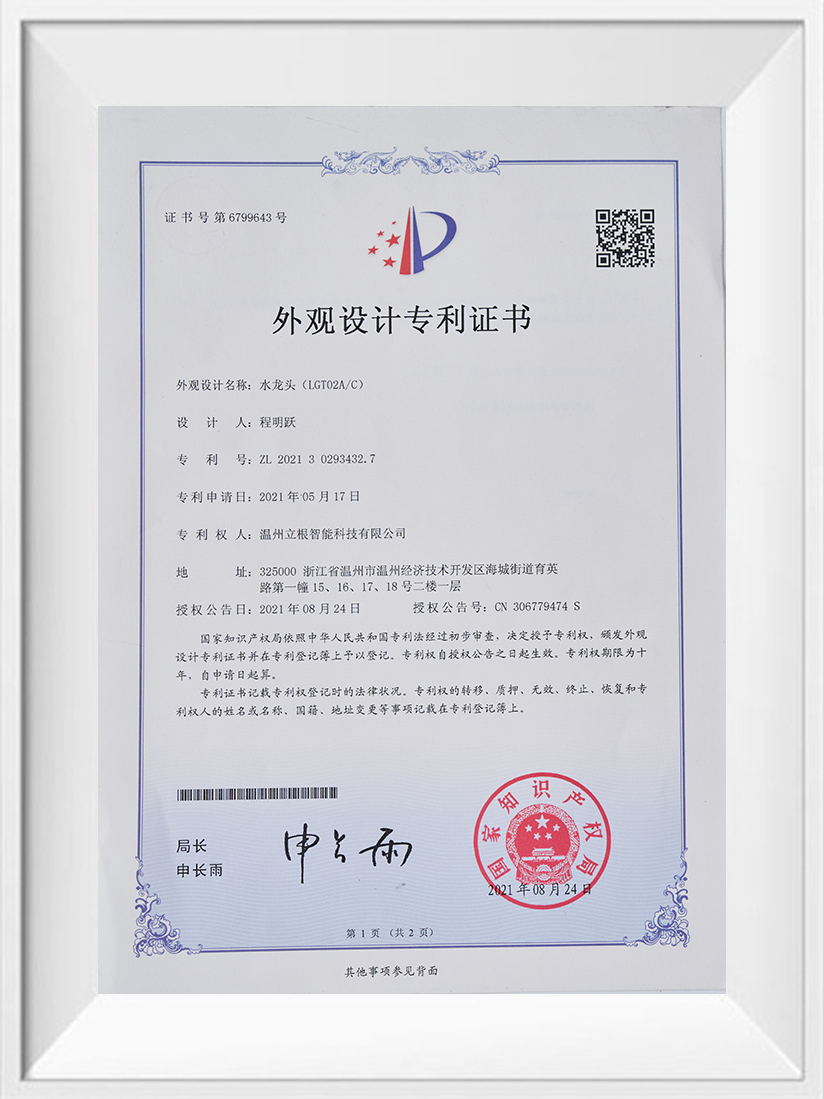
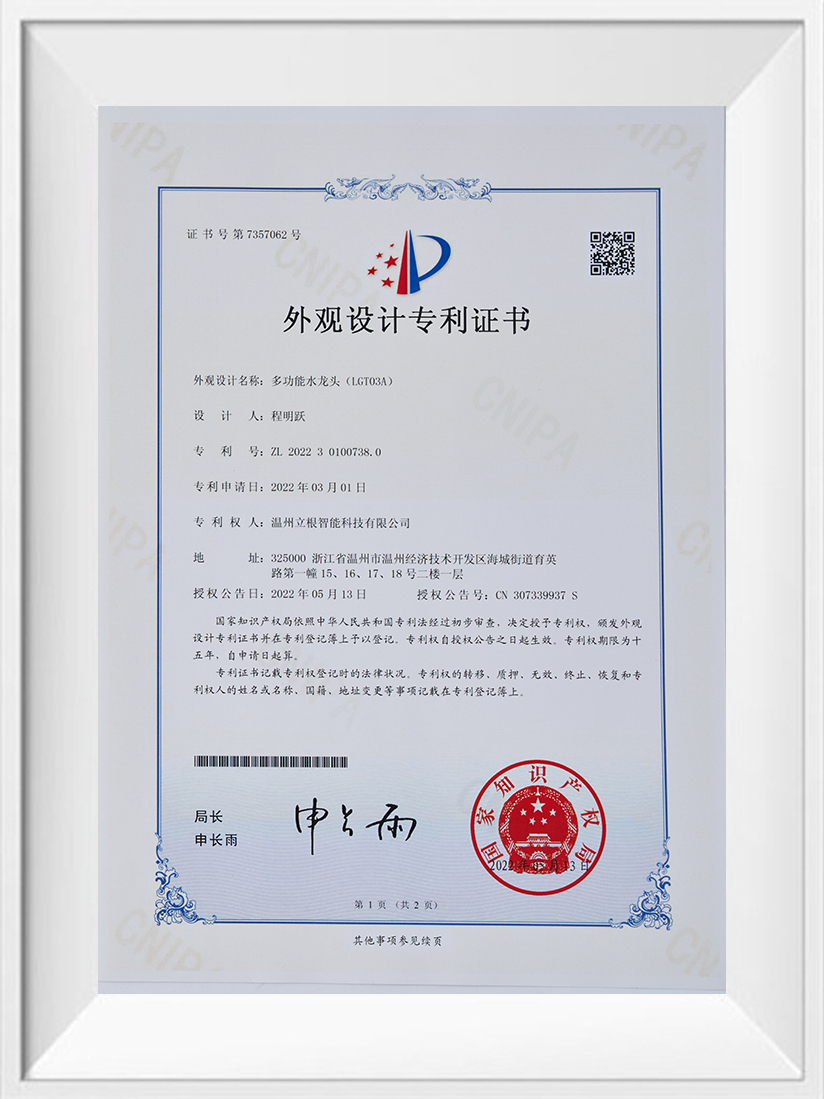
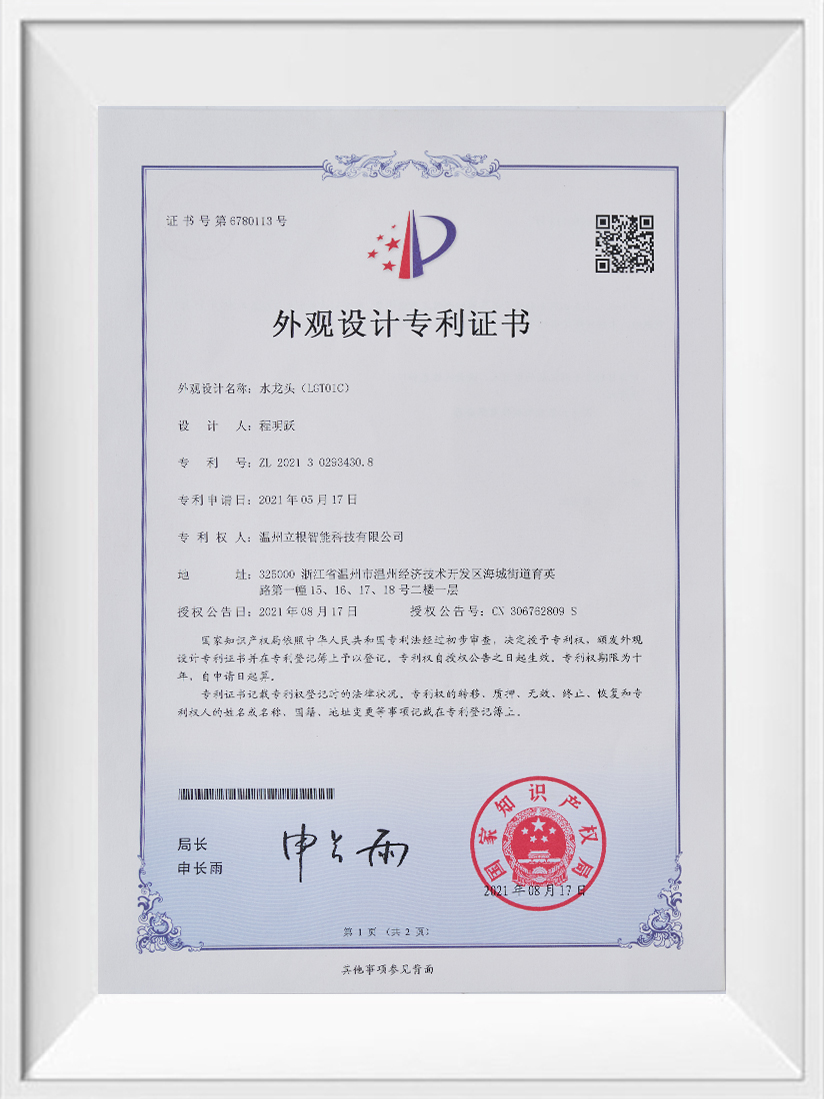
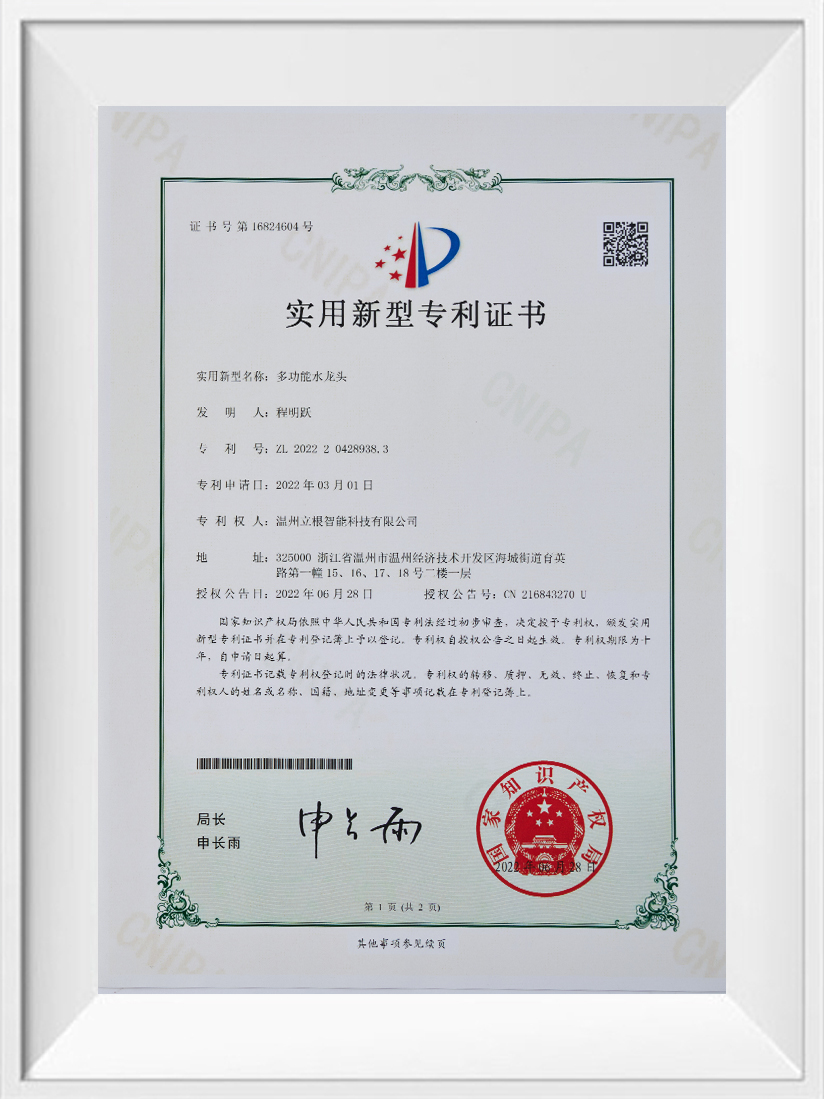
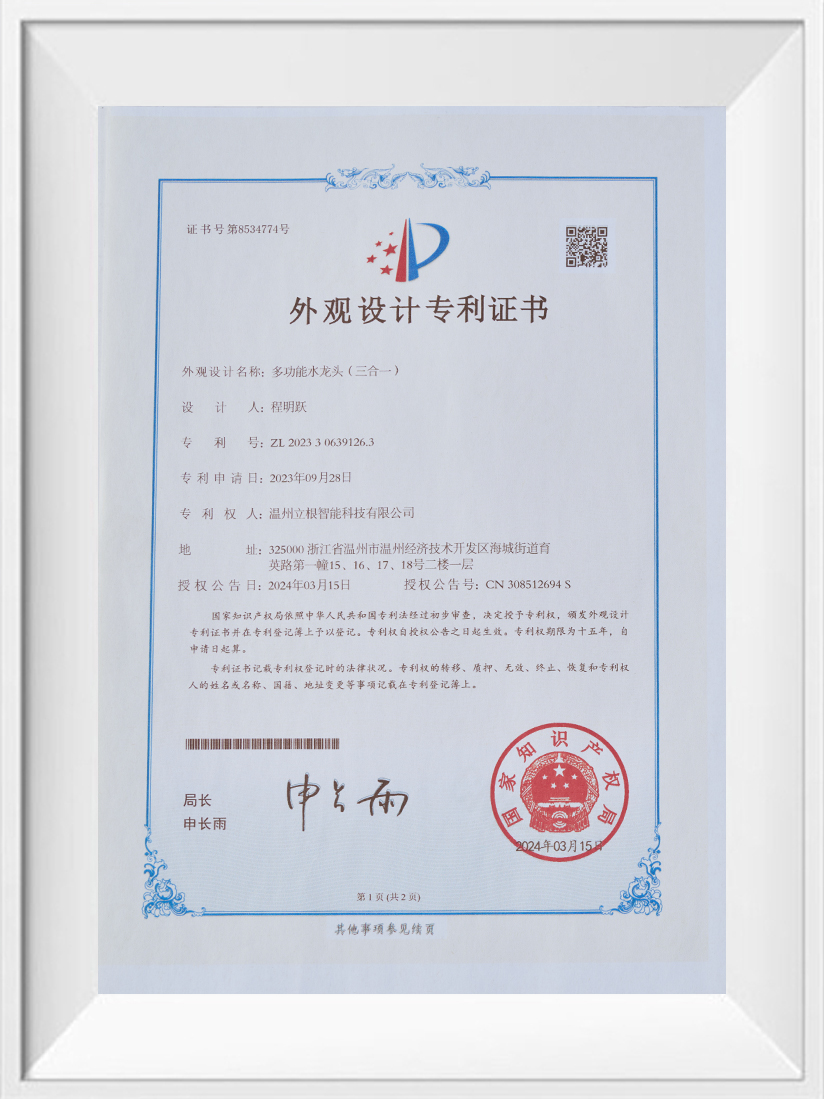
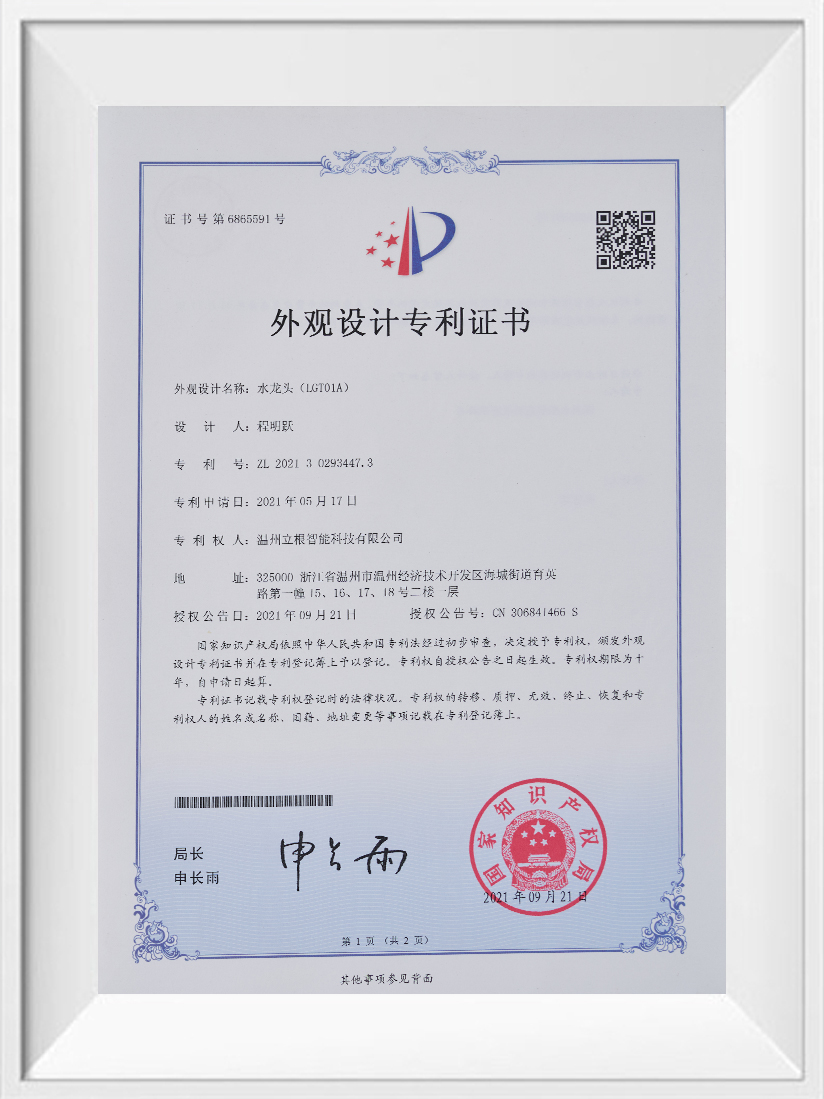
Certificate Of Honor
Message Feedback
News
-
-
Faucet design is changing in a rather quiet way. Instead of adding complicated features simply for appearance, manufacturers are paying closer attention to how water moves from the inlet to the outlet...
Read More -
Sensing and Response in Real Time The detection range usually covers a short distance in front of the unit, enough to register a hand but not so wide that random movement causes accidental release. Re...
Read More -
Motor Type Decides How Fast Hands Actually Dry Conventional hand dryer models rely on a simple heating element paired with a fan, warming the air before pushing it out across wet hands. This design wo...
Read More -
Automatic Tap Technology Enters Everyday Spaces Turning on a faucet used to be a simple movement: reach forward, rotate a handle, and adjust the water. Today, sensor-based fixtures are changing that f...
Read More -
A Quiet Shift in Public Washrooms Walk through any airport, hospital lobby, or office building built in the last few years and the pattern repeats itself. Traditional handle faucets are being swapped ...
Read More -
In March 2025, Wenzhou Ligen Intelligent Technology Co., Ltd. showcased its full range of smart hand care solutions at the Shanghai International Hotel Engineering & Design Expo, with the newly up...
Read More
Industry Knowledge
A baby changing station—also known as a diaper changing table—is a wall-mounted, foldable unit designed for use in public restrooms, allowing parents to change infants' and toddlers' diapers. When not in use, it folds flat against the wall, taking up minimal space in the restroom aisle; when needed, it unfolds into a platform equipped with safety rails or a safety strap, providing a surface where the child can lie flat for diaper changes and other care tasks.
The foldable baby changing station is the most common product type on the market. Utilizing a hinge mechanism to switch between its stowed (folded against the wall) and deployed (open for use) positions, it offers superior space efficiency compared to fixed-surface models, making it the preferred choice for the vast majority of public restroom renovation projects.
Application Scenarios for Baby Changing Stations
| Scenario Type | Specific Details |
| Airports / High-Speed Rail Stations / Passenger Terminals | Installed in restrooms and nursing rooms within waiting areas; convenient for travelers with infants/toddlers to change diapers on the go. |
| Malls / Shopping Centers | Can be installed in men's and women's restrooms as well as dedicated nursing rooms; a common "family-friendly" amenity in commercial spaces. |
| Dining Establishments | Found in the restrooms of some medium-to-large restaurants and fast-food chains; enhances the dining experience for families with infants/toddlers. |
| Office Buildings / Public Office Complexes | Installed in visitor restrooms or employee nursing rooms to meet occasional, short-term care needs. |
| Hospitals / Maternal and Child Health Facilities | Located in outpatient restrooms and nursing rooms as a standard care facility. |
| Schools / Kindergartens | Placed in parent waiting areas or visitor restrooms to meet care needs during drop-off and pick-up times for young children. |
(Requirements regarding installation in both men's and women's restrooms or the provision of separate nursing rooms generally depend on local regulations or industry standards for accessibility and maternal/child facilities; please refer to the specific regulations applicable to the project location.)
Performance Advantages of Baby Changing Stations
| Advantage Dimension | Description |
| High Space Efficiency | Foldable design allows the unit to sit flush against the wall when not in use, taking up minimal aisle space; ideal for renovation projects with limited counter or wall space. |
| Flexible Installation | Available in surface-mounted (fixed directly to the wall surface) and recessed (embedded within the wall to sit flush) styles; choice depends on wall structure and aesthetic requirements. |
| Safety Features | Typically equipped with safety rails or adjustable safety straps to prevent infants/toddlers from rolling off or falling (refer to the specific model's manual for load-bearing limits and rail design details). |
| Easy-to-Clean Materials | Often made from materials like high-density polyethylene (HDPE) or stainless steel, which are easy to clean and resistant to bacterial growth, facilitating daily wiping and disinfection (confirm specific materials and antimicrobial treatments with the supplier). |
Load-Bearing Capacity & Durability Commercial venues experience high usage rates; therefore, the load-bearing capacity and durability of the unit's structure and hinge components are critical factors during procurement. It is recommended to request specific load-bearing test data or third-party inspection reports from the supplier.
Can serve as an expanded baby care station configuration. Some models integrate auxiliary features—such as hooks and storage shelves—alongside the diaper-changing function, offering parents greater convenience for temporary care (availability of these features varies by model).
Frequently Asked Questions
Q: What is the approximate load-bearing capacity of a foldable baby changing station? What should be considered during procurement?
A: Load-bearing capacity varies based on the specific model's structural design (e.g., hinge strength, support structure). In the industry, these commercial units are typically evaluated against relevant load-bearing standards (such as ASTM F2285, common in the US market; applicability and specific results should be verified via supplier-provided reports). It is advisable to request specific load-bearing test data and applicable standard numbers directly from the supplier before purchasing, rather than relying solely on promotional descriptions.
Q: Can the material of the changing station truly prevent bacterial growth? How can I verify the supplier's claims?
A: Most commercial changing stations are made of high-density polyethylene (HDPE) or stainless steel. These materials are inherently resistant to stain absorption and are easy to clean; however, "antimicrobial" properties usually require additional treatments or coatings. Before purchasing, request third-party test reports regarding antimicrobial or anti-mold performance (common industry standards include ASTM G21 and G22) and verify the report's authenticity through the testing agency's official channels; do not rely solely on the supplier's promotional materials.
Q: How should I choose between surface-mounted and recessed installation?
A: Surface-mounted units are fixed directly to the wall surface; installation is relatively simple and places fewer demands on the wall structure, making them suitable for renovation projects or venues with thinner walls. Recessed units require a pre-existing cavity within the wall; they sit flush with the wall when open or closed, offering a more aesthetic appearance, but are typically feasible only in new construction projects or venues where wall structural modifications are permitted. It is recommended to consult the supplier regarding the specific dimensional requirements for the two installation methods, taking into account the actual wall conditions at the project site and the budget.
Q: Are there any regulatory requirements regarding the load-bearing capacity and safety of the safety straps or guardrails?
A: Different countries or regions may have varying regulations or industry standards concerning aspects such as the load-bearing capacity of safety straps and the height of guardrails for baby care facilities in public spaces (e.g., compliance with local accessibility standards). Before purchasing, it is advisable to verify with the supplier whether the selected model meets the applicable regulations for the project location; please refer to local regulatory texts and the supplier's compliance documentation for specific provisions.

- No. 187, Binhai 4th Road, Xinghai Street, Longwan District, Wenzhou City, Zhejiang, China
-
WeChat: BURIRO-LIGEN
WhatsApp: +86 13362723903
Email: [email protected] Catalogue PDF - Multifunctional Tap Hand Dryer Soap Dispenser Hand Dryer Hand Sterilizer Baby Changing Station
-
