

 русский
 عربى

The Core Mechanism
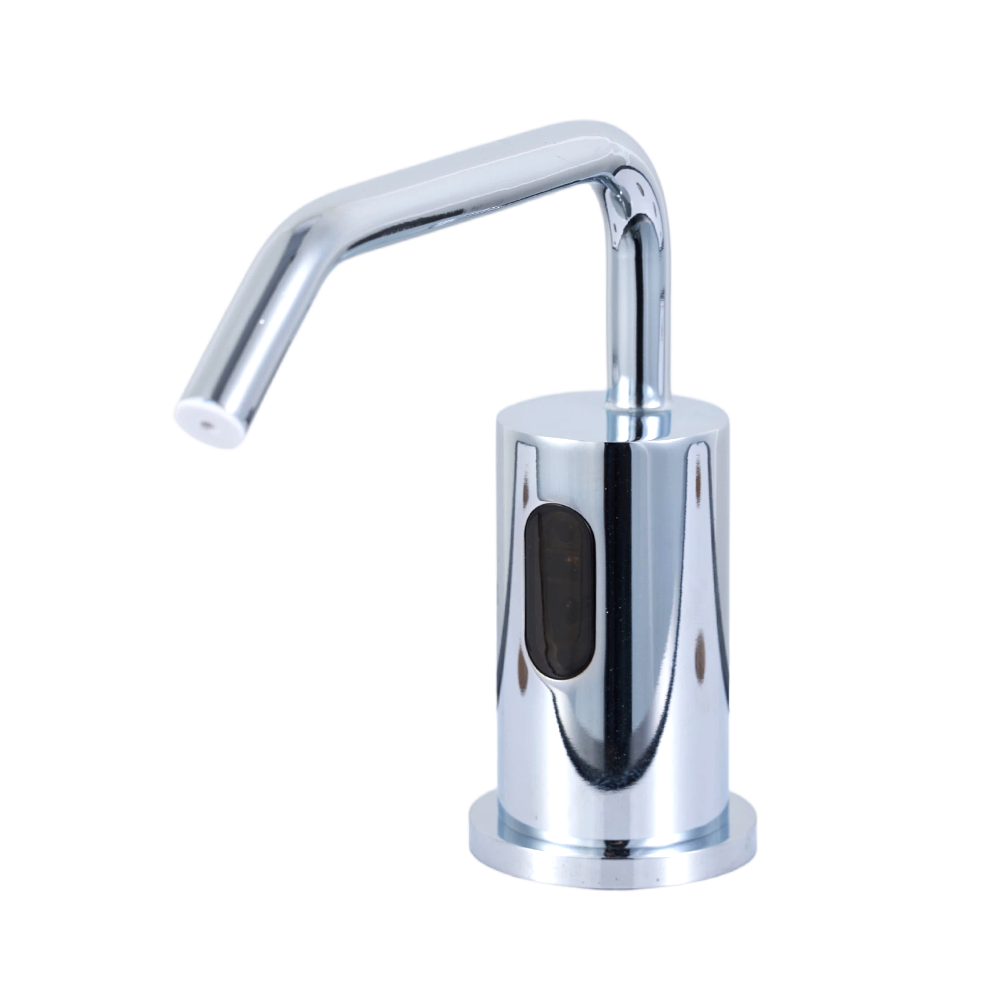
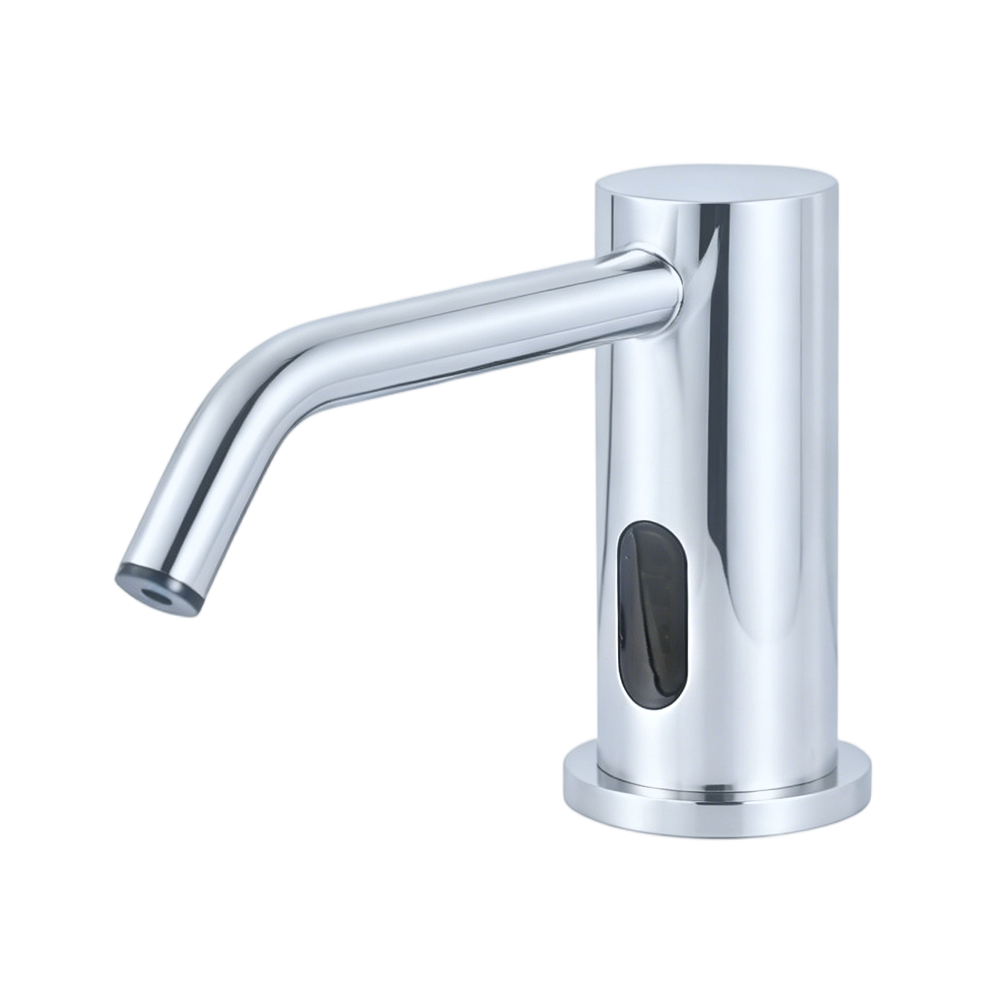
A sensor soap dispenser relies on three cooperating parts: an infrared emitter and receiver, a small control board, and a pump module. The emitter sends a beam outward; when a hand enters the detection zone, reflected light returns to the receiver and triggers the board to run the pump for a set interval.
That interval, usually measured in milliseconds, determines dose size. Because the trigger is optical rather than mechanical, there is no lever to wear out and no surface that users must touch with wet hands, which also reduces the transfer of residue between users.
Detection and Dosing Decisions
Detection range and dose volume are the two settings that shape day-to-day performance. A sensor soap dispenser installed in a compact cubicle may use a narrow detection window to avoid false triggers from passing traffic, while a unit in a busy corridor needs a wider field and a shorter dose to keep queues moving.
Some models allow technicians to adjust both parameters through a control panel or a handheld remote. That flexibility helps when one fixture type is deployed across rooms with different traffic patterns, since the same hardware can be tuned rather than replaced.
Power and Pump Architecture
Most units run on alkaline batteries or a low-voltage mains adapter. Battery life depends heavily on dose frequency and pump design; foam pumps generally draw less power per actuation than liquid pumps because they move a smaller volume of concentrate mixed with air.
A sensor soap dispenser with a peristaltic pump tends to handle thicker liquids more consistently, while diaphragm pumps suit low-viscosity soaps. The choice affects refill intervals and the likelihood of clogging in sites where soap sits unused for long stretches.
Housing and Fluid Path
Housings are typically molded from ABS or polycarbonate, materials chosen for impact resistance and ease of cleaning. The fluid path matters just as much: removable reservoirs and pump assemblies simplify swapping soap types, and sealed cartridges reduce the chance of contamination during refills.
When evaluating a sensor soap dispenser, buyers often compare reservoir capacity against expected daily actuations. A small tank in a high-traffic washroom means frequent service visits, so matching capacity to traffic is a basic planning step rather than an afterthought.
Installation and Placement Factors
Placement influences sensor behavior more than many installers expect. Direct sunlight, reflective surfaces, and nearby hand dryers can all interfere with the infrared beam. A sensor soap dispenser mounted too close to a mirror may trigger repeatedly; mounted too high, it may fail to detect smaller hands.
Spacing guidance from manufacturers usually addresses these cases, and a quick site check before drilling avoids callbacks later. Testing the unit in its intended position before final mounting takes only a few minutes and saves adjustment work afterward.
A Fixture Defined by Its Details
The sensor soap dispenser is a small piece of automation, but its performance rests on optical tuning, pump selection, and thoughtful placement. Teams that treat it as a system rather than a commodity tend to see fewer service calls and steadier operation.
As touchless fixtures spread beyond washrooms into kitchens and clinical areas, that attention to detail becomes a practical advantage rather than a nicety. The device itself is simple; the difference lies in how carefully each element is matched to the setting it serves.
 Previous