

 русский
 عربى

A Tap That Responds to Movement
Turning a handle is a familiar part of using a sink, but sensor-based fittings offer a different experience. An Automatic Tap detects a user's presence and activates water flow without requiring direct contact with a conventional handle. This approach is increasingly visible in public washrooms, commercial buildings, hospitality spaces, and contemporary residential bathrooms.
Although the operation may appear simple, several components work together behind the scenes. Sensors identify movement or presence, a control unit processes the signal, and a valve regulates the flow of water. The design of these components determines how the tap responds during everyday use.
How Sensor Technology Controls Water Flow
Many sensor-operated taps use infrared technology to detect a hand within a designated sensing area. When an object enters that area, the sensor sends a signal to the control system, which activates the valve. Water flows until the user moves away or another control condition stops the flow.
Other designs may use different sensing technologies or activation methods. Detection range, response time, and sensor positioning can vary between models, so an Automatic Tap should be selected according to the installation environment and intended users.
The power supply also affects product configuration. Some models operate with batteries, while others connect to an external power source. The choice depends on the product design and the available installation arrangements.
Why Contactless Operation Matters
One reason businesses choose sensor-operated fittings is the reduced need to touch a handle during handwashing. This can make the washing process more convenient in locations where many people share the same facilities.
In restaurants, office buildings, shopping centres, and transport facilities, an Automatic Tap can also provide a consistent operating method for different users. People simply place their hands within the sensing area rather than learning how to operate an unfamiliar handle.
However, contactless operation does not remove the need for proper handwashing. Users still need to apply soap, rub their hands thoroughly, and rinse them as appropriate.
Where Automatic Taps Are Commonly Used
Different buildings have different requirements for sink fittings. Traffic levels, basin dimensions, water connections, and interior design can all influence product selection.
Common applications include:
- Public washrooms: Supporting frequent use in shopping centres, stations, and entertainment venues.
- Hotels and restaurants: Matching modern bathroom designs and shared guest facilities.
- Office buildings: Providing sensor-based water control in employee and visitor washrooms.
- Healthcare facilities: Offering contactless operation in suitable handwashing areas.
- Residential bathrooms: Adding sensor activation to selected household sinks.
An Automatic Tap designed for a busy commercial washroom may have different flow settings, dimensions, or power arrangements from a model intended for a private bathroom.
Design Features Beyond the Sensor
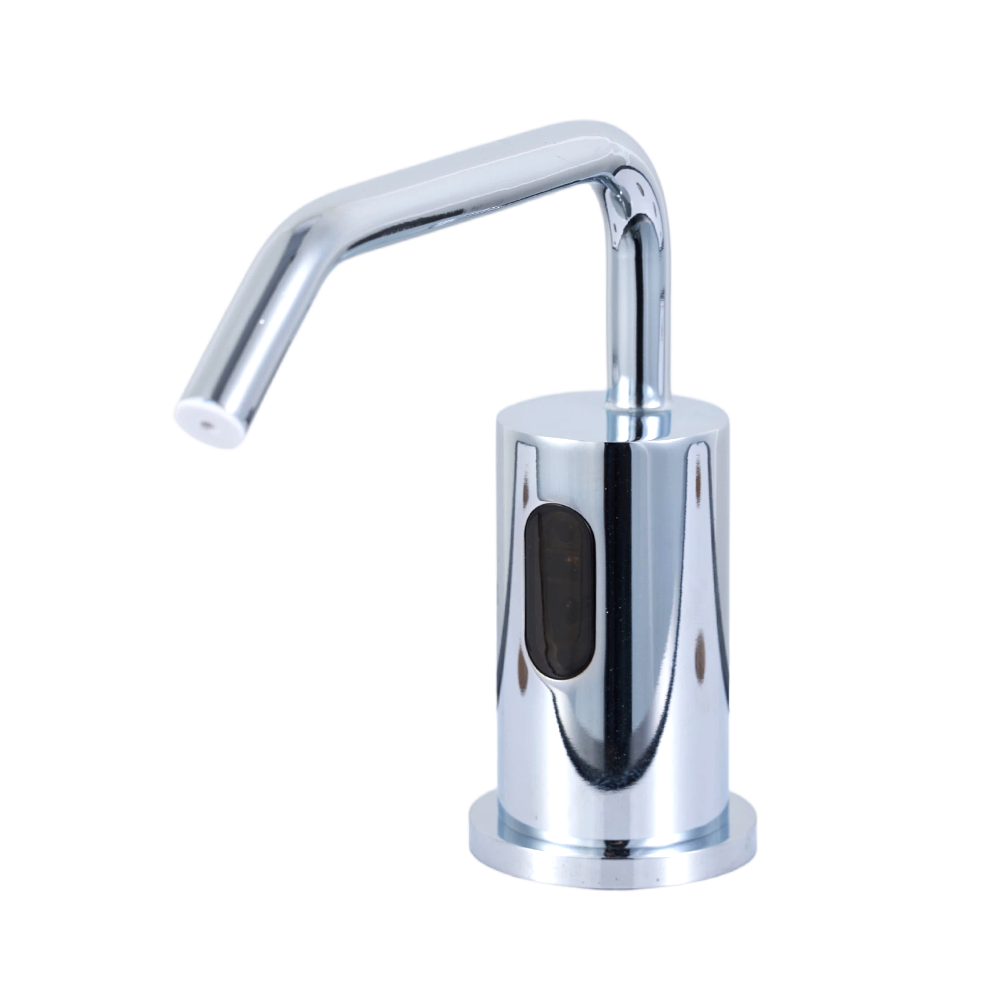
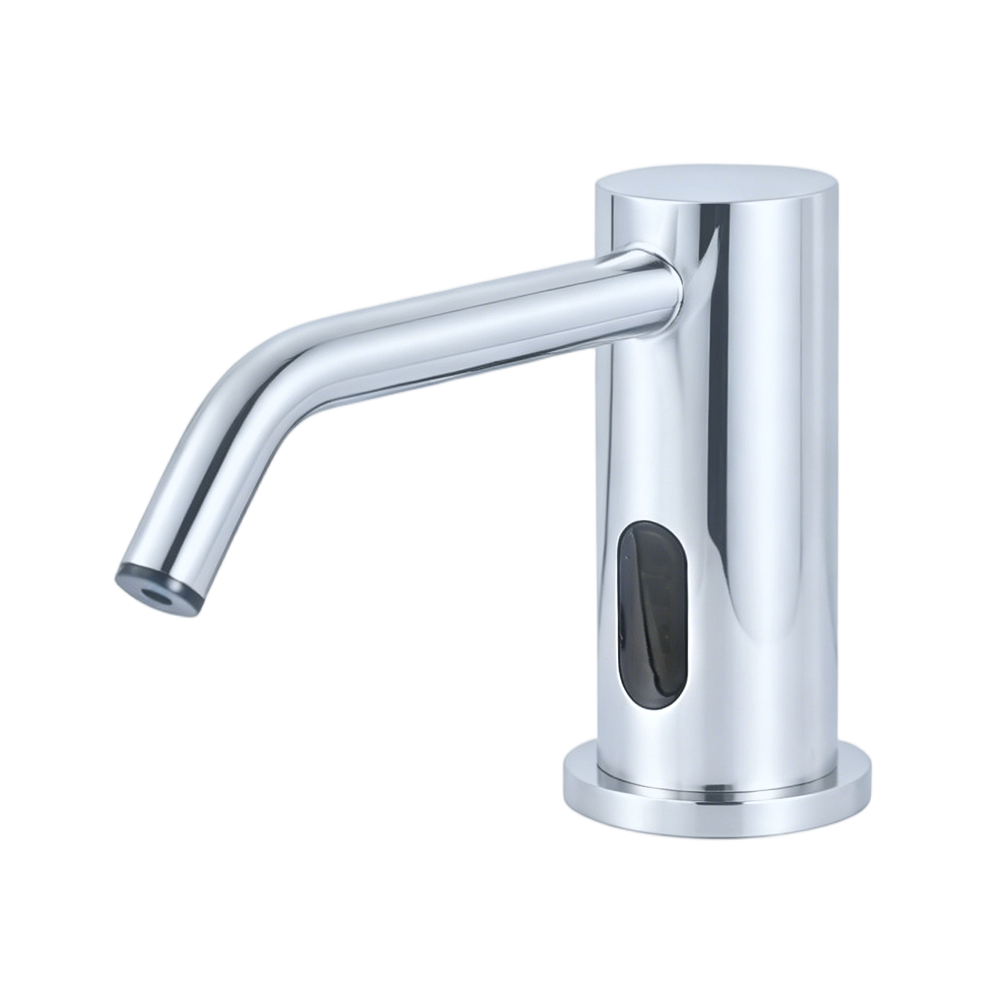
Sensor technology is only one part of the product. Spout height, reach, body shape, finish, and installation method also affect how a tap fits into a sink area.
A high spout may provide more room for washing hands or filling a container, while a compact design may suit a smaller basin. The spout's reach should align with the basin to reduce splashing during normal use.
Finishes such as chrome, brushed metal, or matte surfaces can also influence the appearance of the installation. When choosing an Automatic Tap, buyers should consider how the product's dimensions and finish work with the basin, countertop, and surrounding fittings.
 Previous