· Sep 10, 2026
Smart Faucets Are Becoming More Technical
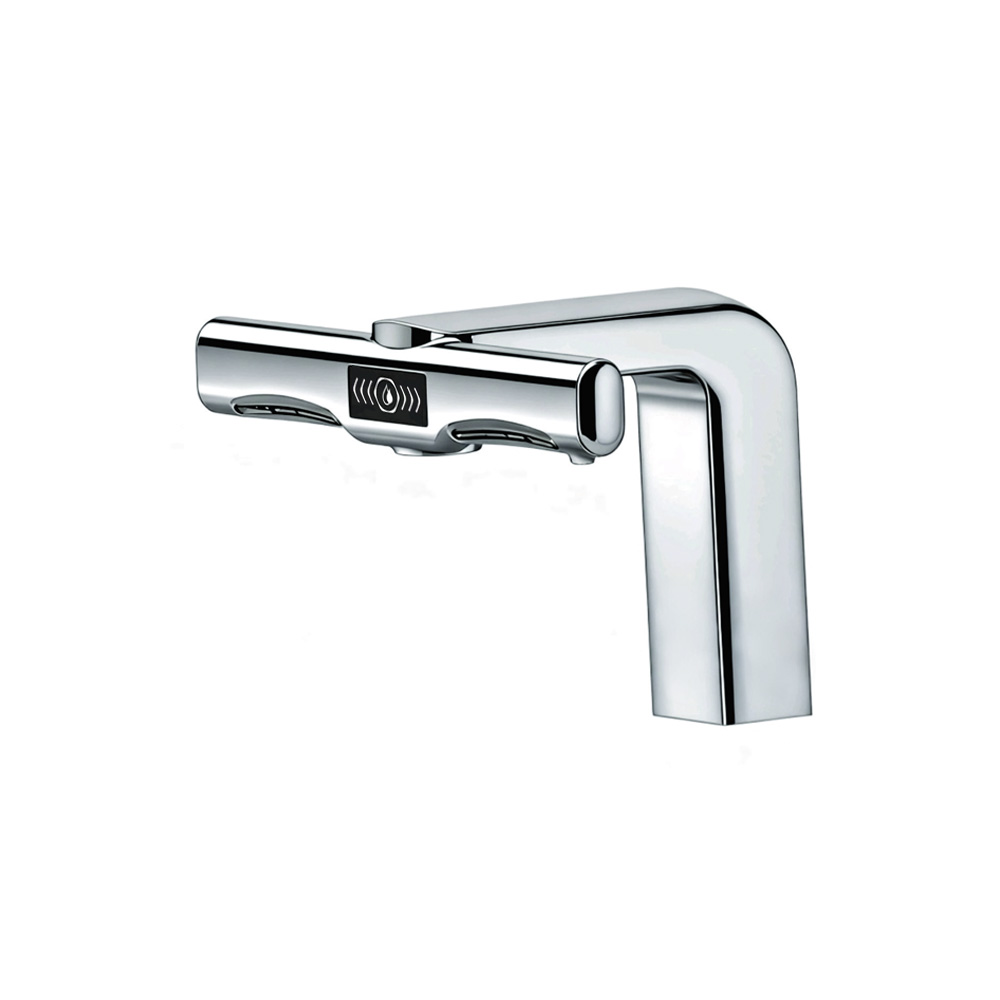
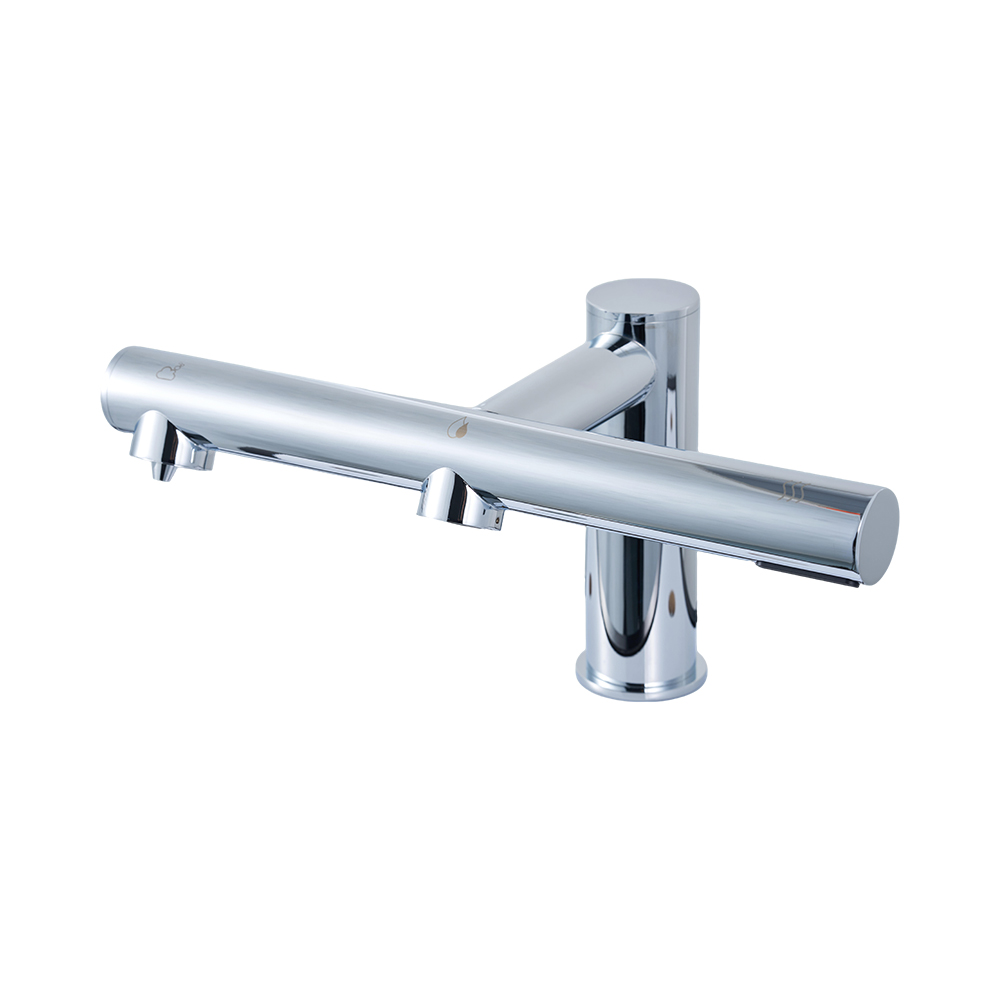
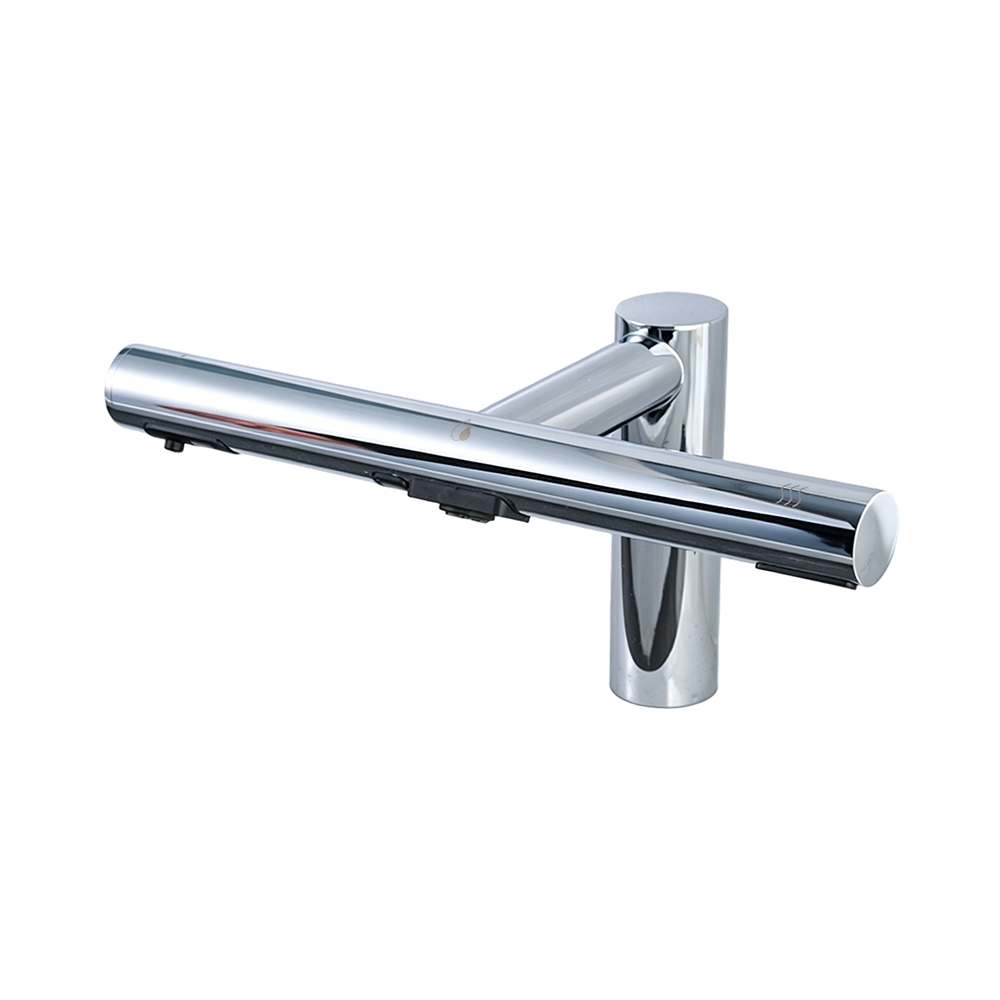
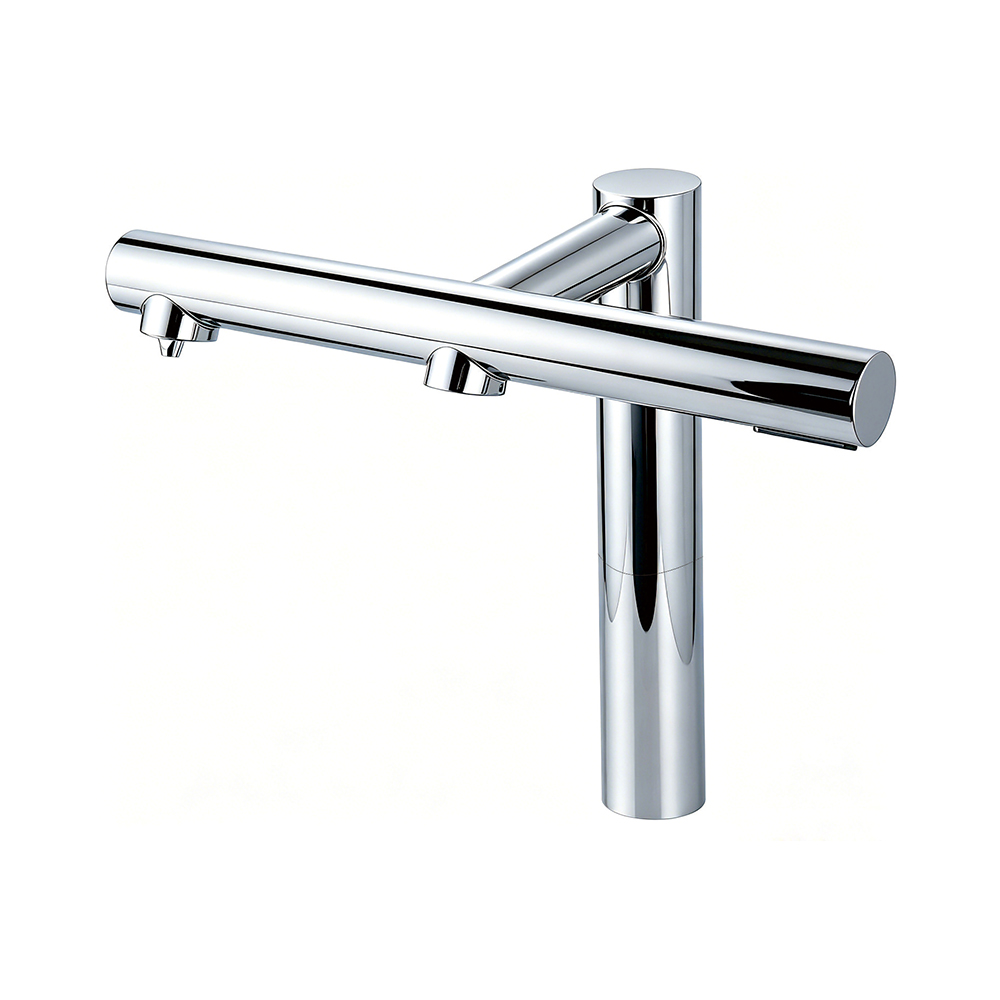
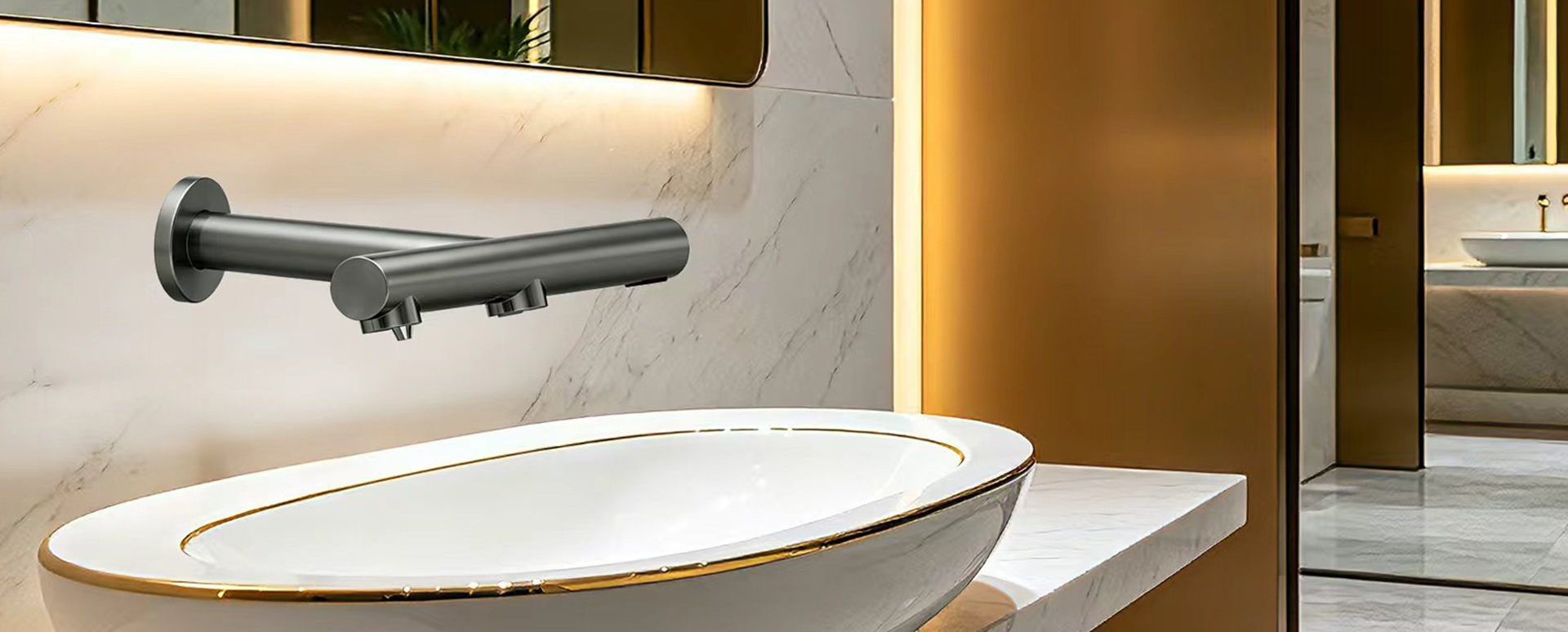
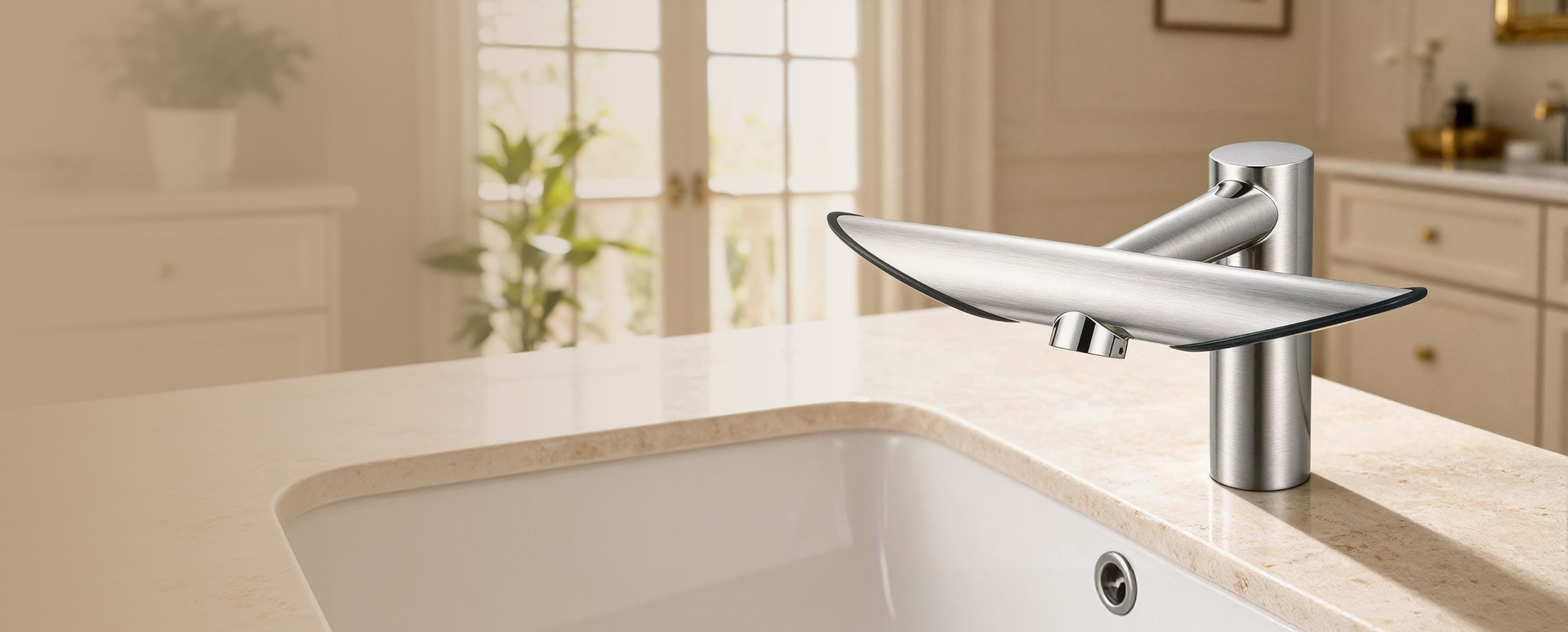
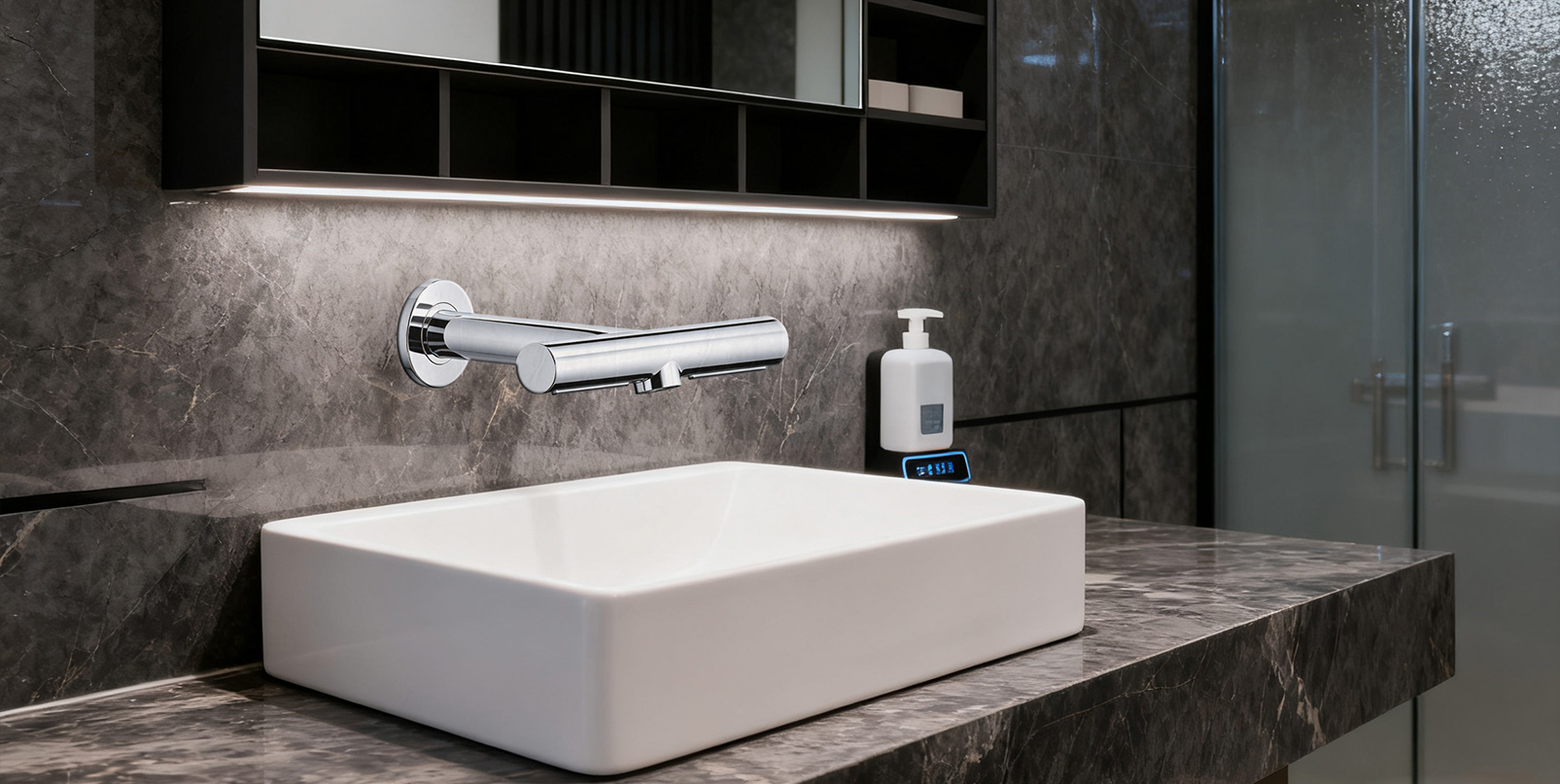
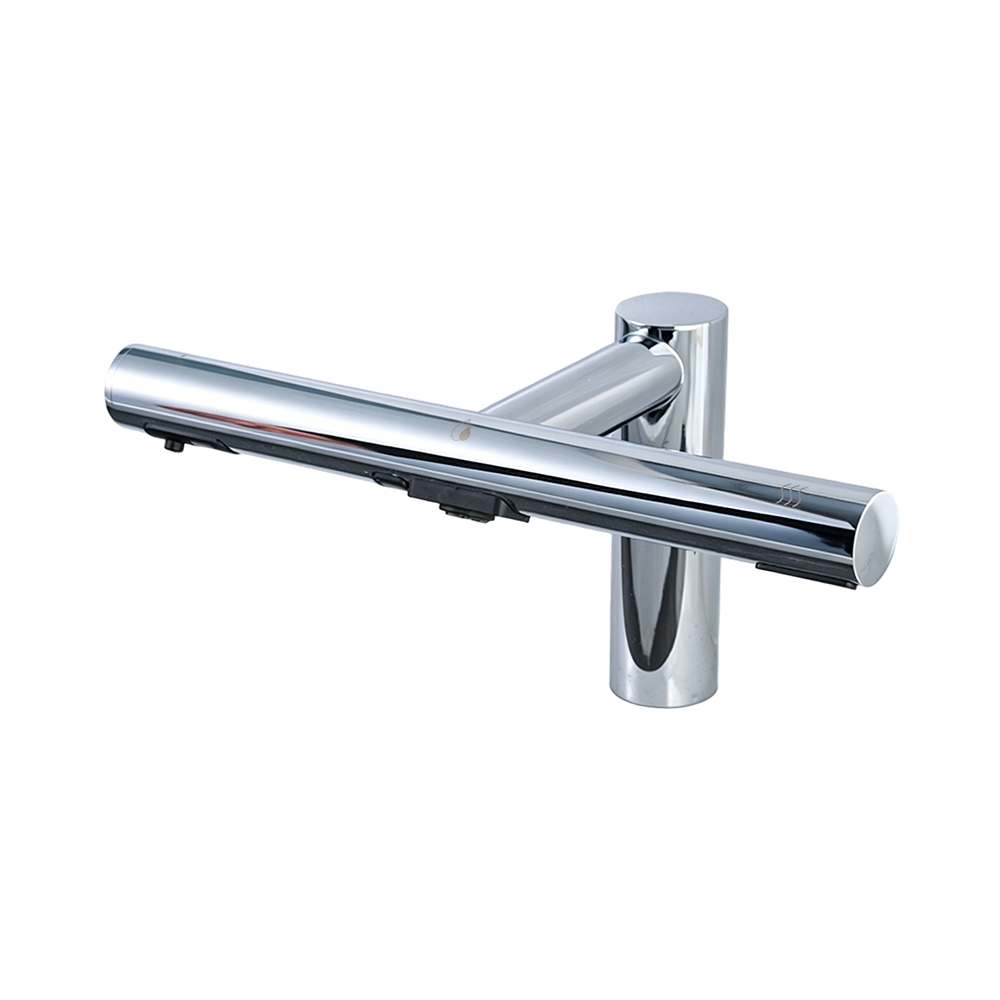
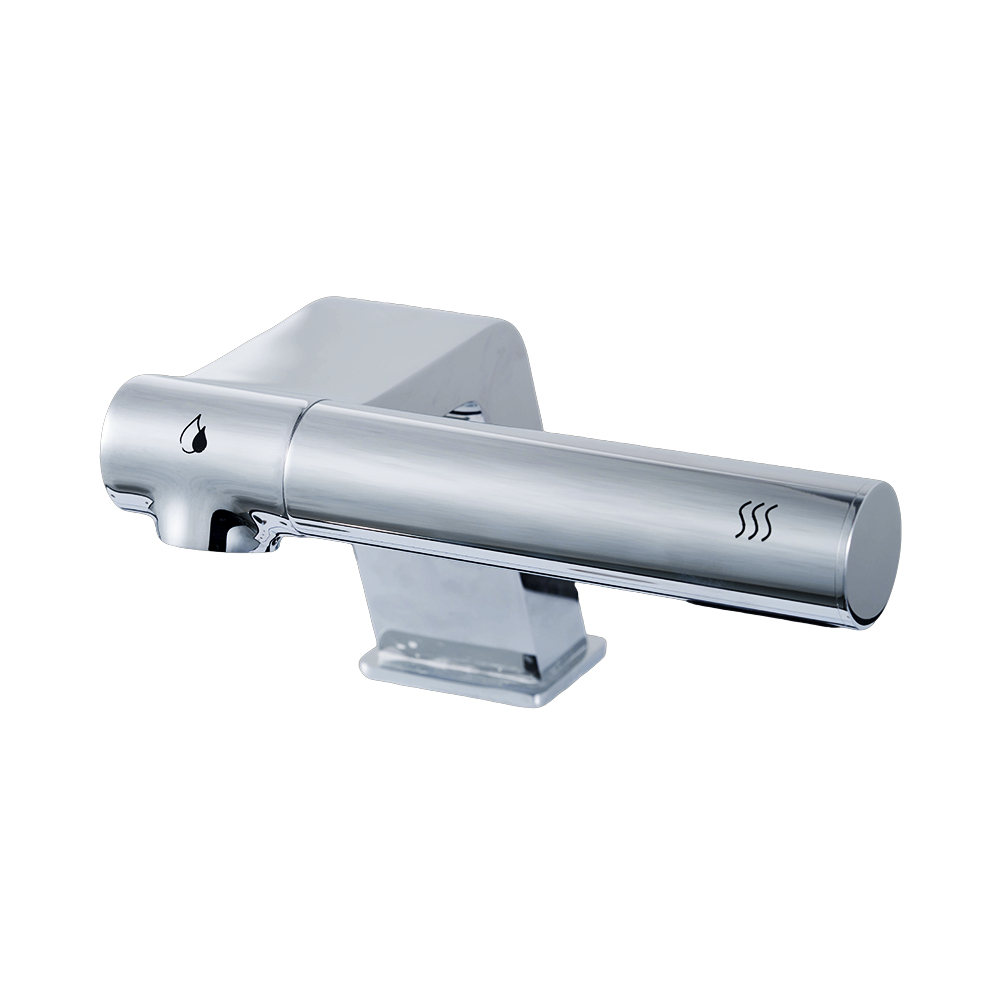
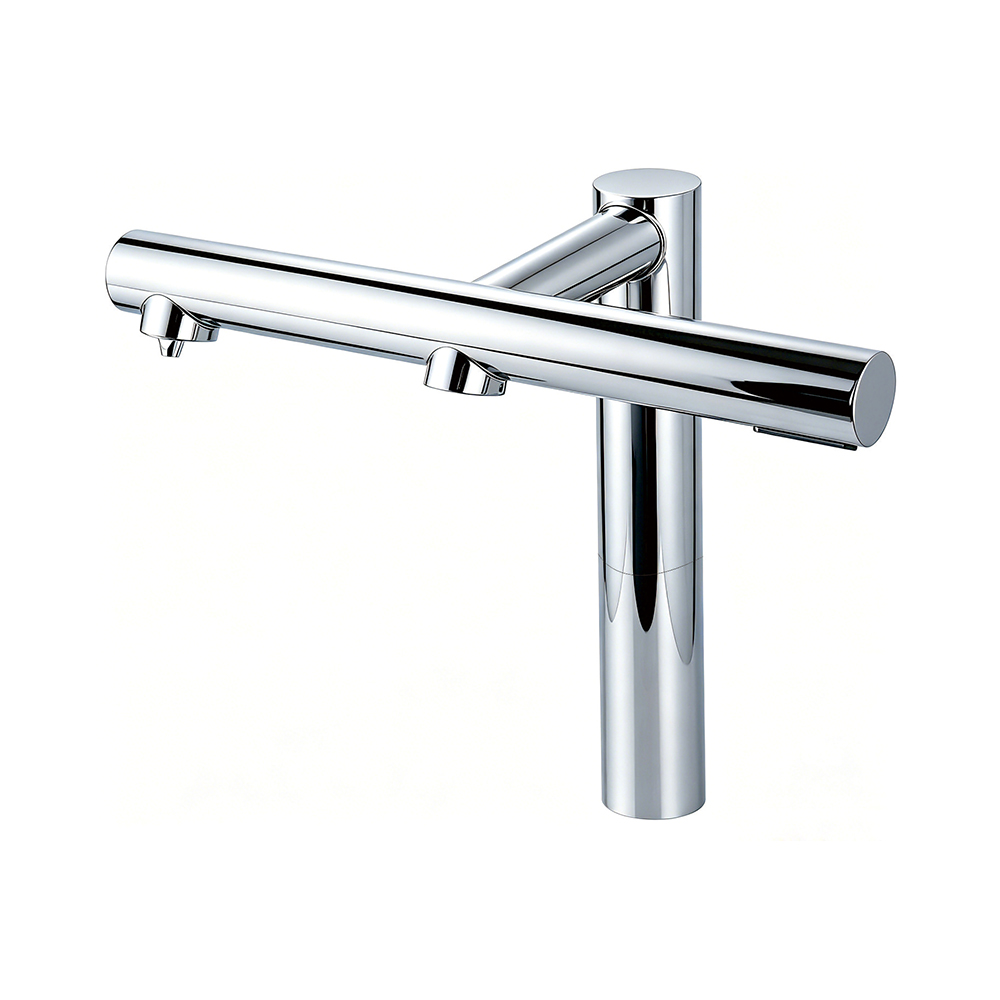
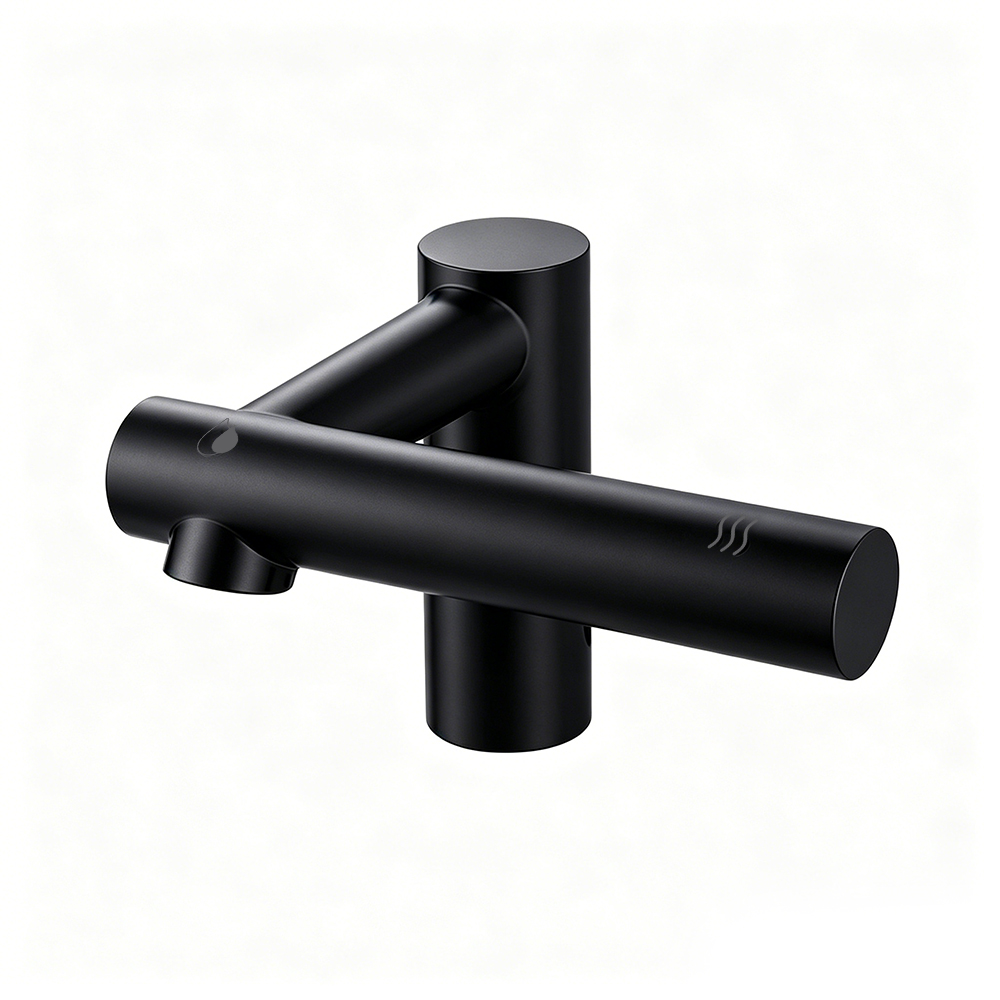
The Smart Faucet is moving from a simple touch-free fixture toward a more integrated water control product. Modern designs can combine sensors, electronic valves, control boards, and adjustable water settings inside one compact structure. This shift is creating new possibilities for manufacturers, distributors, and project suppliers that serve commercial and public-use spaces.
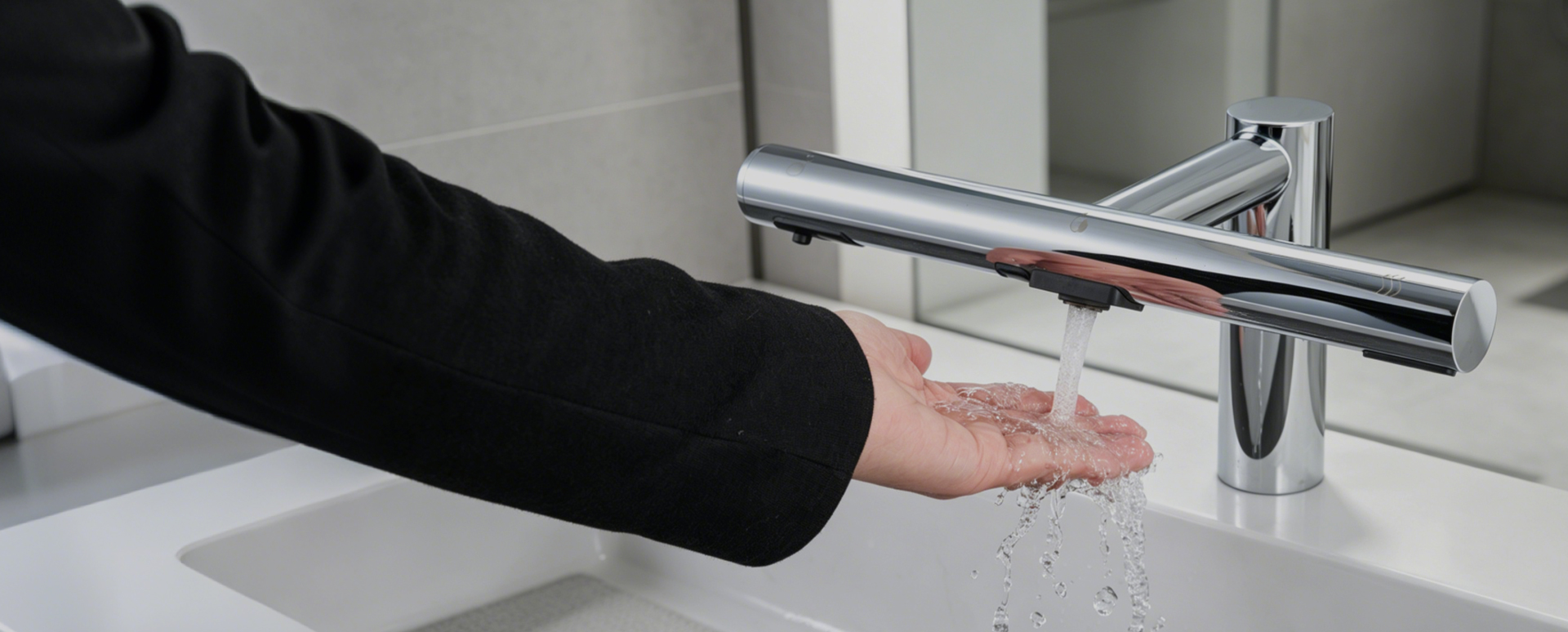
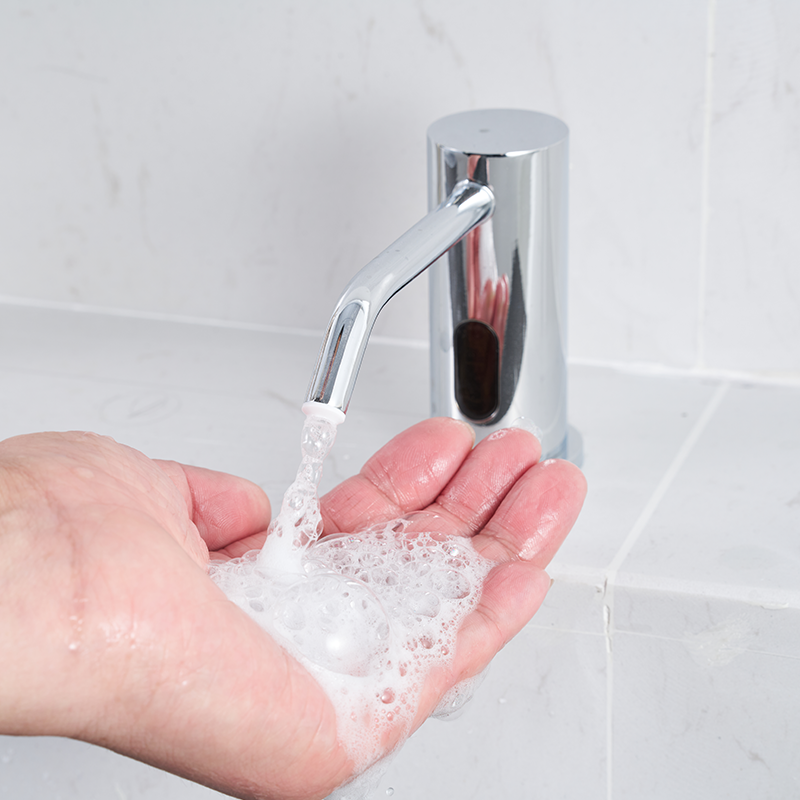
Unlike a conventional faucet, a smart model can detect user activity and respond without requiring direct contact with the handle. Depending on the design, the system may use infrared sensing, capacitive detection, or other electronic input methods. The basic idea is straightforward: detect an action, process the signal, then control water flow.
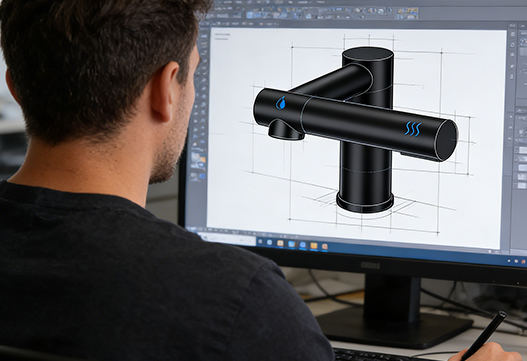
For manufacturers, this means faucet production is no longer limited to metal forming, machining, surface treatment, and assembly. Electronic components have become an important part of product development.
Sensor Position Affects Product Performance
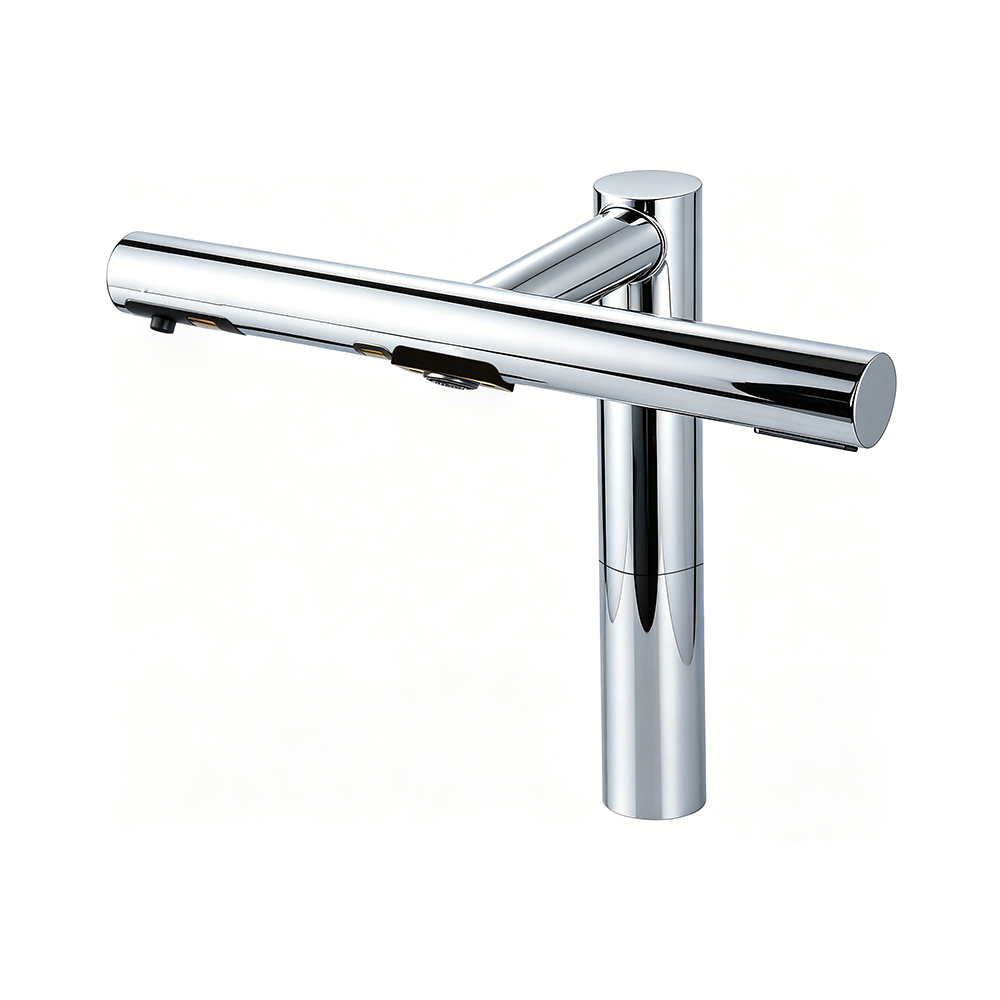
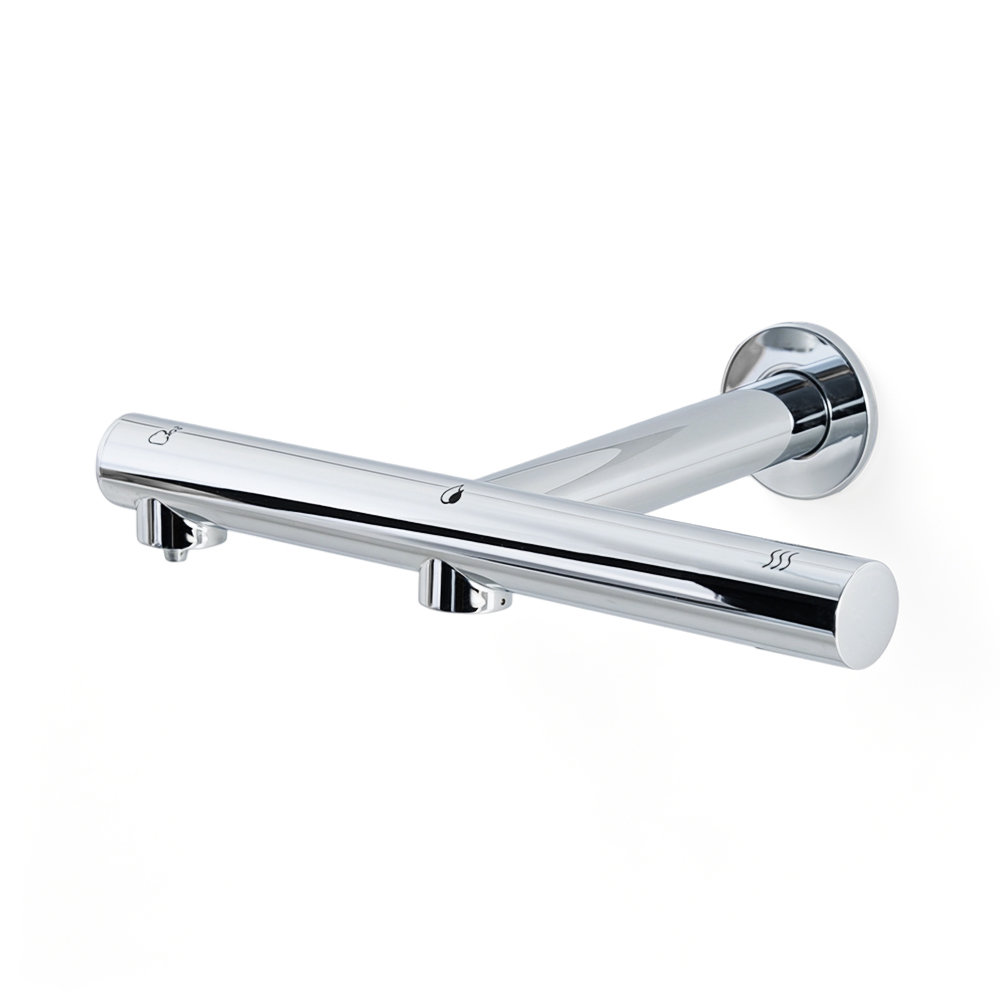
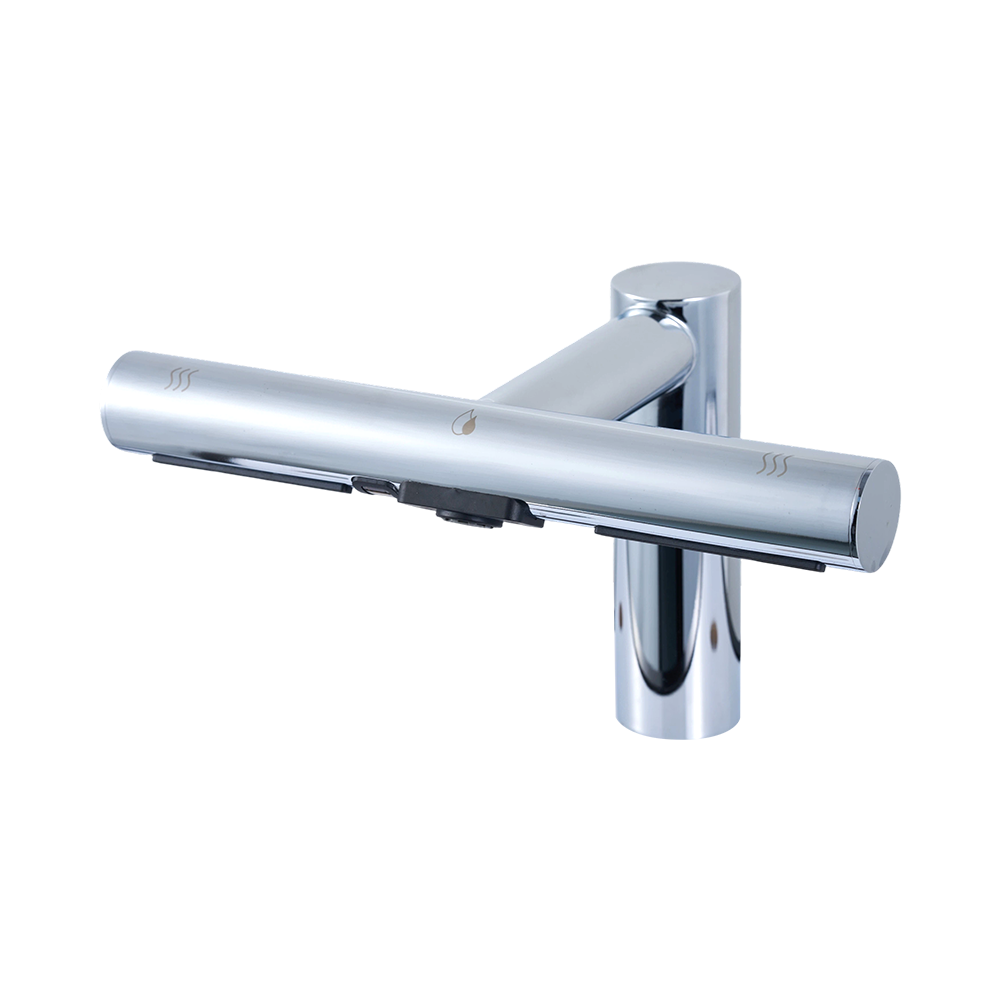
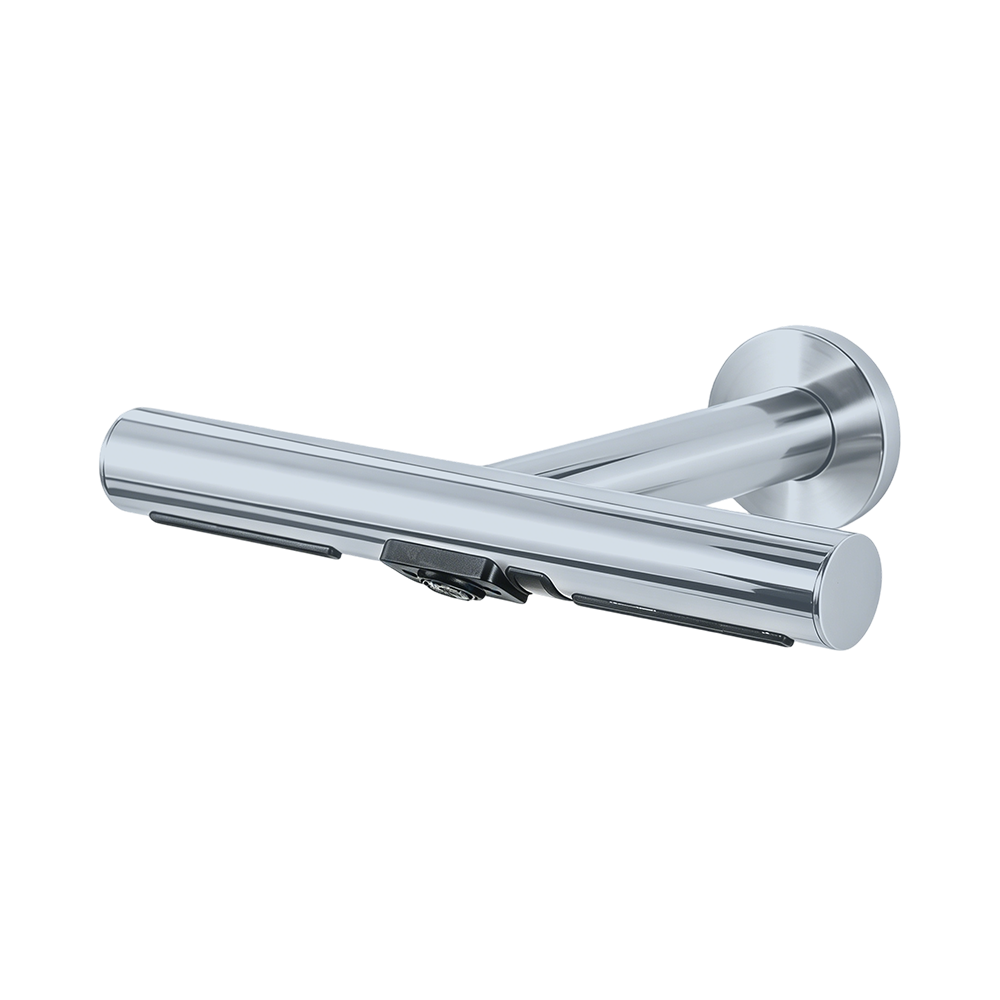
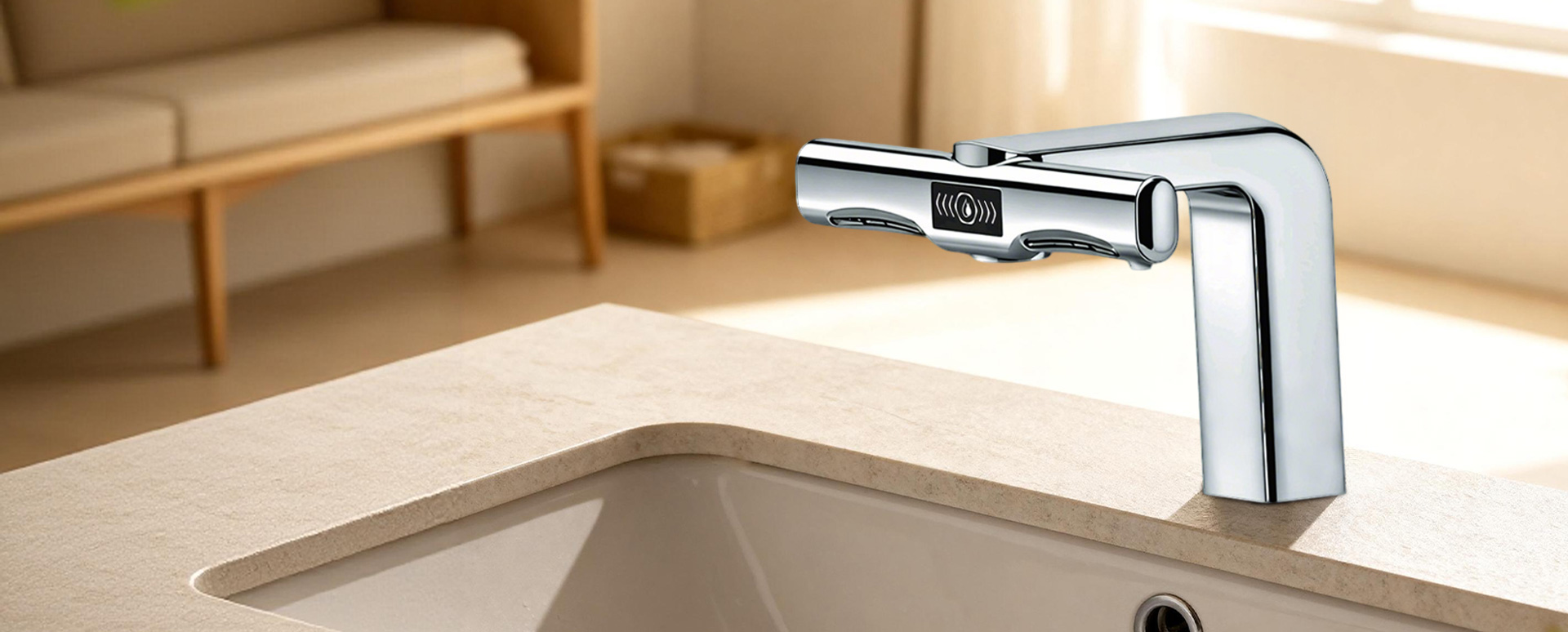
Sensor placement is one of the details that can influence how a Smart Faucet operates. A sensor that sits too close to the water outlet may receive unwanted interference from splashing water. A sensor positioned too far away may create a slower or less intuitive response.
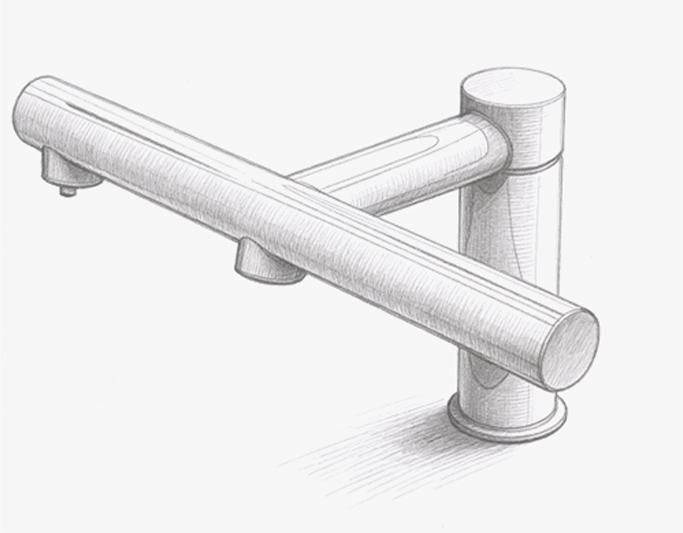
Manufacturers therefore need to consider the relationship between the sensing area, spout structure, water outlet, and installation environment. The housing also needs to provide enough space for electronic components without making the faucet unnecessarily bulky.
Different commercial applications can require different sensing ranges. A faucet designed for a busy washroom may use a different detection strategy from one intended for a hotel, healthcare facility, office building, or food-service area.
This makes sensor integration an important part of the product engineering process rather than simply an additional feature.
Electronic Valves Change Water Flow Control
Another important component inside a Smart Faucet is the electronic valve. Instead of relying entirely on mechanical movement, the valve can receive an electrical signal from the control system and open or close the water passage.
This structure allows manufacturers to coordinate several functions within one system. The sensor detects activity, the control board processes the signal, and the valve responds to the command.
The result is a more structured water-control process.
For commercial projects, this architecture can also make product configurations easier to customize. Different faucet models may use different sensor modules, valve structures, power arrangements, or control settings according to installation requirements.
Manufacturers working on multiple product series can therefore design platforms that share certain electronic components while using different external faucet structures.
Material Selection Still Matters
Although electronic functions receive considerable attention, the physical construction of a Smart Faucet remains important. Brass, stainless steel, engineering plastics, and other materials can be used for different components depending on the product structure.
The outer body needs to accommodate internal electronics, wiring, valves, and water channels. At the same time, the design must maintain a clean appearance suitable for commercial spaces.
For suppliers, material selection can also affect machining processes and assembly methods. A metal body may require precision machining and additional finishing processes, whereas polymer components can be produced using injection molding.
This combination of mechanical and electronic manufacturing makes the Smart Faucet an interesting product category for factories that already have experience across several production processes.
Smart Faucets Fit Different Commercial Settings
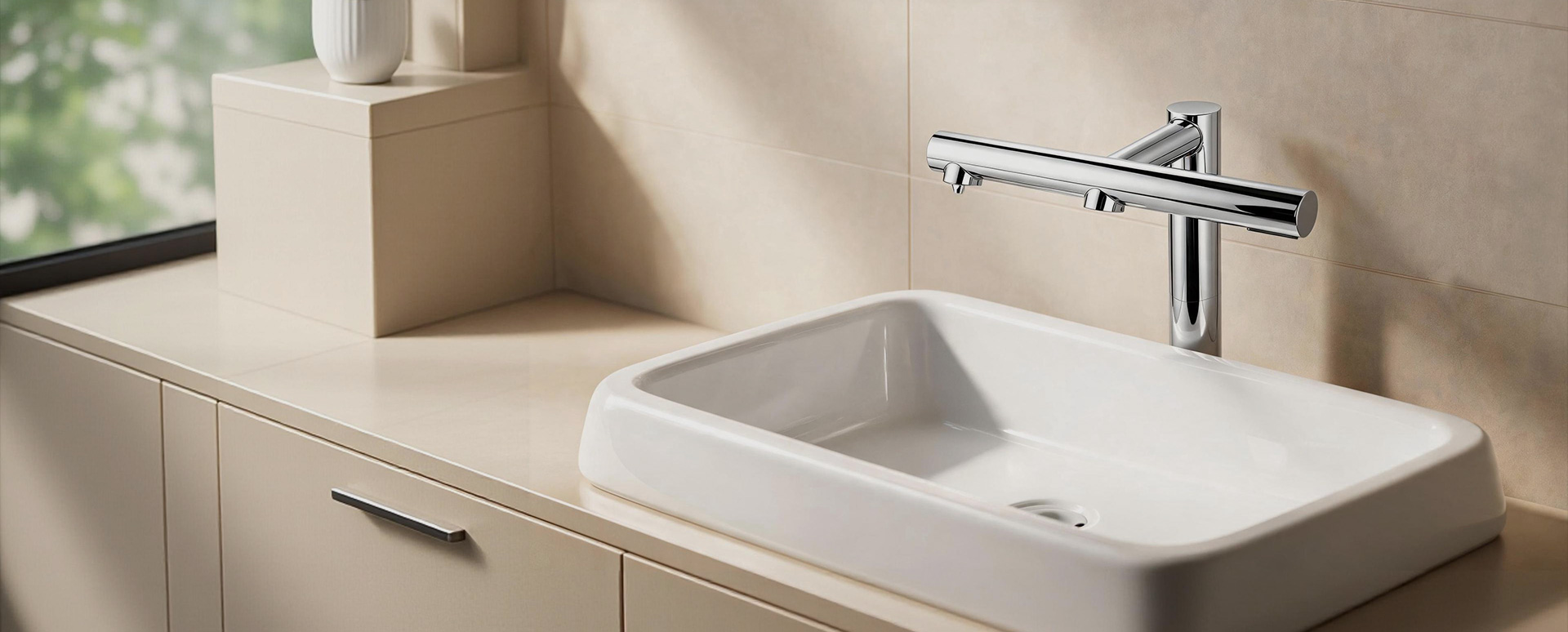
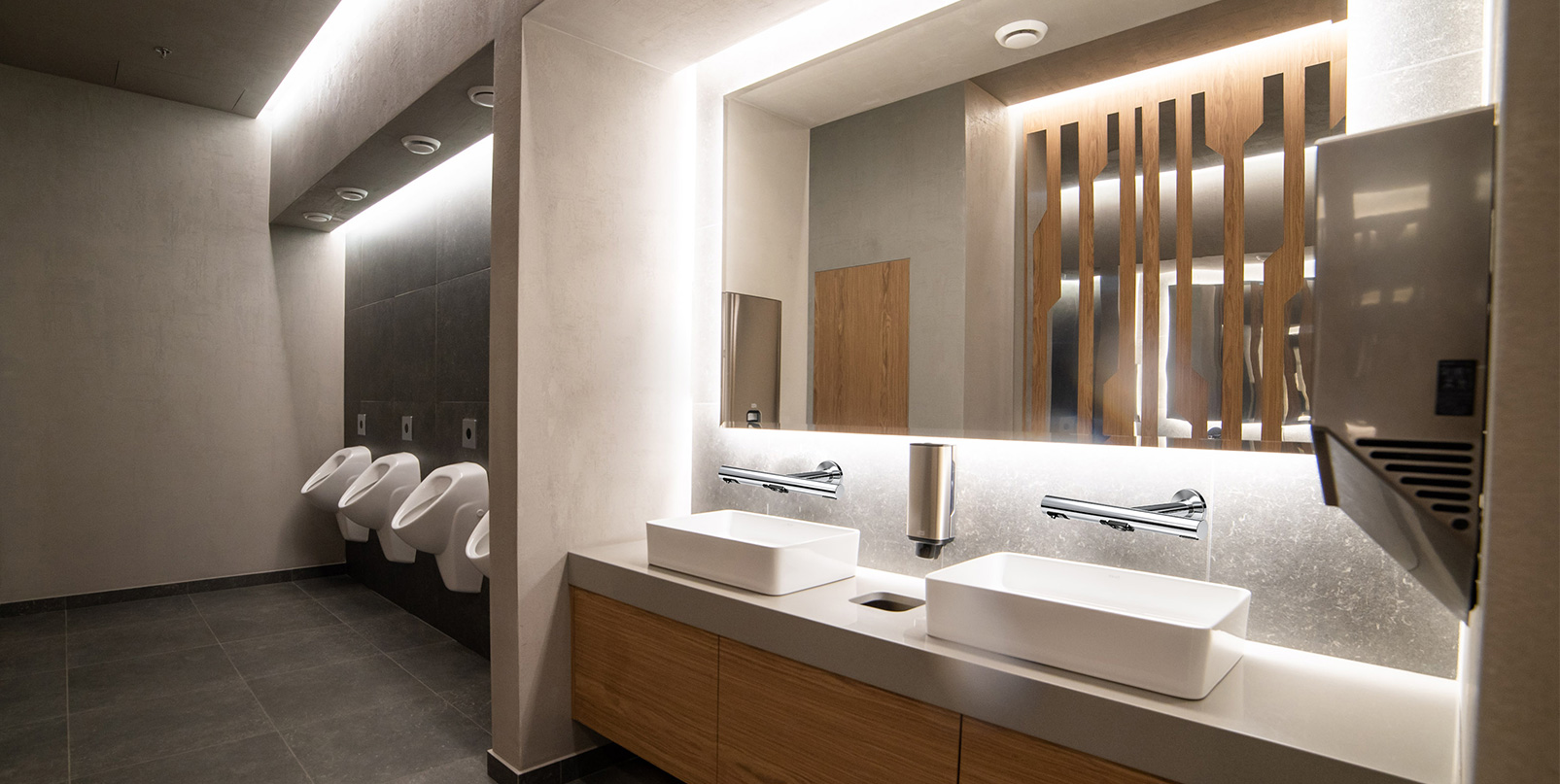
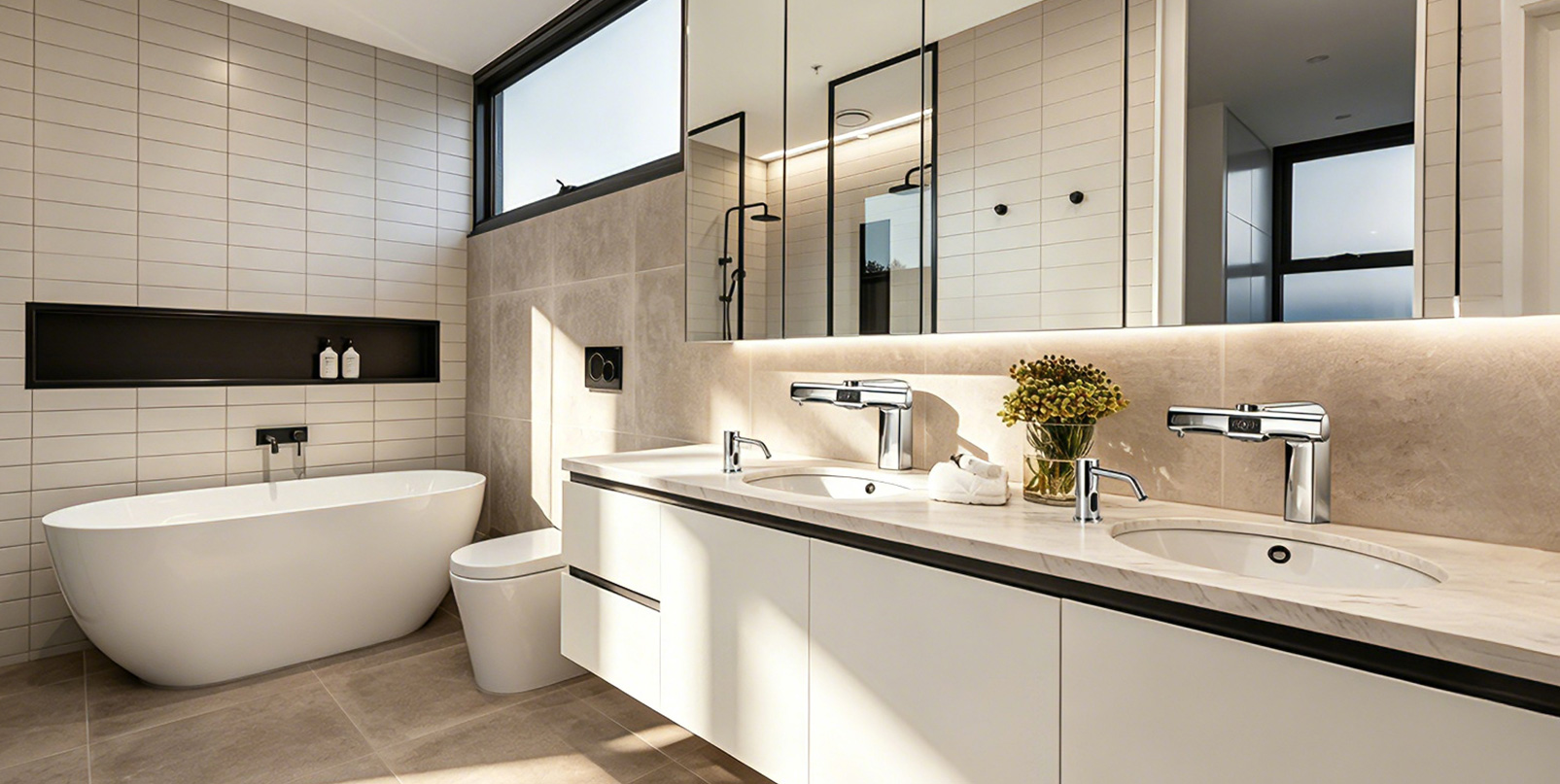
The application range of the Smart Faucet is expanding across commercial environments. Hotels, office buildings, shopping centers, airports, healthcare facilities, restaurants, and other public-use locations can require touch-free or electronically controlled water fixtures.
The requirements are not identical across these locations. A hotel may focus on appearance and user experience. An office project may place greater attention on straightforward operation across many installations. A healthcare-related project may require touch-free operation as part of its overall facility design. Food-service environments can have their own installation and workflow considerations.
This variety gives manufacturers room to develop different faucet structures instead of producing one standardized product for every market.
Read More



 русский
 عربى
عربى