

 русский
 عربى
عربى
A Quiet Shift in Public Washrooms
Walk through any airport, hospital lobby, or office building built in the last few years and the pattern repeats itself. Traditional handle faucets are being swapped out, one renovation at a time, for touchless versions. Facility managers aren't chasing a trend so much as solving a practical problem: fewer surfaces touched, less water left running, fewer callbacks for dripping valves. A sensor faucet answers all three at once, which is part of why it keeps showing up on procurement lists for buildings that see heavy foot traffic.
What's Actually Inside One
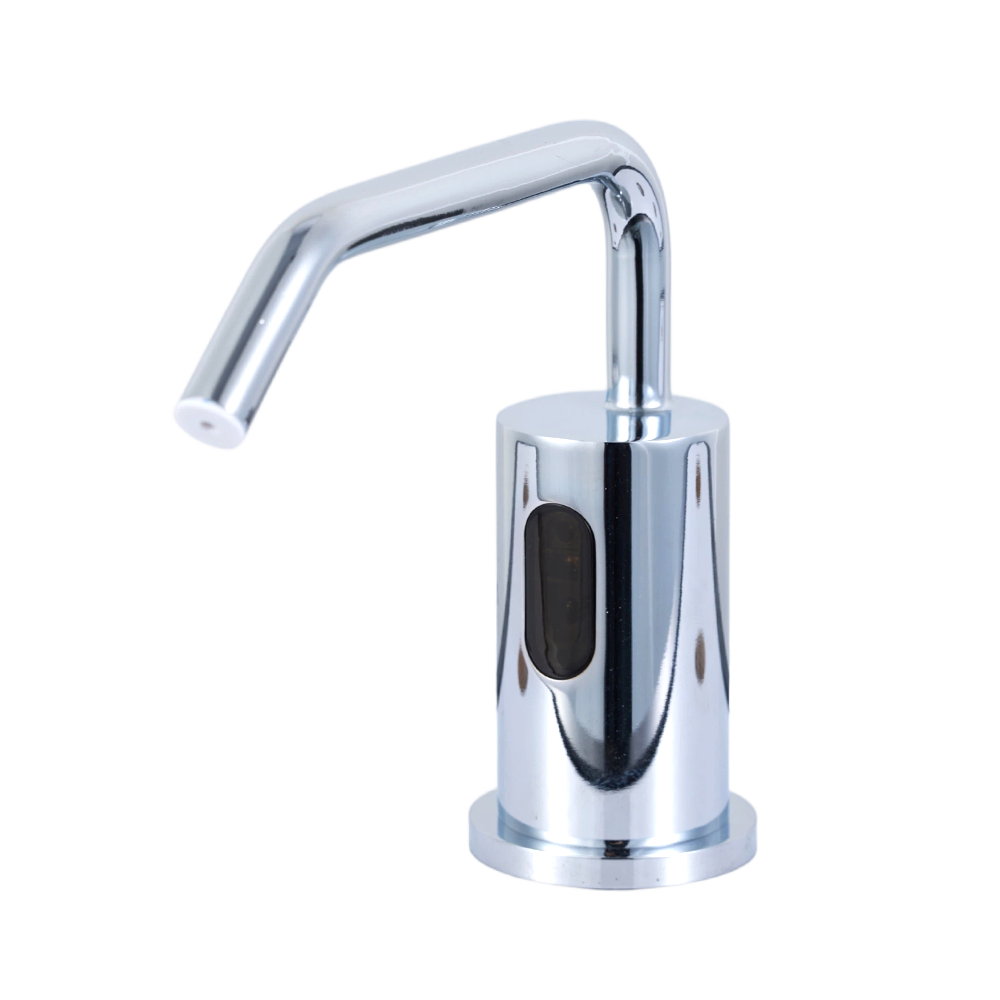
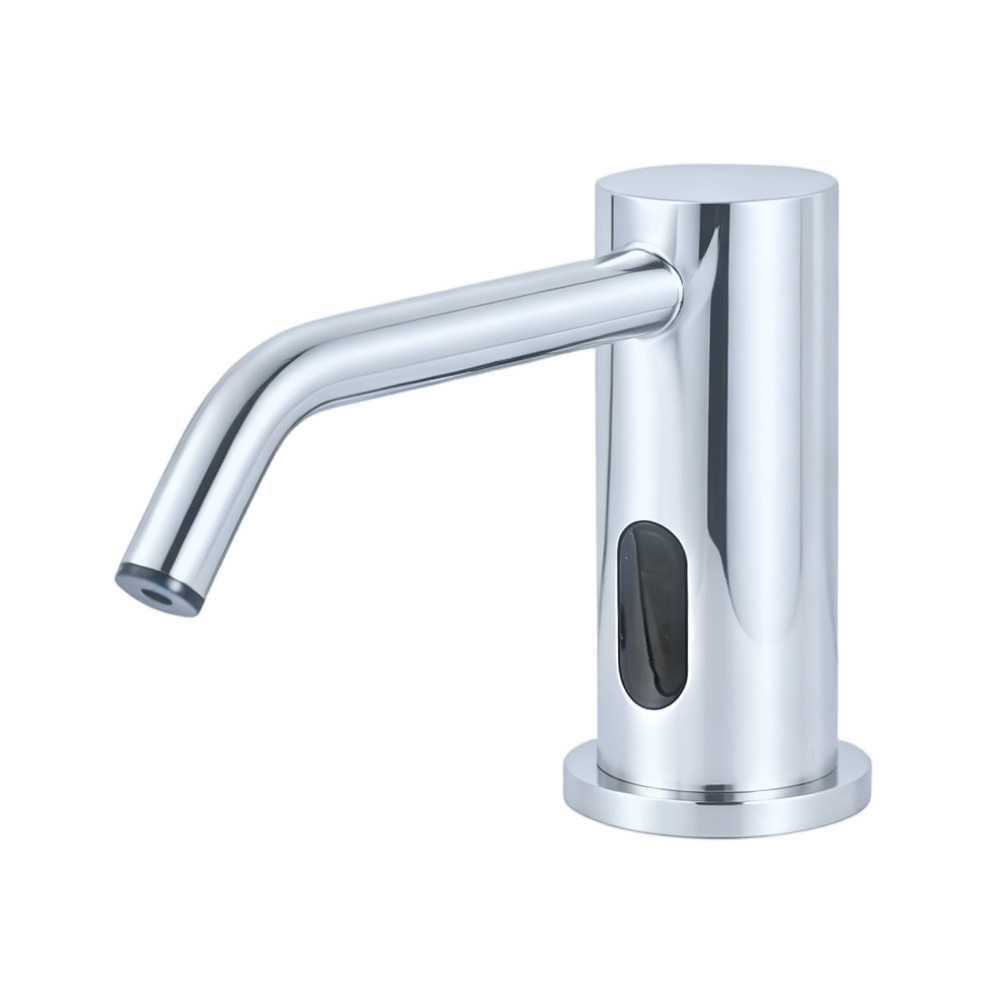
Strip away the finish and a sensor faucet is a fairly simple system working together:
- An infrared sensor near the spout that detects motion
- A solenoid valve that opens and closes the water line
- A small power source — battery, plug-in adapter, or sometimes a built-in generator turned by the water flow itself
- A control board that sets sensitivity range and shut-off timing
None of these parts are exotic. What matters to buyers is how consistently they work together across thousands of daily cycles, in washrooms that rarely get gentle treatment.
Where the Orders Are Coming From
Hospitality and healthcare account for a large share of current demand, but they're no longer the only ones asking. Office building managers want a faucet that doesn't need a maintenance log for handle repairs. School districts are drawn to the reduced physical contact. Even mid-range apartment developments have started specifying sensor faucets for shared laundry rooms and lobby restrooms, not just five-star properties.
Procurement teams sourcing a sensor faucet tend to ask about a fairly narrow set of things: sensor range (how far a hand needs to be to trigger flow), response delay, compatibility with standard countertop cutouts, and whether the unit ships with the mounting hardware already included. Buyers sourcing for hotel chains or large facility groups often want:
- Confirmation of standard inlet thread sizes for easy retrofit
- Battery life expectations under continuous daily use
- Finish options that match existing fixture lines in a property
Sourcing teams working across regions also pay close attention to voltage compatibility, since a sensor faucet built for one power standard won't necessarily work cleanly in another market without adjustment.
Fitting Into Existing Plumbing
One question that comes up constantly from buyers renovating rather than building new: does a sensor faucet require ripping out the existing plumbing? Generally, no. Most models are designed to connect to standard supply lines, which means a retrofit project can swap a manual faucet for a sensor faucet without touching the wall behind it. That single detail — drop-in compatibility — often decides whether a facility manager greenlights the switch across an entire building at once, rather than testing it in one washroom first.
Installation still requires attention to detail. Sensor placement affects how the faucet reads hand movement; mount it too close to a mirror or a shiny countertop and reflections can cause false triggers. Buyers sourcing at volume sometimes request adjustable sensitivity settings specifically to handle these variable installation environments across different property types.
Why Buyers Keep Coming Back to This Category
There's a simple reason the sensor faucet category hasn't slowed down: it solves a problem people notice every day. Anyone who's used a public restroom has, at some point, avoided touching a faucet handle with a paper towel or their sleeve. A sensor faucet removes that hesitation entirely. For property owners, that translates into a fixture that guests and tenants actually appreciate using, not just one that meets a spec sheet.
For manufacturers and distributors, the appeal is just as practical. It's a product category with steady, broad-based demand across commercial sectors, straightforward technical requirements, and enough variation in finish, mounting style, and sensor type to serve very different buyers from a single production line. A sensor faucet isn't a flashy upgrade — it's a fixture doing its job quietly, which is precisely the point.
 Previous