

 русский
 عربى

How Restroom Layout Shapes Equipment Choices
In commercial buildings, restroom equipment needs to fit the space, expected visitor flow, and daily operating requirements. Shopping centers, office buildings, hotels, transport hubs, and industrial facilities may all have different expectations for hand-drying equipment. For project contractors and distributors, choosing a Hand Dryer involves more than comparing appearance or installation dimensions.
The equipment needs to work with the restroom layout, available wall space, electrical supply, and expected frequency of use. A compact unit may suit a small office restroom, while a busy public facility may require equipment designed for repeated use throughout the day.
Different Designs for Different Commercial Spaces
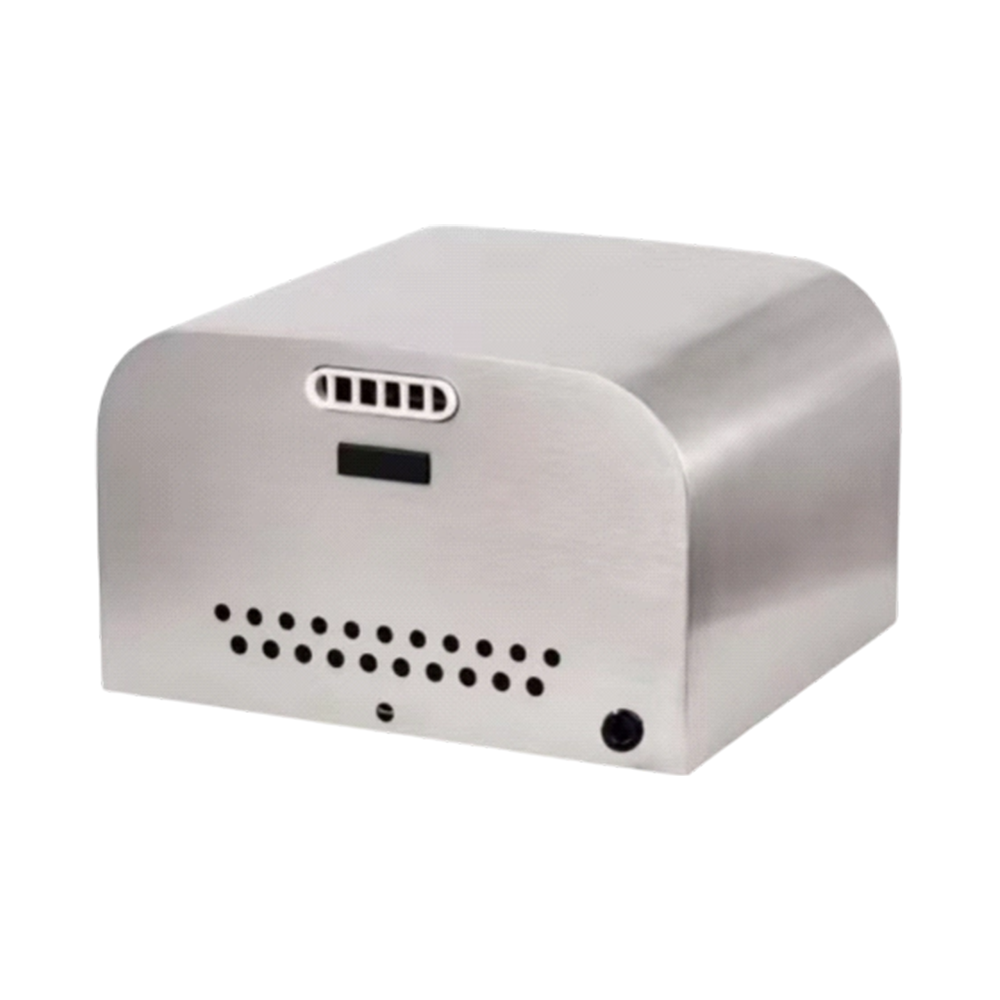
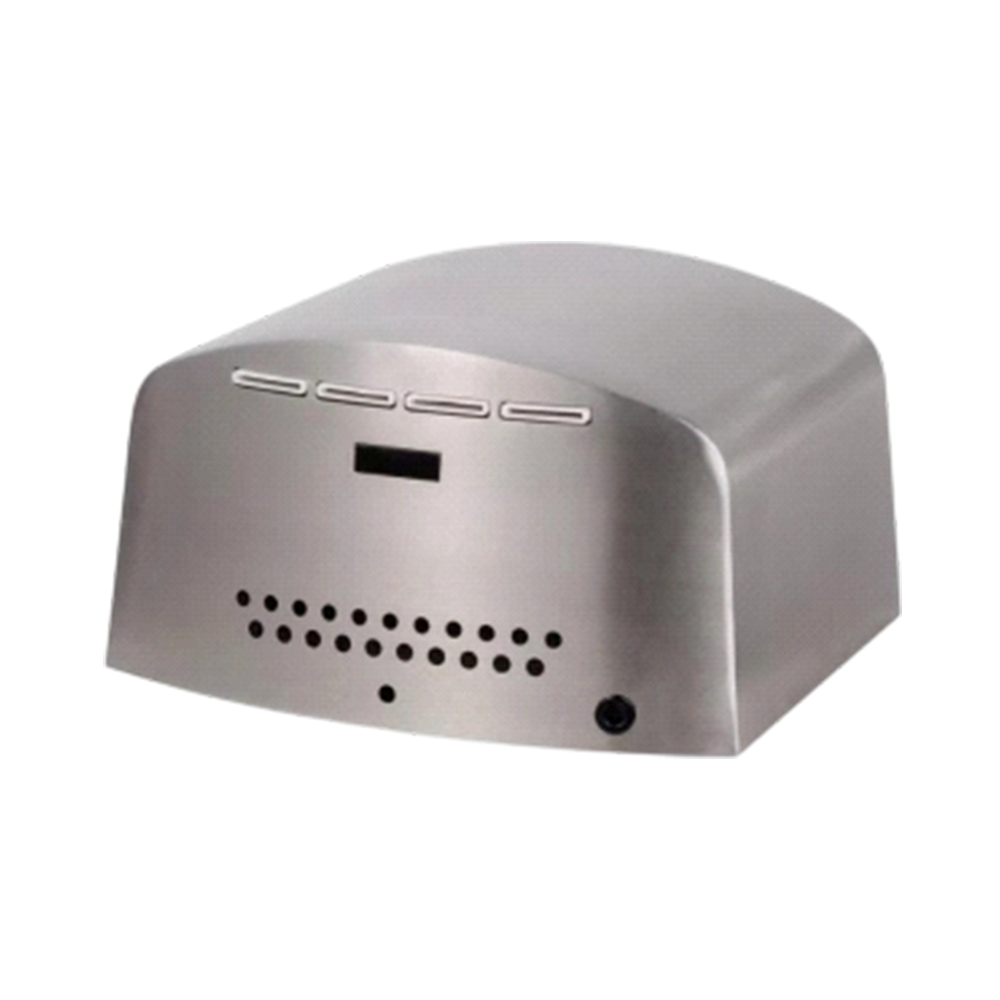
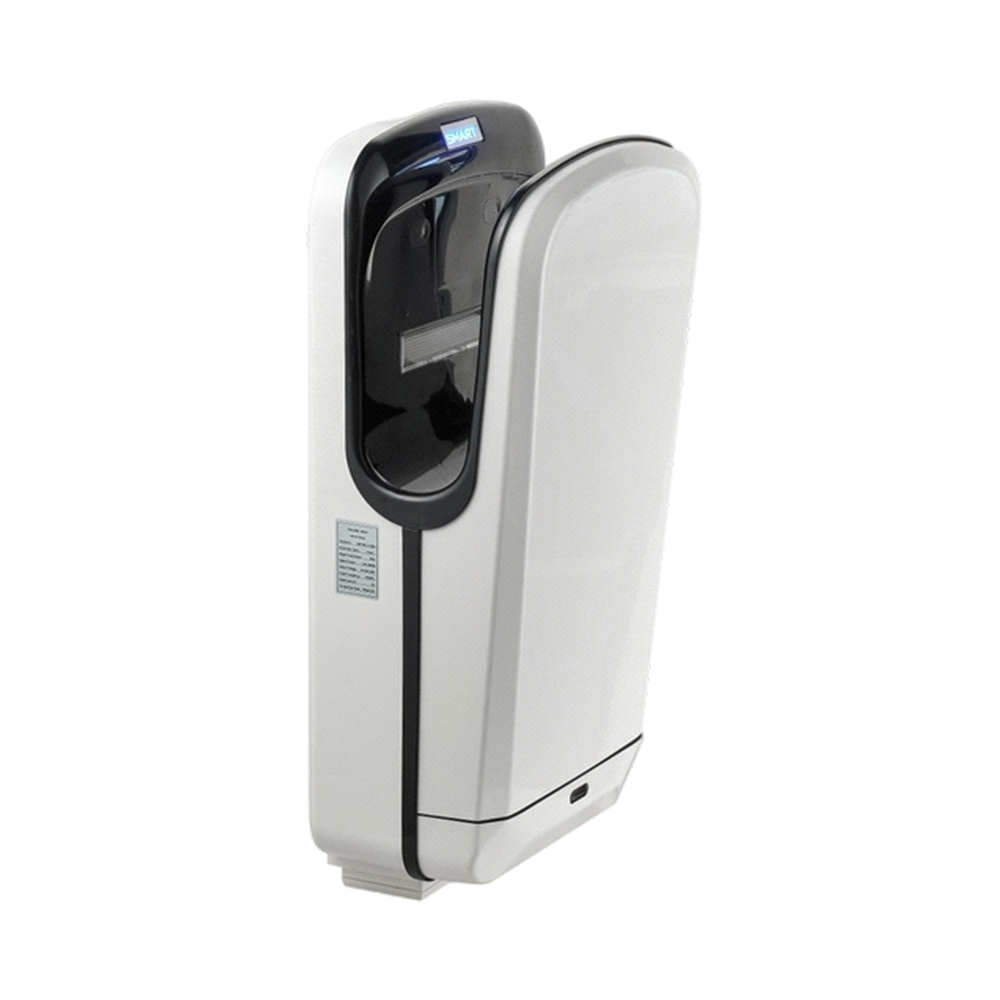
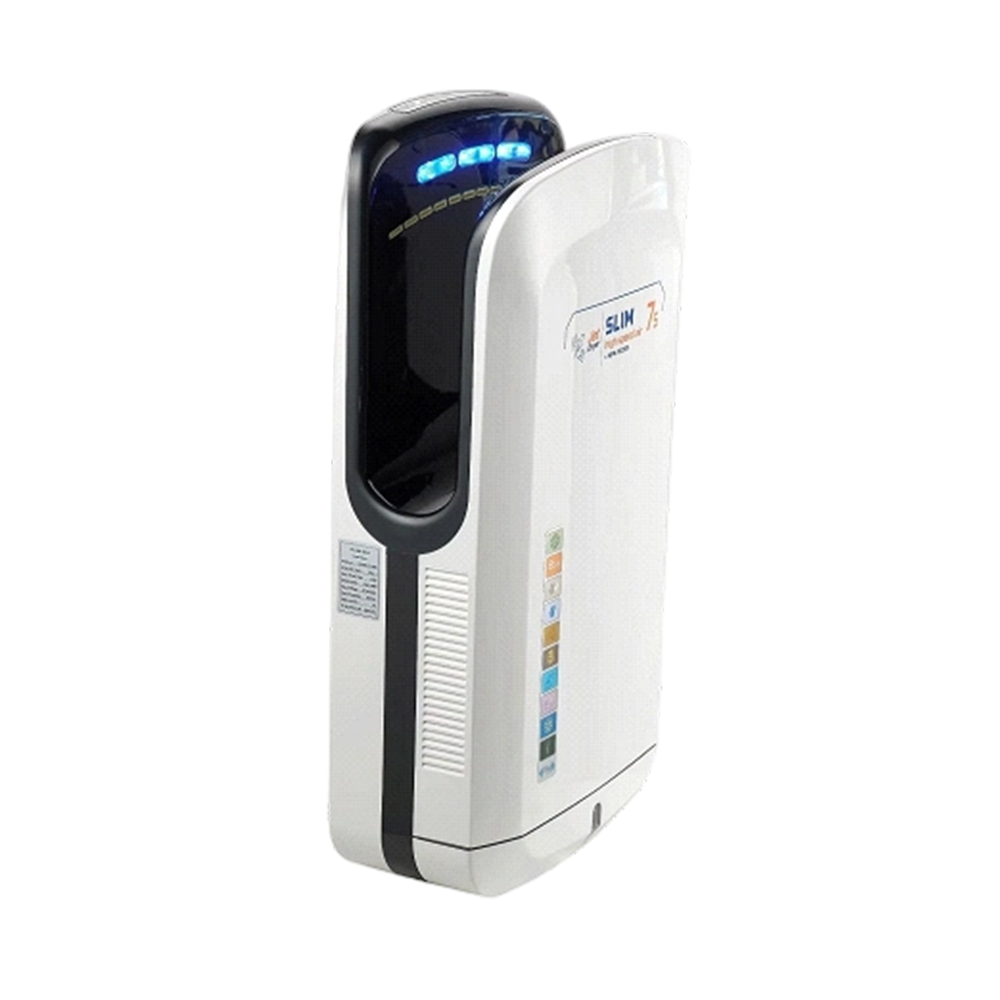
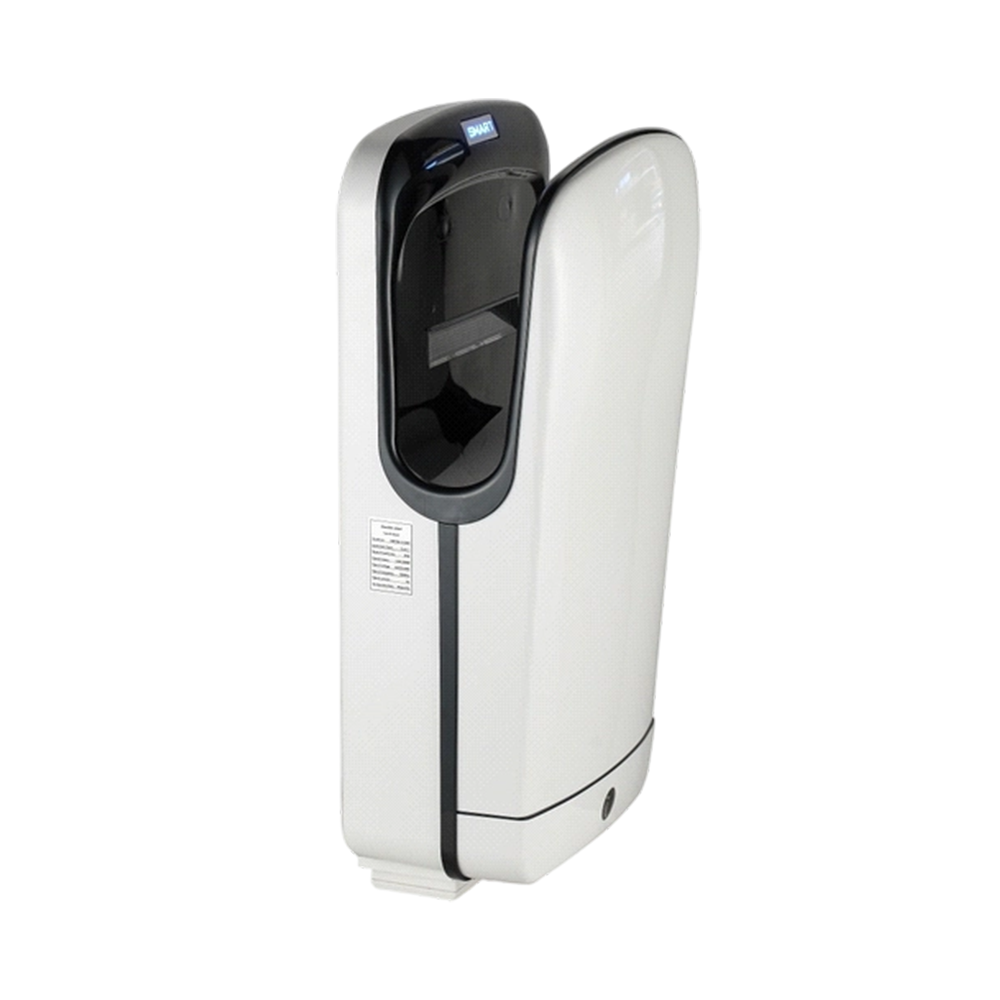
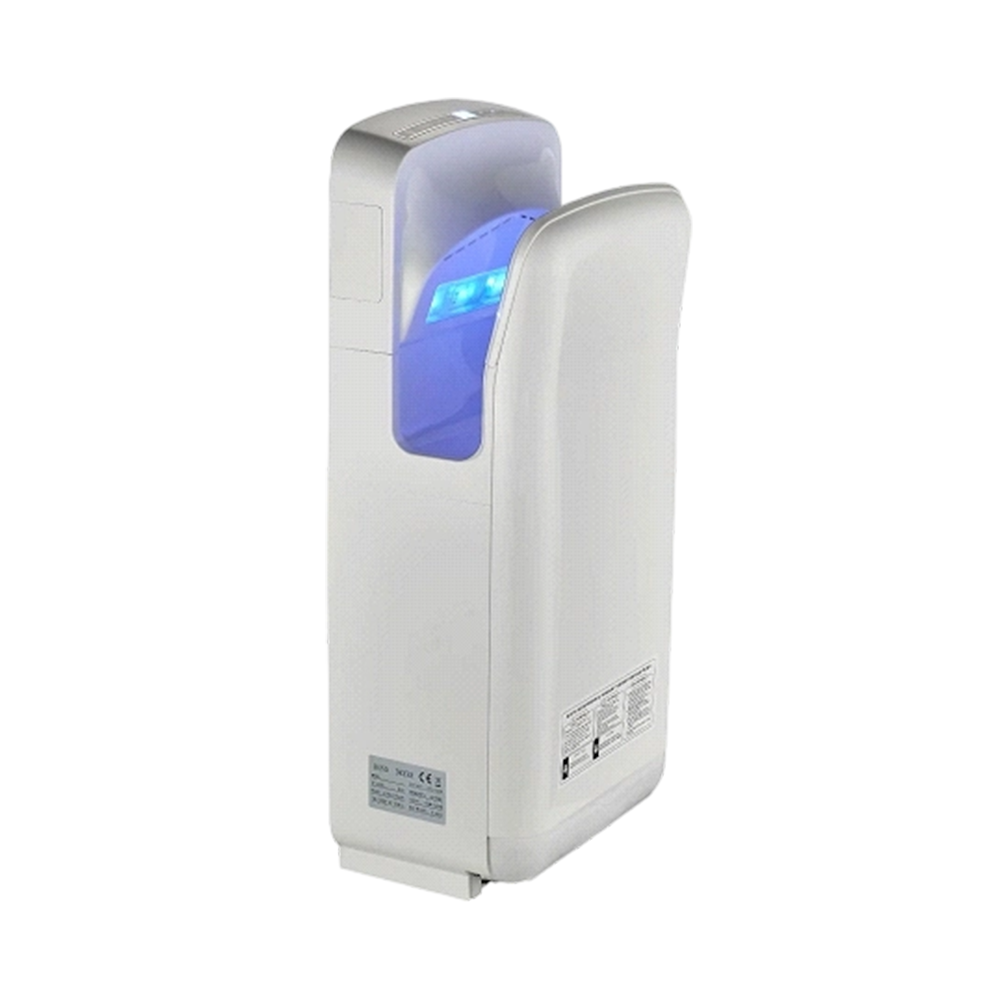
A Hand Dryer can feature a wall-mounted structure, an enclosed hand-drying chamber, or a compact design that fits into a specific restroom layout. Each configuration affects how users approach the unit and how much space it occupies.
Wall-mounted models are common in commercial restrooms because they can be installed beside washbasins or along designated drying areas. Their dimensions, mounting height, and air outlet position should be considered during project planning.
Enclosed models allow users to place their hands inside a drying chamber. Depending on the design, these units may suit facilities that prefer a more defined hand-drying station.
Appearance also plays a role in commercial interior planning. Stainless steel, plastic housings, and different surface finishes can be selected to coordinate with washbasins, dispensers, mirrors, and other restroom fittings.
Motor Power, Airflow, and Drying Performance
Drying performance depends on several factors, including airflow, air temperature, motor design, and the position of the air outlet. These characteristics influence how effectively a Hand Dryer removes water from wet hands.
Some models use high-speed airflow to move water away from the hands, while others combine airflow with heated air. The choice affects the unit's operating characteristics, sound level, and electrical requirements.
Motor power alone does not fully describe performance. Buyers should also review the manufacturer's stated drying time, airflow specifications, noise level, and recommended installation conditions.
Noise can be particularly relevant in office buildings, hotels, healthcare facilities, and other spaces where restroom equipment is close to occupied rooms. A unit intended for a busy transport terminal may have different design priorities from one installed in a small corporate office.
Matching Equipment to Visitor Traffic
Visitor volume is another factor in commercial restroom planning. A restaurant restroom may experience concentrated use during meal periods, while a shopping center or transport hub may have a more continuous flow of visitors.
In these settings, the selected Hand Dryer should match expected usage frequency and the available number of drying stations. Installation location also matters. Equipment positioned too far from the washbasins can interrupt movement, while poorly arranged units may create congestion during busy periods.
For office buildings and hotels, designers may place drying equipment in a way that supports a clear path between the washbasin area and the restroom exit. In factories and staff facilities, the layout may need to accommodate workers moving through the space in groups.
Connecting Product Features With Project Needs
Selecting a Hand Dryer for commercial use requires a practical assessment of space, traffic, technical specifications, and installation conditions. Office buildings, hotels, retail properties, transport facilities, and industrial sites may each require a different combination of features.
By comparing airflow, noise, housing design, electrical requirements, and mounting dimensions, contractors and distributors can identify equipment suited to their project requirements. Clear communication with suppliers also helps align product specifications with installation plans and purchasing needs.
 Previous