


 русский
 عربى
عربى
Smart Faucets Are Becoming More Technical The Smart Faucet is moving from a simple touch-free fixture toward a more integrated water control product. Modern designs can combine sensors, electronic val...
Read More
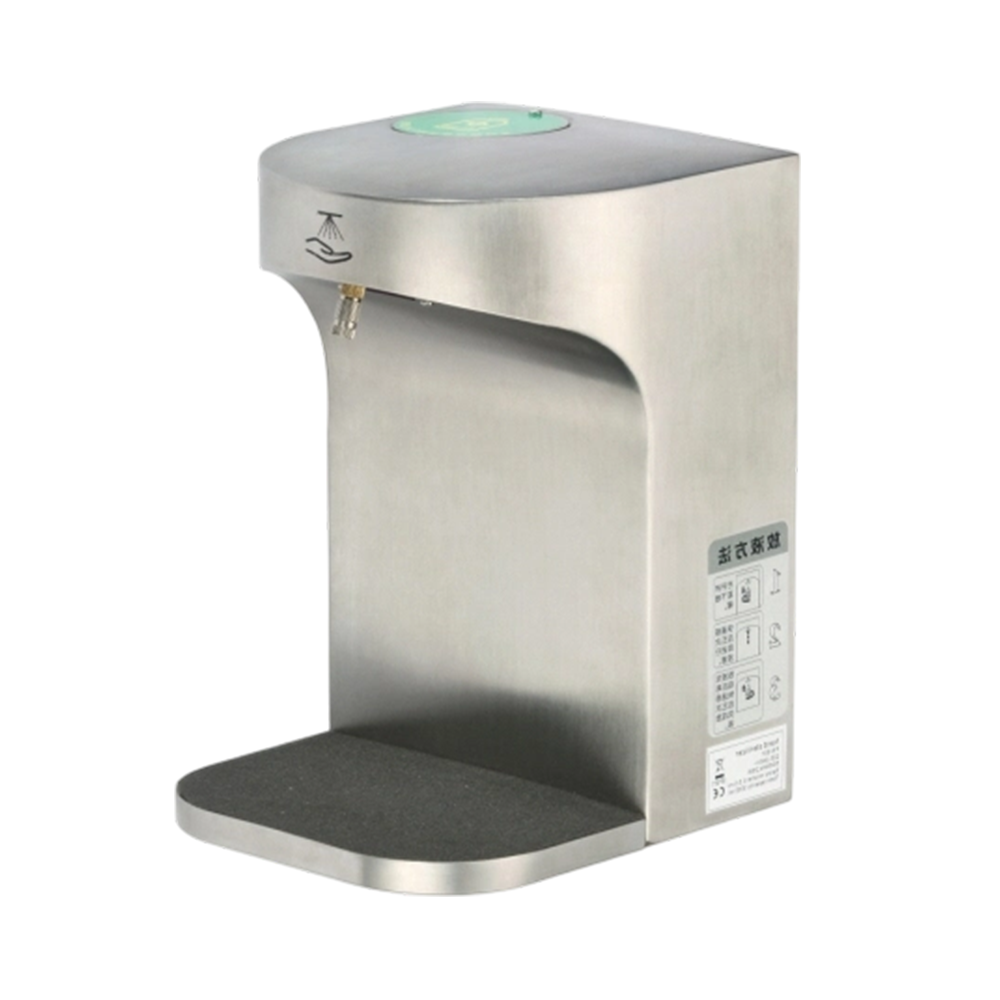
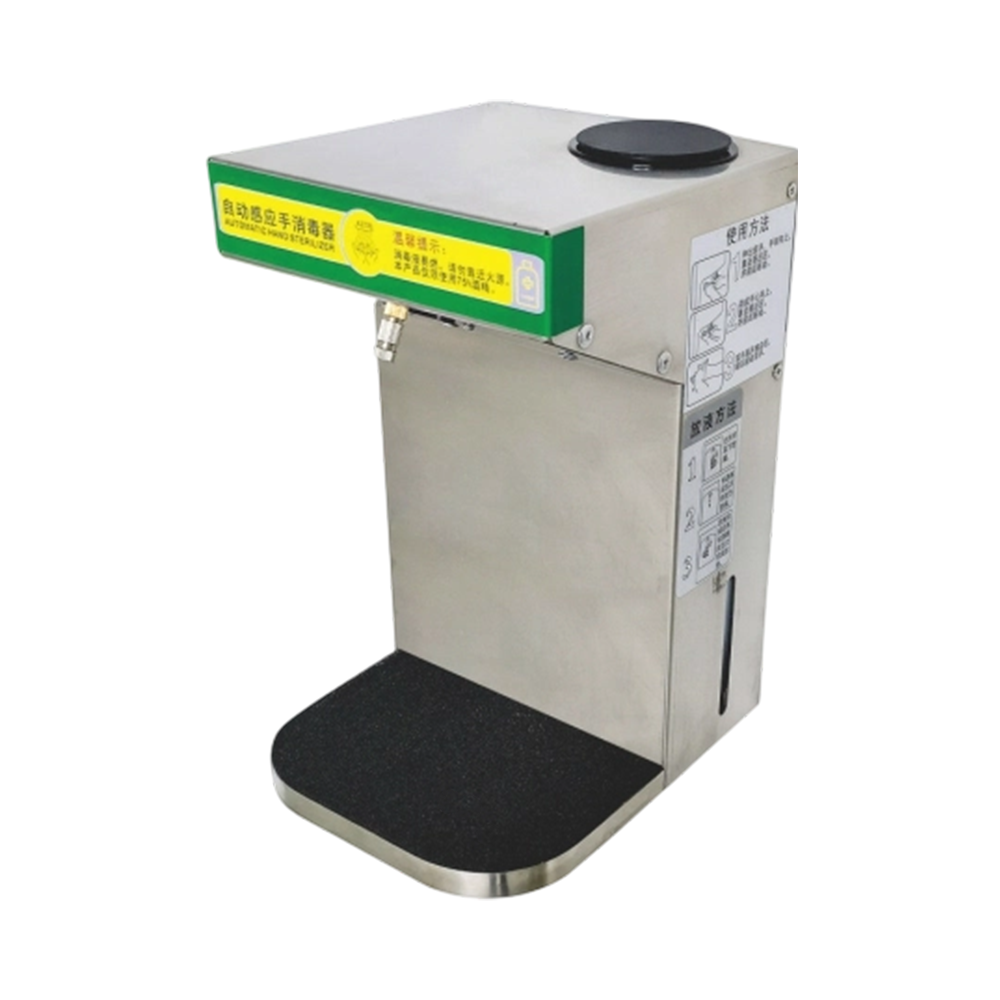
Hand Sterilizer
This hand sanitizer uses 75% alcohol for hand disinfection, effectively killing common bacteria and viruses and ensuring hand hygiene and safety. It is widely used in food factories, pharmaceutical factories, homes, and public places. This product features infrared sensor spraying, allowing for contactless operation, preventing secondary contamination, and ensuring convenient and reliable use.
About Us
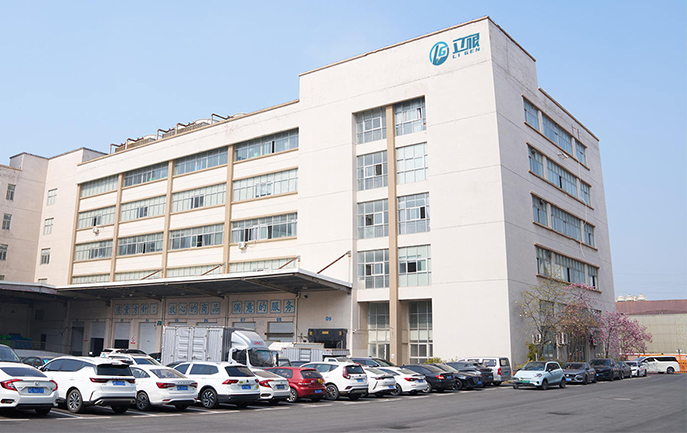
Ligen Intelligent Technology Co., Ltd.
Ligen Intelligent Technology Co., Ltd. is a provider and manufacturer of integrated solutions for "handwashing, hand drying, and disinfection." The founding team of Ligen has decades of experience in designing and developing top-tier hand dryer products in China, and has led the development of several popular hand dryer products nationwide. Driven by the vision of "making handwashing more comfortable and simpler," Ligen Intelligent Technology Co., Ltd. was founded with the indomitable and resolute spirit of bamboo, as described in Zheng Banqiao's poem.
Ligen currently manufactures the following products: 2-in-1 hand dryer faucets; 3-in-1 hand dryer faucets; hand dryer series; soap dispenser series; hand sanitizer series; and baby changing table series.
We adhere to a people-oriented approach to technology, focusing on innovation and quality, continuously innovating and improving our products and services. We advocate a pragmatic and persevering spirit, persisting in doing every task and every product well, enduring loneliness and focusing on the ordinary, creating one heartwarming product after another with unwavering determination.
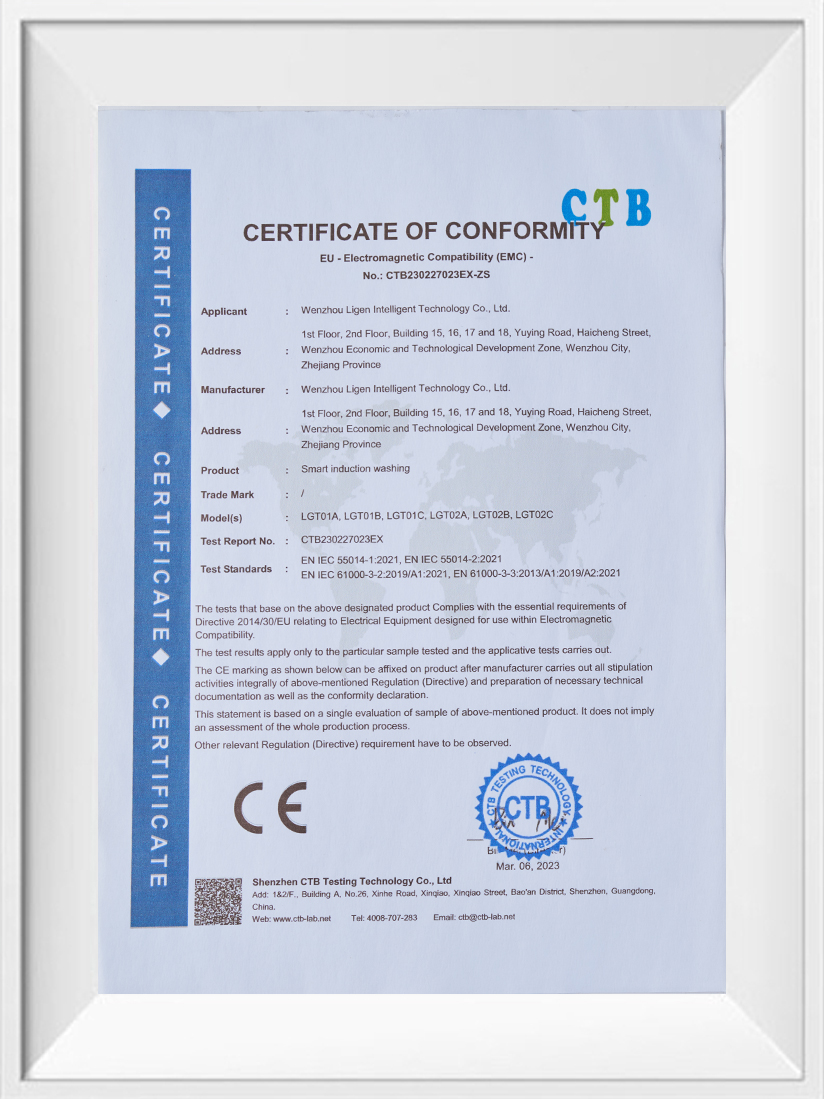
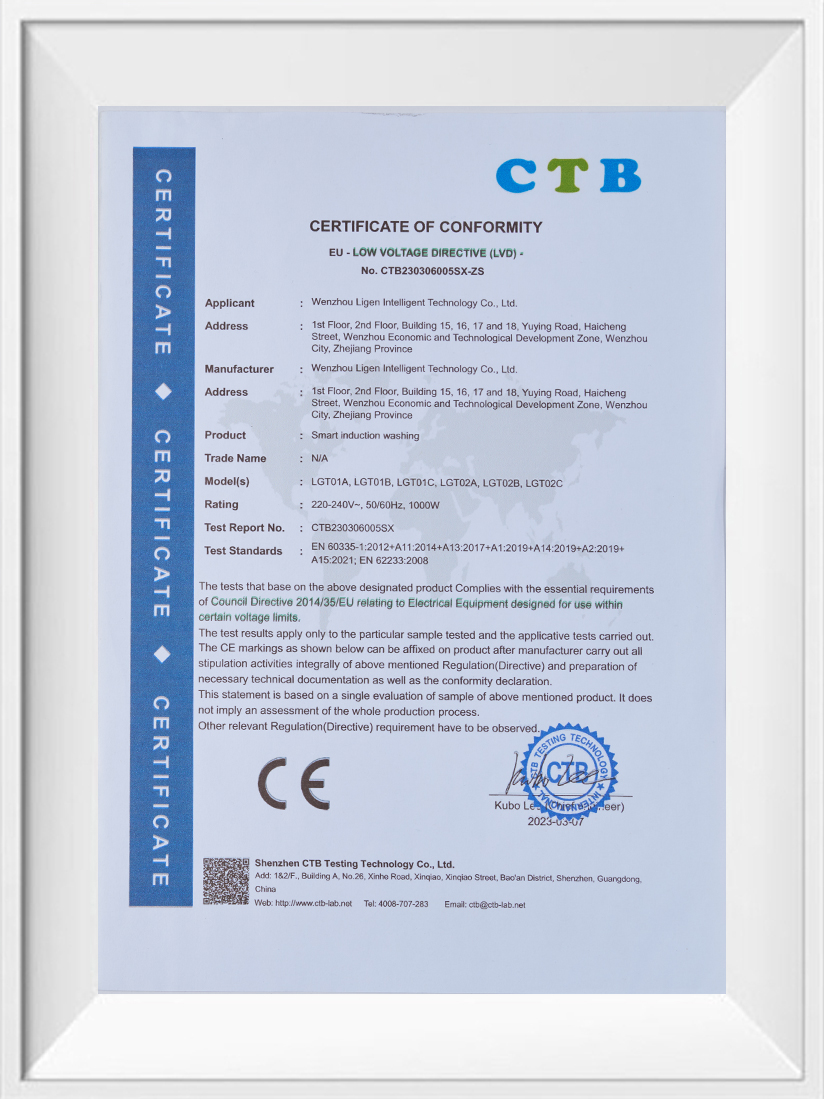
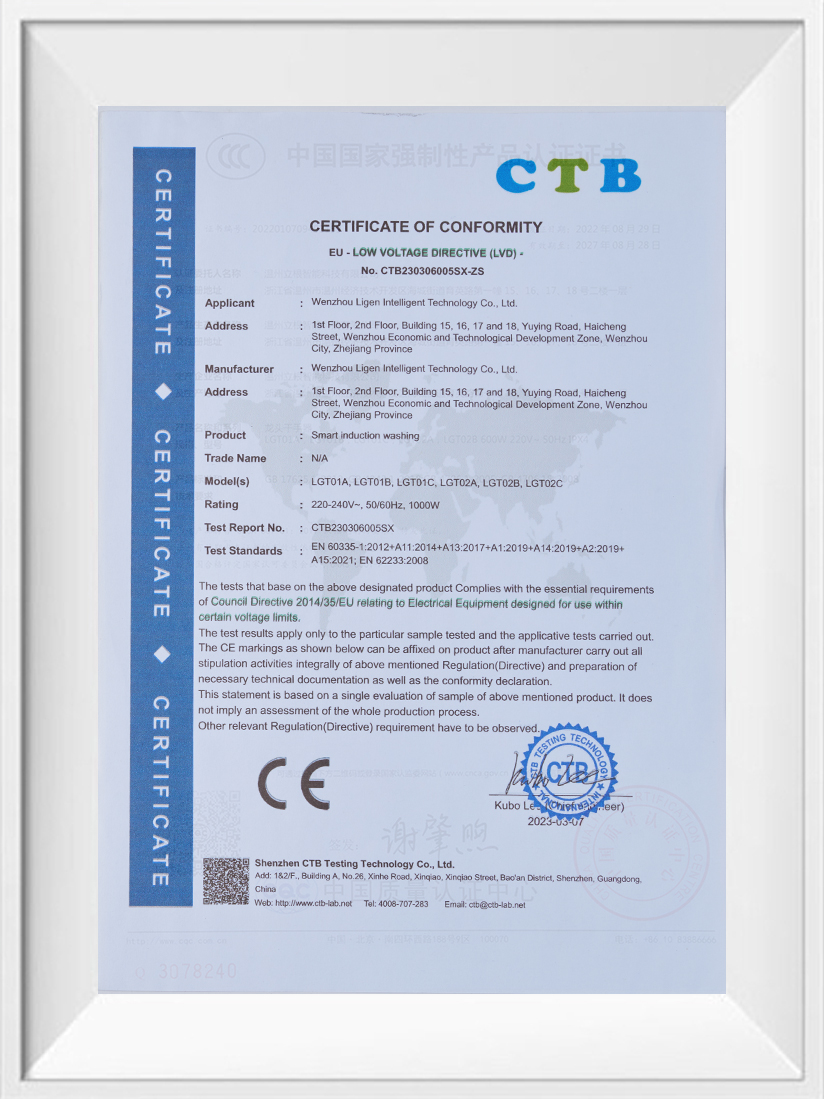
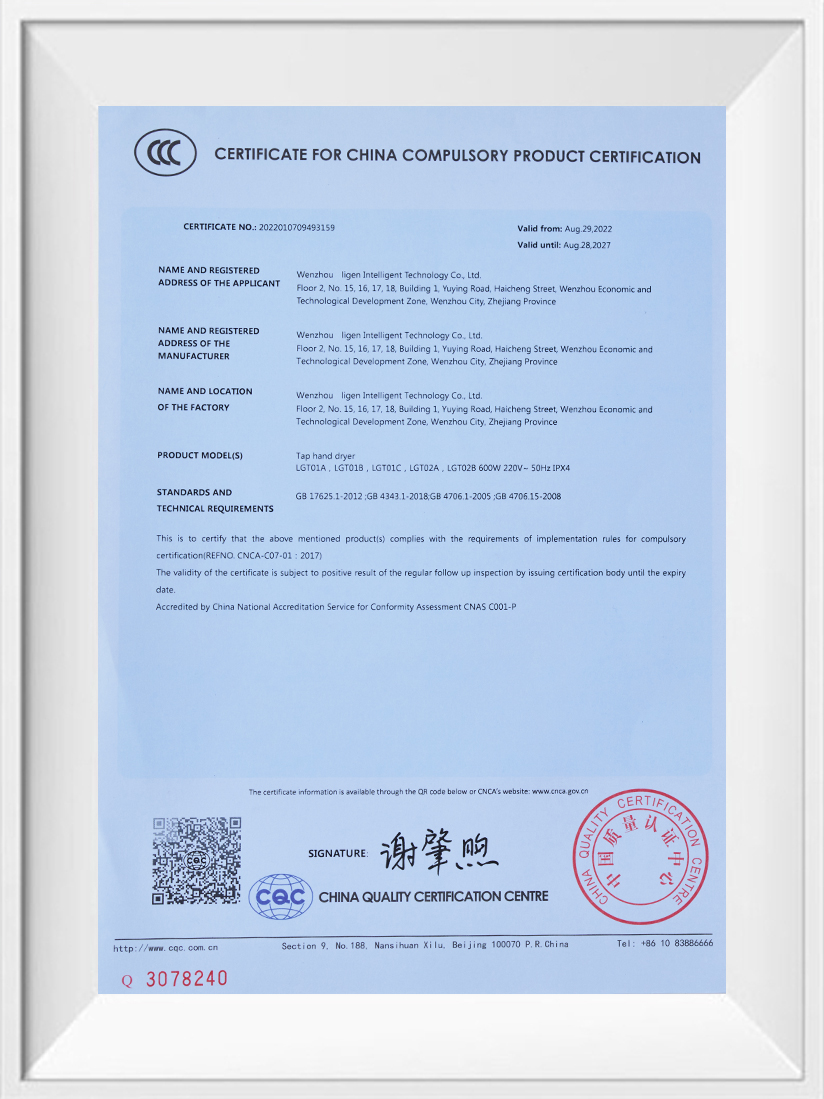
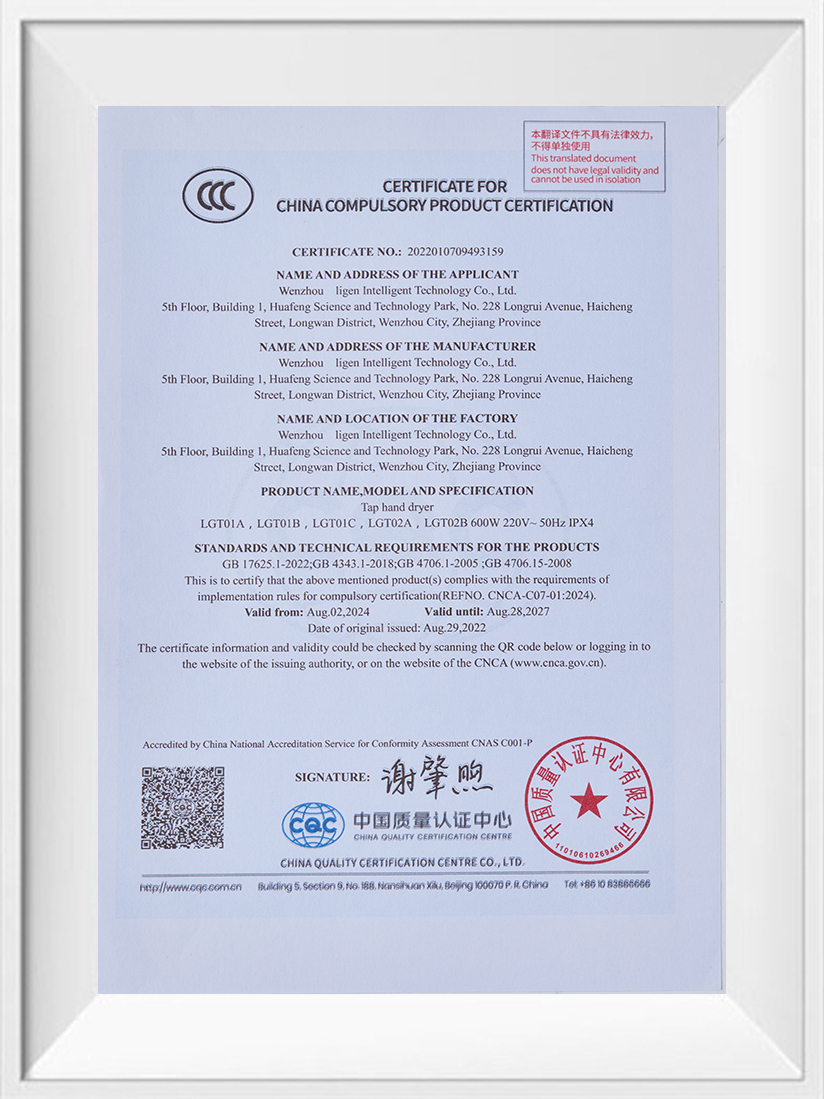
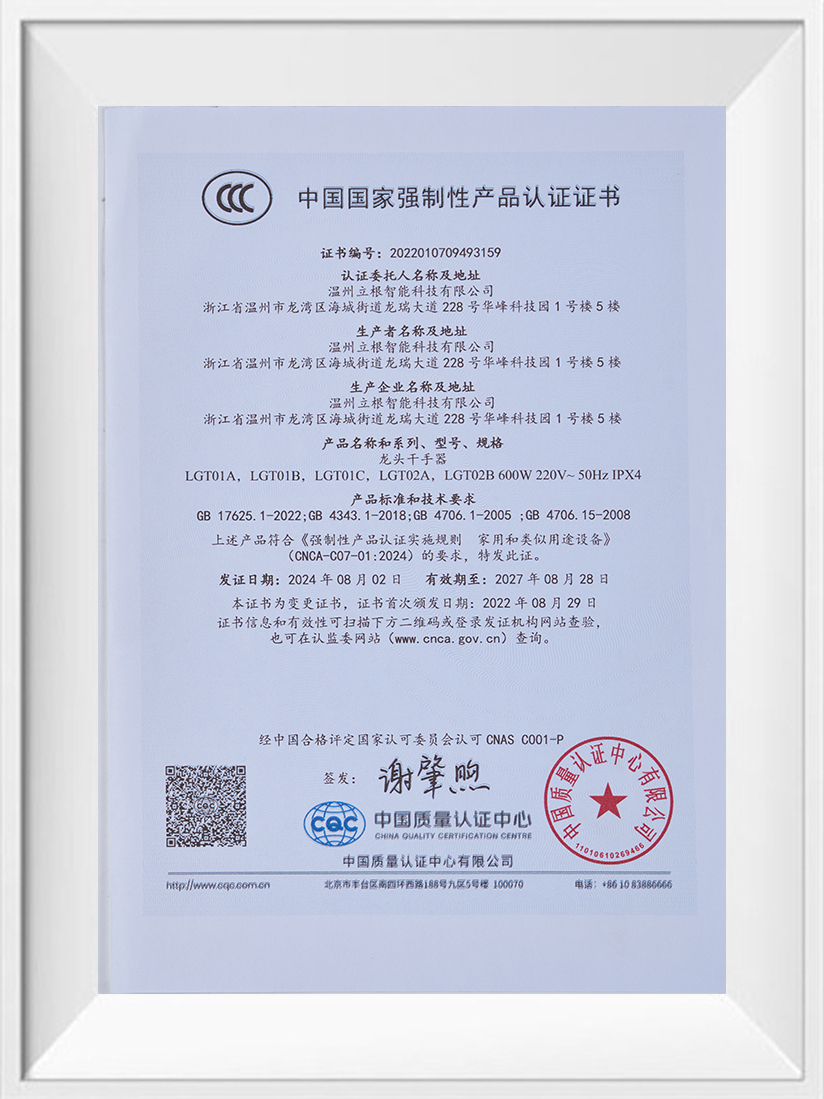
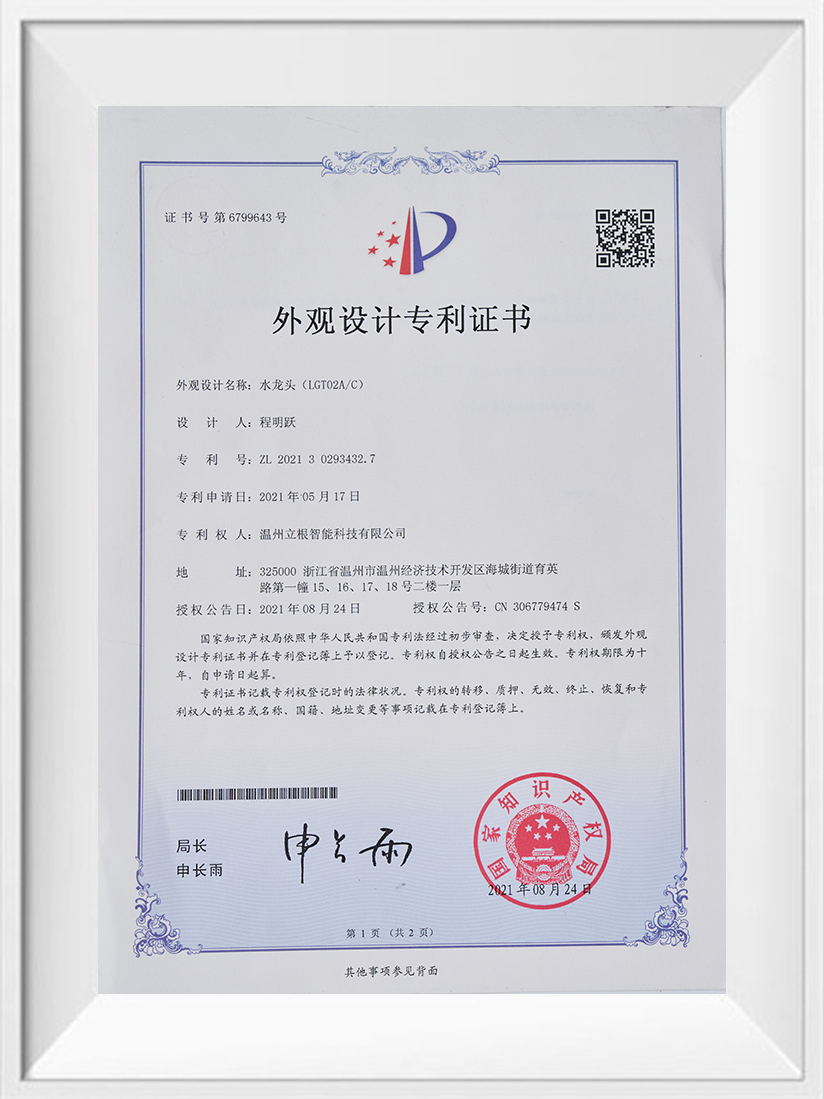
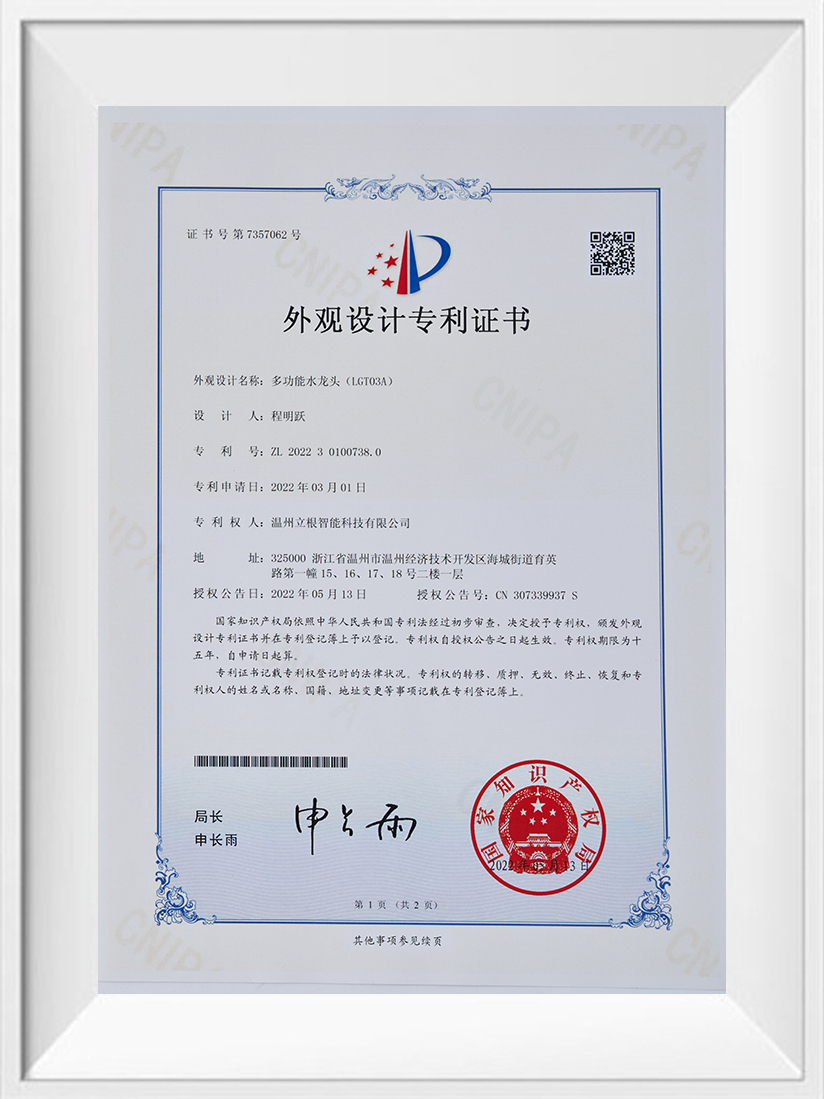
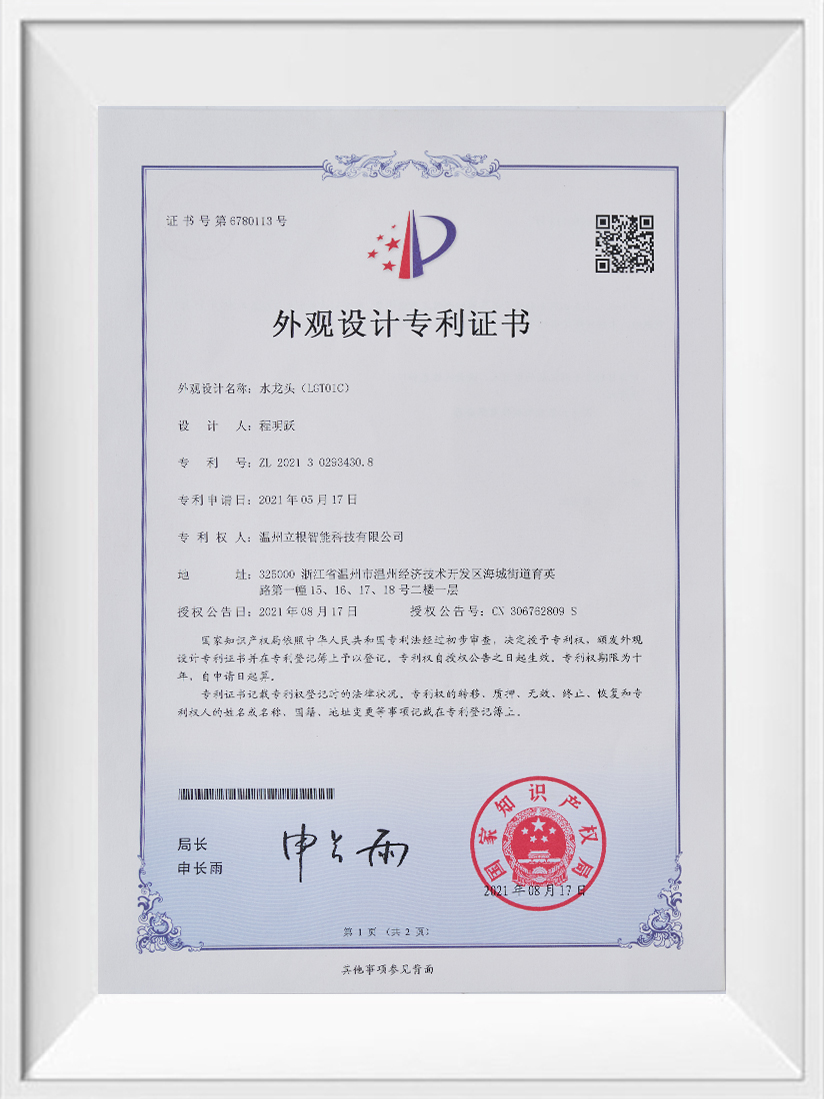
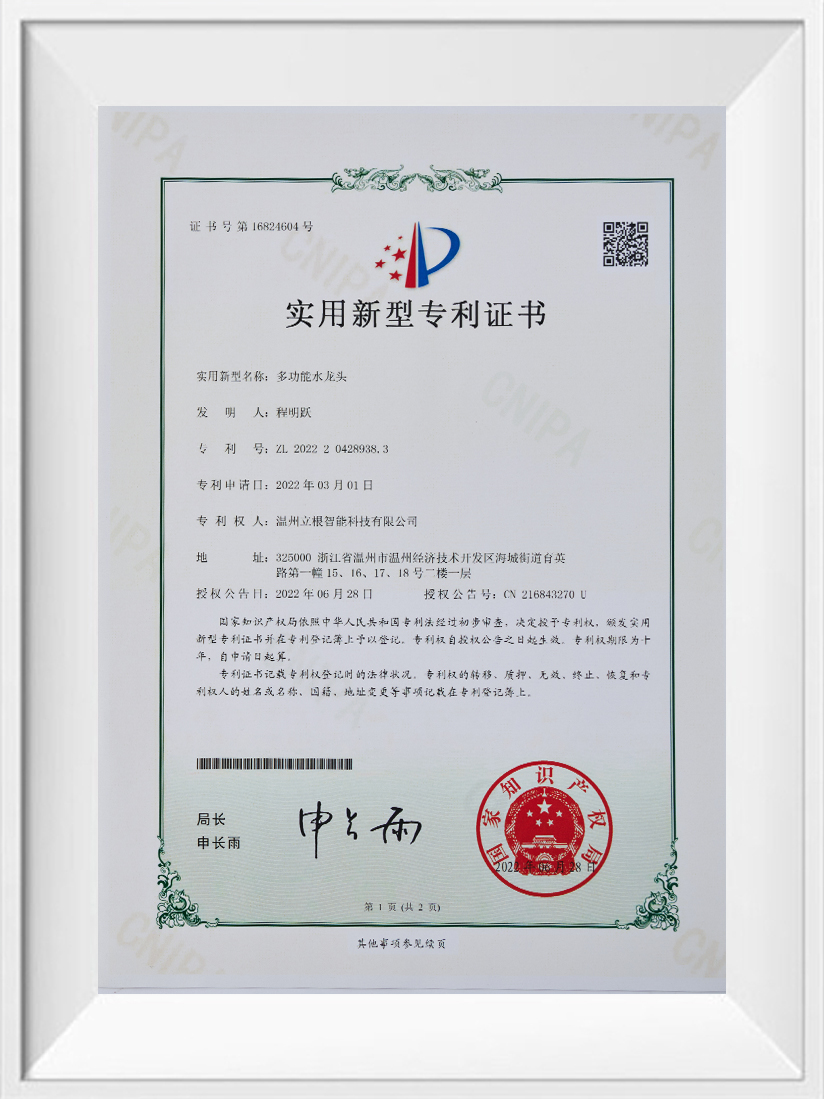
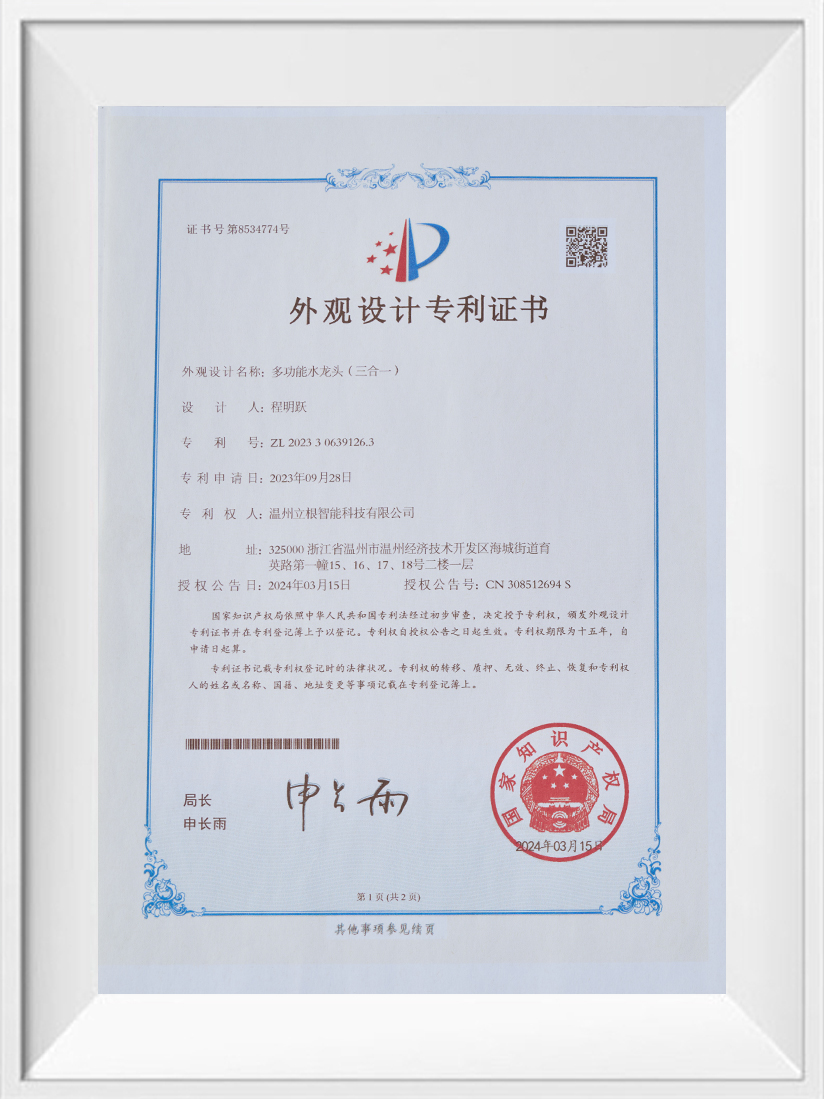
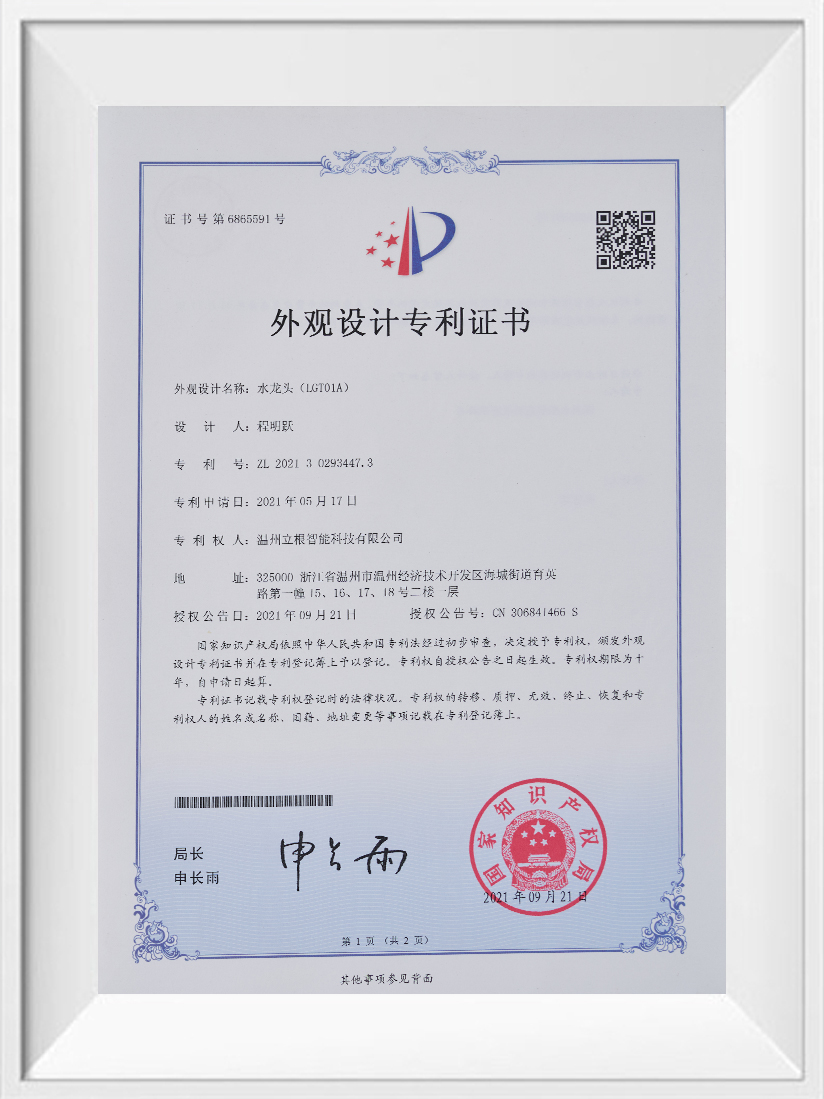
Certificate Of Honor
Message Feedback
News
-
-
Faucet design is changing in a rather quiet way. Instead of adding complicated features simply for appearance, manufacturers are paying closer attention to how water moves from the inlet to the outlet...
Read More -
Sensing and Response in Real Time The detection range usually covers a short distance in front of the unit, enough to register a hand but not so wide that random movement causes accidental release. Re...
Read More -
Motor Type Decides How Fast Hands Actually Dry Conventional hand dryer models rely on a simple heating element paired with a fan, warming the air before pushing it out across wet hands. This design wo...
Read More -
Automatic Tap Technology Enters Everyday Spaces Turning on a faucet used to be a simple movement: reach forward, rotate a handle, and adjust the water. Today, sensor-based fixtures are changing that f...
Read More -
A Quiet Shift in Public Washrooms Walk through any airport, hospital lobby, or office building built in the last few years and the pattern repeats itself. Traditional handle faucets are being swapped ...
Read More -
In March 2025, Wenzhou Ligen Intelligent Technology Co., Ltd. showcased its full range of smart hand care solutions at the Shanghai International Hotel Engineering & Design Expo, with the newly up...
Read More
Industry Knowledge
A hand sterilizer—also known as an automatic hand sanitizing dispenser—is a device that uses sensor technology to automatically dispense a no-rinse sanitizer (typically alcohol-based or non-alcohol-based) for hand disinfection. While its function is similar to that of a soap dispenser, the core fluid differs: soap dispensers dispense liquid soap intended for use with running water, whereas hand sterilizers dispense no-rinse sanitizer that requires no water, relying instead on air drying or gentle rubbing to complete the disinfection process.
Based on the activation method, common hand sterilizers on the market fall into two main categories:
Manual push-type sterilizers: These require the user to press a pump head to dispense the liquid; while simple in structure, they involve physical contact between the user's hands and the device's surface.
Sensor-based/touchless sterilizers: Equipped with built-in infrared sensors, these automatically dispense a measured amount of sanitizer when hands approach the nozzle. Requiring no physical contact with the device throughout the process, they are a prime example of "touchless hygiene solutions."
Application Scenarios of hand sterilizer
- Medical institutions
Areas with strict hand hygiene protocols—such as outpatient clinics, ward corridors, and areas outside operating rooms—often require the installation of no-rinse sanitizing equipment at multiple points beyond standard sinks, ensuring easy access for healthcare staff and visitors.
- Airports and transportation hubs
High-traffic areas such as terminal entrances, security checkpoints, and restroom exits; as a type of public hygiene product, they enhance the facility's overall image regarding hygiene management.
- Shopping malls and office buildings
Areas such as elevator lobbies, main entrances, and restroom exits; these serve as supplementary facilities for public spaces with specific hand hygiene requirements.
- Food service establishments and food processing plants
Used for hand sanitization before employees enter operational areas, serving as a supplementary measure alongside standard hand-washing procedures (determination of whether this replaces or complements formal hand-washing depends on local food safety regulations and internal corporate policies).
- Educational institutions
Entrances to classrooms and cafeterias in schools and kindergartens, facilitating hand sanitization for students as they enter or leave.
- Factory and office entrances
Installed near access control points or time clocks as part of corporate hygiene management policies, allowing employees to sanitize their hands upon entry or exit. Advantages and Performance
- Touchless Hygiene Solutions
Dispenses liquid automatically when hands approach the sensor area; eliminates the need to press or touch the device surface, thereby reducing the risk of cross-contamination associated with physical contact.
- Flexible Installation
Unlike soap dispensers restricted to sink areas, hand sanitizers can be installed in non-wet areas such as entrances, corridors, and elevator lobbies, extending the scope of hand hygiene management.
- Controlled Dosage
Sensor-based dispensing typically controls the volume per cycle via a fixed mechanism, making it easier to maintain consistent usage compared to manual squeezing (specific dosage varies by model).
- Part of the Commercial Hygiene Equipment Ecosystem
Can be procured with matching branding and aesthetics alongside soap dispensers, hand dryers, and sensor faucets, facilitating unified hygiene facility management for chain operations or multi-site locations.
- Flexible Power Options
Common options include standard batteries, rechargeable batteries, or mains power; battery-operated models require no wiring, offering greater installation flexibility (specific power methods and battery life depend on the chosen model).
- Low-Level Alerts (Select Models)
Notifies facility management or cleaning staff when levels are low, preventing the device from running dry (availability of this feature depends on the specific model).
Frequently Asked Questions
1. What is the difference between a hand sanitizer dispenser and a soap dispenser? Can they be used interchangeably?
They differ in the type of liquid dispensed and the method of use: soap dispensers dispense hand soap, which requires rinsing with running water; hand sanitizer dispensers dispense no-rinse sanitizer, allowing for disinfection without water, and are typically installed away from sinks (e.g., at entrances or in corridors). They serve different purposes and are generally not interchangeable; instead, they should be used in combination based on facility needs—equipping sinks with soap dispensers, faucets, and hand dryers, while placing hand sanitizer dispensers at entrances and other key areas.
2. Is the hand sanitizer dispenser compatible with the brand and type of sanitizer we currently use?
Compatibility depends on the device's dispensing mechanism design (such as pump structure and inlet size) as well as factors like the sanitizer's viscosity and whether it requires a specific formula. Before purchasing, it is advisable to confirm with the supplier the type of disinfectant compatible with the chosen model (e.g., whether it is restricted to alcohol-based or non-alcohol-based formulas). If necessary, request a small batch of units for testing the dispensing performance to avoid compatibility issues after bulk procurement.
3. Is the sensor sensitivity adjustable? Is there a risk of frequent false triggering, leading to disinfectant waste?
Sensor sensitivity and detection range vary depending on the specific model design. When purchasing, confirm whether the sensing distance is adjustable and if the unit features a design to prevent false triggering. Additionally, request a sample unit for on-site testing or a third-party test report to further evaluate the device based on the actual installation environment (e.g., proximity to high-traffic areas or exposure to direct, strong light).

- No. 187, Binhai 4th Road, Xinghai Street, Longwan District, Wenzhou City, Zhejiang, China
-
WeChat: BURIRO-LIGEN
WhatsApp: +86 13362723903
Email: [email protected] Catalogue PDF - Multifunctional Tap Hand Dryer Soap Dispenser Hand Dryer Hand Sterilizer Baby Changing Station
-
