

 русский
 عربى

Hotel lobbies, hospital wings, office restrooms — walk into almost any commercial space built or renovated in recent years and there's a decent chance the faucet responds to motion rather than a handle. Demand for touchless faucet units has climbed steadily among distributors and property managers, and understanding how these fixtures are built helps buyers make sharper sourcing decisions.
Sensor Mechanics Behind the Convenience
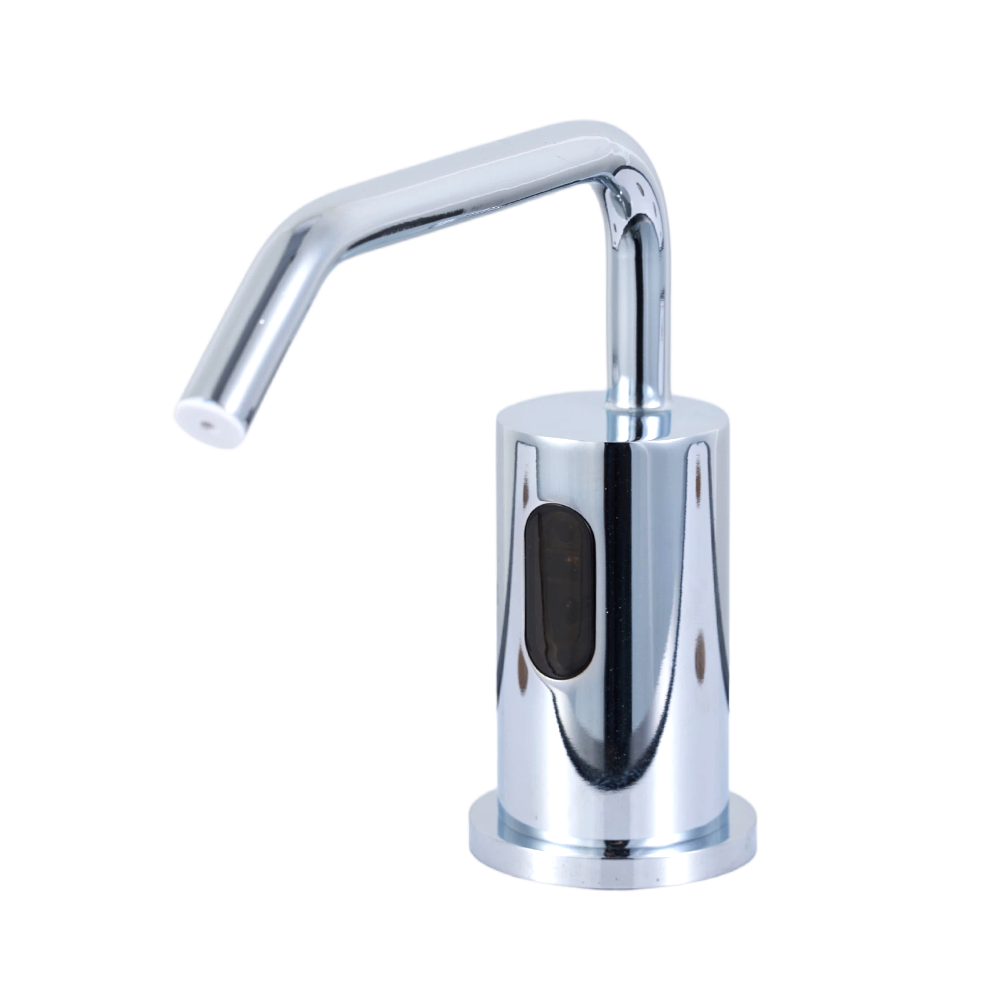
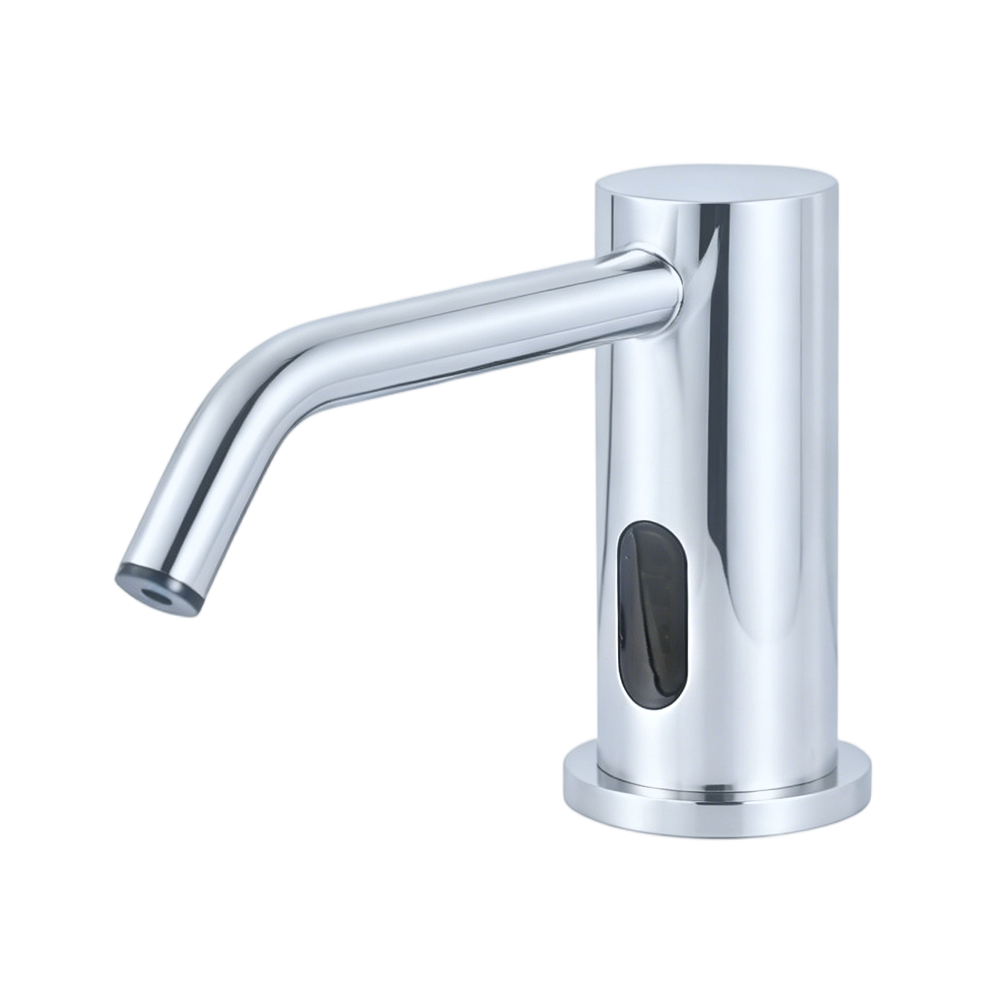
Infrared sensors sit at the core of touchless faucet design, detecting hand movement within a set range and triggering a solenoid valve that opens or closes water flow. Sensitivity ranges typically fall between four and six inches, though some commercial-grade units extend further to accommodate high-traffic washrooms where quick cycling matters.
Power sources vary across product lines. Battery-operated models remain common for retrofit projects since installation doesn't require rewiring, while hardwired or hybrid units suit new construction where electrical access is already planned into the build. Distributors sourcing for mixed-use developments often stock both types to match different project requirements.
Material and Build Considerations
Body construction plays a real role in how a touchless faucet holds up under commercial use. Brass remains a common base material for the internal valve body, often finished with chrome, brushed nickel, or matte black coatings depending on design trends in a given market. Buyers evaluating suppliers should pay attention to a few specific factors:
- Valve body thickness, since thinner castings can affect how the fixture handles repeated cycling in high-traffic settings
- Sensor housing placement, which influences how consistently the unit detects hand motion without false triggers from nearby water splash
- Compatibility with standard mounting configurations, so replacement or retrofit installs don't require custom plumbing work
Kitchen and bathroom hardware manufacturers producing these units generally test valve response across thousands of activation cycles before a formula design moves to full production, since inconsistent triggering creates the kind of complaint that circulates quickly among commercial clients.
OEM and Private Label Manufacturing
Buyers building their own product lines around touchless faucet technology typically work with manufacturers offering OEM or ODM services, supplying custom finishes, branded packaging, and sensor calibration tailored to a specific market segment. Factories with in-house tooling capabilities can often adjust spout height, base diameter, or activation range based on a client's technical brief rather than offering a single fixed configuration.
For distributors targeting hospitality or healthcare sectors specifically, sensor range and water shutoff timing tend to matter more than aesthetic finish, since these environments prioritize hygiene function over visual styling. Residential-focused buyers, by contrast, often weigh finish options and spout profile more heavily.
Application Scenarios Beyond Standard Bathrooms
Commercial kitchens increasingly specify touchless faucet units for prep sinks, where staff need hands-free operation during food handling. Public transit stations, airports, and stadium restrooms represent another growing segment, given the high user volume these spaces handle daily. Some manufacturers now produce units rated for outdoor or semi-exposed installations, expanding where these fixtures can realistically be deployed.
Questions Worth Raising With a Supplier
Procurement teams sourcing touchless faucet products should clarify sensor detection range, battery life under typical usage patterns, valve body material, and whether the factory supports custom branding or packaging for private label orders. Getting these details confirmed early tends to prevent mismatched expectations once a bulk order is already in production, particularly for distributors managing multiple project specifications at once.
 Previous