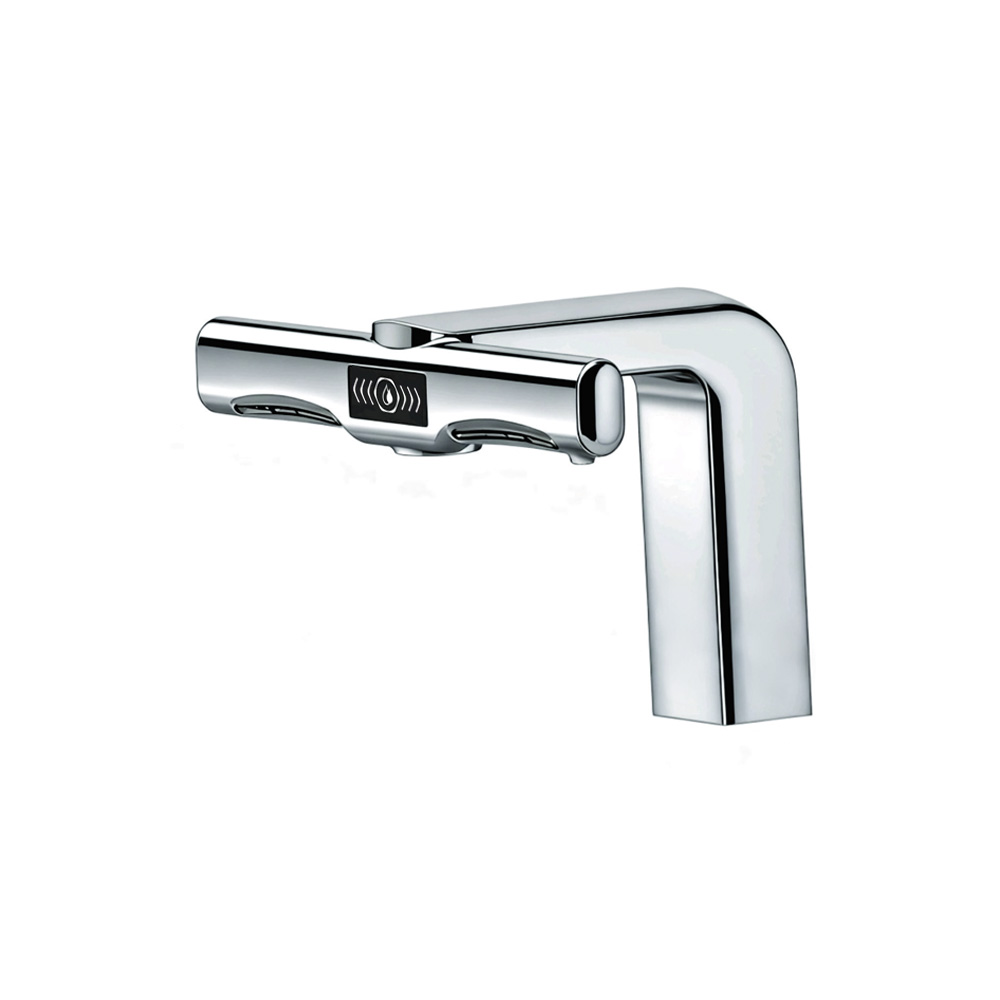
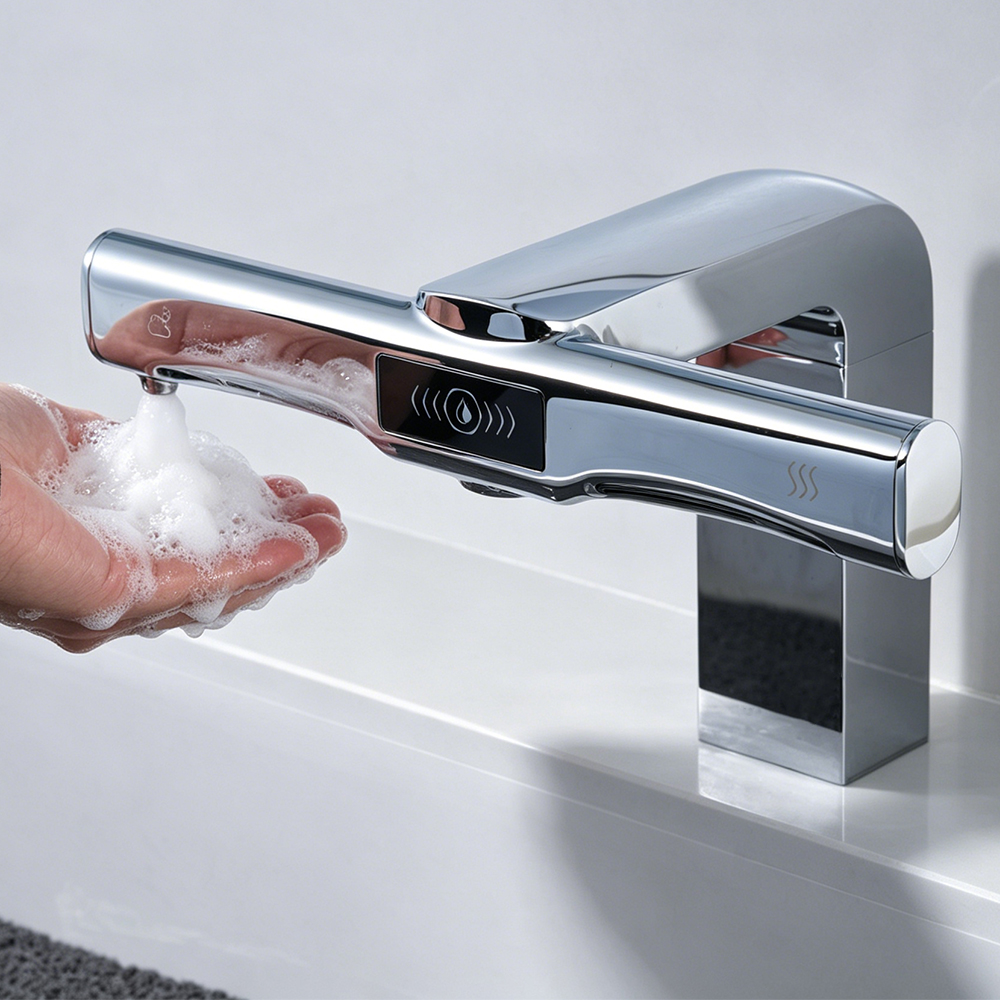
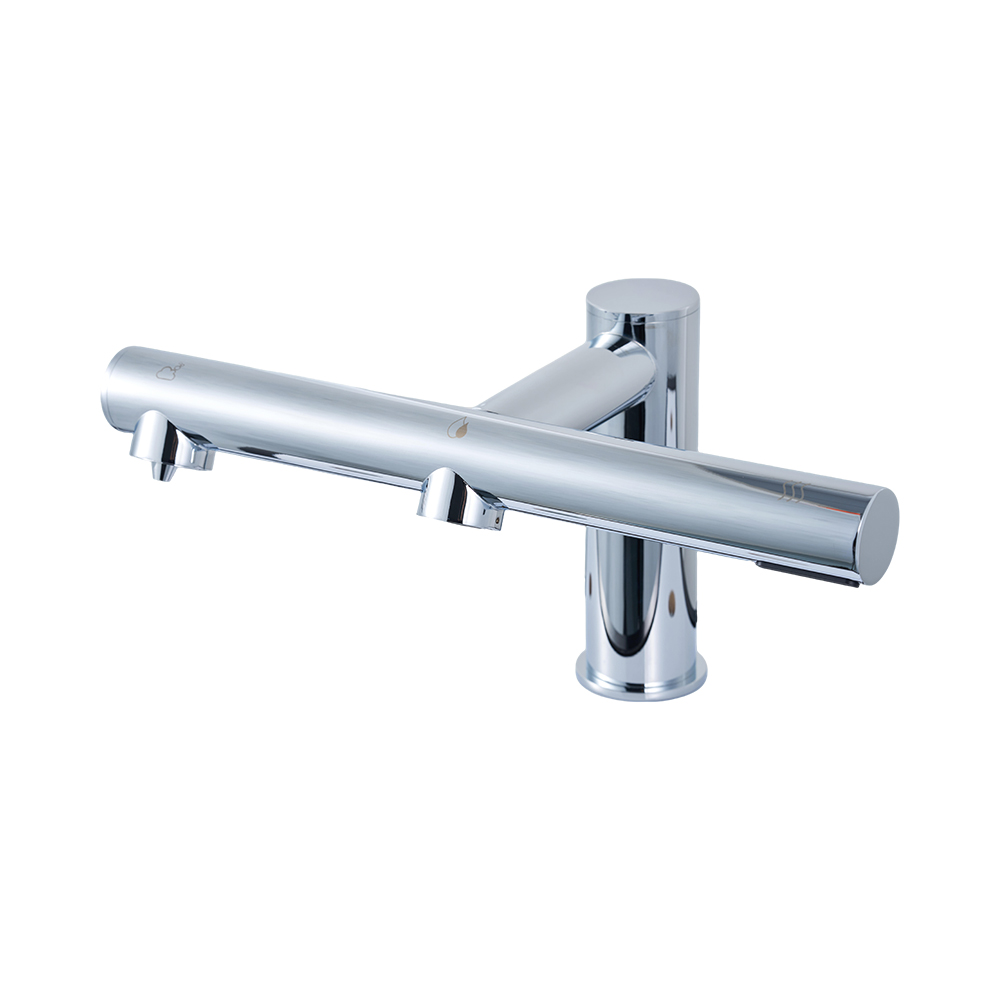
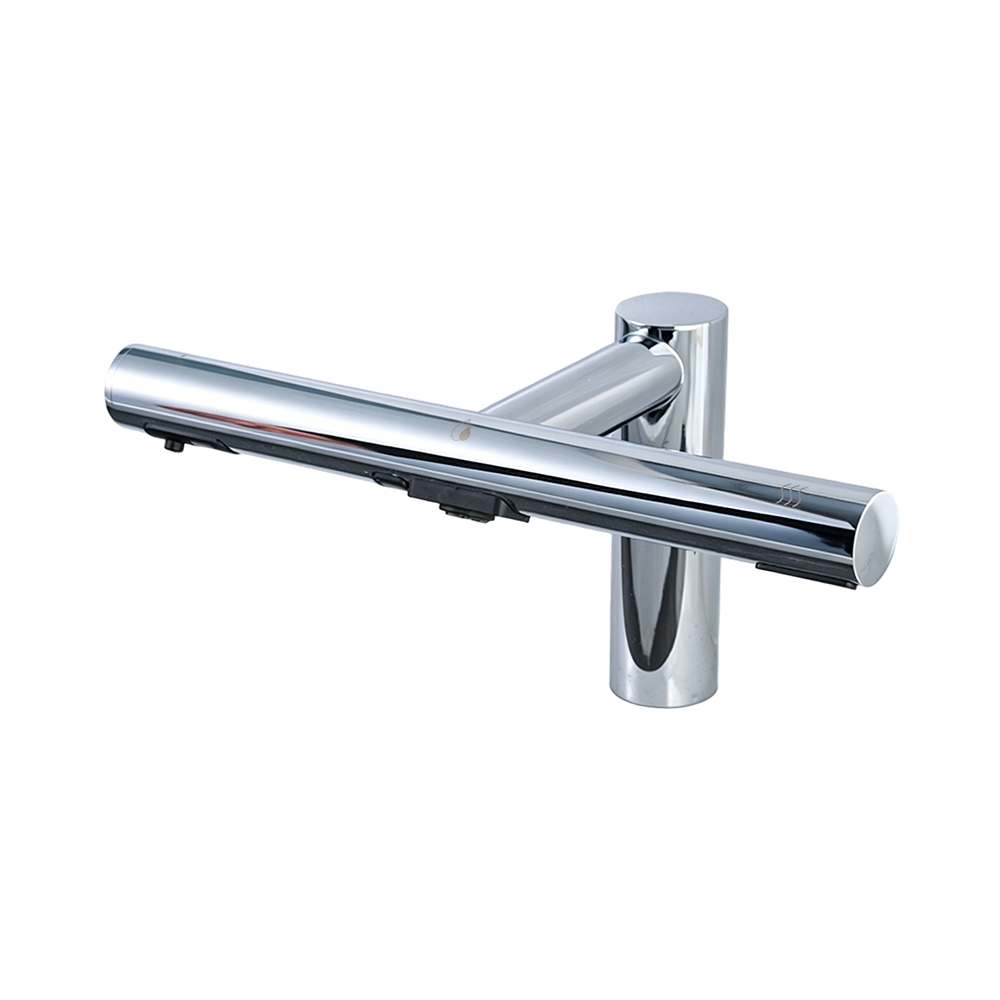
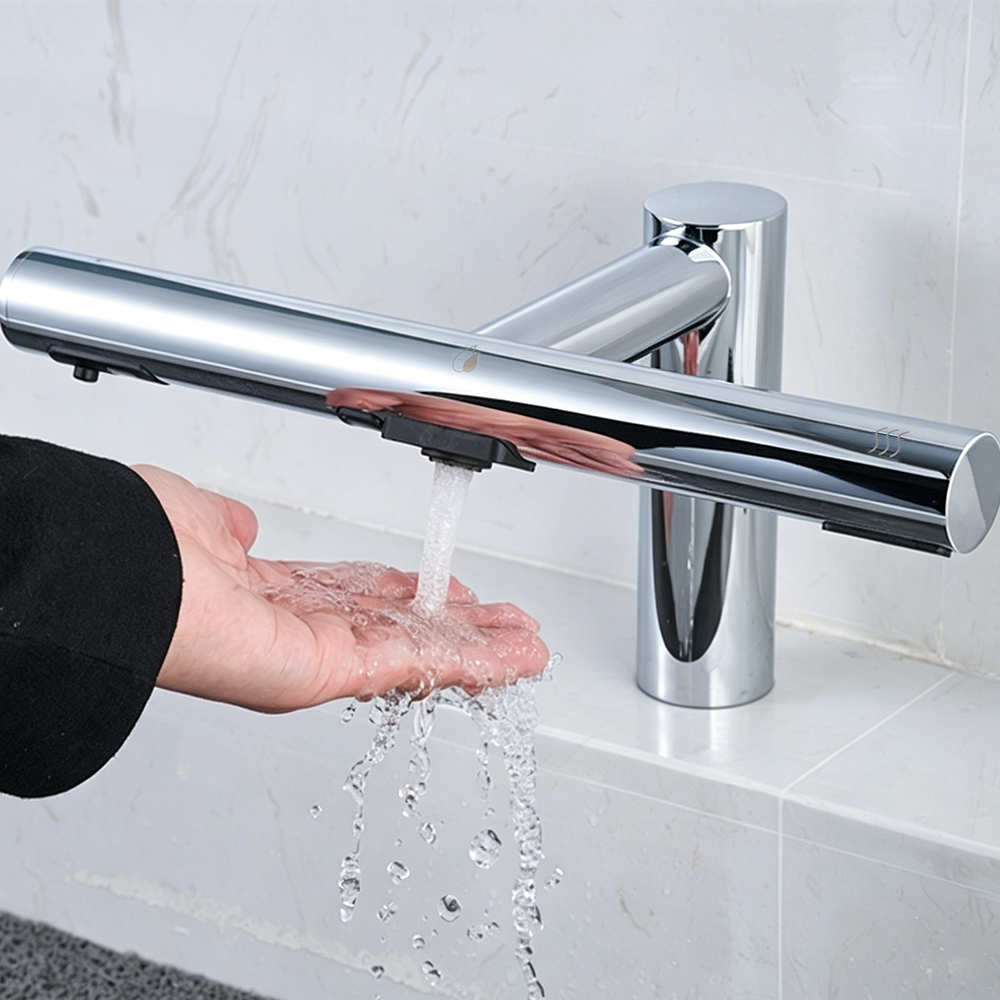
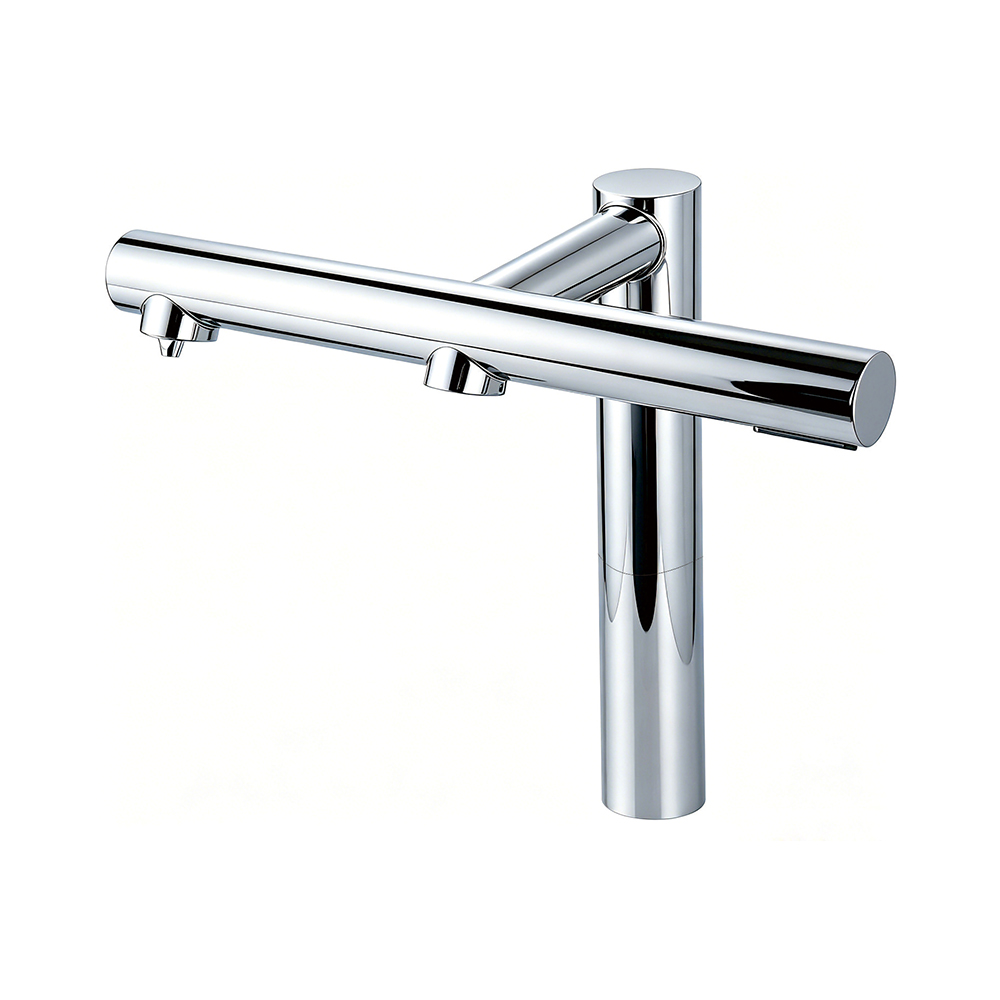
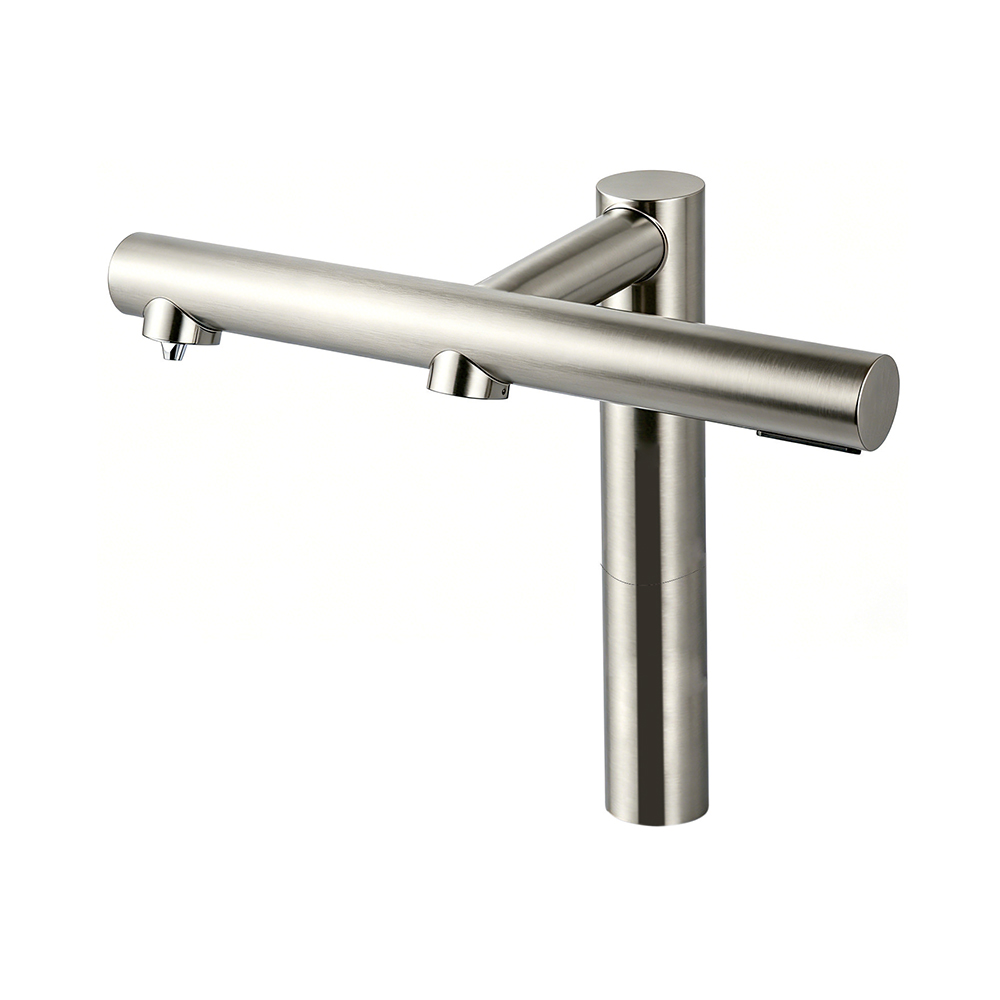
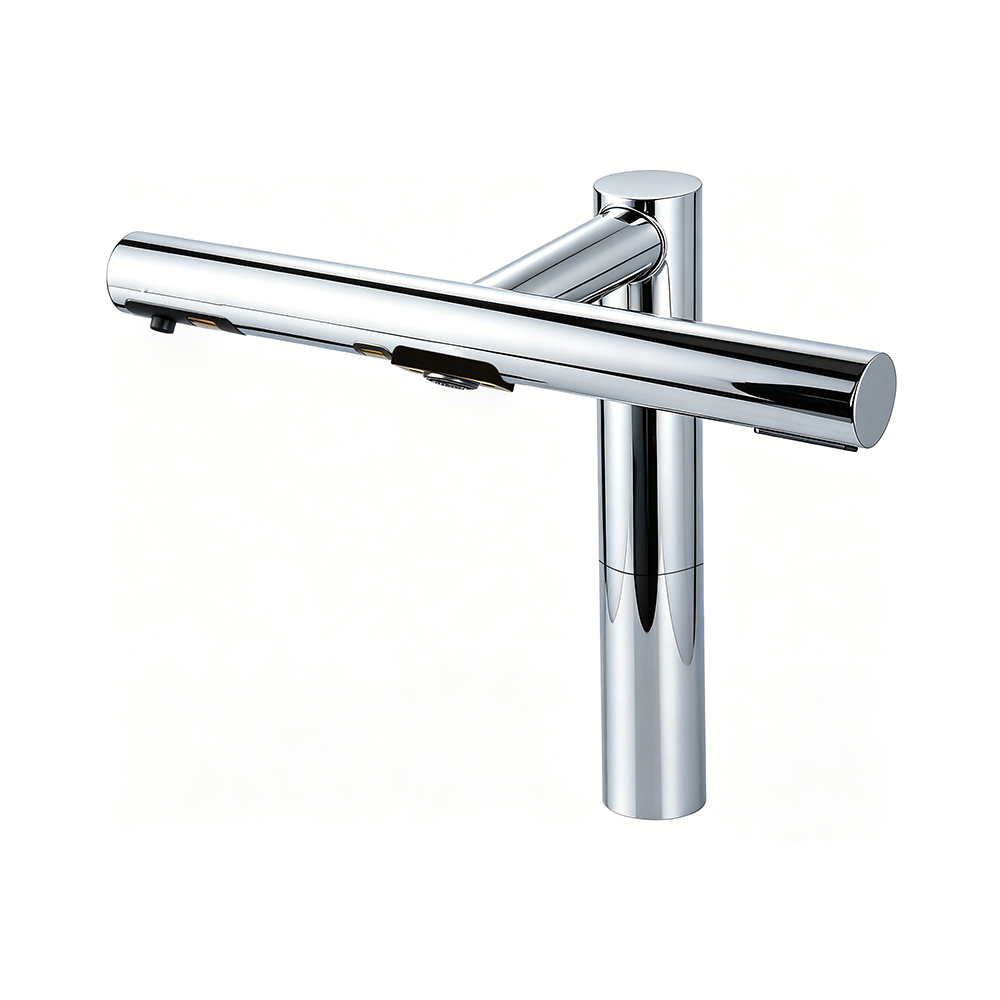
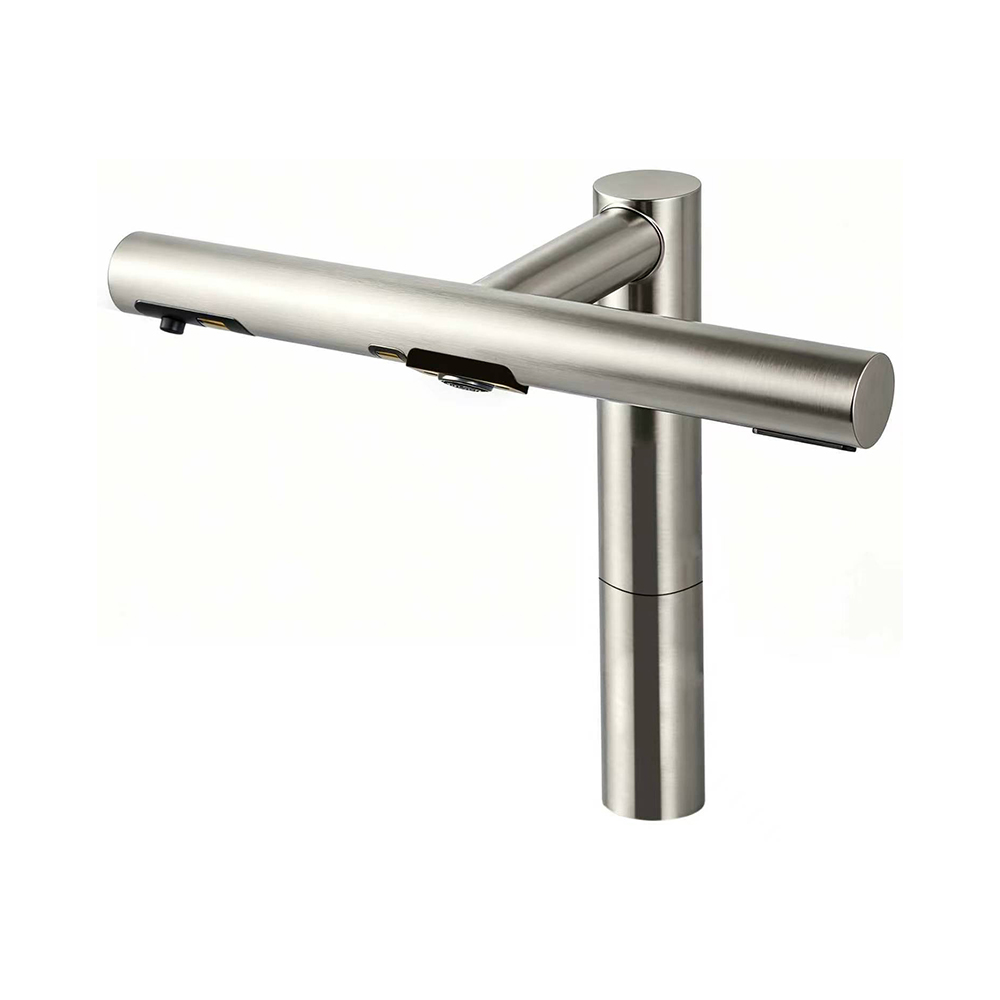
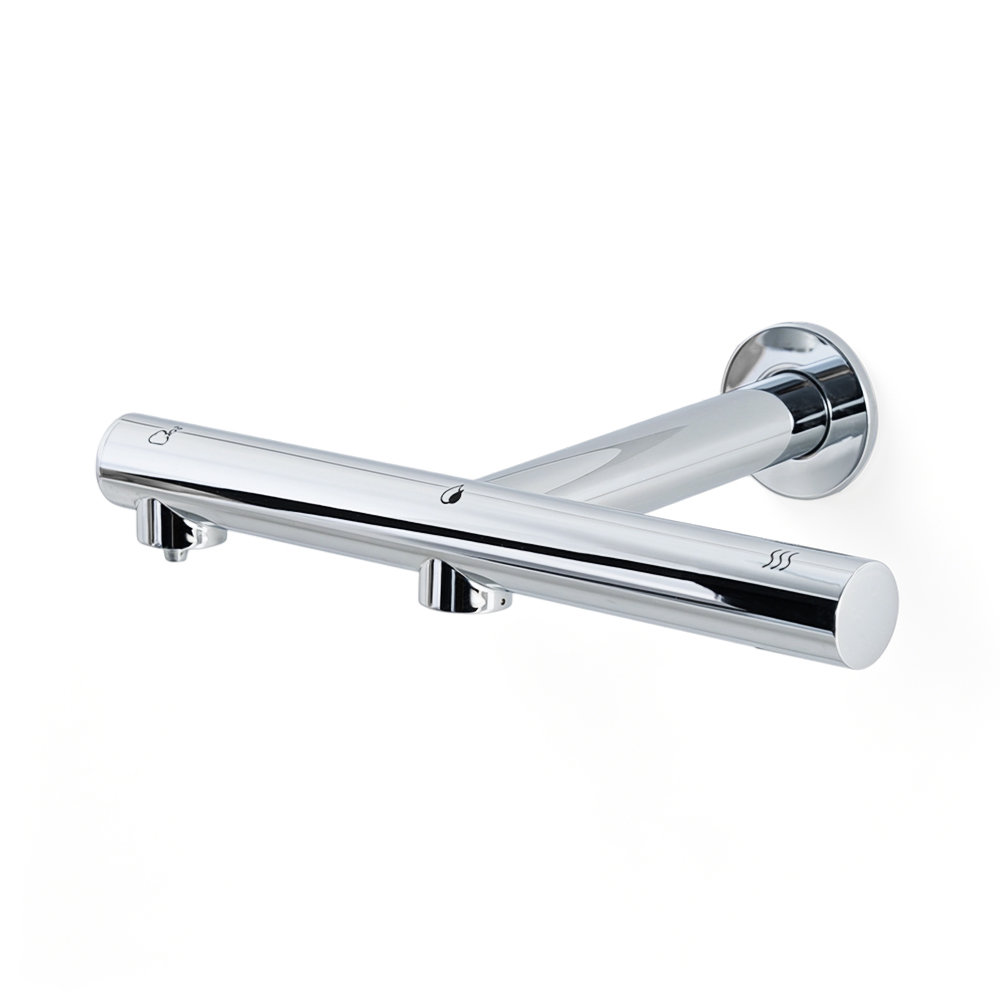
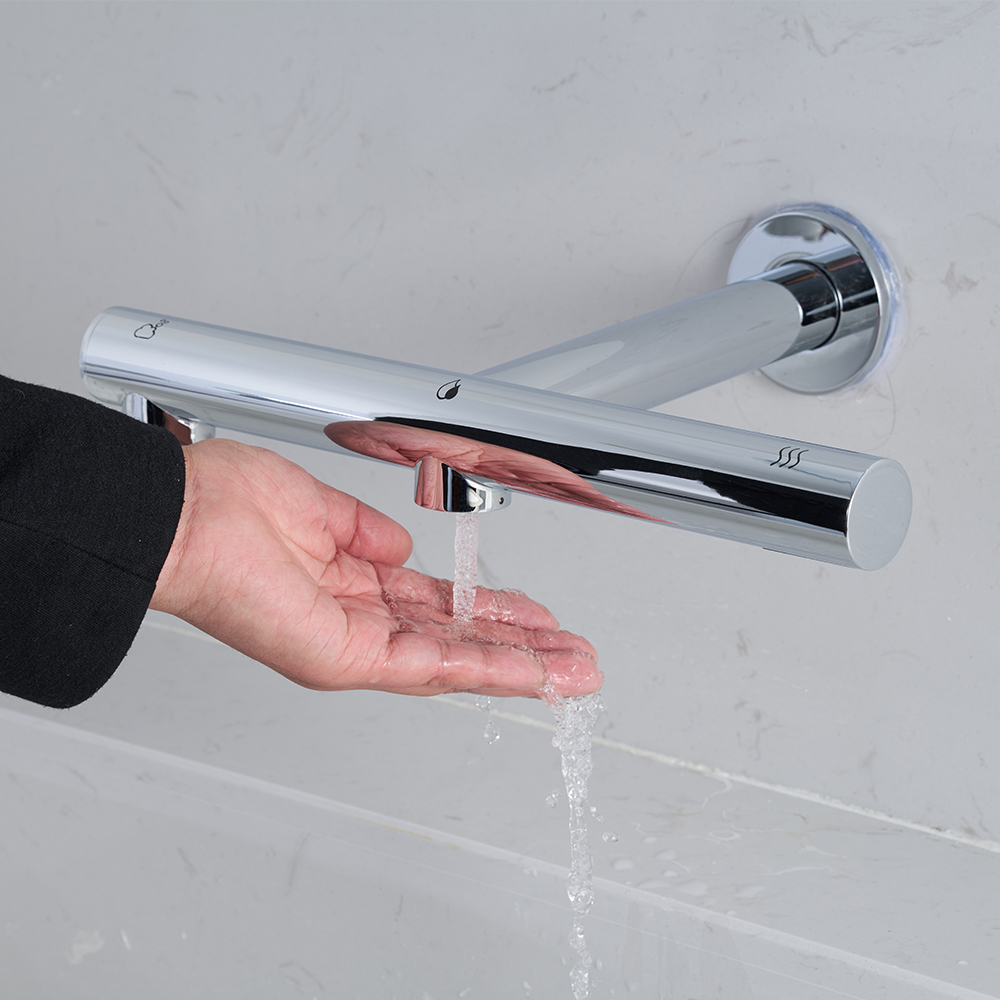
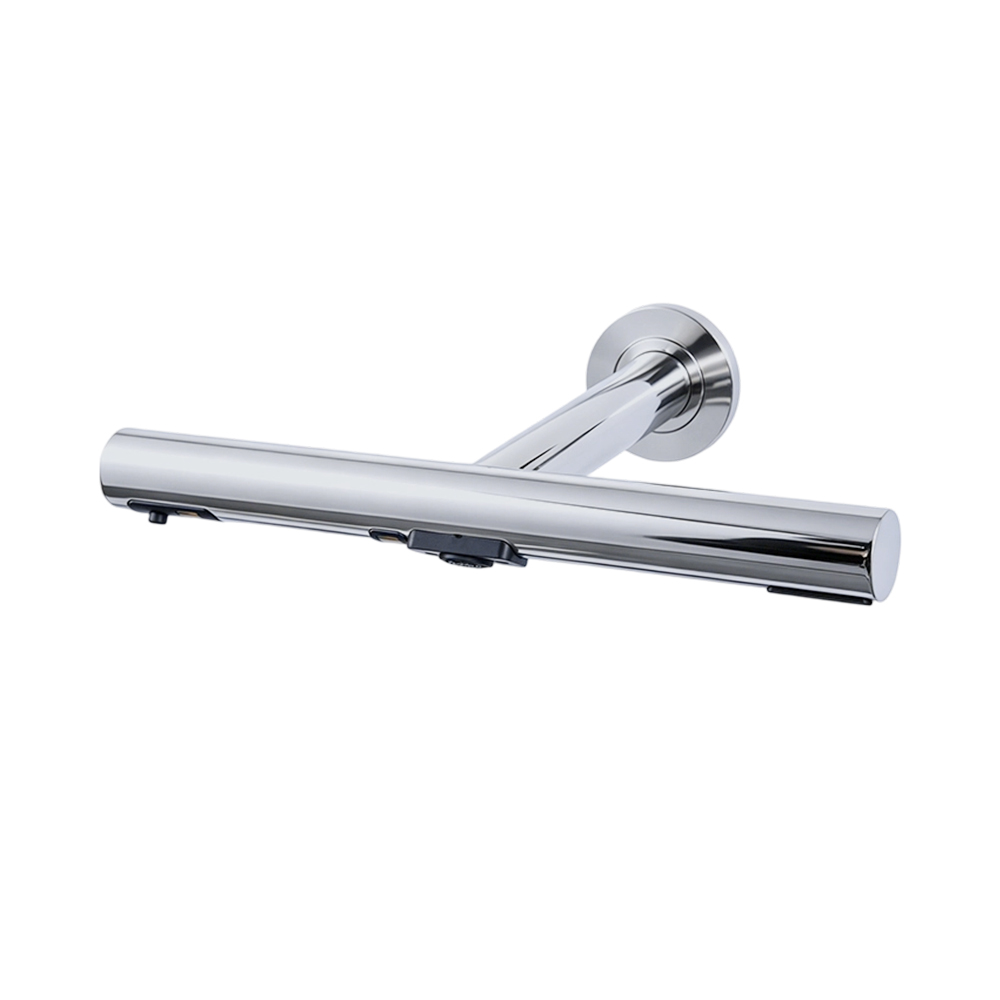
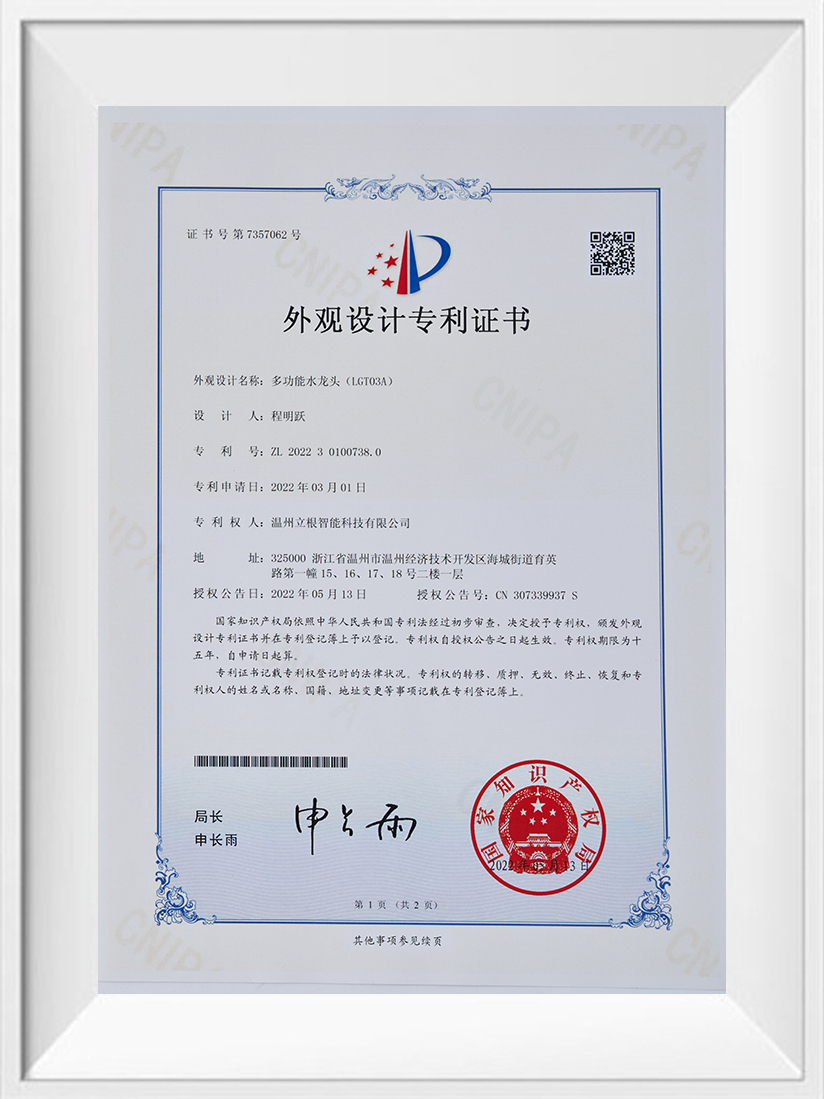
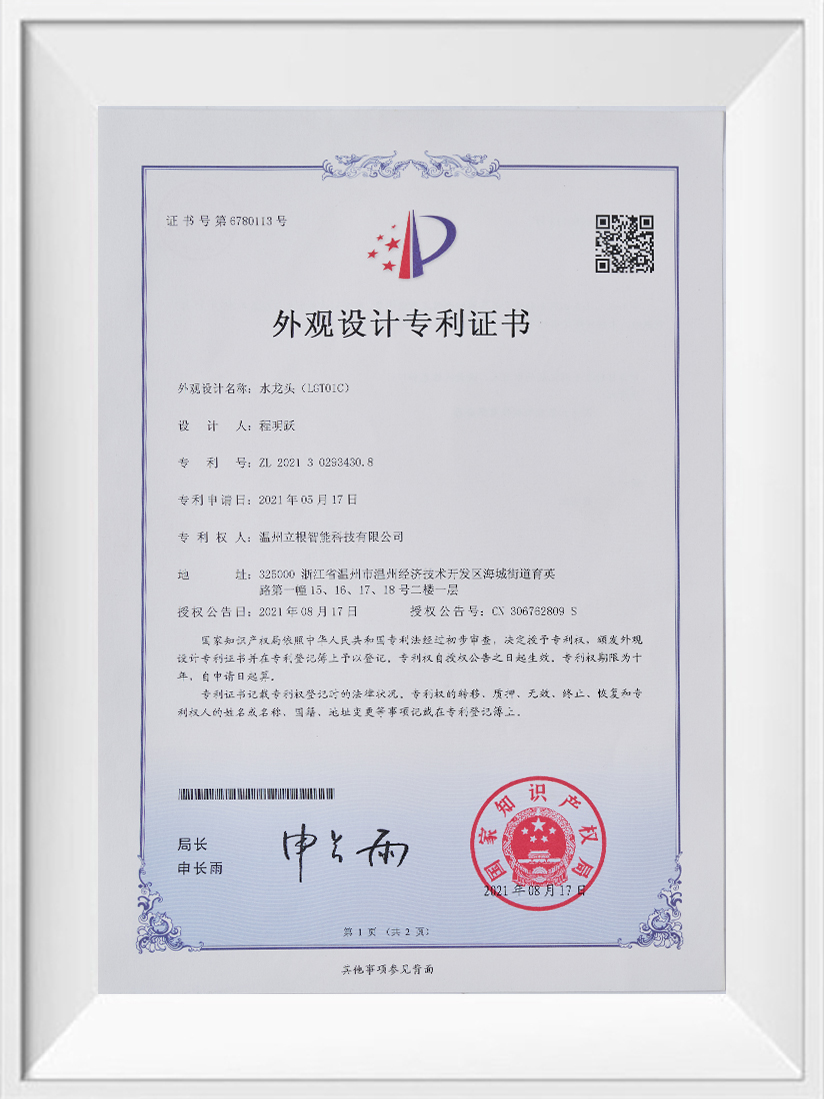
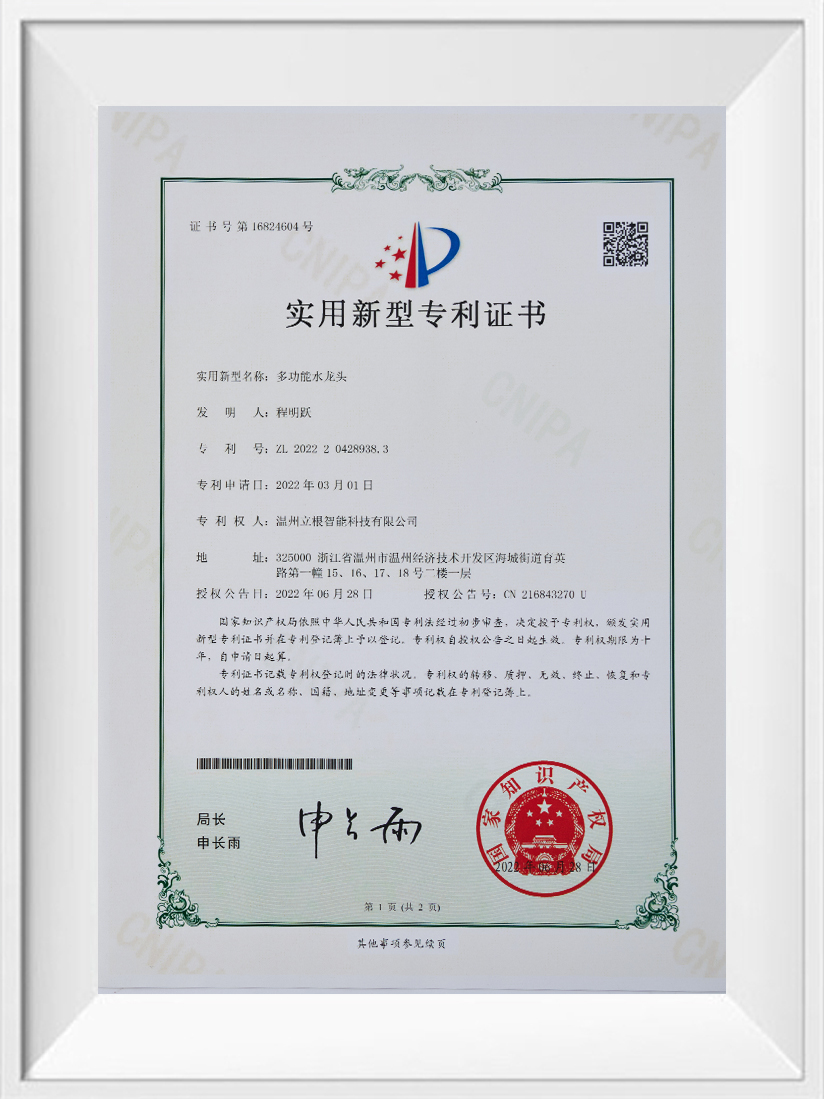
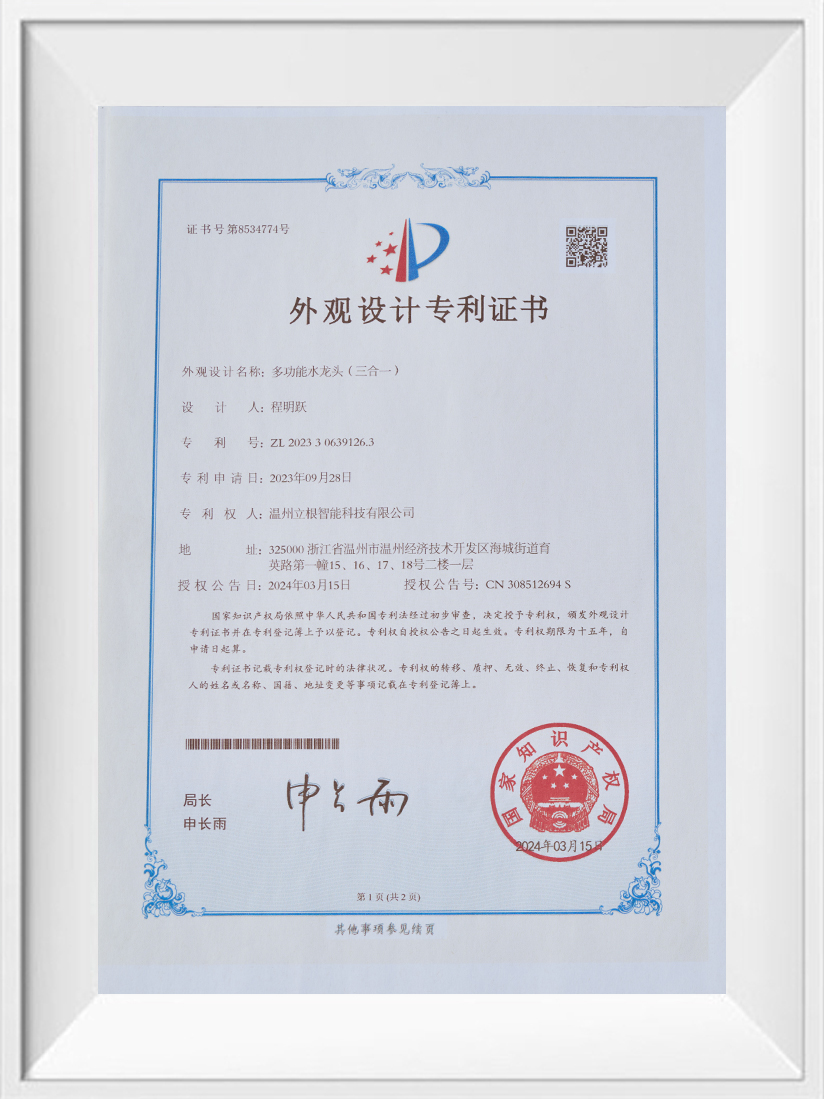
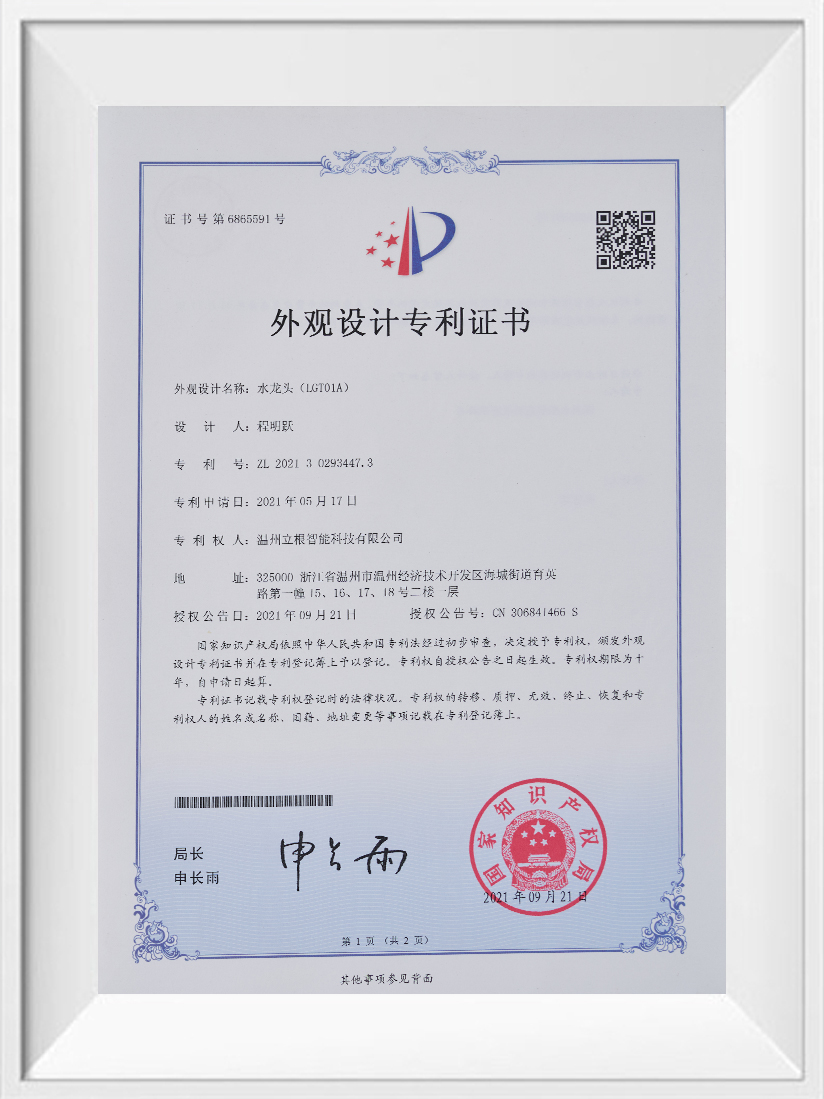
The 3-in-1 Faucet Hand Dryer integrates a third function—soap dispensing—into a combined faucet and hand dryer unit. Users can complete the entire hand-washing process—dispensing soap, washing hands (via a sensor-activated water stream), and automatic drying—using a single device, eliminating the need to install separate soap dispensers, faucets, and hand dryers in the restroom.
Structurally, these devices typically consist of three modules:
Sensor-activated soap module: Features a built-in soap reservoir and dispensing mechanism that automatically releases a measured amount of soap when hands approach (the specific type—foam or liquid—and dosage depend on the model design).
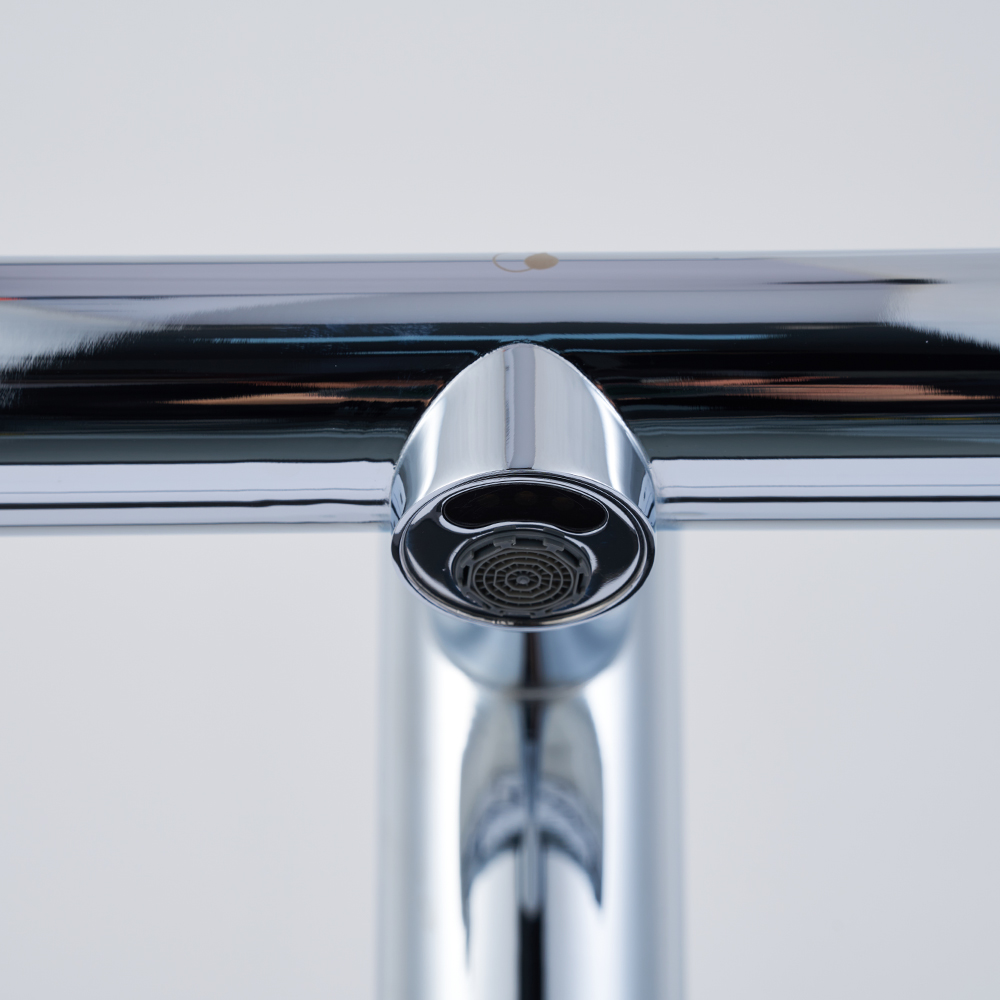
Sensor-activated faucet module: Operates like a standard sensor faucet, automatically dispensing water when hands approach and stopping when they move away.
Hand drying module: Activates automatically after the water flow stops or is triggered by bringing hands close again, completing the final step of the hand-washing process.
Application Scenarios for 3-in-1 Faucet Hand Dryers
Locations requiring strict adherence to hand hygiene protocols—such as outpatient clinics, ward corridors, and scrub areas outside operating rooms—benefit from the 3-in-1 design, which reduces the risk of healthcare-associated infections caused by skipped hand-washing steps.
- Food processing and commercial kitchens
Facilities with strict compliance requirements for employee hand-washing—such as food production workshops, central kitchens, and restaurant back-of-house areas—benefit from unified management of the hand-washing process and the ability to showcase compliant equipment during hygiene inspections.
Restrooms in kindergartens and primary/secondary schools; the system simplifies hand-washing for children, makes operation easier, and reduces cross-contamination risks associated with touching soap dispensers or faucet handles.
- Transportation hubs and commercial public facilities
High-traffic areas like airports, high-speed rail stations, subway stations, and shopping mall restrooms; the integrated unit reduces the number of maintenance and inspection points compared to having multiple independent devices.
- Office buildings and hotels
Commercial spaces that prioritize restroom aesthetics and efficient space utilization; the integrated unit minimizes countertop clutter. Restroom Renovation Project for Existing Buildings: When countertop space is limited and adding a separate soap dispenser or hand dryer is not feasible, upgrading to a "3-in-1" unit allows for expanded functionality without increasing the countertop footprint.
Advantages and Performance of the 3-in-1 Faucet/Hand Dryer
- High Functional Integration
Combines soap dispensing, sensor-activated water flow, and hand drying into a single unit, reducing the number of separate fixtures in the restroom.
- Fully Touch-Free Operation
All three functions are triggered by sensors; users do not need to press soap pumps, turn faucet handles, or push dryer buttons. This touch-free solution helps reduce the risk of cross-contamination.
- Centralized Installation and Maintenance
Water supply, power connection, and soap refilling are all handled at a single location. This facilitates unified inspections by property management or maintenance teams and is more efficient than maintaining three separate, dispersed units (specific maintenance frequency and procedures are subject to the supplier's manual).
- Improved Space Utilization
Compared to installing three separate units (faucet, soap dispenser, and hand dryer), the 3-in-1 unit occupies less countertop or wall space, making it ideal for compact areas or projects requiring a clean, uncluttered countertop.
- Helps Improve Hand-Washing Compliance
In settings such as healthcare facilities or food processing plants, the integrated workflow design can reduce instances of users skipping the soap application step (effectiveness depends on specific facility management policies and user habits; the equipment alone cannot guarantee this outcome).
- Supports Bulk Customization
Options include exterior color, sensor parameters, and soap type compatibility (foam vs. liquid); availability and minimum order quantities are subject to supplier confirmation.
Frequently Asked Questions
1. What are the main differences between a 3-in-1 faucet/hand dryer unit and the standard setup of separate soap dispenser, faucet, and hand dryer units?
The main differences lie in the number of units and the installation method: The 3-in-1 unit integrates soap dispensing, sensor-activated water flow, and hand drying into a single device requiring only one installation point. In contrast, separate installations typically require placing three independent units in the restroom, which consumes more countertop or wall space and involves multiple points for installation, wiring, and ongoing maintenance.
2. For faucets with integrated soap dispensers featuring automatic dispensing, is the system compatible with all types of hand soap available on the market?
Compatibility depends on the specific dispensing mechanism (e.g., foam vs. liquid, the size of the soap reservoir, and the inlet design). Different models may have specific requirements regarding soap viscosity or the need for proprietary soap cartridges. It is recommended to consult the supplier before purchase to confirm the compatible soap types and any requirements for proprietary consumables, thereby avoiding dispensing malfunctions caused by soap incompatibility.
3. Does refilling the soap require professional personnel? What is the typical frequency for routine maintenance?
The refilling method (e.g., whether the device casing must be opened or if there is a dedicated refill port) varies by model, and the maintenance frequency depends on usage volume and the soap reservoir capacity. It is advisable to request the product maintenance manual from the supplier to confirm the specific refilling procedure and recommended schedule, allowing for the proper planning of routine inspections by cleaning staff.
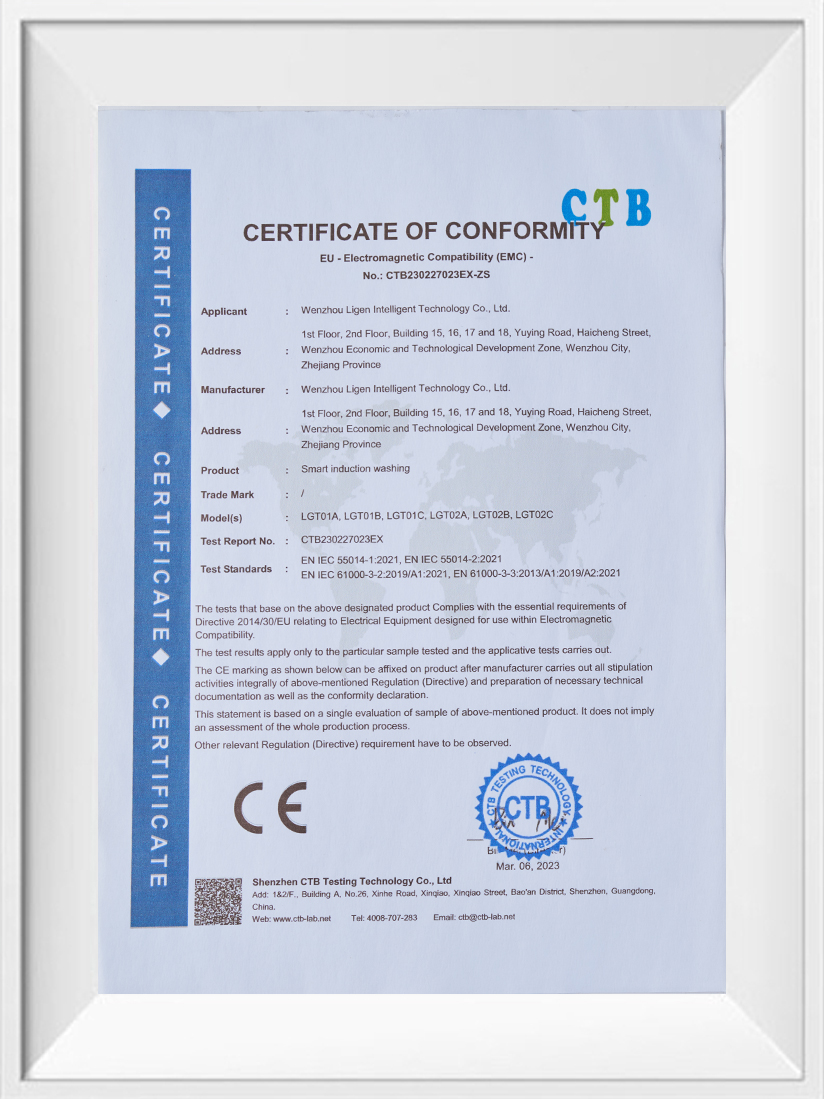
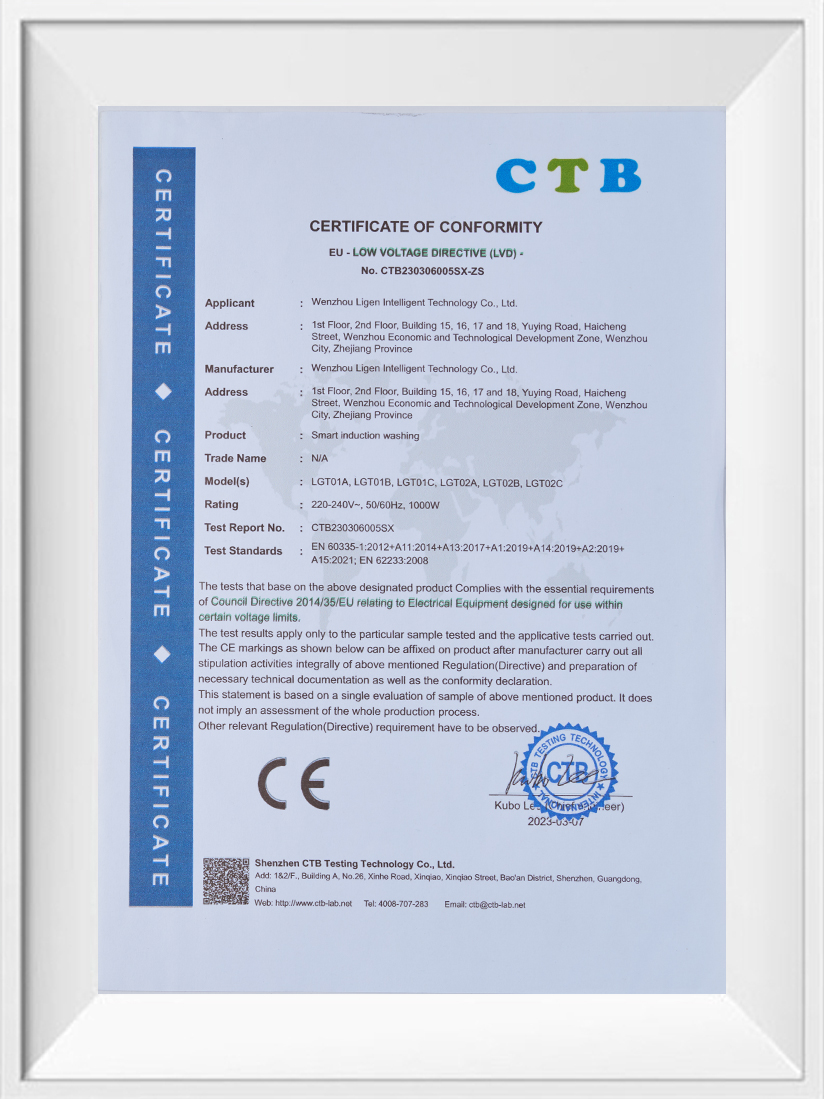
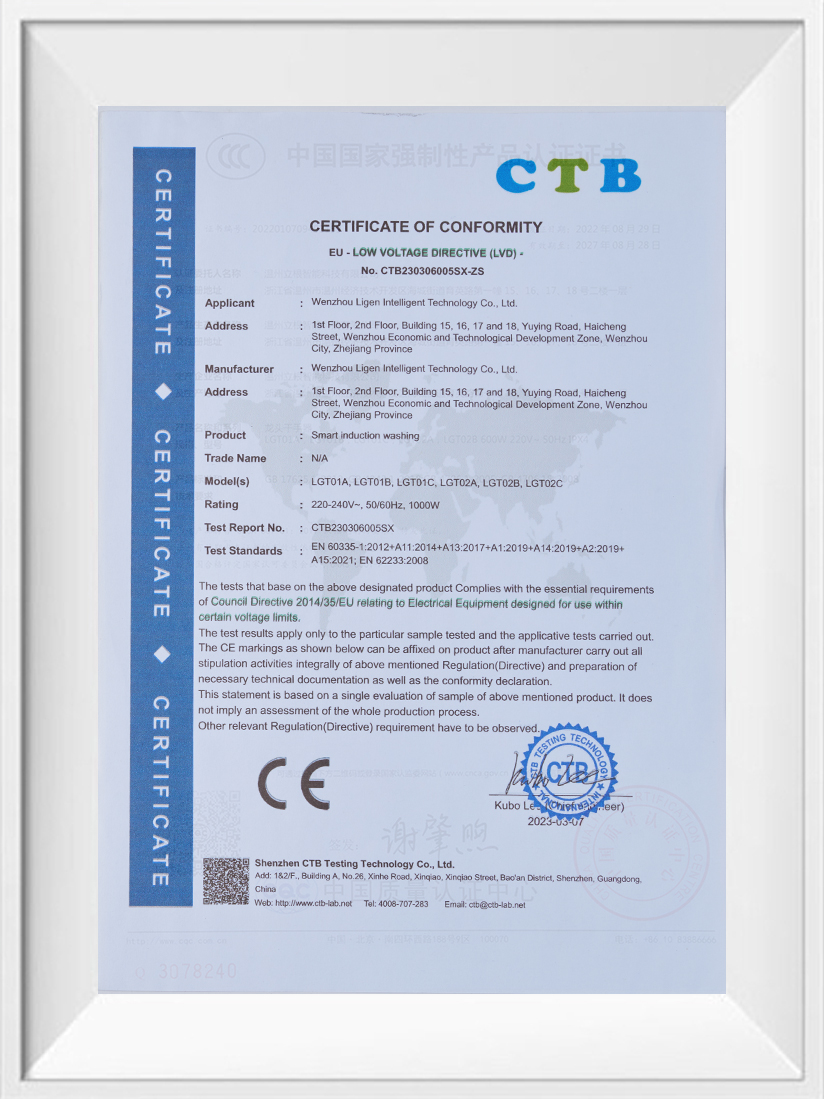
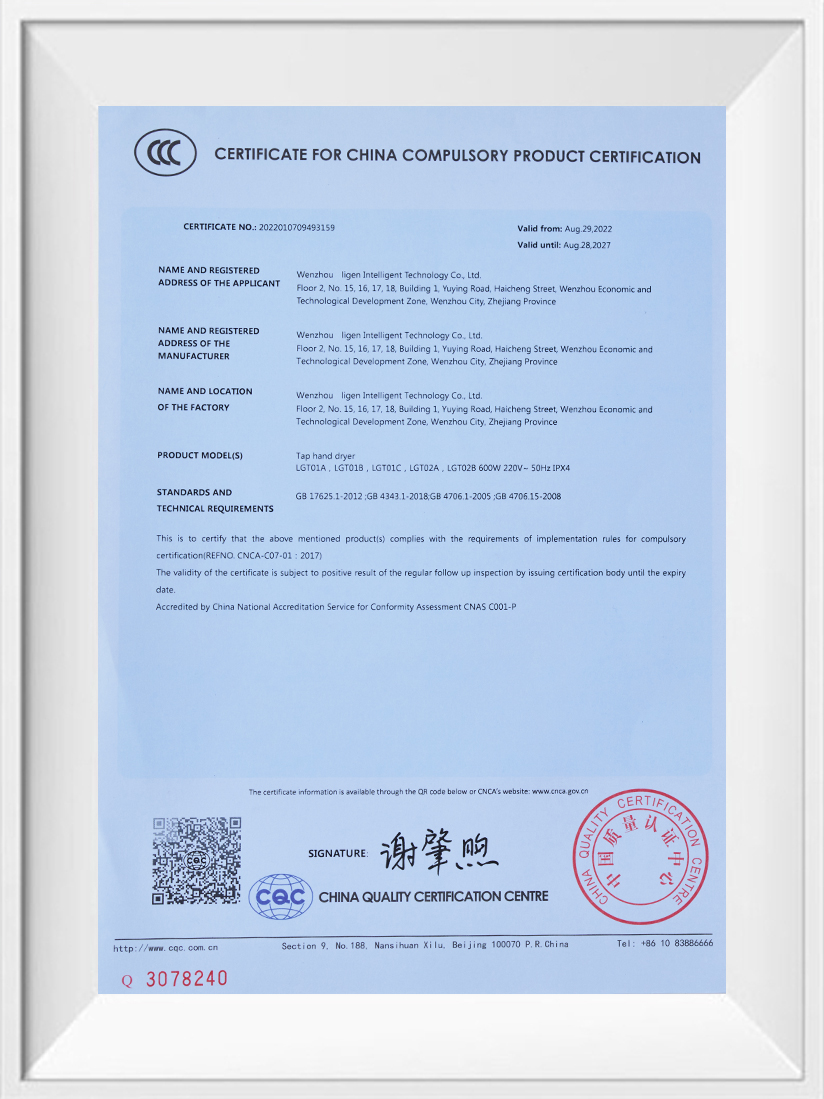
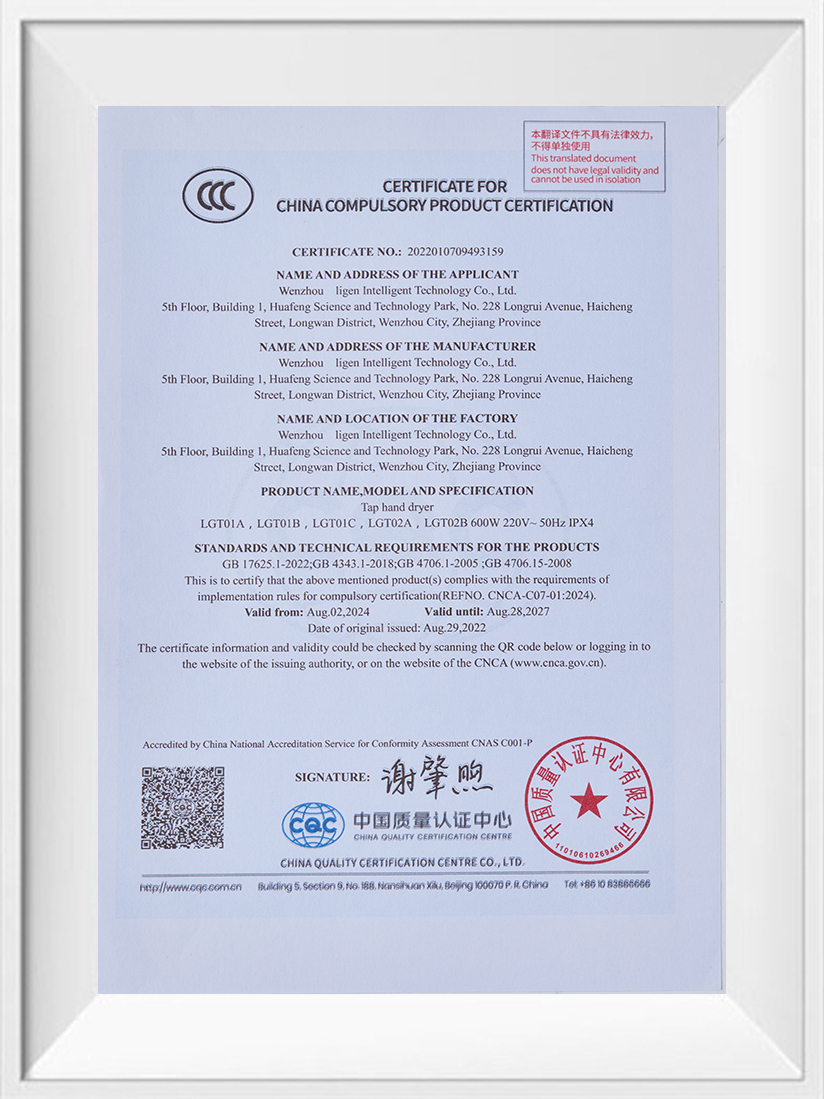
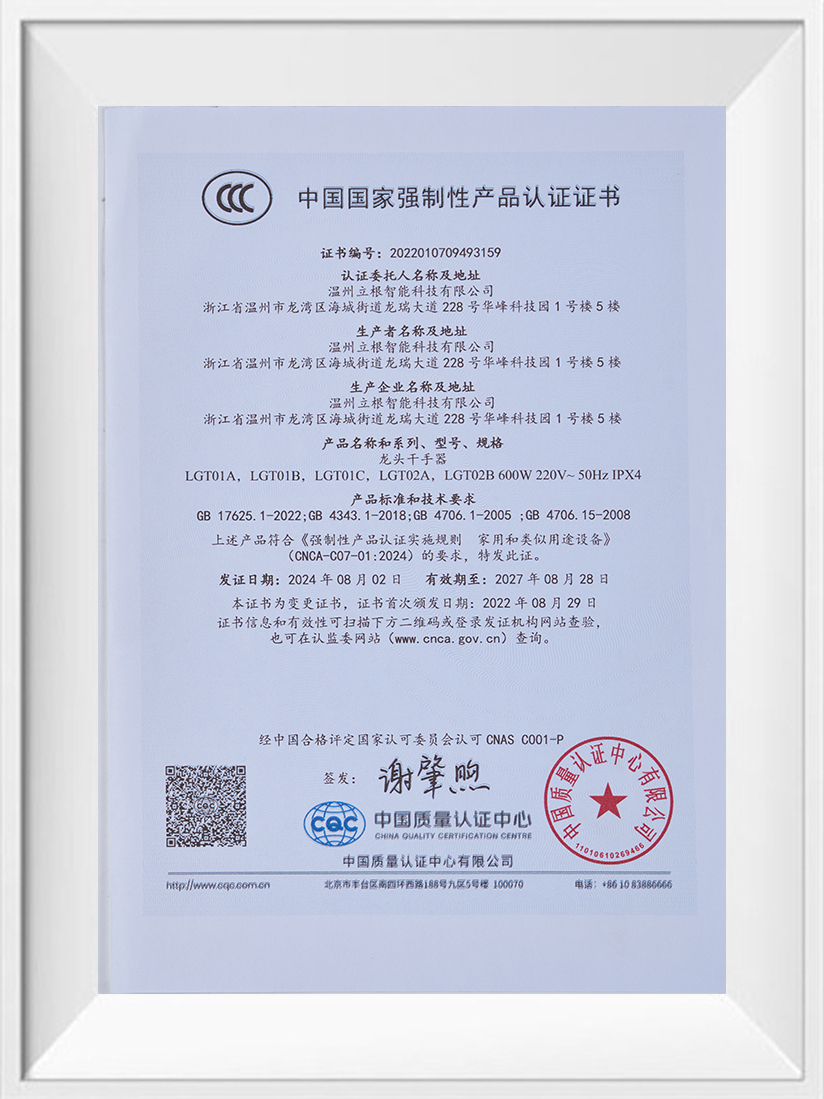
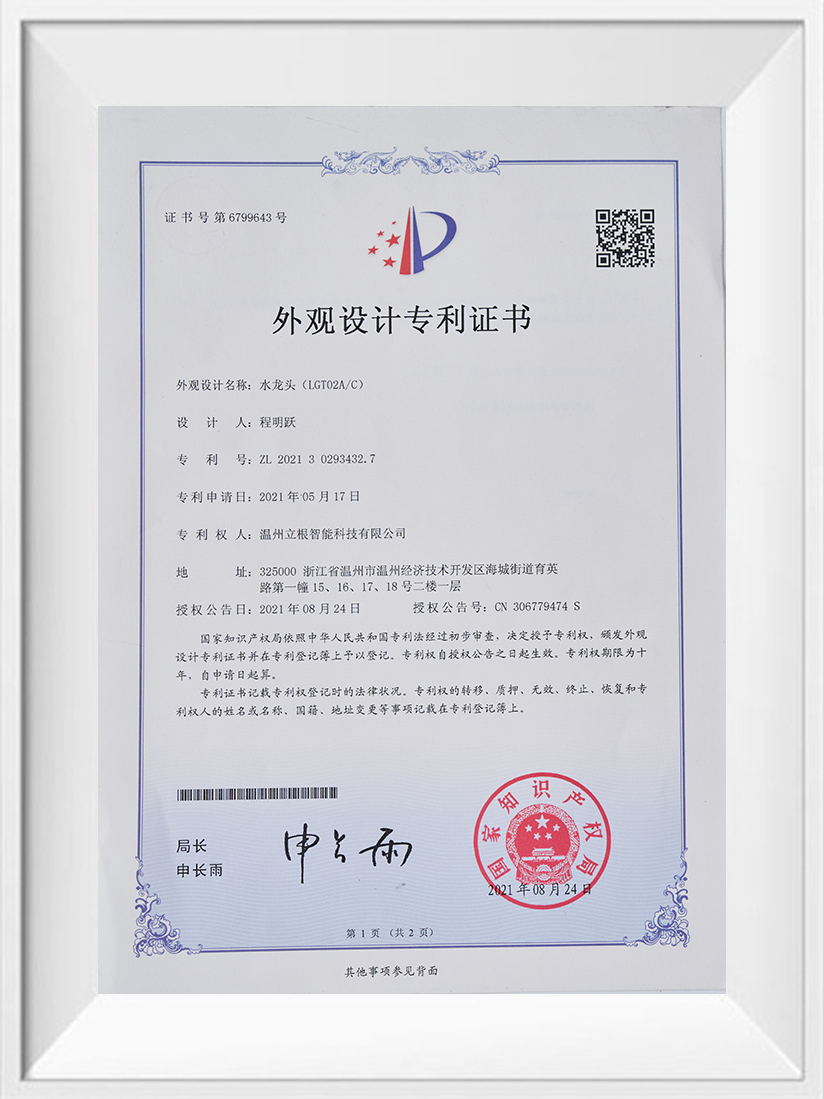
4. For facilities with strict hygiene compliance requirements—such as hospitals or food processing plants—what certifications or testing criteria should be prioritized when purchasing this type of equipment?
You should request relevant test reports or certification documents (covering aspects such as electrical safety and material hygiene) from the supplier based on the regulatory requirements applicable to your facility. It is also recommended to verify the authenticity of these reports through the official channels of the testing agencies; relying solely on promotional materials provided by the supplier is not recommended. Regarding specific certification requirements, please consult your company's quality or compliance department to confirm the regulations applicable to your facility before making a purchase.



 русский
 عربى
عربى