

 русский
 عربى
عربى
Motor Type Decides How Fast Hands Actually Dry
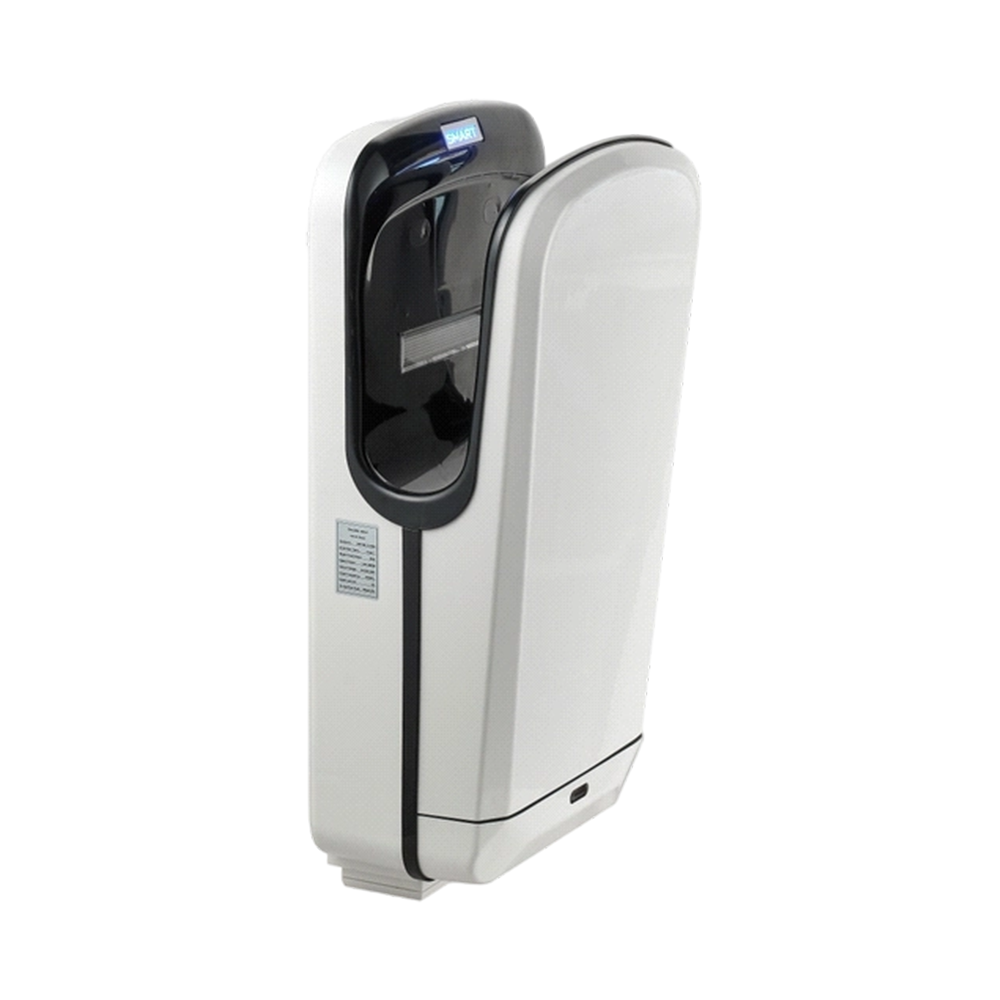
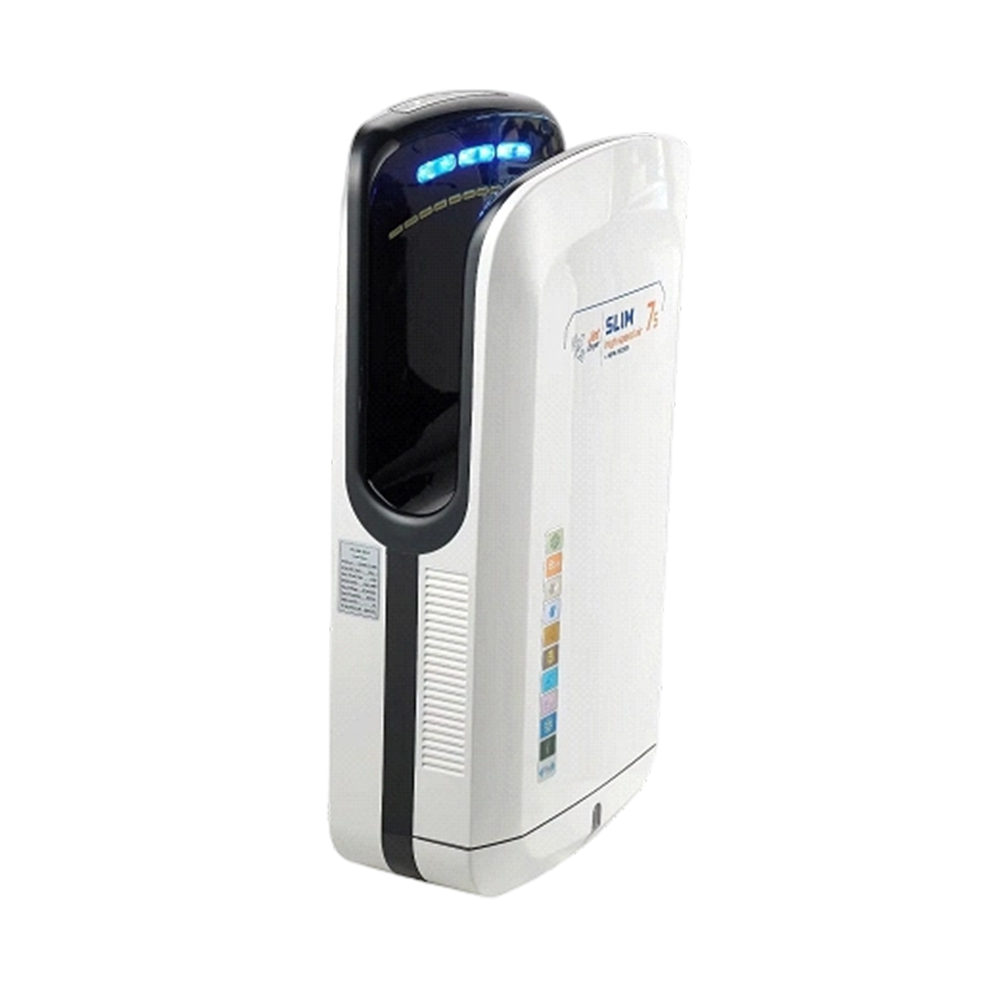
Conventional hand dryer models rely on a simple heating element paired with a fan, warming the air before pushing it out across wet hands. This design works, but it's slower, and the wait time is often what drives complaints in busy restrooms like those in airports, stadiums, or shopping centers. Newer high-speed models switch to brushless DC motors, which spin faster and push air at a higher velocity without needing to heat it first — the drying happens mechanically, by blasting water off the skin rather than evaporating it with warmth.
This shift toward brushless motor designs has changed how buyers evaluate a hand dryer for high-traffic installations. A unit rated for a fifteen-second dry time versus one that takes closer to thirty seconds makes a real difference when a restroom sees hundreds of users a day, and that gap adds up quickly in terms of line length and user satisfaction during peak hours.
Noise Levels Matter More Than Buyers Expect
Airflow speed and sound output tend to move together, and that trade-off shows up constantly in hand dryer sourcing conversations. A unit powerful enough to dry hands quickly often generates more noise than a slower, gentler model, which creates friction in certain settings — a quiet boutique hotel bathroom has different acoustic expectations than a stadium concourse restroom where ambient noise is already high.
Some manufacturers have addressed this by adding sound-dampening housing or airflow nozzles designed to reduce the whooshing or roaring quality some units produce. Buyers stocking a hand dryer for noise-sensitive environments, like healthcare facilities or upscale offices, often specify a decibel rating upfront rather than assuming a fast dryer will automatically be too loud for the space.
Sensor Technology and Touchless Operation
Nearly every hand dryer sold for commercial installation today uses infrared or motion sensors rather than a manual push button, largely because touchless operation reduces contact points in shared restroom spaces. Sensor placement and sensitivity vary between models, though, and a poorly calibrated sensor creates its own frustration — either triggering too late, leaving hands waiting under an inactive unit, or triggering too early and running before hands are actually positioned underneath.
Buyers comparing sensor-based hand dryer units often ask suppliers about detection range and how the unit handles inconsistent hand positioning, since real-world use rarely matches the tidy testing conditions a spec sheet describes. A responsive sensor that activates within a fraction of a second tends to feel more reliable to users than one with a noticeable lag, even if the underlying airspeed and drying performance are otherwise similar.
Mounting Style and Facility Fit
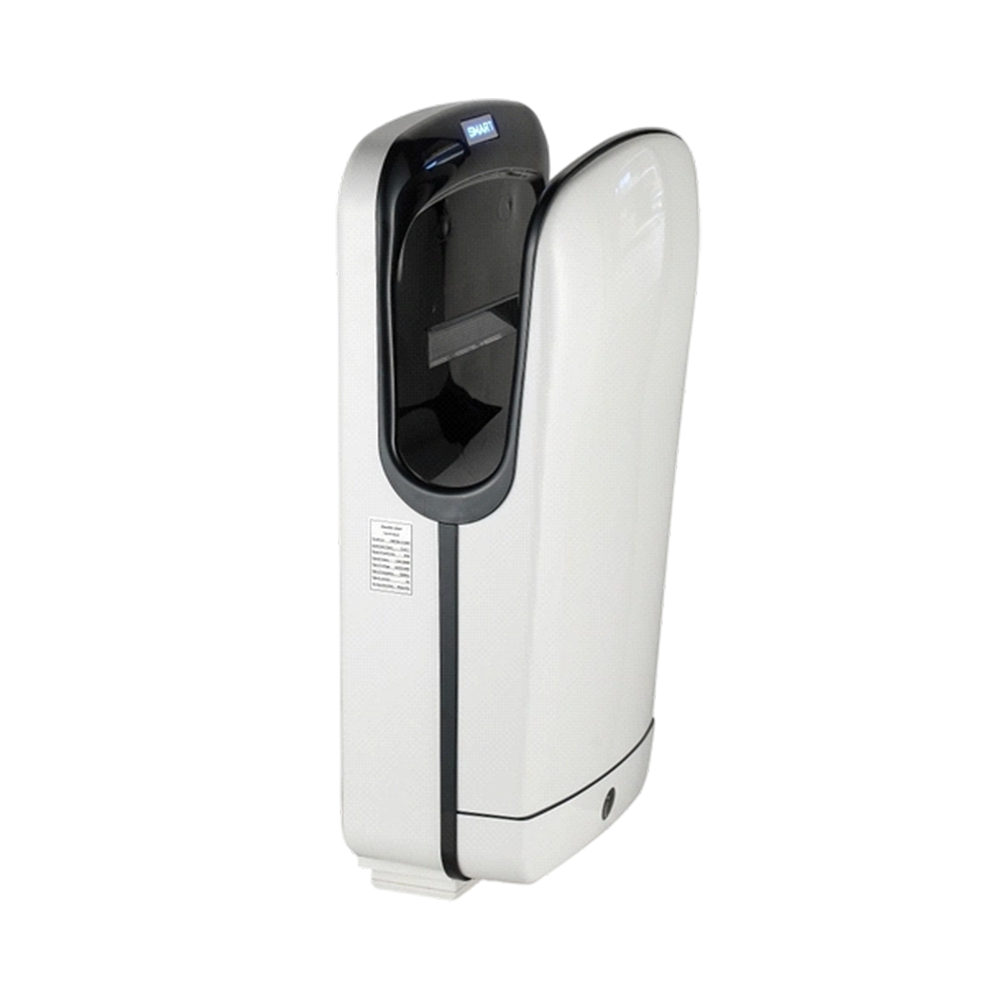
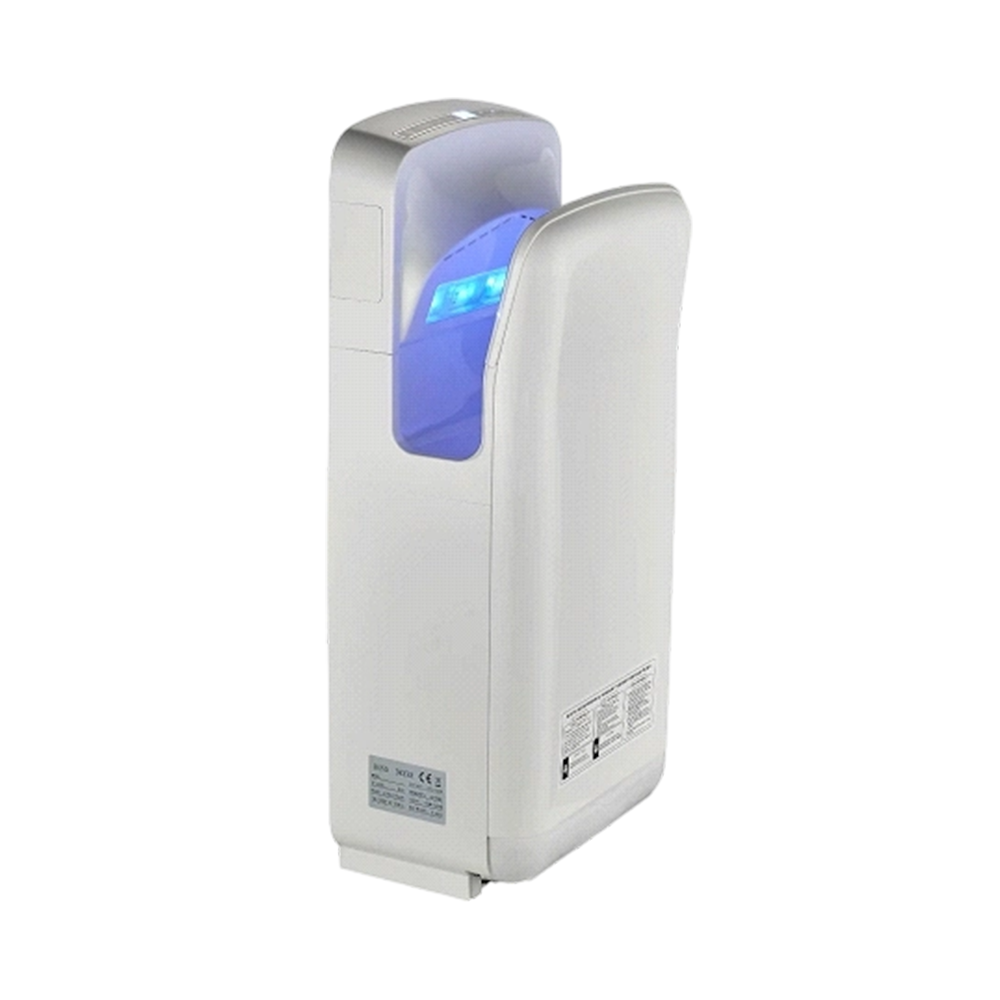
Wall-mounted units remain the standard configuration for most hand dryer installations, but mounting height, depth, and housing shape still vary enough to matter for facilities with specific layout constraints. Recessed models sit flush against the wall, which suits narrower restroom layouts or spaces where a protruding unit might interfere with door swing or foot traffic near sinks.
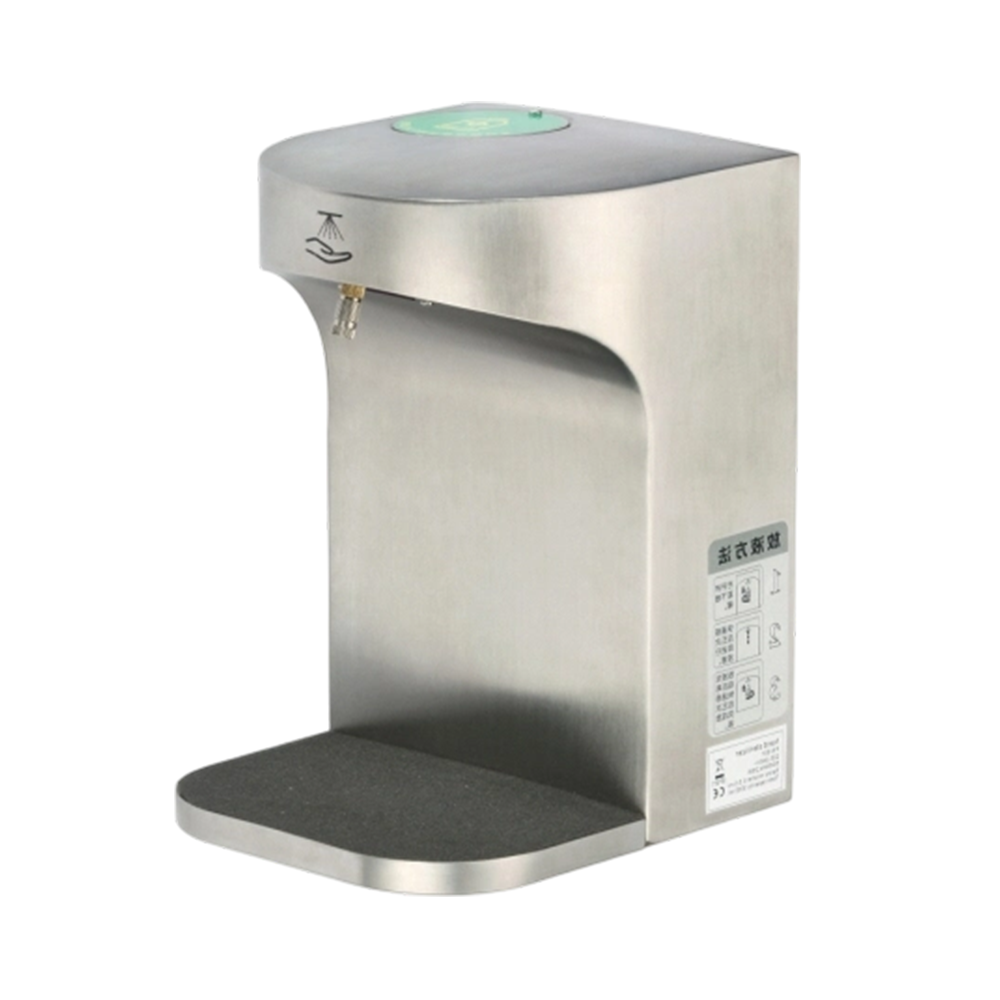
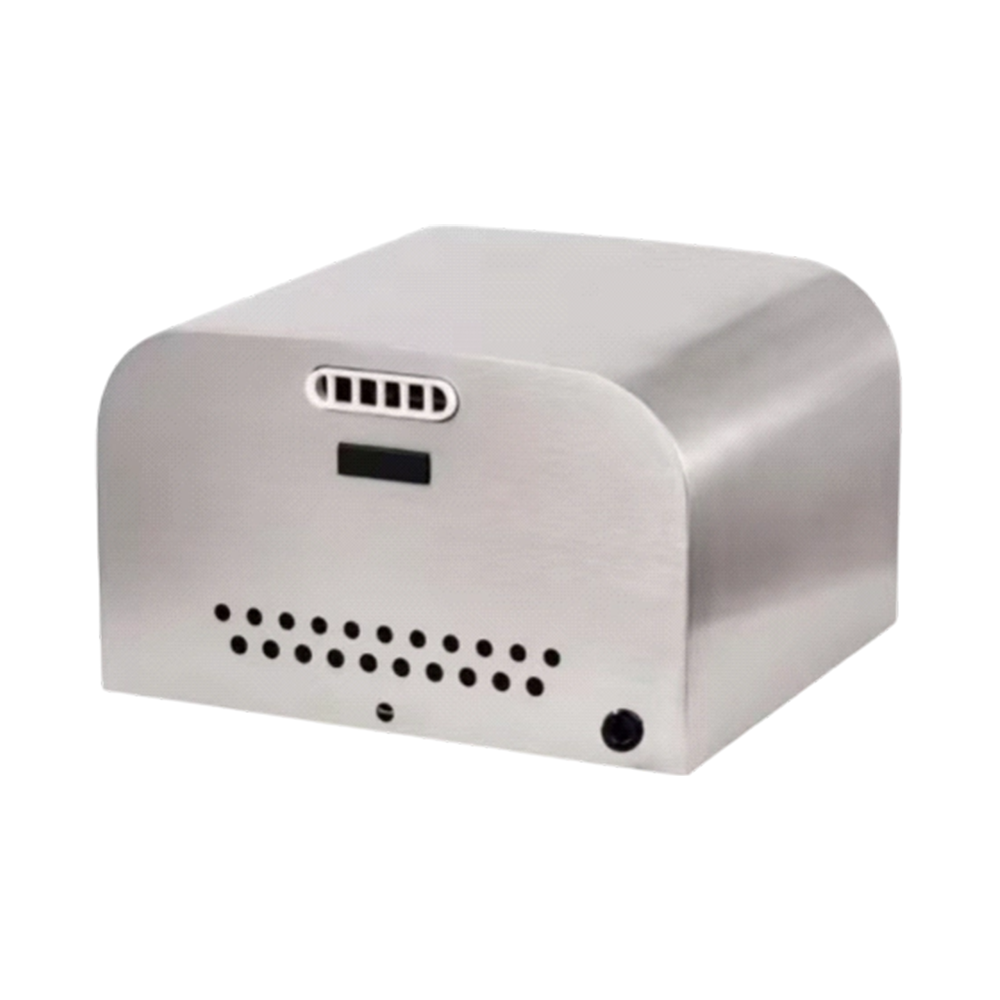
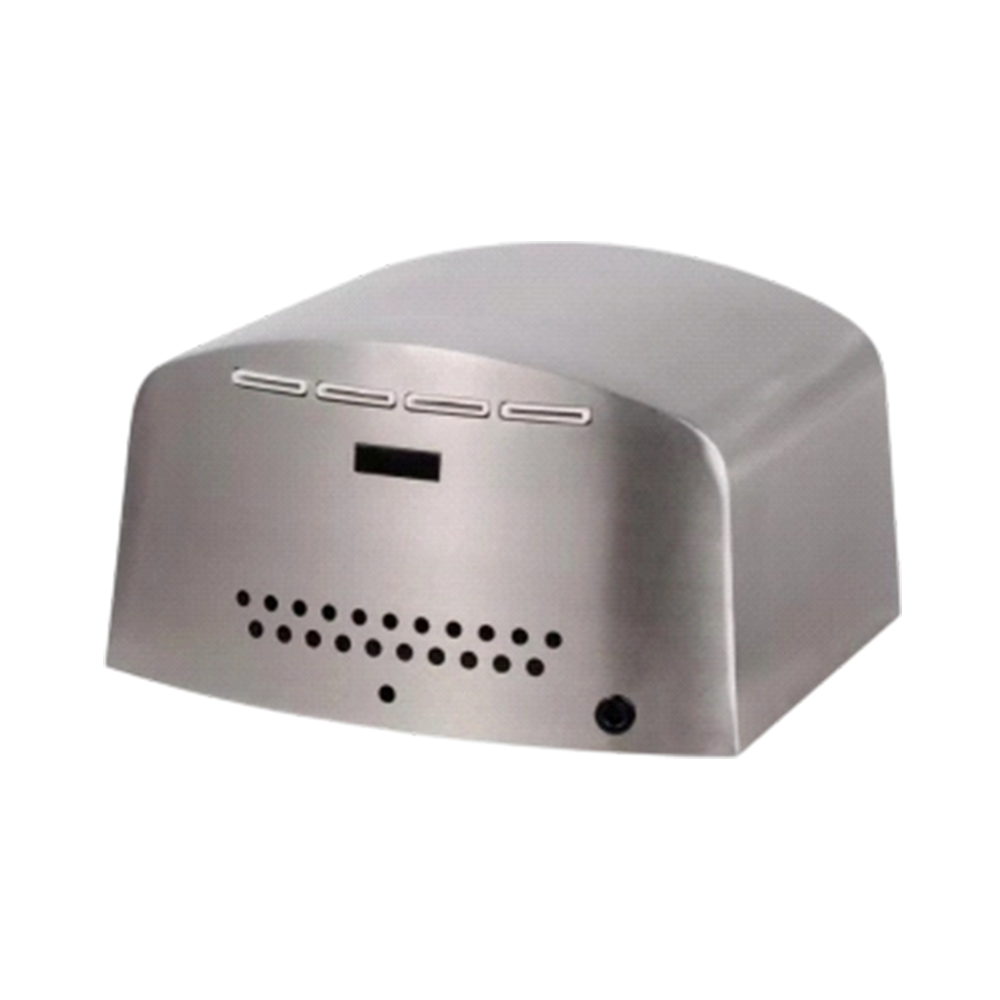
Housing material also comes up in facility sourcing decisions, particularly for high-traffic or vandalism-prone locations like public transit restrooms or stadium concourses. Stainless steel housings tend to hold up better against impact and scratching than plastic alternatives, and buyers stocking a hand dryer for these tougher environments often prioritize housing durability over marginal differences in dry time or design aesthetics.
 Previous