


 русский
 عربى
عربى
Smart Faucets Are Becoming More Technical The Smart Faucet is moving from a simple touch-free fixture toward a more integrated water control product. Modern designs can combine sensors, electronic val...
Read More
Soap Dispenser
-
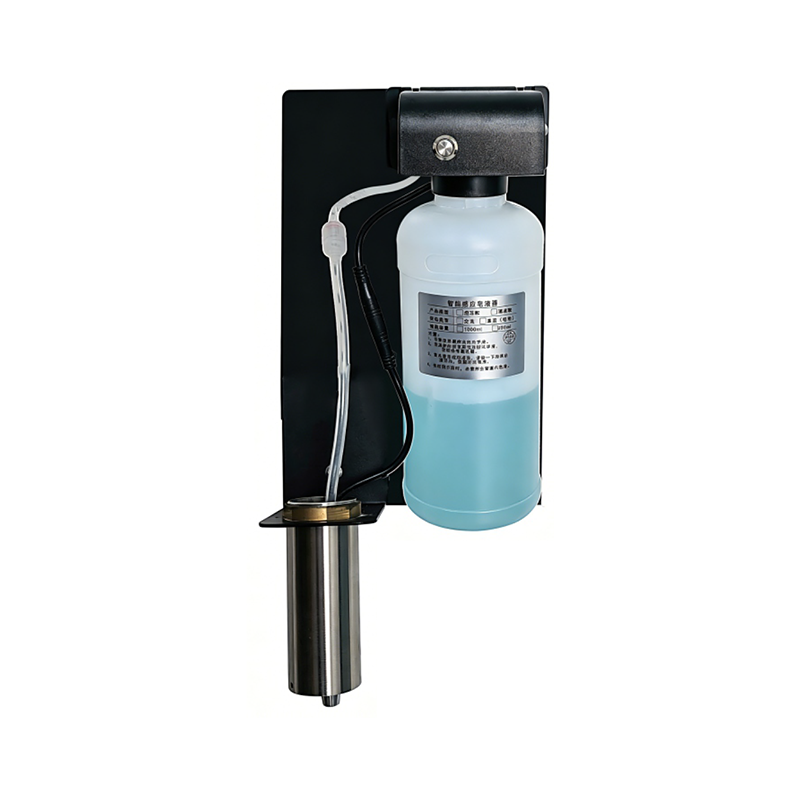 LGJZ01 Auto Behind the Mirror Soap Dispenser
-
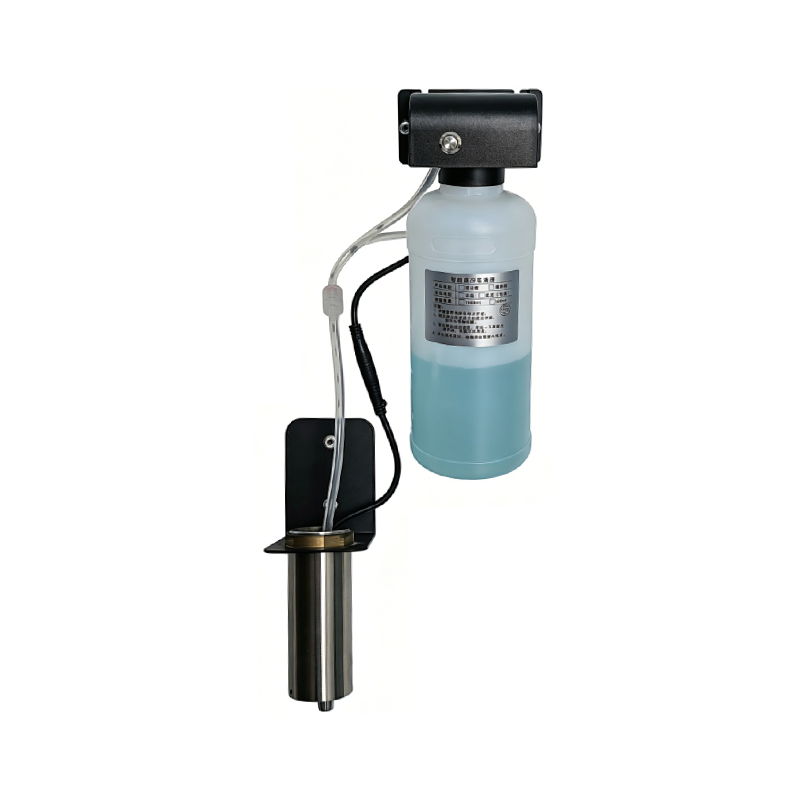 LGJZ02 Behind-the-Mirror Sensor Soap Dispenser
-
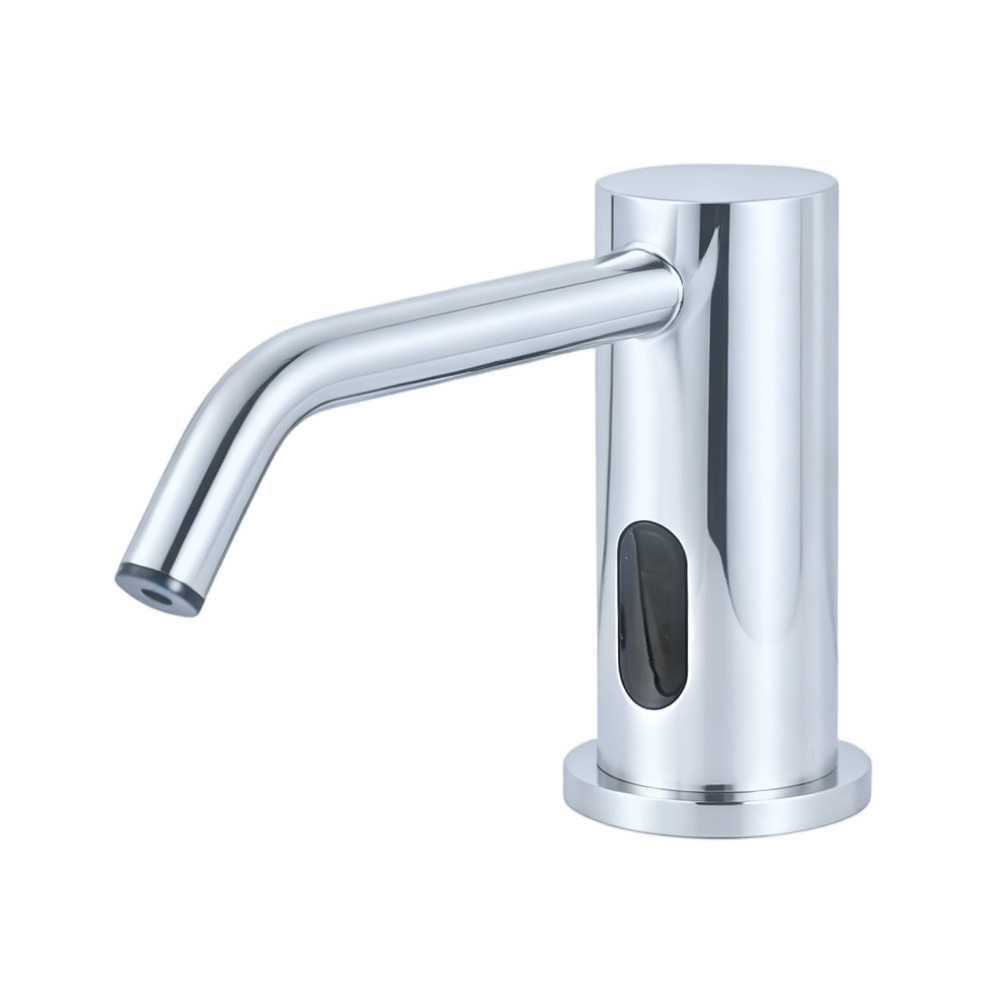
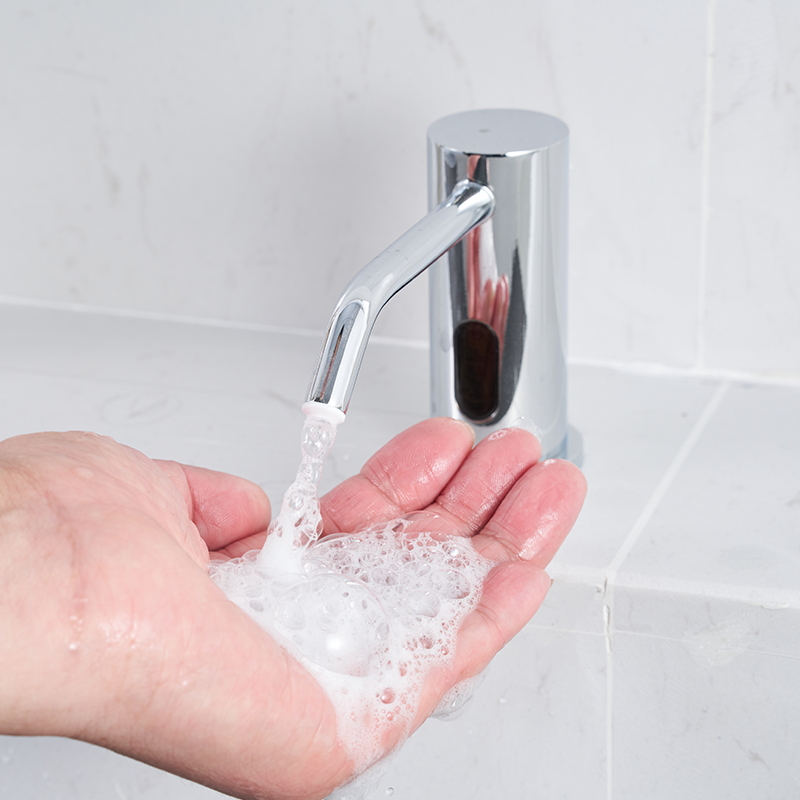 LGZ01A Copper Automatic Sensing Soap Dispenser
-
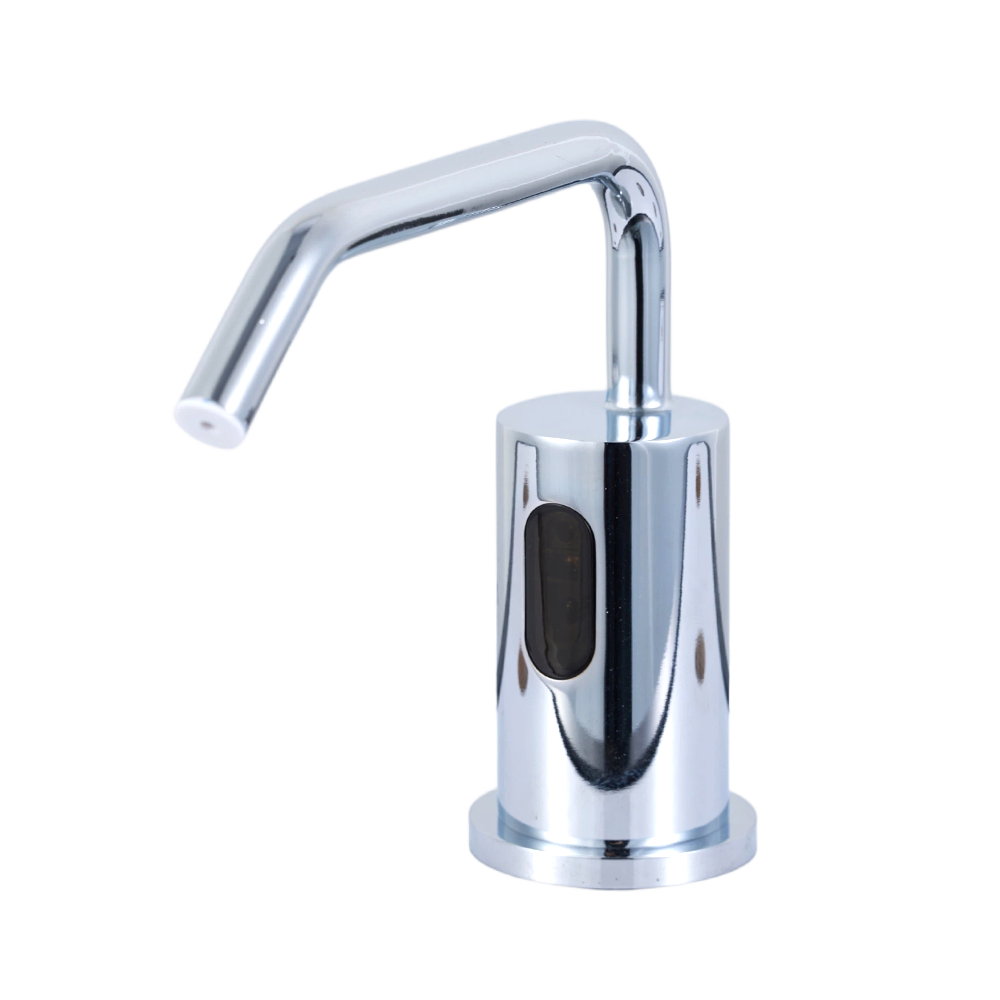
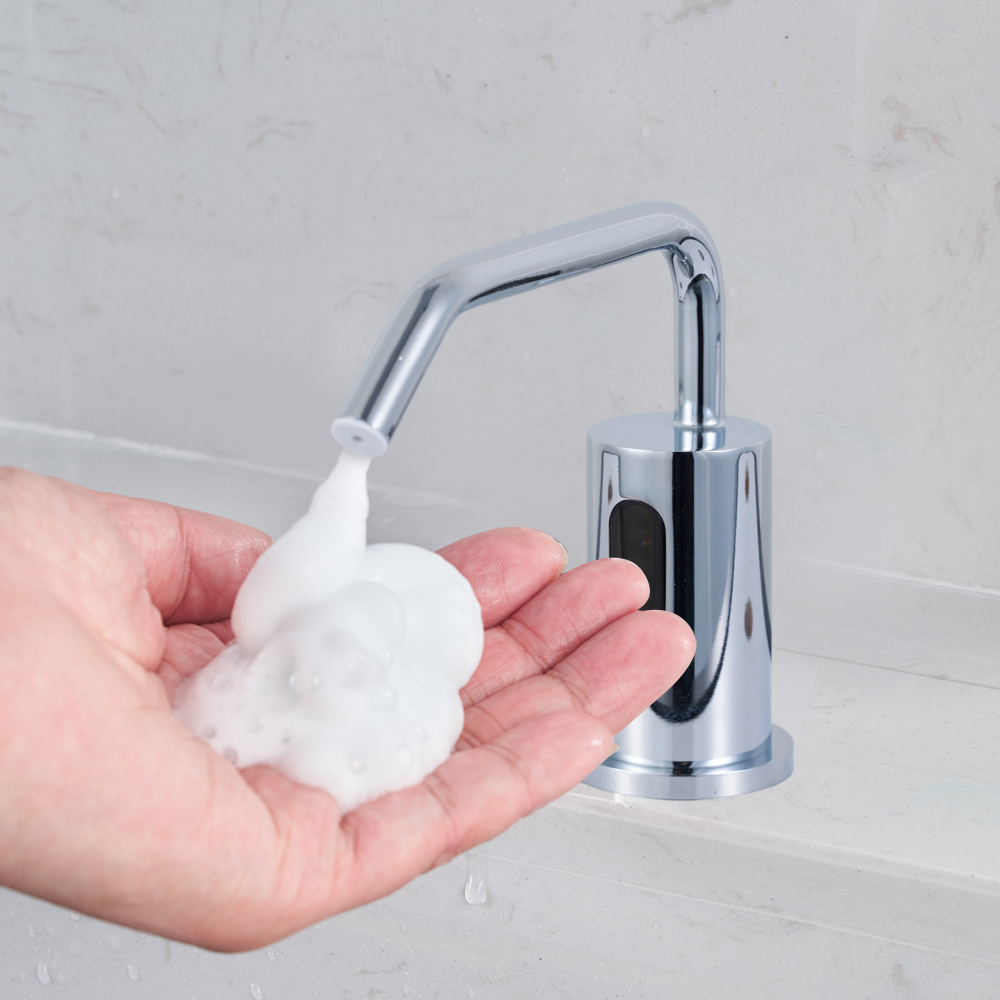 LGZ02A Copper Auto Sensor Soap Dispenser
-
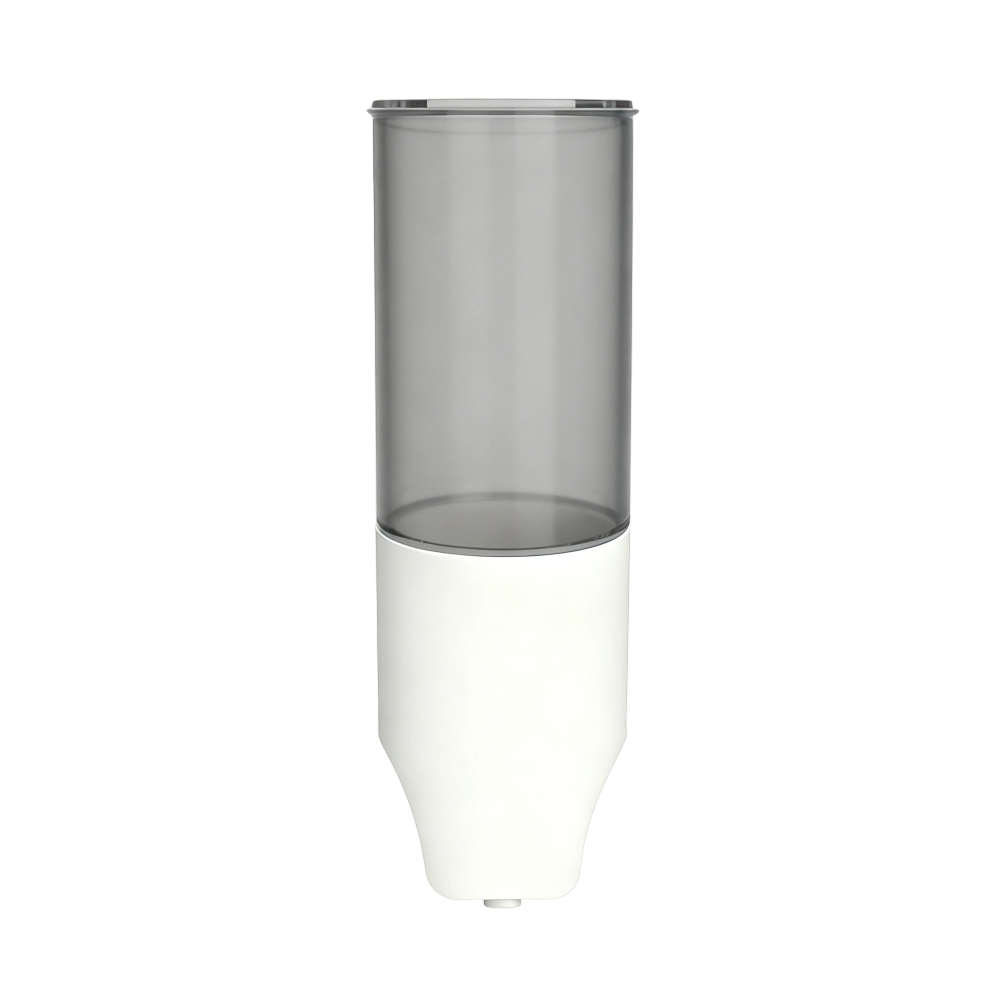 LGJZ03A ABS Automatic Sensing Soap Dispenser
Our company offers both countertop and wall-mounted soap dispensers that can be flexibly adapted to various traditional faucets, providing convenient handwashing assistance. With diverse designs and affordable prices, these dispensers offer safe and hygienic contactless soap dispensing, making them the perfect complement to any faucet.
About Us
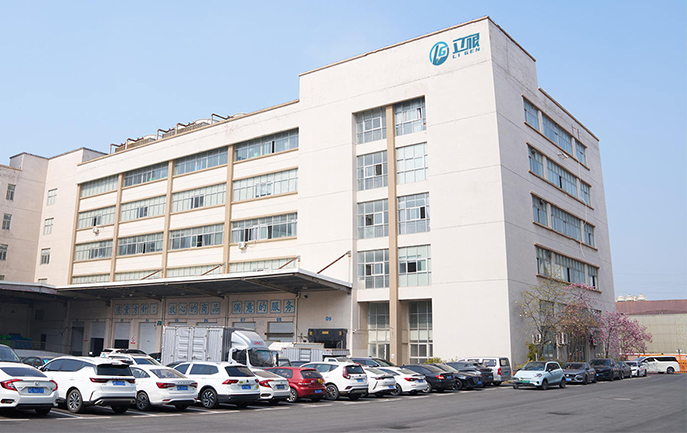
Ligen Intelligent Technology Co., Ltd.
Ligen Intelligent Technology Co., Ltd. is a provider and manufacturer of integrated solutions for "handwashing, hand drying, and disinfection." The founding team of Ligen has decades of experience in designing and developing top-tier hand dryer products in China, and has led the development of several popular hand dryer products nationwide. Driven by the vision of "making handwashing more comfortable and simpler," Ligen Intelligent Technology Co., Ltd. was founded with the indomitable and resolute spirit of bamboo, as described in Zheng Banqiao's poem.
Ligen currently manufactures the following products: 2-in-1 hand dryer faucets; 3-in-1 hand dryer faucets; hand dryer series; soap dispenser series; hand sanitizer series; and baby changing table series.
We adhere to a people-oriented approach to technology, focusing on innovation and quality, continuously innovating and improving our products and services. We advocate a pragmatic and persevering spirit, persisting in doing every task and every product well, enduring loneliness and focusing on the ordinary, creating one heartwarming product after another with unwavering determination.
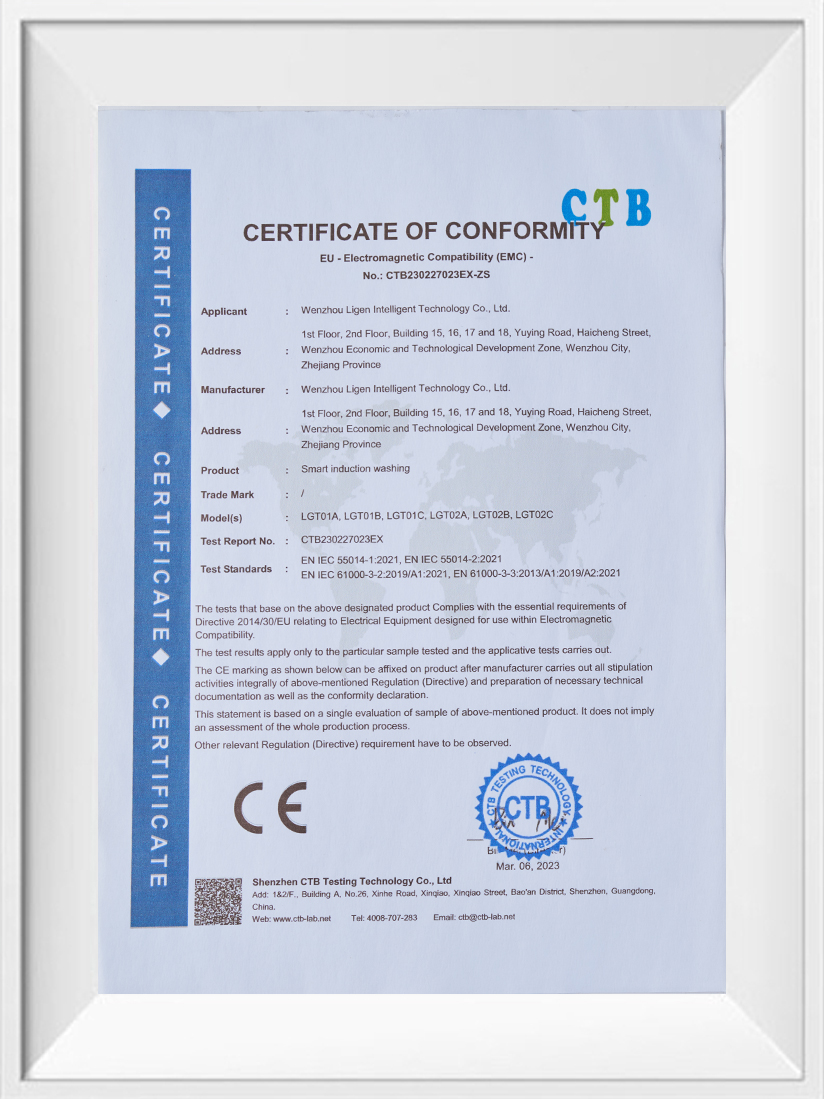
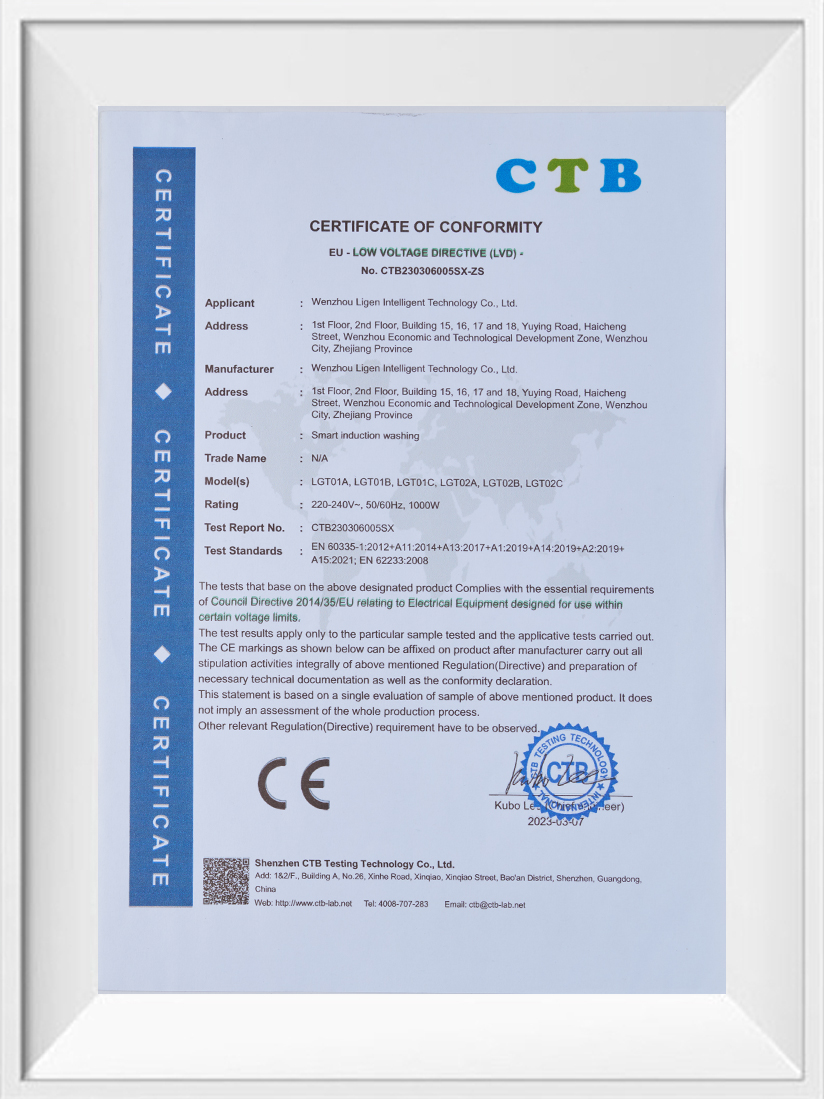
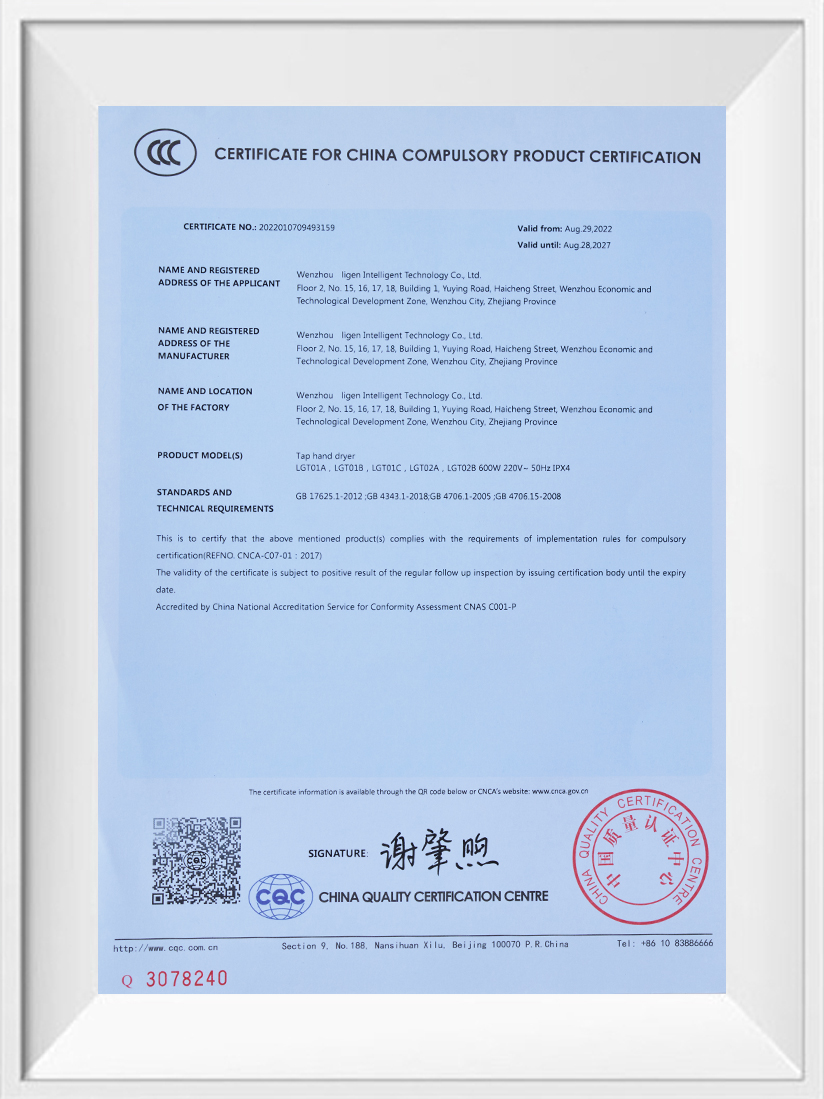
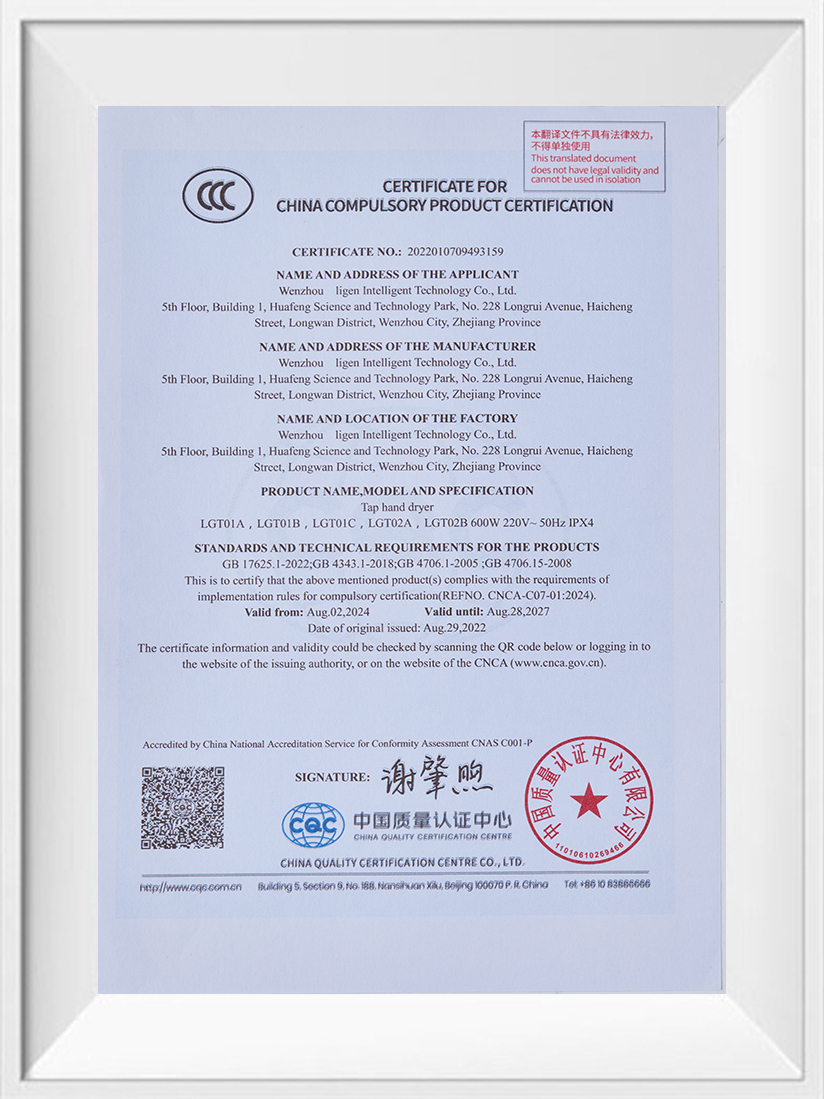
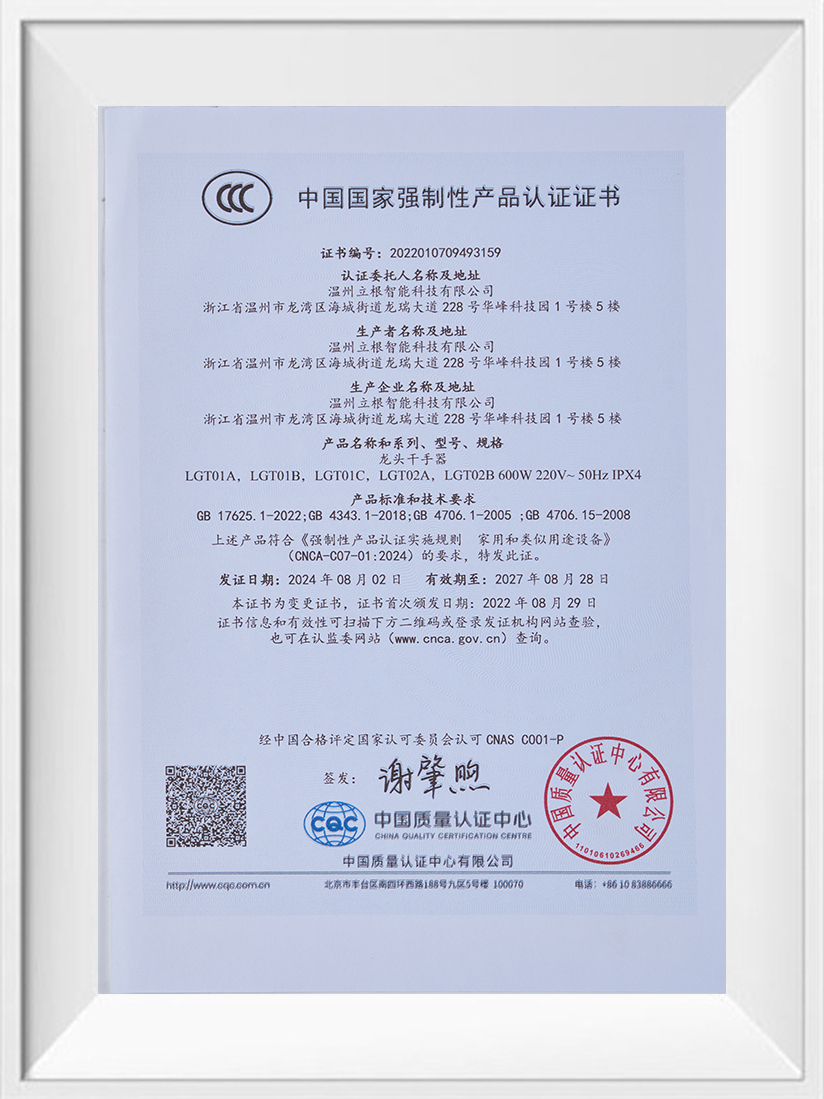
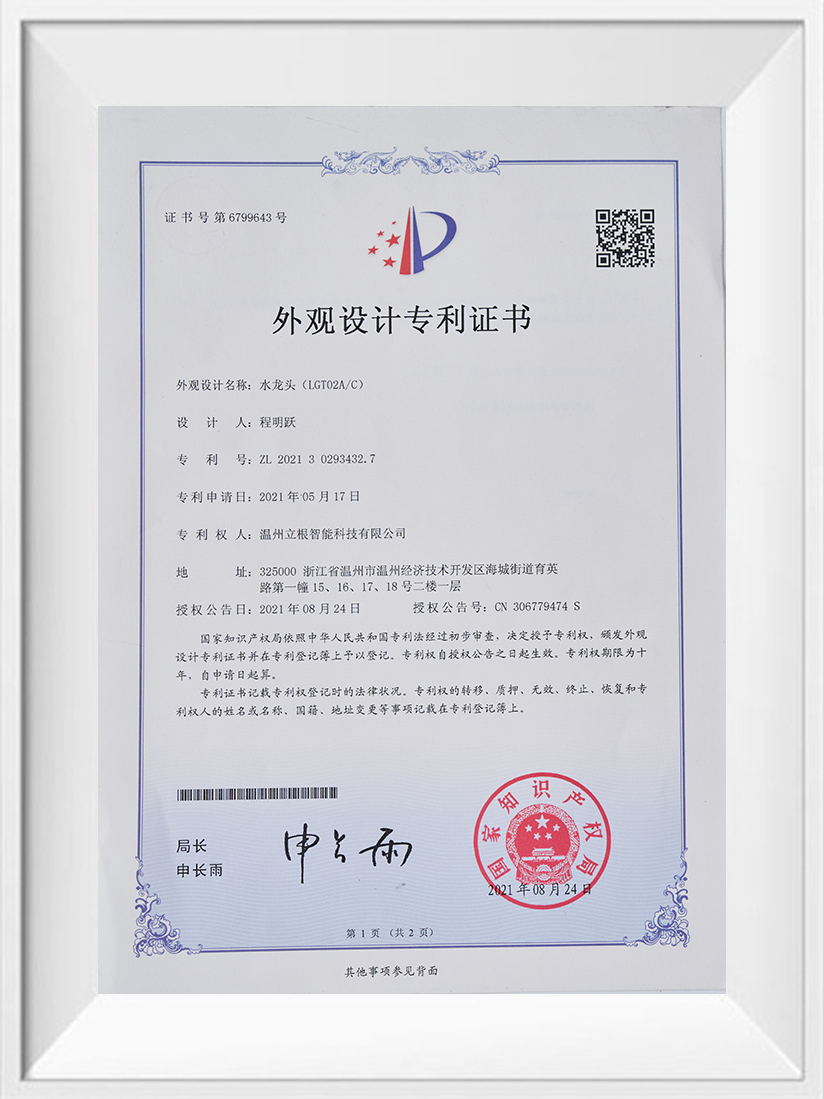
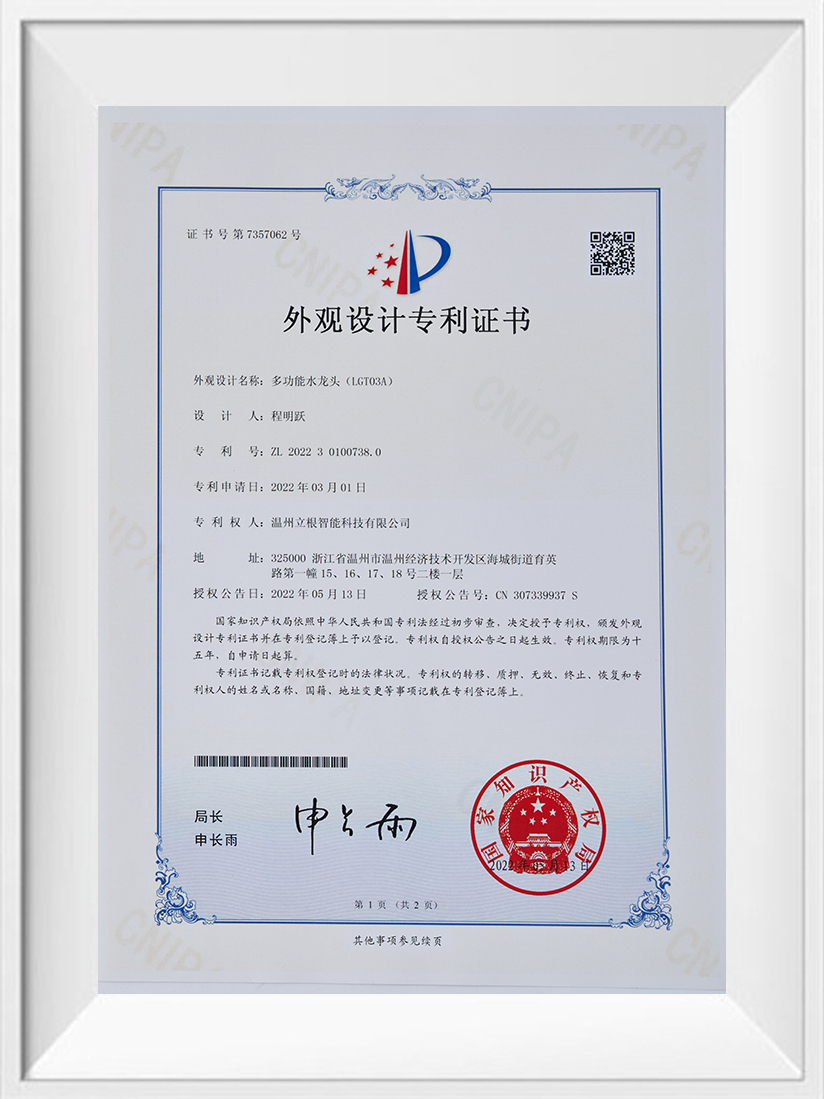
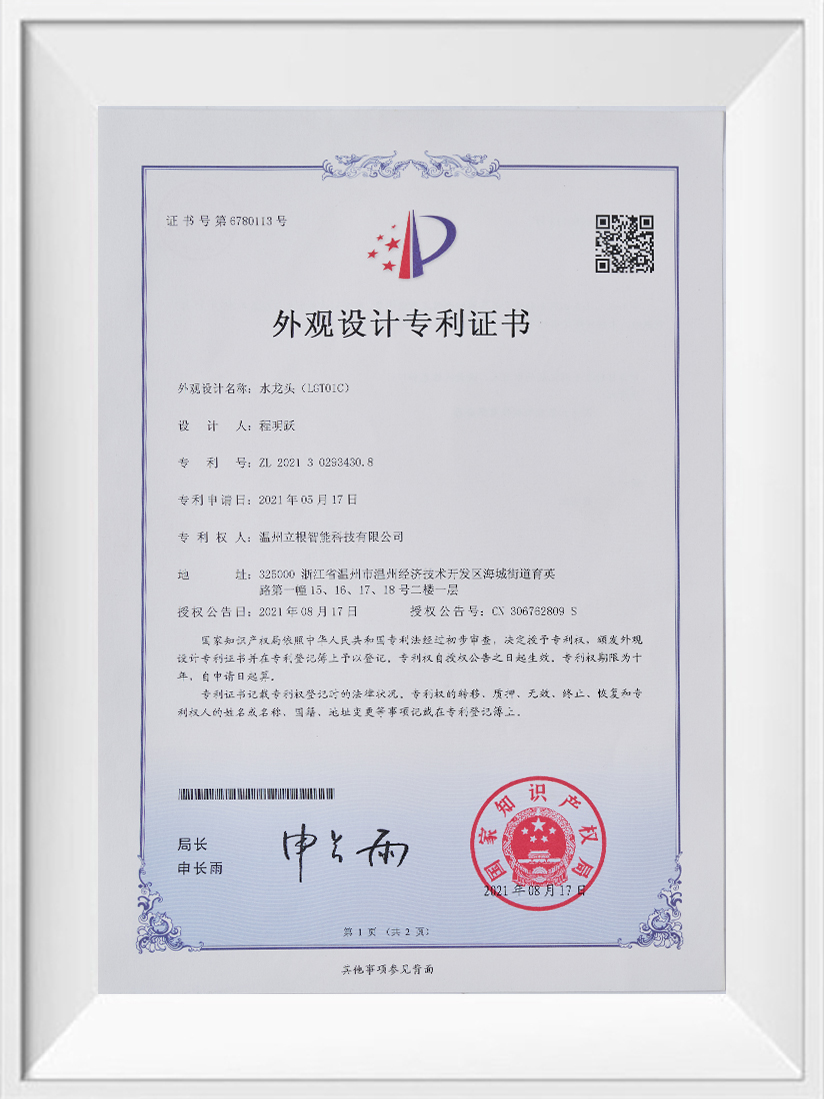
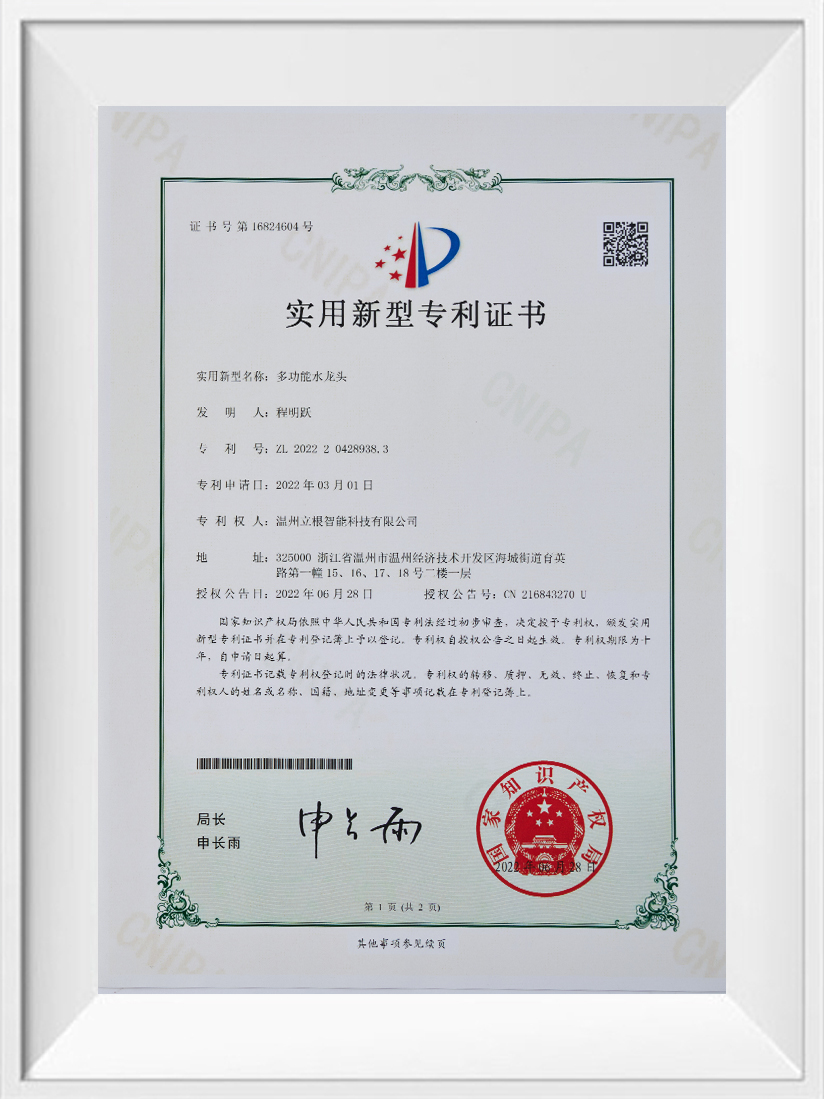
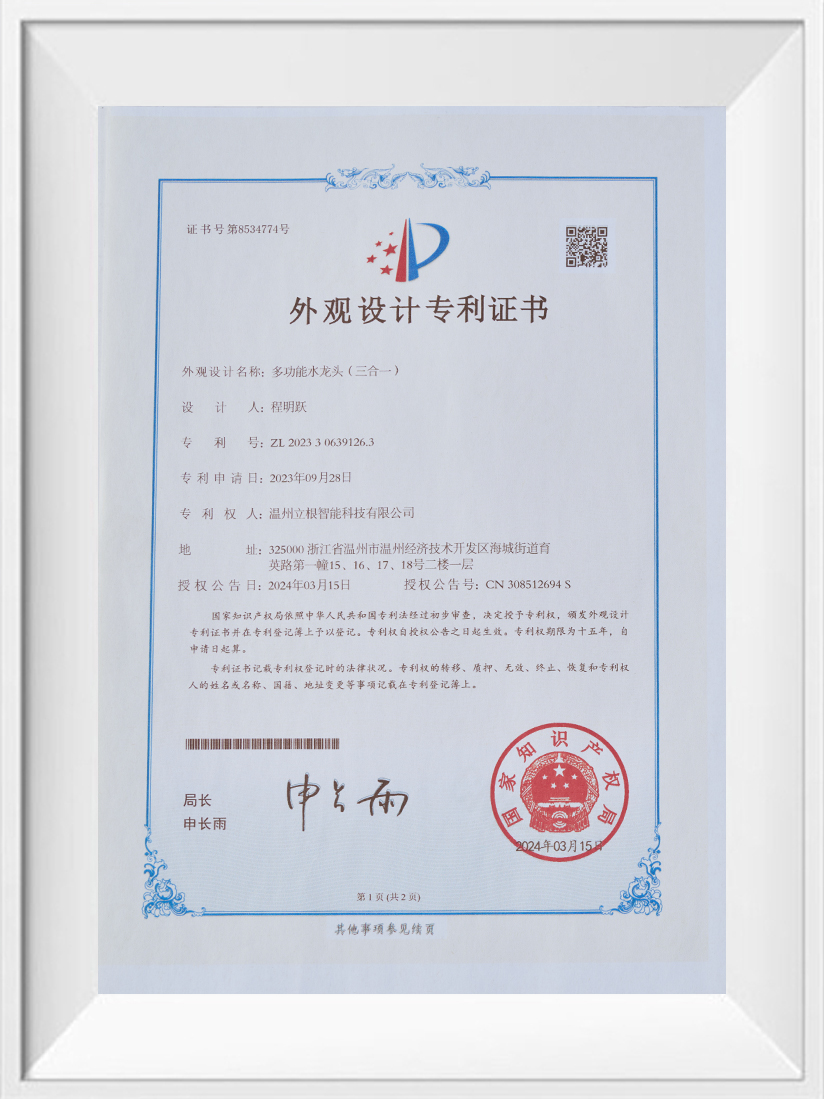
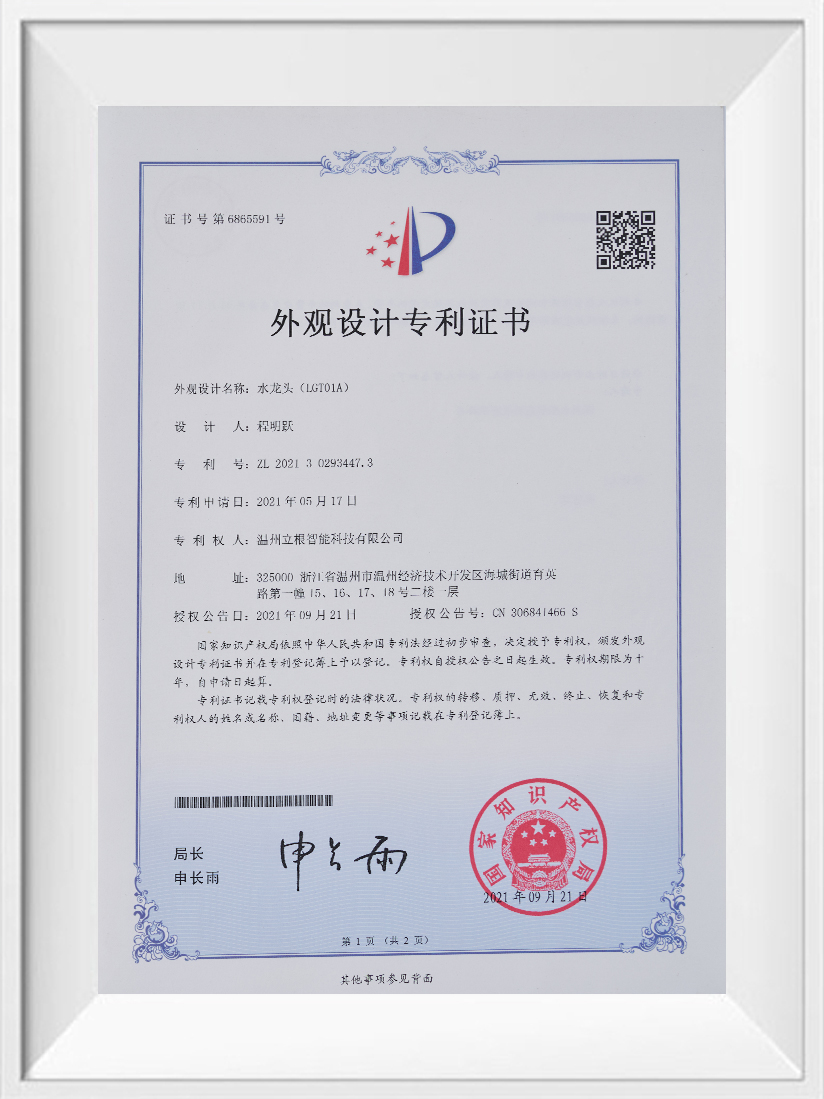
Certificate Of Honor
Message Feedback
News
-
-
Faucet design is changing in a rather quiet way. Instead of adding complicated features simply for appearance, manufacturers are paying closer attention to how water moves from the inlet to the outlet...
Read More -
Sensing and Response in Real Time The detection range usually covers a short distance in front of the unit, enough to register a hand but not so wide that random movement causes accidental release. Re...
Read More -
Motor Type Decides How Fast Hands Actually Dry Conventional hand dryer models rely on a simple heating element paired with a fan, warming the air before pushing it out across wet hands. This design wo...
Read More -
Automatic Tap Technology Enters Everyday Spaces Turning on a faucet used to be a simple movement: reach forward, rotate a handle, and adjust the water. Today, sensor-based fixtures are changing that f...
Read More -
A Quiet Shift in Public Washrooms Walk through any airport, hospital lobby, or office building built in the last few years and the pattern repeats itself. Traditional handle faucets are being swapped ...
Read More -
In March 2025, Wenzhou Ligen Intelligent Technology Co., Ltd. showcased its full range of smart hand care solutions at the Shanghai International Hotel Engineering & Design Expo, with the newly up...
Read More
Industry Knowledge
A soap dispenser is a device designed to hold and dispense liquid soap or foam soap; it can be installed on washbasin countertops, mounted on restroom walls, or integrated with the faucet. Its core function is to provide a controlled, metered amount of soap during handwashing, making it an essential component of the complete handwashing process in public and commercial restrooms. Based on the dispensing mechanism, soap dispensers on the market generally fall into two categories:
Manual push-type soap dispenser: Requires the user to press a pump head to dispense soap; while simple in structure and low in cost, it involves physical contact with the device's surface.
Automatic/Touchless soap dispenser: Features built-in infrared or capacitive sensors that automatically dispense a metered amount of soap when a hand approaches the nozzle. Requiring no physical contact or pressing, this type represents the mainstream trend in restroom facility upgrades for public spaces.
Key Advantages of Soap Dispensers
- Touchless dispensing
Soap is dispensed automatically when a hand approaches the sensor zone, eliminating the need to press a pump head; this minimizes surface contact and reduces the risk of cross-contamination.
- Metered dispensing to reduce waste
Unlike manual dispensers—where users might easily squeeze out too much soap—automatic dispensers typically provide a consistent, fixed amount per use (with specific adjustability depending on the model).
- Versatile installation options
Available in countertop, wall-mounted, and integrated (combined with sensor faucets) configurations, allowing for flexible choices based on the restroom's existing layout.
- Optional smart features
Some models offer functions such as soap level indicators and low-battery or low-soap alerts, facilitating timely refilling by facility management or cleaning staff and preventing the dispenser from running dry (specific features depend on the chosen model).
- Compatibility with various soap types
Some models support either foam or liquid soap; compatibility should be verified with the supplier prior to purchase to avoid dispensing malfunctions caused by using the wrong type of soap. Bulk customization is available for projects, covering aspects such as exterior color, sensing parameters, and power supply methods (battery-operated vs. mains-powered). Please consult the supplier to confirm specific availability and minimum order quantities
Addressing Customer Pain Points
- Pain Point 1: Manual push-type soap dispensers can harbor bacteria on their surfaces, raising concerns about cross-contamination among users
Solution: Touchless soap dispensers utilize sensor-based dispensing, eliminating the need for users to touch the pump head or device surface. This removes a common pathway for cross-contamination, making them ideal for environments with strict hygiene standards, such as hospitals, food processing plants, and foodservice establishments.
- Pain Point 2: Traditional dispensers lack controlled dispensing, often leading to soap wastage or insufficient usage
Solution: Automatic soap dispensers typically operate on a fixed-stroke or metered-dose mechanism. This offers better control over the amount dispensed per use compared to manual squeezing, helping to reduce soap consumption costs (actual savings vary by usage environment; no universal figures are assumed).
- Pain Point 3: Property management or cleaning staff may fail to notice when soap runs out, leading to the awkward situation of having a handwashing station with a faucet but no soap
Solution: Some smart soap dispensers feature remaining-level indicators or low-level alarms. These notify staff to refill the soap before it runs out, minimizing instances of empty dispensers caused by missed inspections (availability of this feature depends on the specific model).
- Pain Point 4: Different environments (e.g., hospitals, food factories, shopping malls) have varying requirements for installation methods and aesthetics, making unified procurement difficult
Solution: Soap dispenser product lines typically offer various installation options—such as countertop or wall-mounted units—and customizable exterior colors. This allows a single supplier to meet the diverse installation and design needs of different projects and locations (specific customization options and MOQs are subject to supplier confirmation).
- Pain Point 5: It is difficult to verify during procurement whether a product truly meets hygiene, safety, or electrical safety certification standards
Solution: Before purchasing, request test reports or certification numbers issued by third-party testing agencies directly from the supplier and verify their authenticity through the agency's official channels, rather than relying solely on the supplier's promotional materials.
Frequently Asked Questions
1. What is the difference between an automatic soap dispenser and a smart soap dispenser?
An Automatic Soap Dispenser generally refers to a unit with automatic dispensing capabilities triggered by a sensor—its core feature being touch-free dispensing. A Smart Soap Dispenser, meanwhile, builds upon this automatic function by integrating intelligent features such as low-level alerts, adjustable dispensing volume, and low-battery notifications. Specific product classifications and features depend on the supplier's specifications, as there is no universally standardized definition within the industry distinguishing the two terms.
2. Is the soap dispenser battery-operated or mains-powered? Is maintenance difficult?
Power supply methods vary by model; common options include disposable batteries, rechargeable batteries, and—for some models—mains power connection. Battery-operated models offer flexible installation without the need for wiring but require periodic battery replacement or recharging. Mains-powered models require advance planning for power outlet placement. It is recommended to verify the power supply method and battery life with the supplier before purchasing, and to make a choice based on site conditions (such as the feasibility of routing power cables).
3. Is the soap dispenser compatible with the brand and type (foam or liquid) of hand soap we currently use?
Compatibility depends on factors such as the dispensing mechanism design (e.g., pump structure, inlet size), soap viscosity, and whether the soap is specifically formulated for foaming dispensers. We recommend confirming the compatible soap types with the supplier before purchase. If necessary, request a small batch of samples to test dispensing performance with your specific soap to avoid compatibility issues after a bulk purchase.
4. When purchasing a soap dispenser, how can I determine if the sensor sensitivity is stable and avoid frequent false triggers or dispensing failures?
Before purchasing, ask the supplier about features such as adjustable sensing range and designs that prevent false triggers (e.g., avoiding activation caused by changing light conditions or reflections from water droplets). Additionally, request a sample unit for on-site testing or a third-party test report, and evaluate the product based on the actual installation environment (e.g., proximity to faucets or exposure to direct, strong light).

- No. 187, Binhai 4th Road, Xinghai Street, Longwan District, Wenzhou City, Zhejiang, China
-
WeChat: BURIRO-LIGEN
WhatsApp: +86 13362723903
Email: [email protected] Catalogue PDF - Multifunctional Tap Hand Dryer Soap Dispenser Hand Dryer Hand Sterilizer Baby Changing Station
-
