


 русский
 عربى
The Core Mechanism A sensor soap dispenser relies on three cooperating parts: an infrared emitter and receiver, a small control board, and a pump module. The emitter sends a beam outward; when a hand ...
Read More
Multifunctional Tap Hand Dryer
Multifunctional Tap Hand Dryer
-
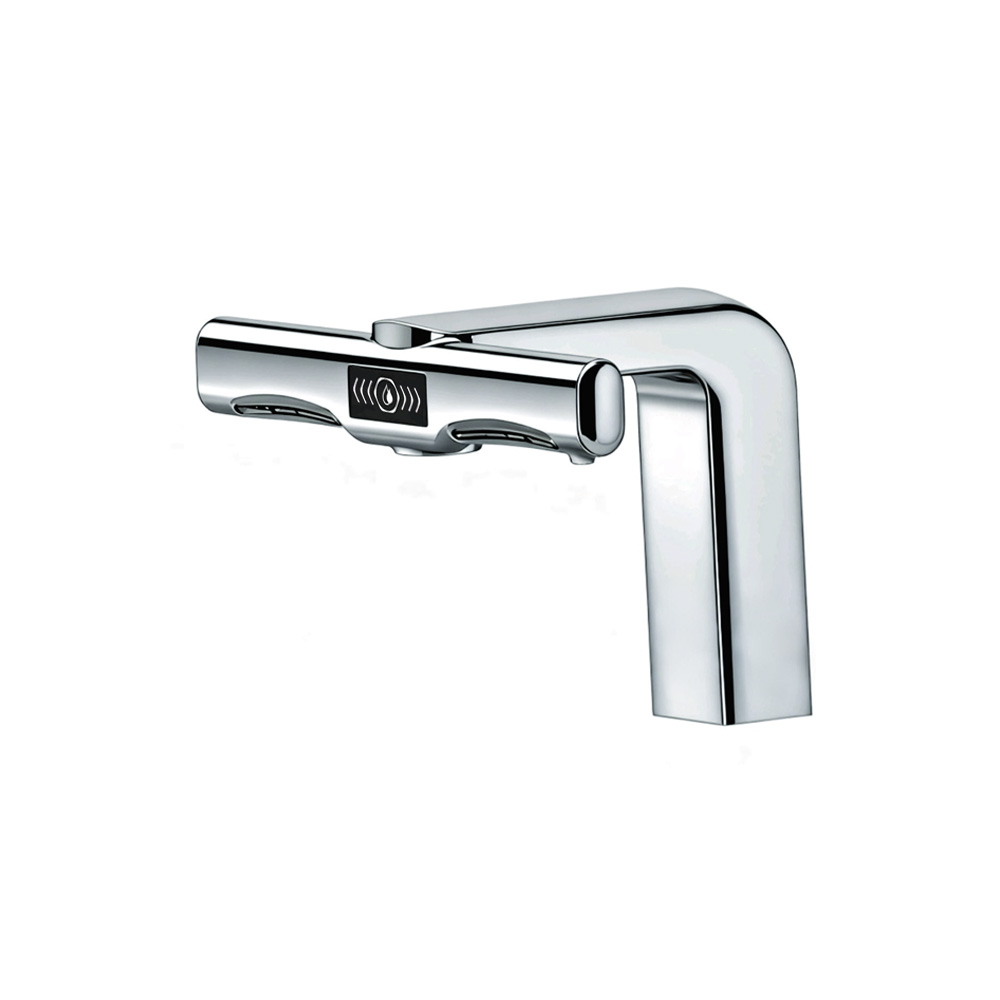
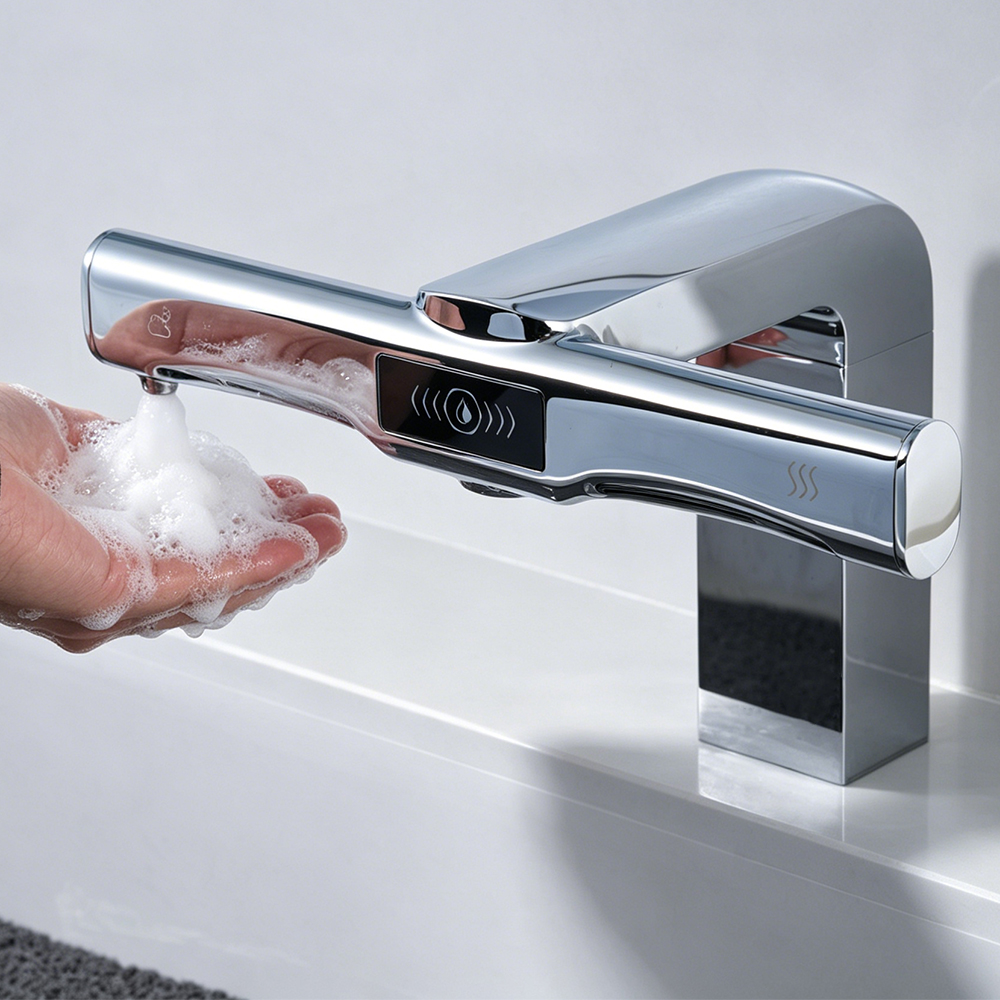 LGT301A Tap Hand Dryer With HEPA Filter for Bathroom
-
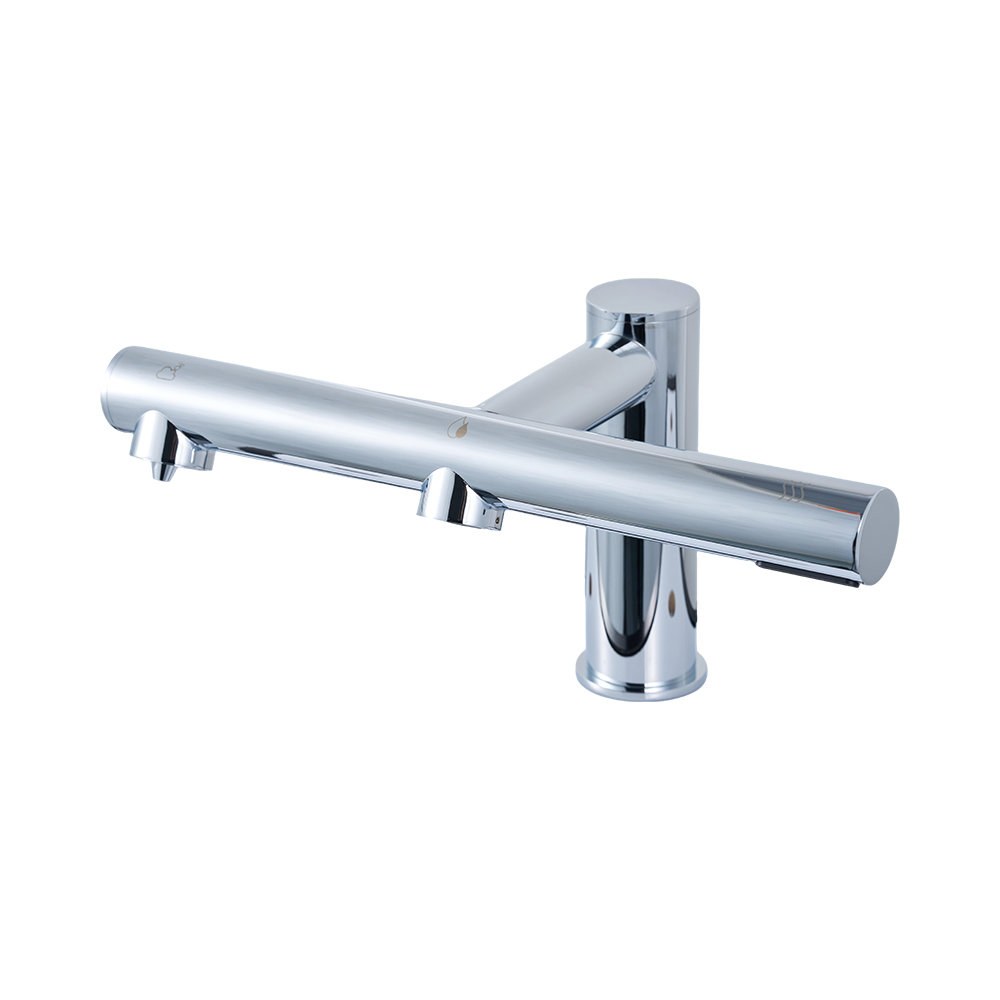
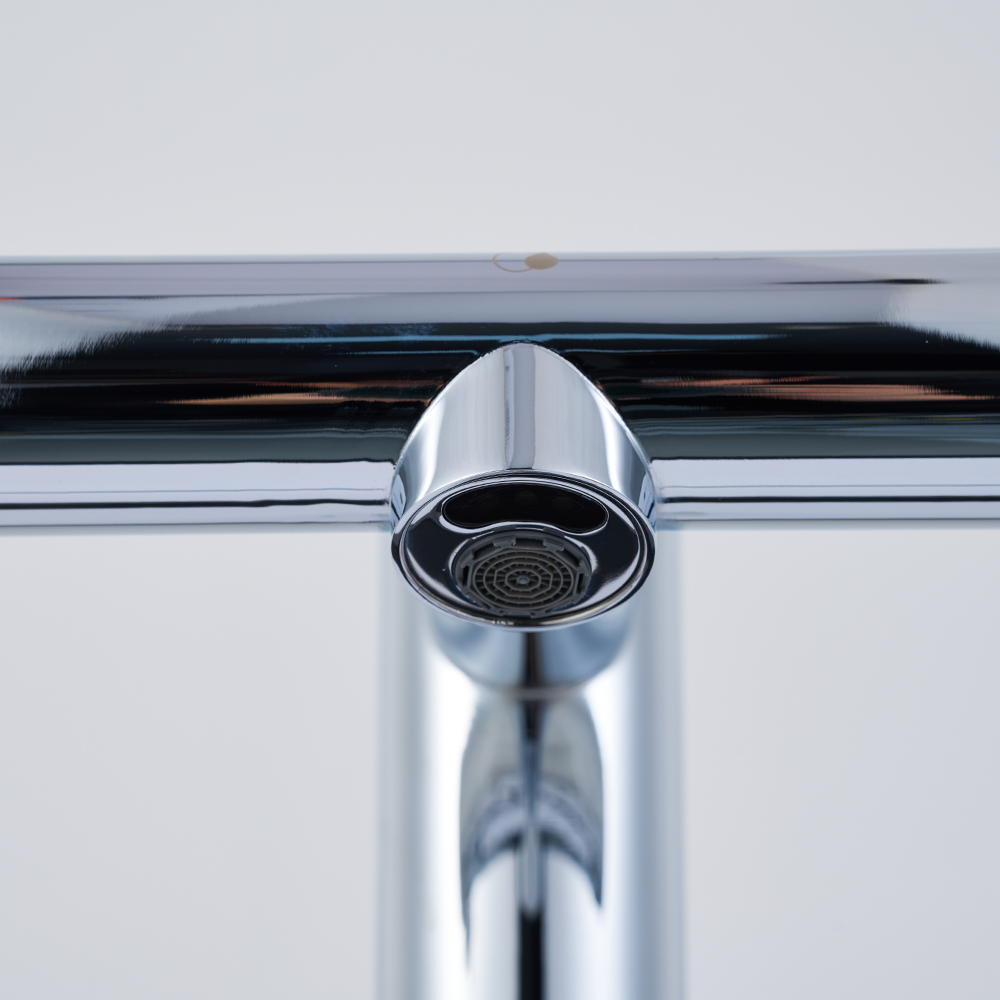 LGT302A Deck Mounted 3-in-1 Tap Hand Dryer
-
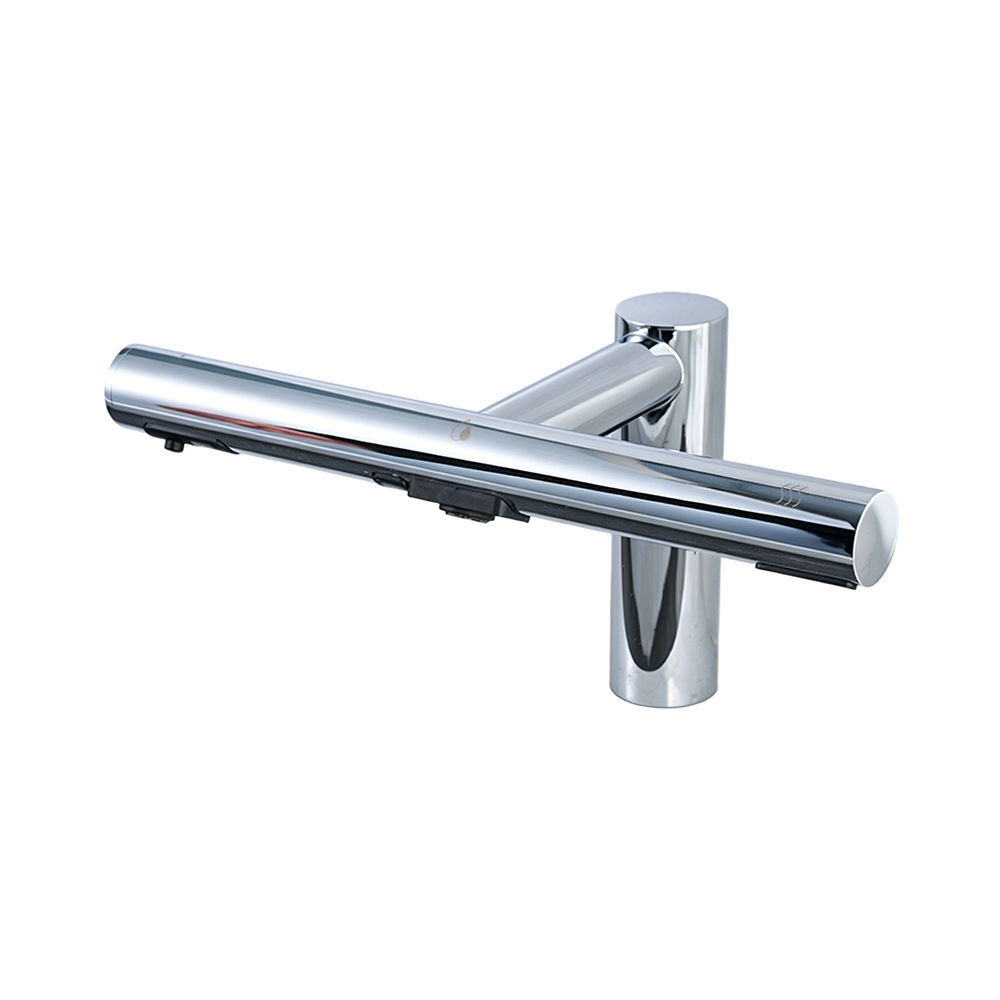
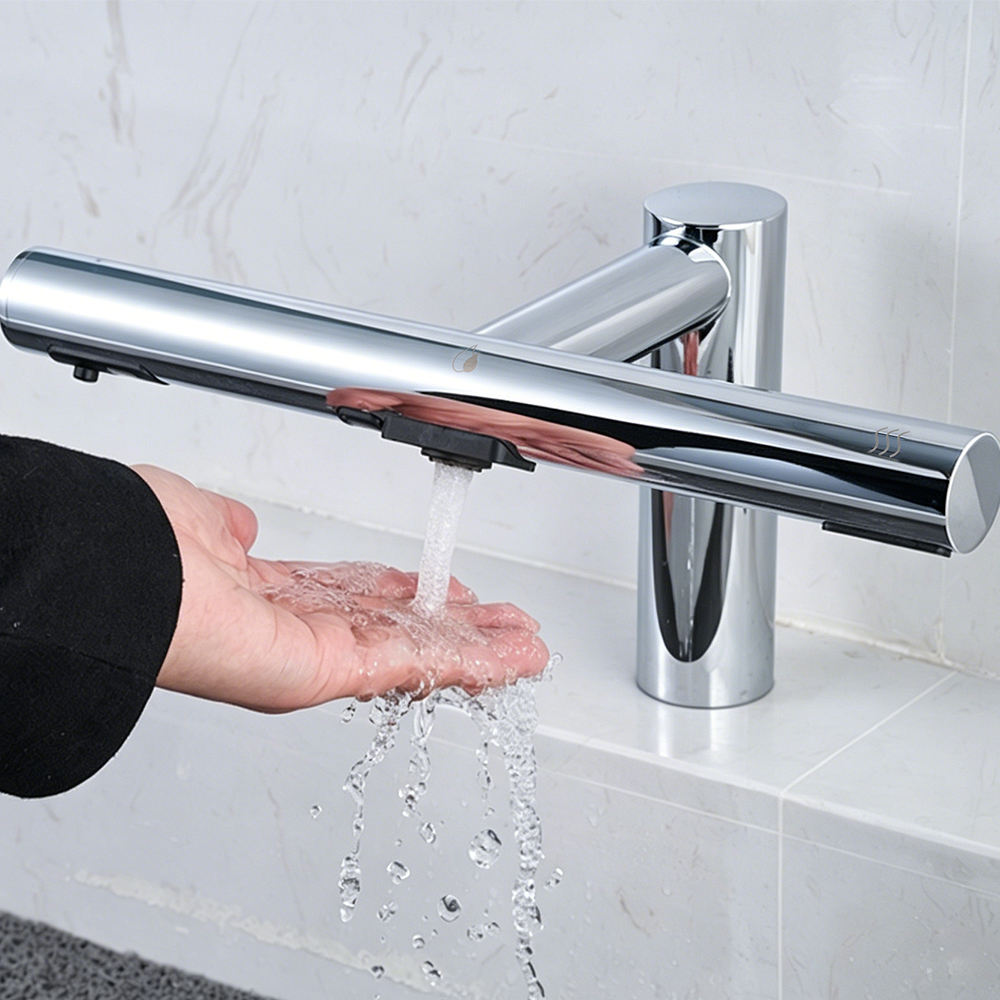 LGT303A Stainless Steel 3-in-1 Faucet
-
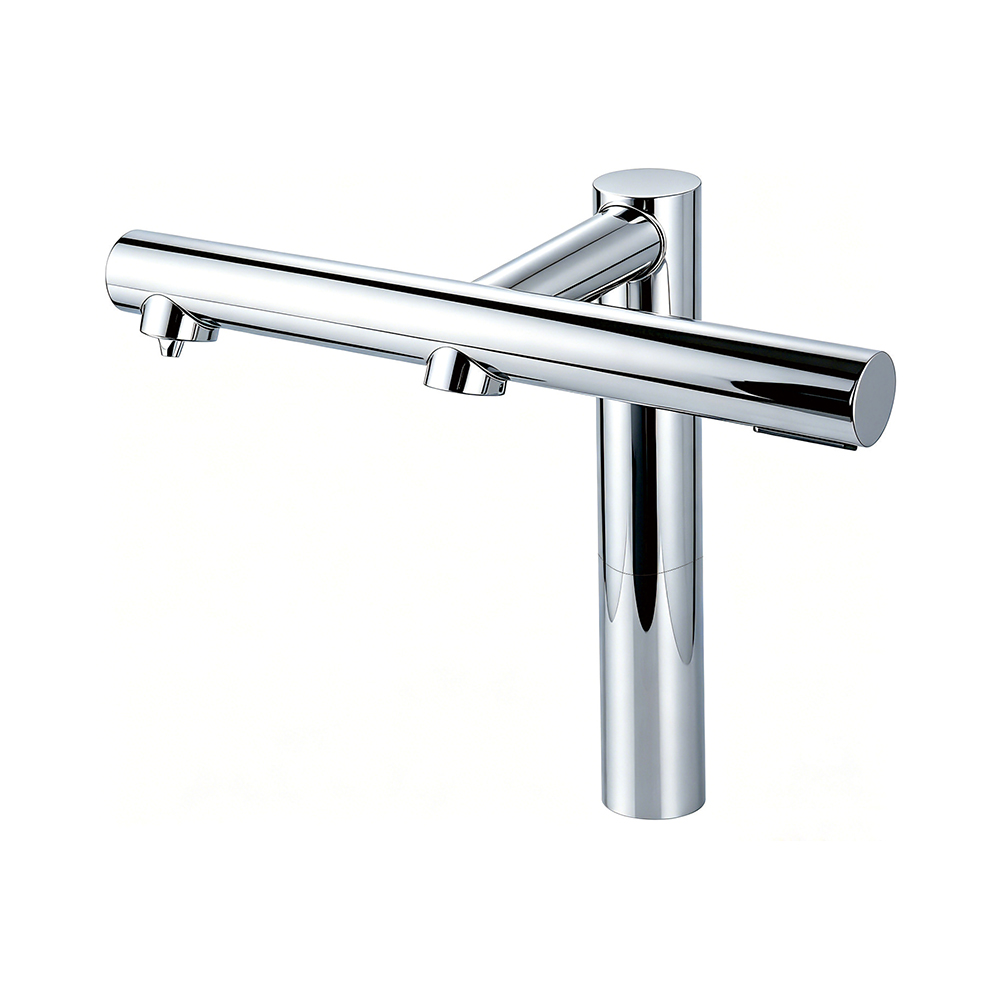
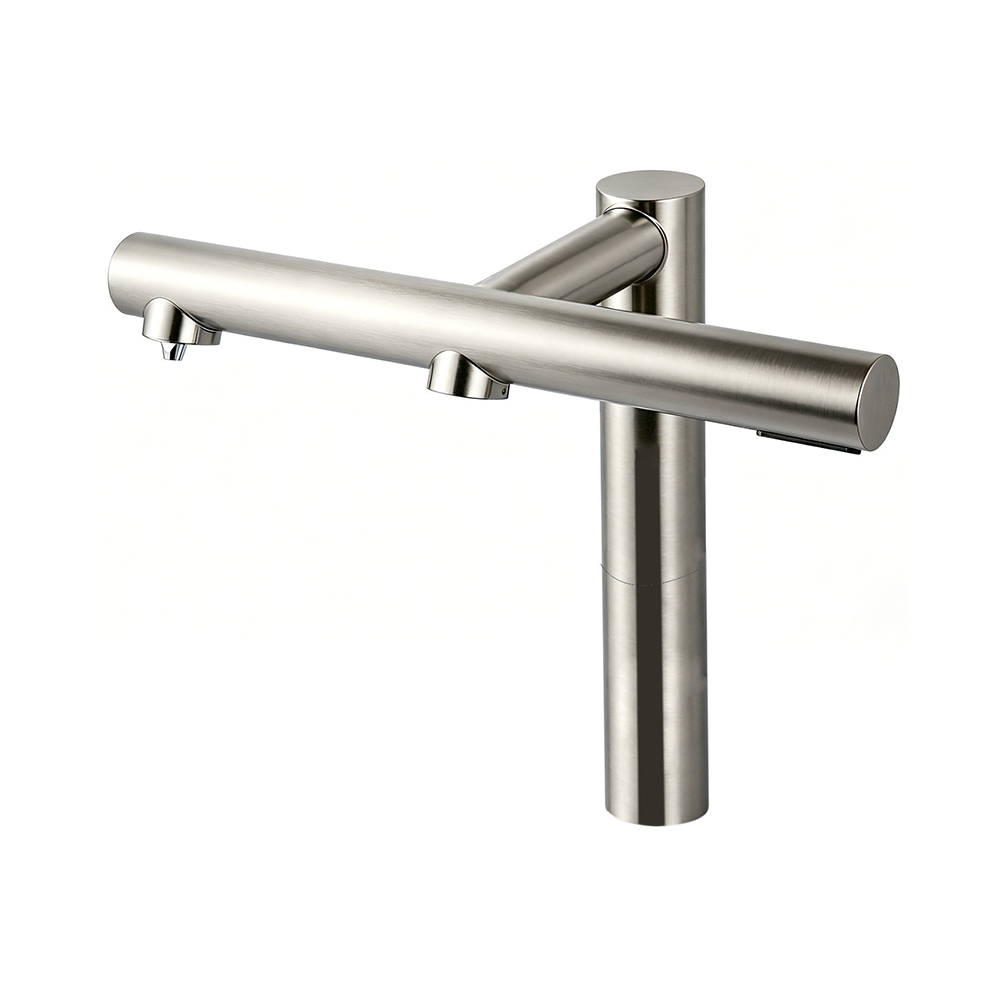 LGT302B Deck Mounted 3-in-1 Tap Hand Dryer
-
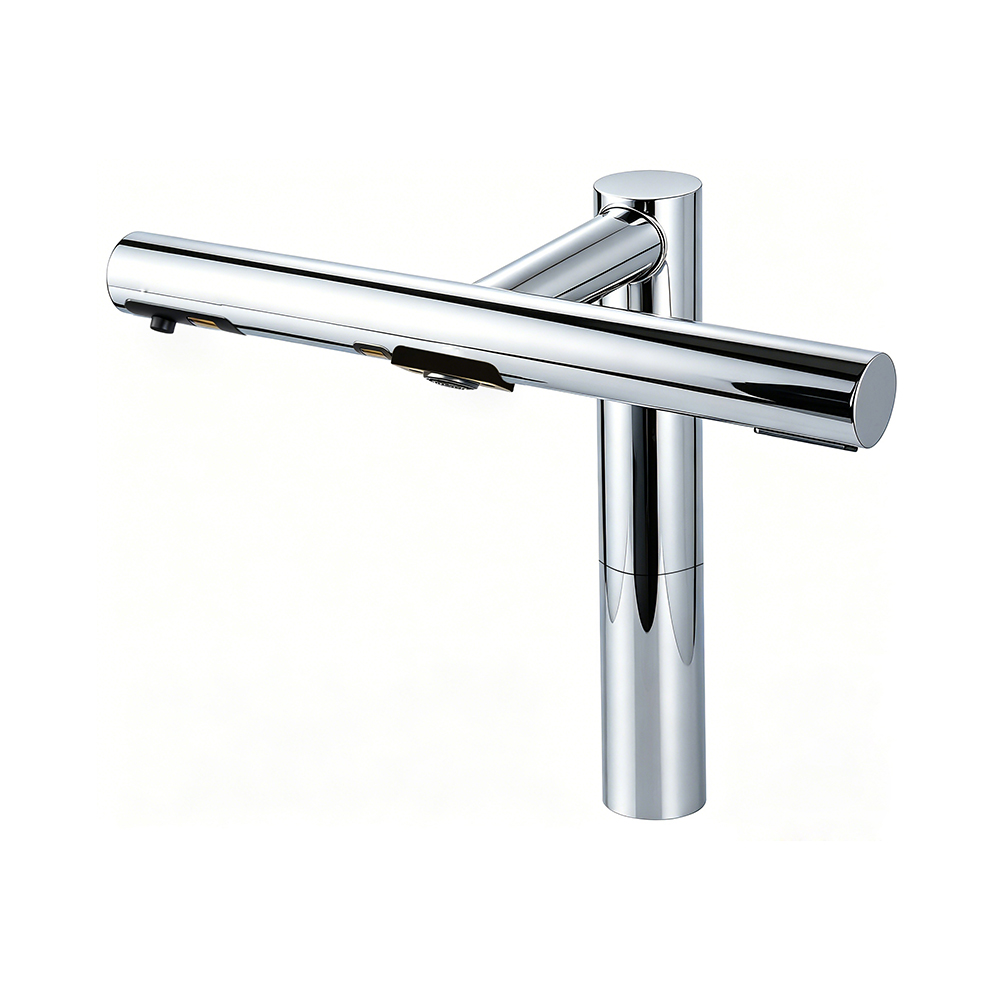
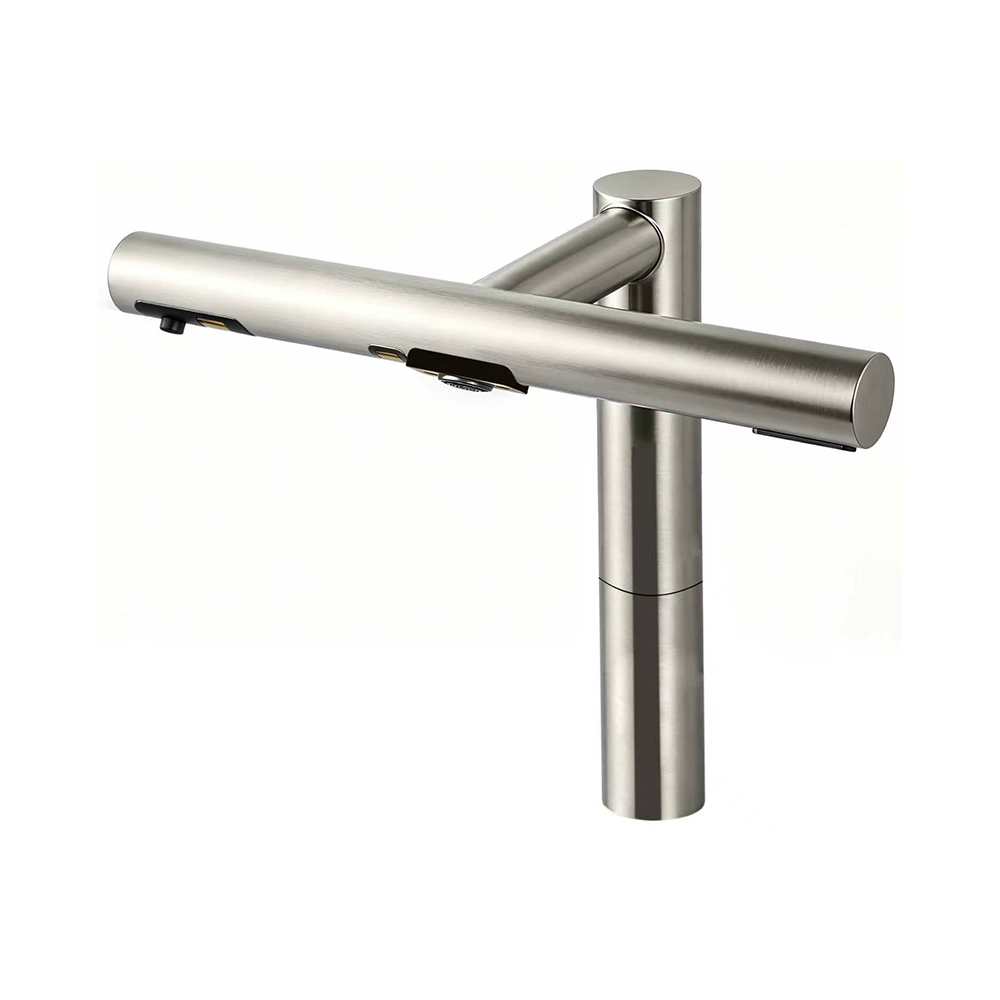 LGT303B Stainless Steel 3-in-1 Faucet
-
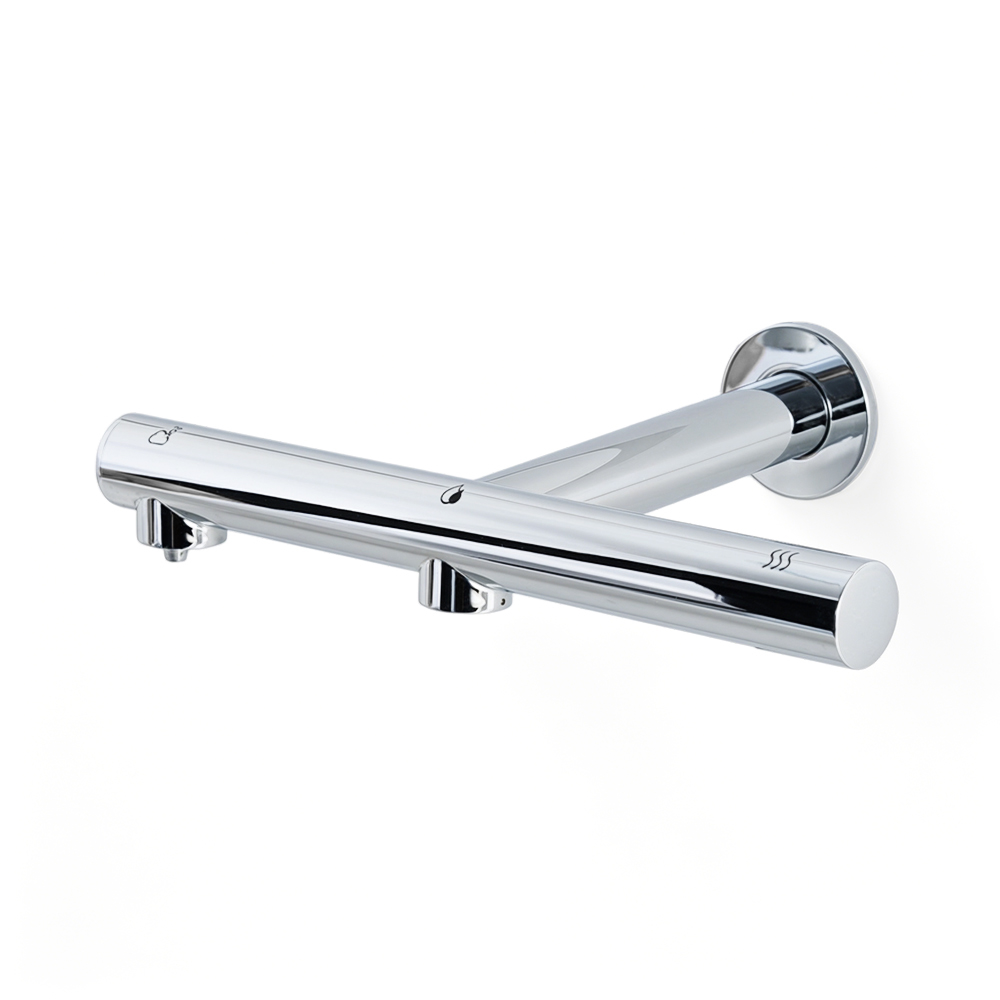
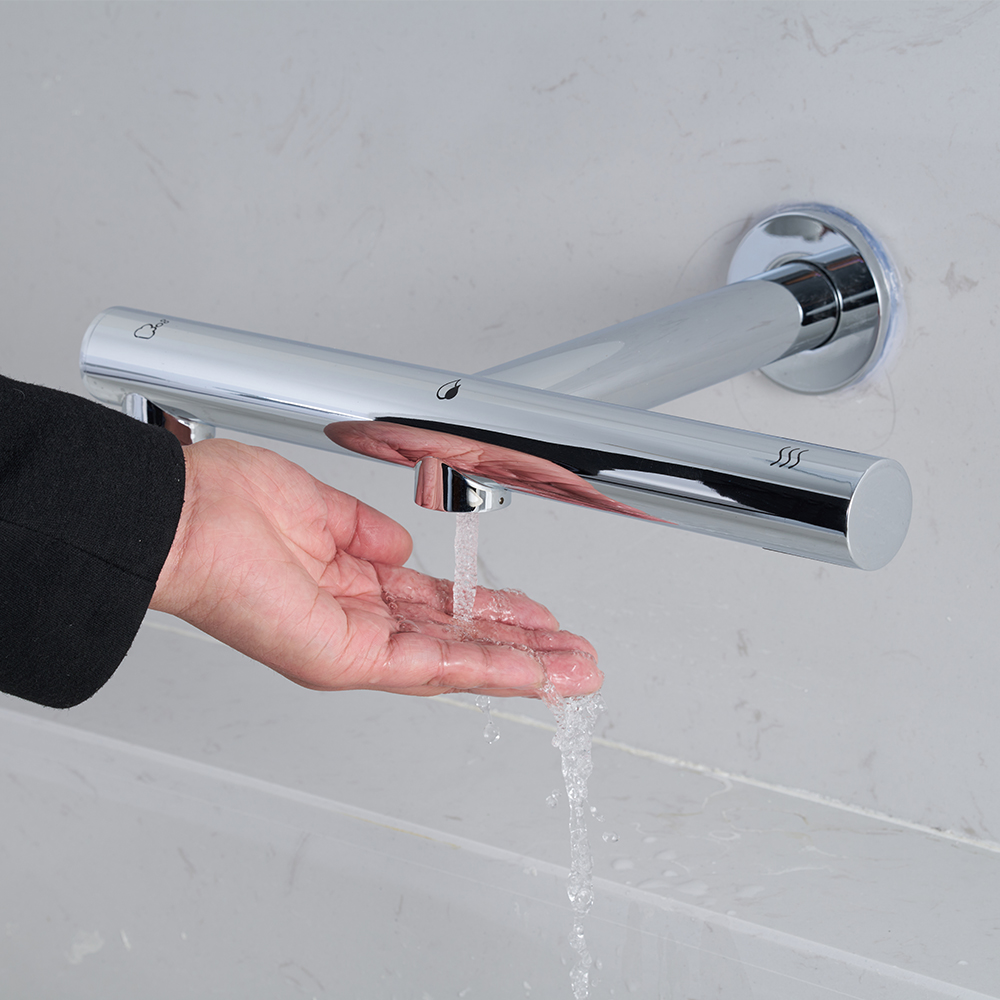 LGT302C 3-in-1 Wall-Mounted Tap Hand Dryer
-
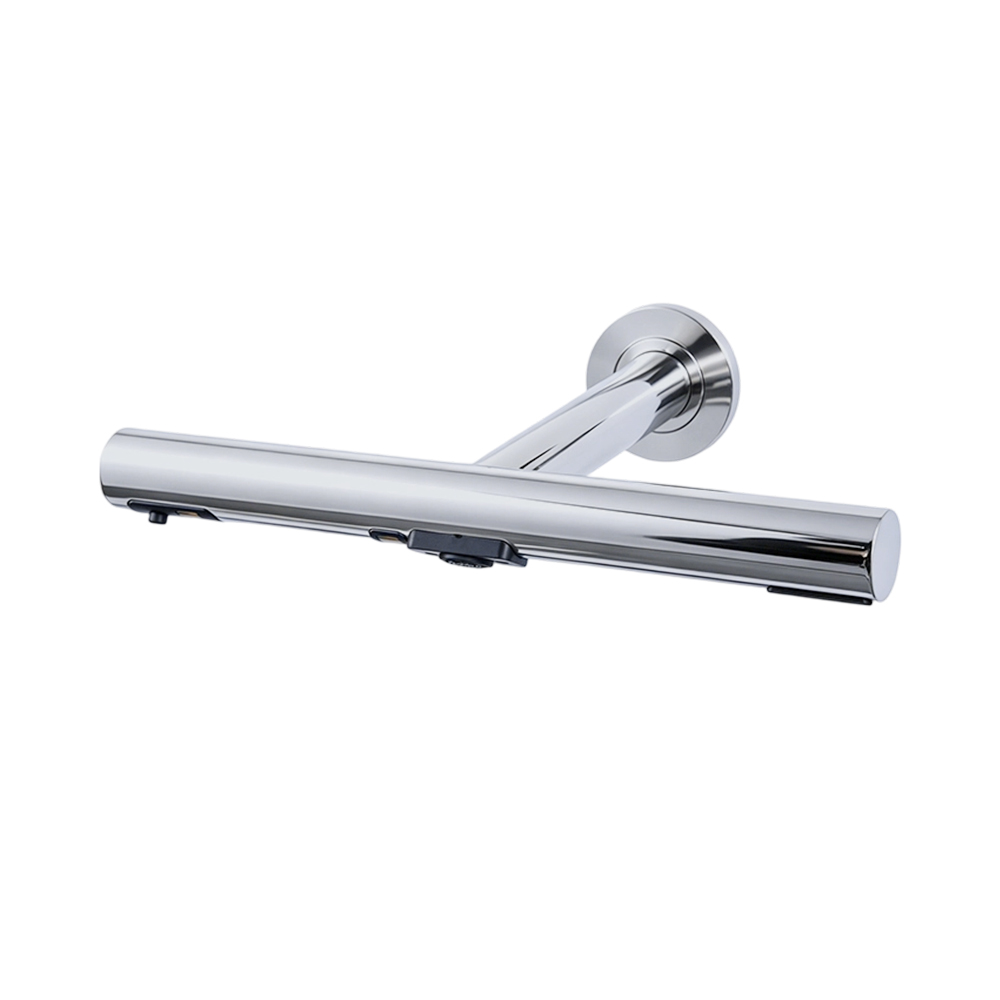 LGT303C Stainless Steel Wall-Mounted 3-in-1 Faucet
-

 LGT201A SUS304 Copper 2-in-1 Tap Hand Dryer
-

 LGT202A SUS304 Stainless Steel 2-in-1 Tap Hand Dryer
-

 LGT204A New Copper 2-in-1 Tap Hand Dryer(wash+dry)
-

 LGT205A SUS304 Stainless Steel 2-in-1 Sensor Tap Hand Dryer
-
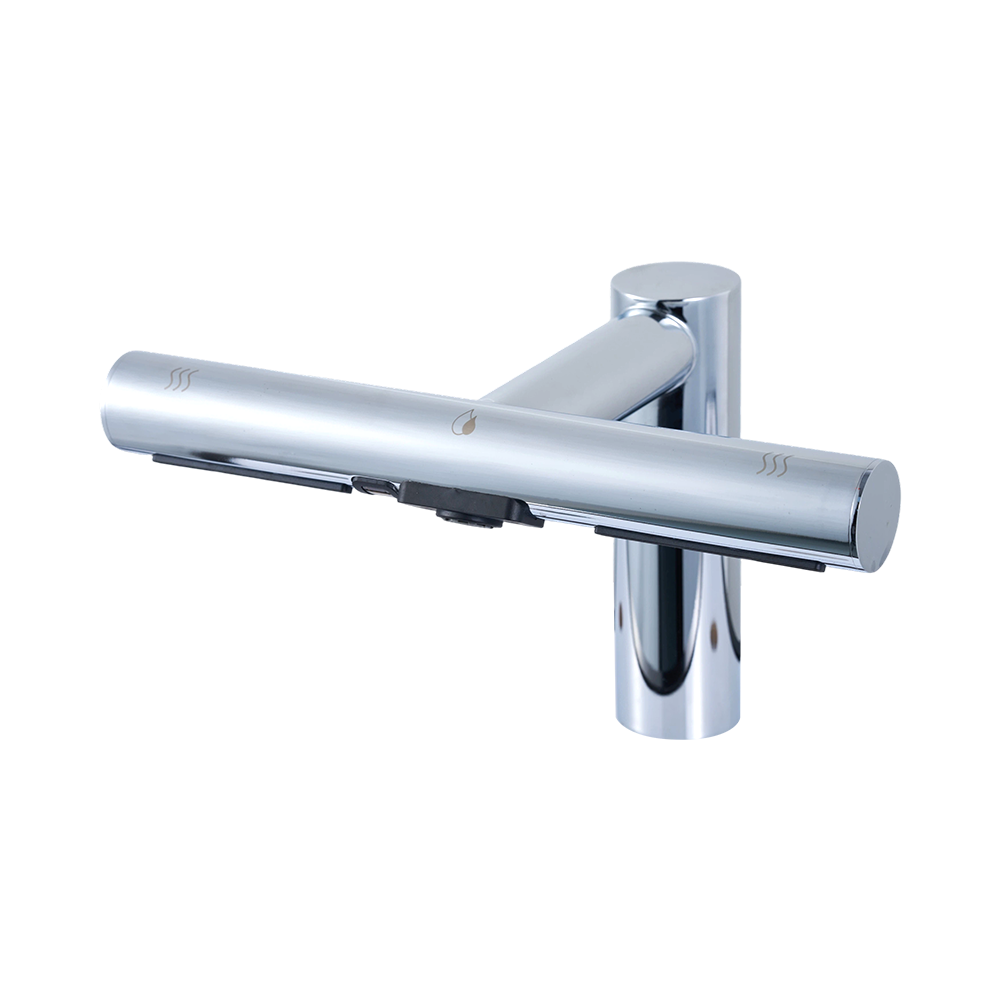
 LGT206A SUS304 Stainless Steel 2-in-1 Tap Hand Dryer (wash+dry)
-
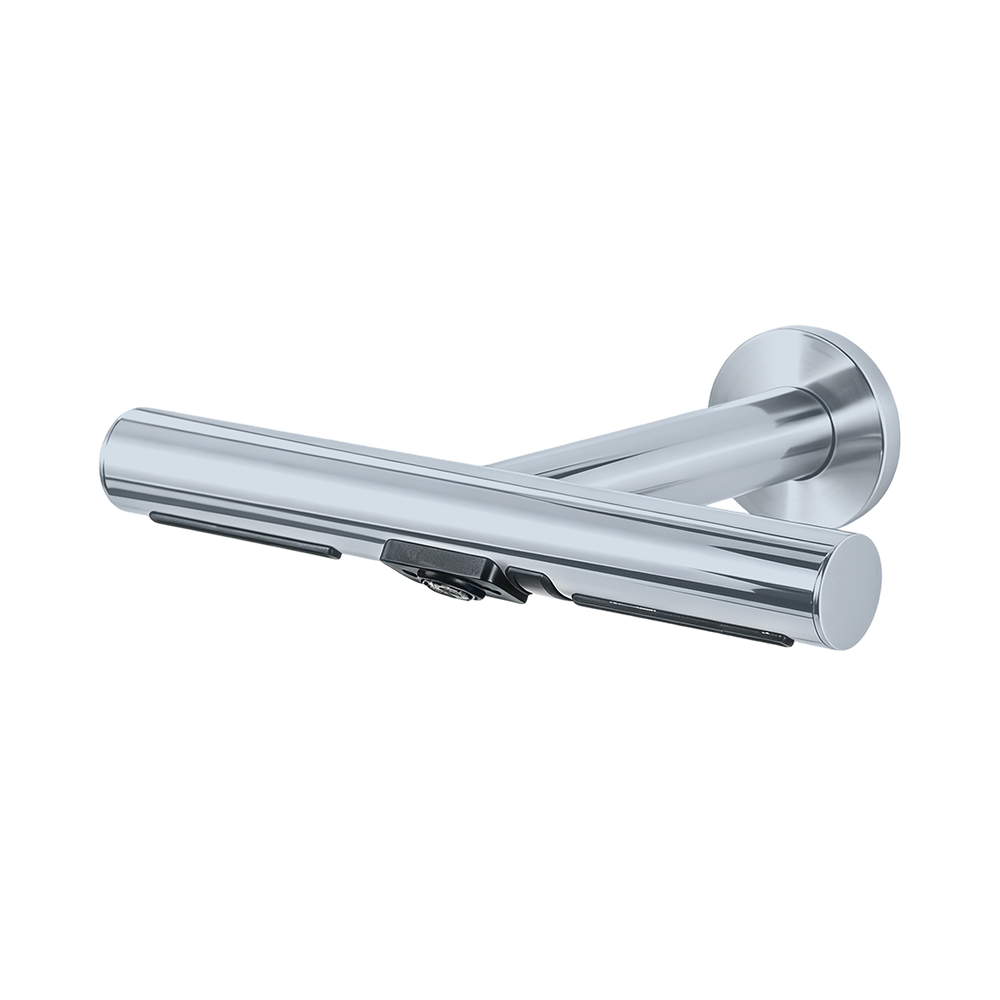
 LGT206C SUS304 Stainless Steel Wall-mounted 2-in-1 Tap Hand Dryer
-

 LGT207A New SUS304 Stainless Steel 2-in-1 Tap Hand Dryer (wash+dry)
-

 LGT207C SUS304 Stainless Steel Countertop Wall-mounted 2-in-1 Tap Hand Dryer
The faucet-mounted hand dryer provides a one-stop solution for washing and drying hands, allowing users to complete both tasks without moving. It eliminates the need for a separate hand-drying area, saving space and enhancing the user experience. This product features a high-speed motor and a high-end faucet design, making it both practical and aesthetically pleasing.
About Us
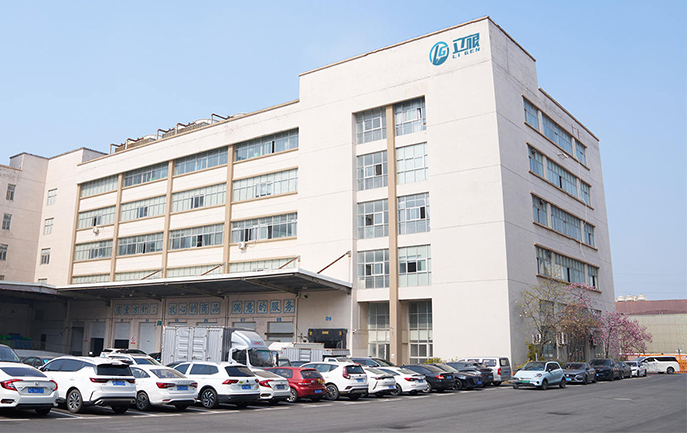
Ligen Intelligent Technology Co., Ltd.
Ligen Intelligent Technology Co., Ltd. is a provider and manufacturer of integrated solutions for "handwashing, hand drying, and disinfection." The founding team of Ligen has decades of experience in designing and developing top-tier hand dryer products in China, and has led the development of several popular hand dryer products nationwide. Driven by the vision of "making handwashing more comfortable and simpler," Ligen Intelligent Technology Co., Ltd. was founded with the indomitable and resolute spirit of bamboo, as described in Zheng Banqiao's poem.
Ligen currently manufactures the following products: 2-in-1 hand dryer faucets; 3-in-1 hand dryer faucets; hand dryer series; soap dispenser series; hand sanitizer series; and baby changing table series.
We adhere to a people-oriented approach to technology, focusing on innovation and quality, continuously innovating and improving our products and services. We advocate a pragmatic and persevering spirit, persisting in doing every task and every product well, enduring loneliness and focusing on the ordinary, creating one heartwarming product after another with unwavering determination.
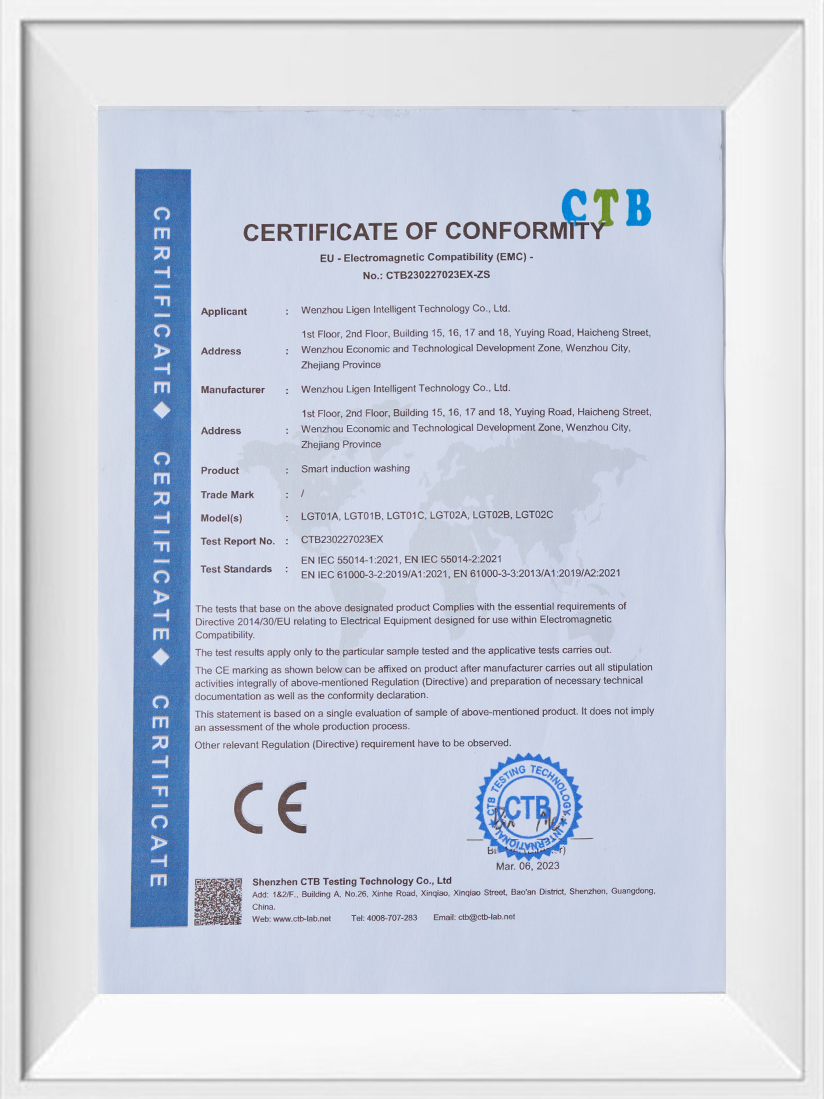
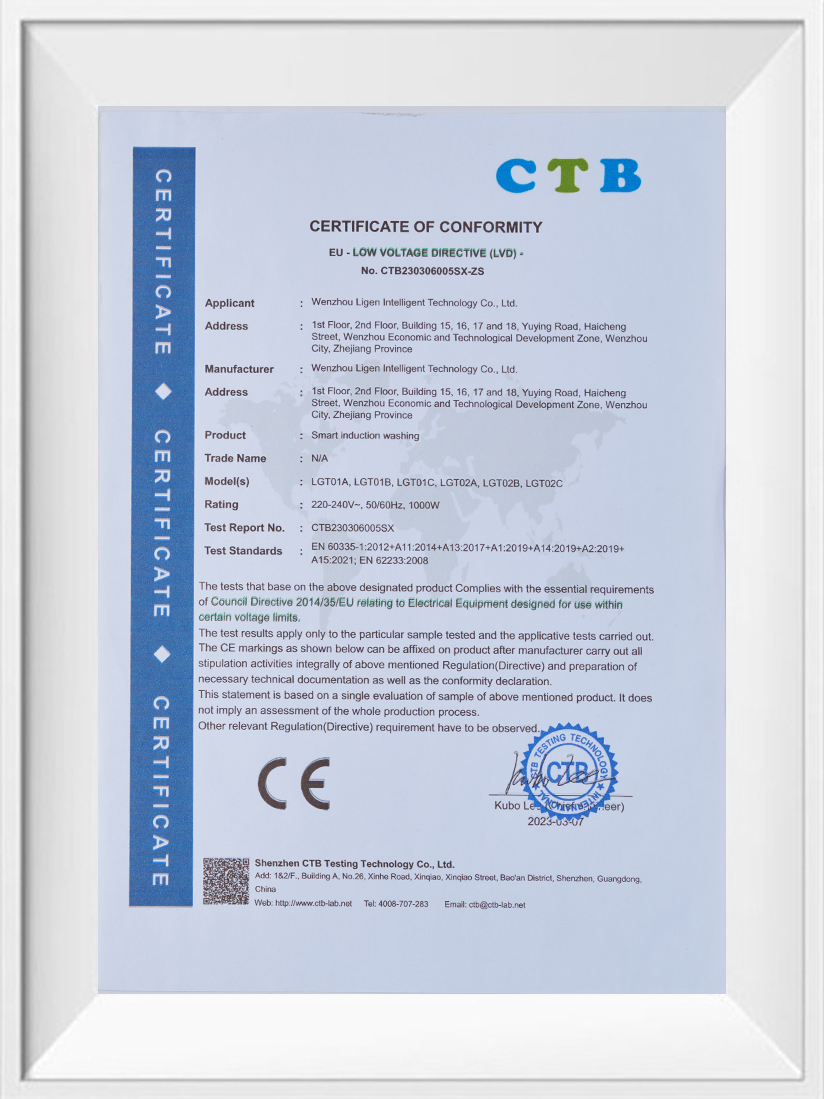
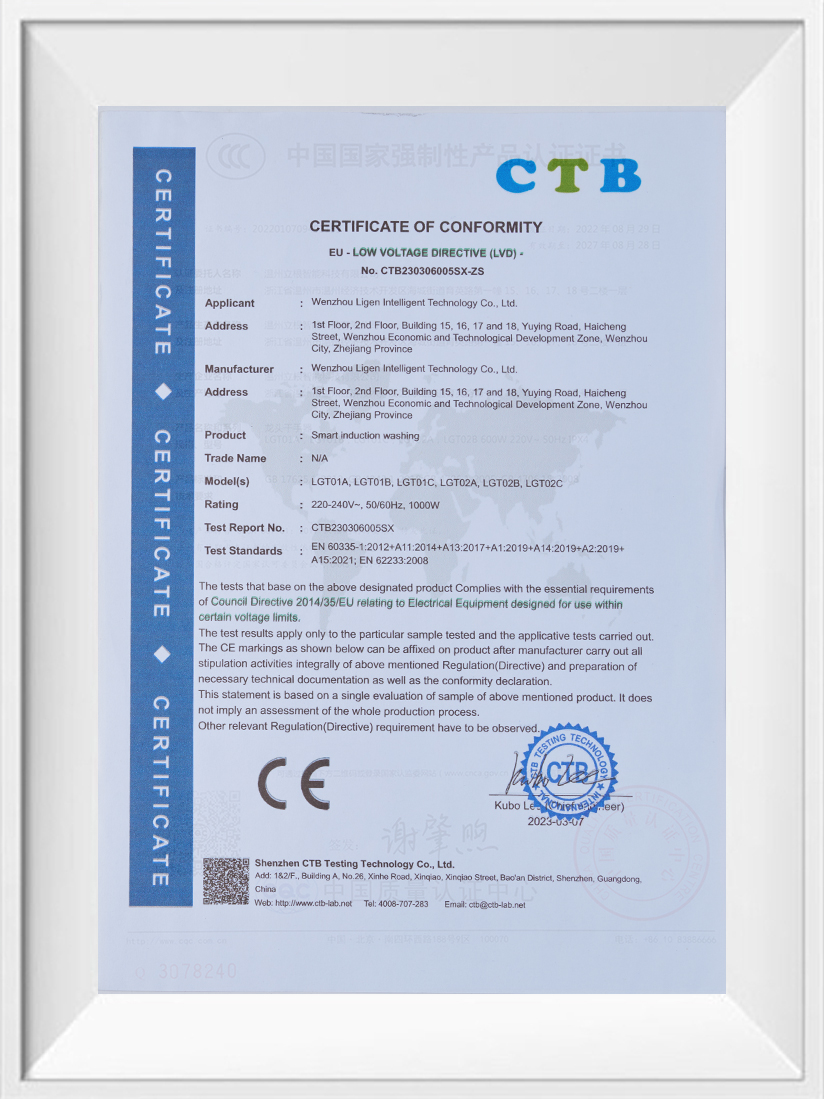
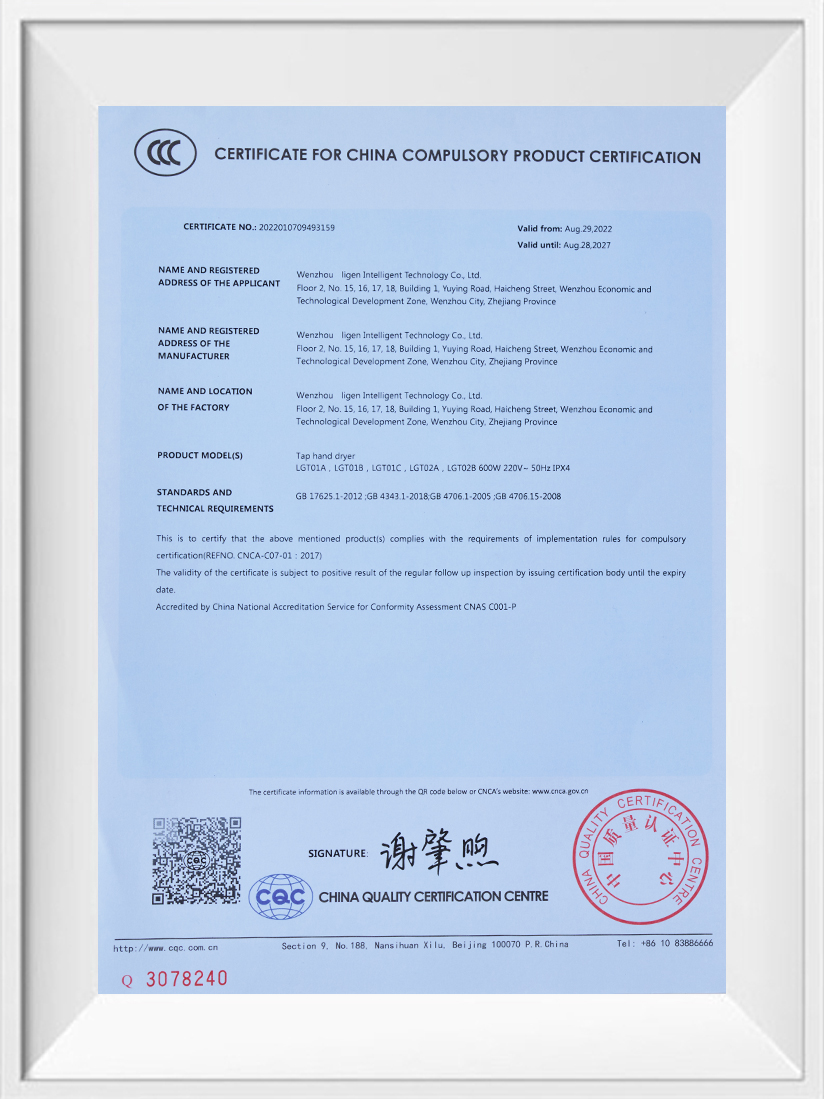
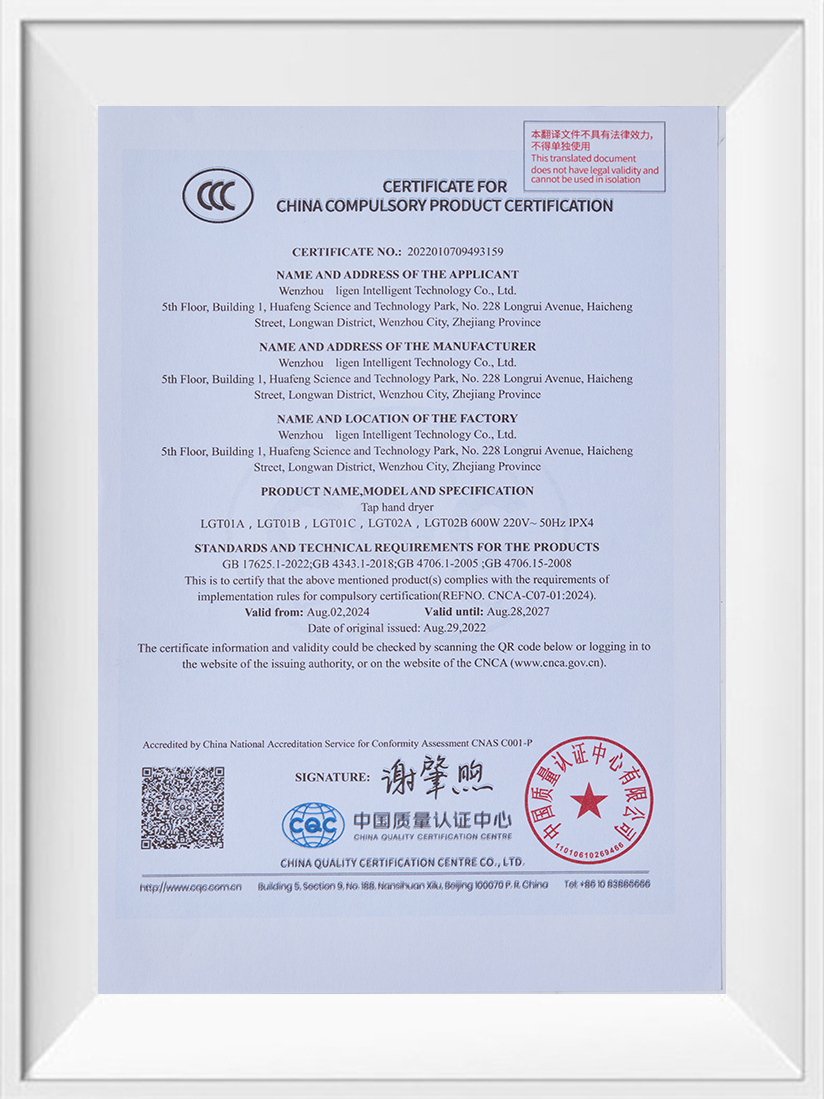
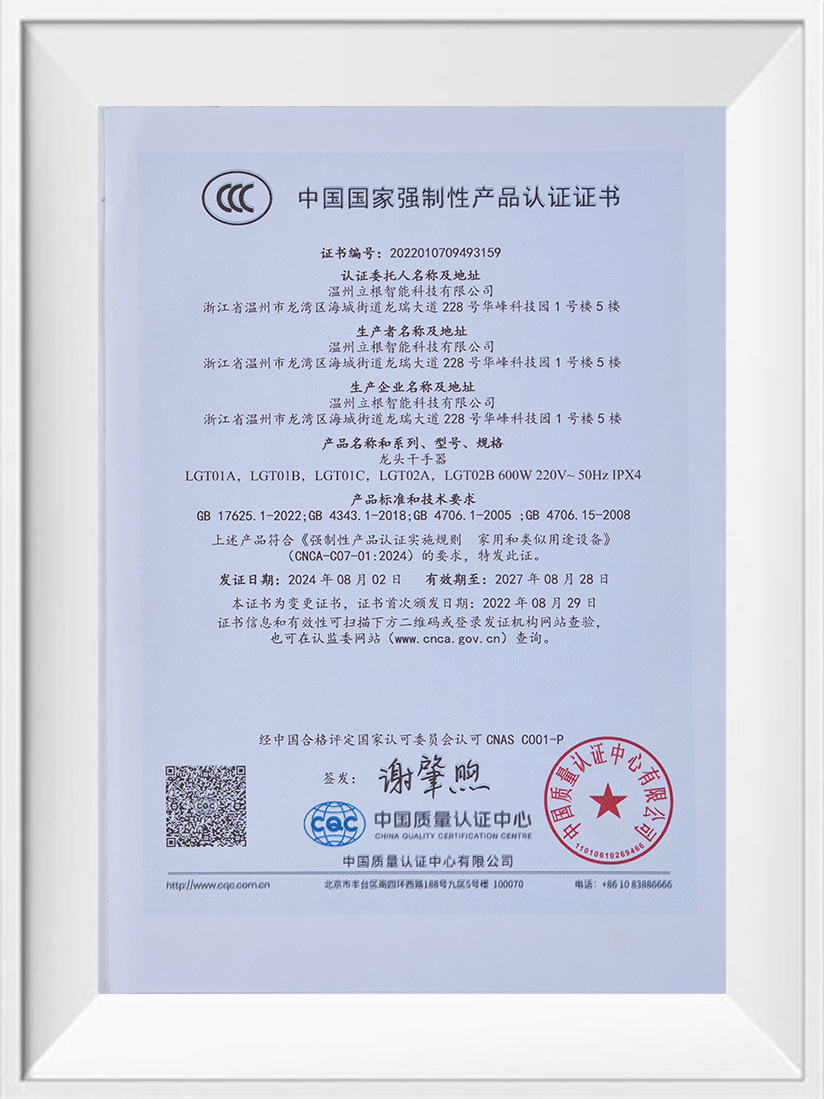
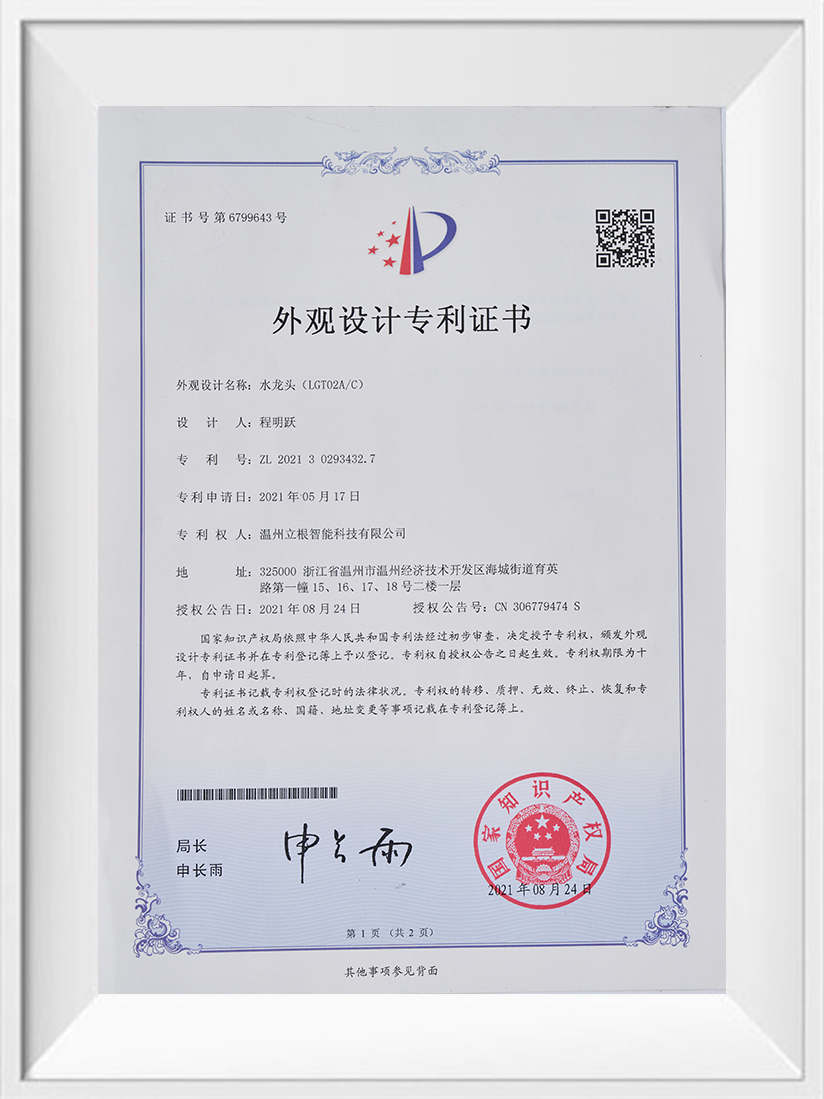
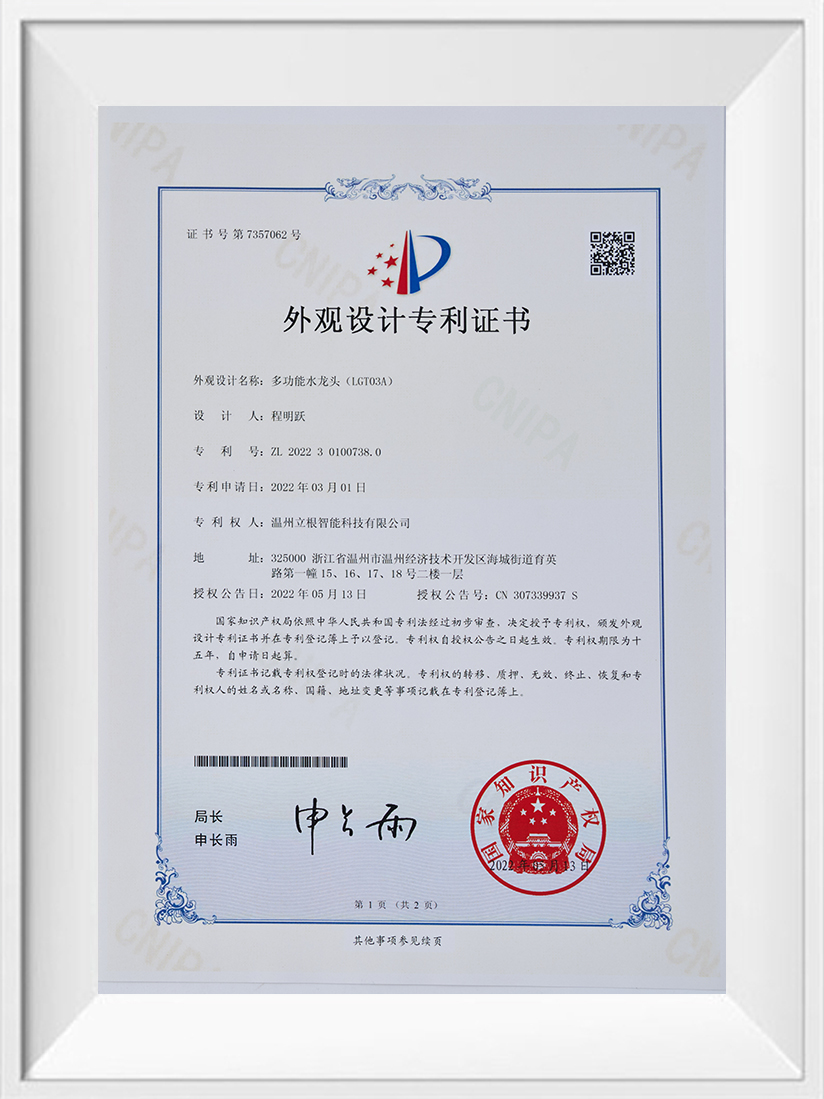
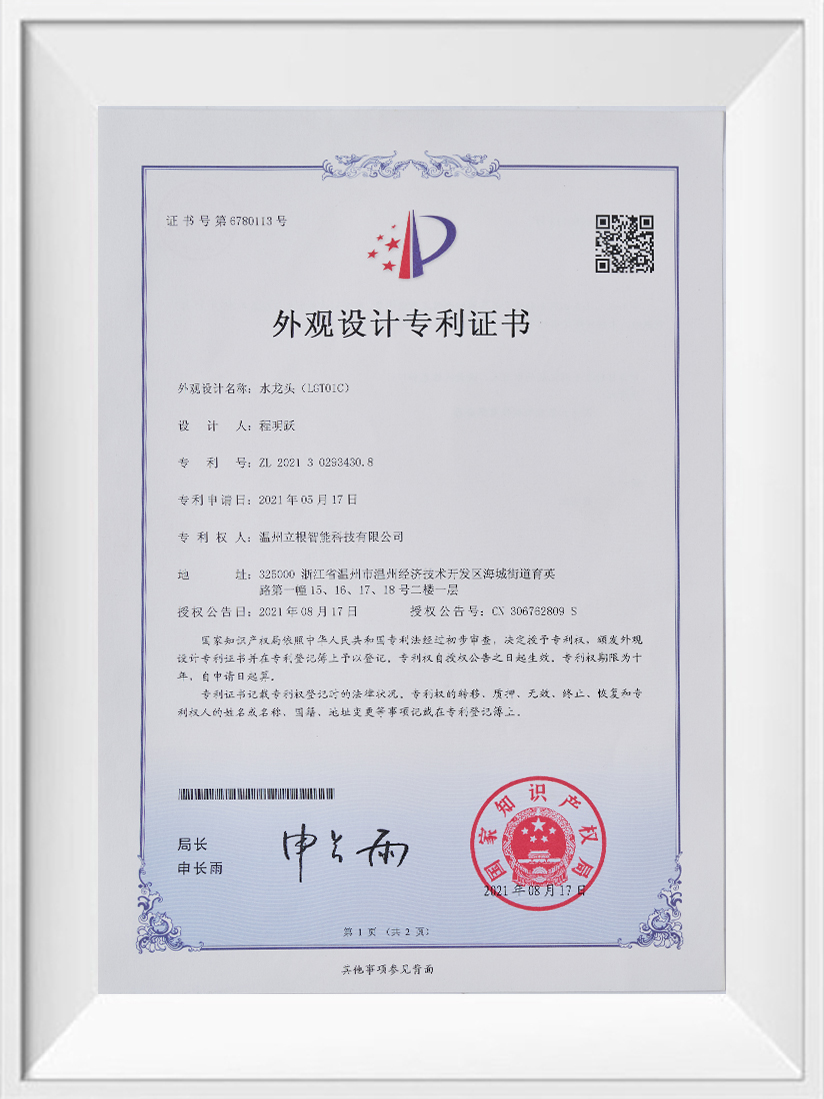
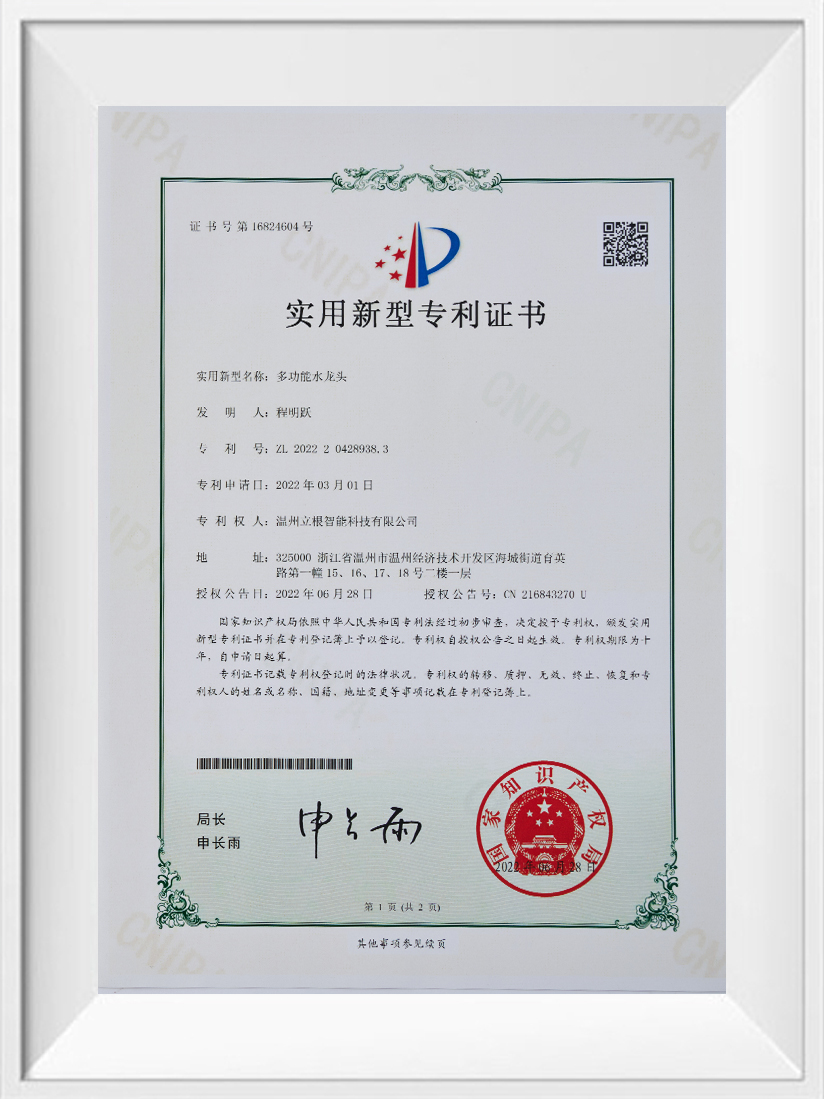
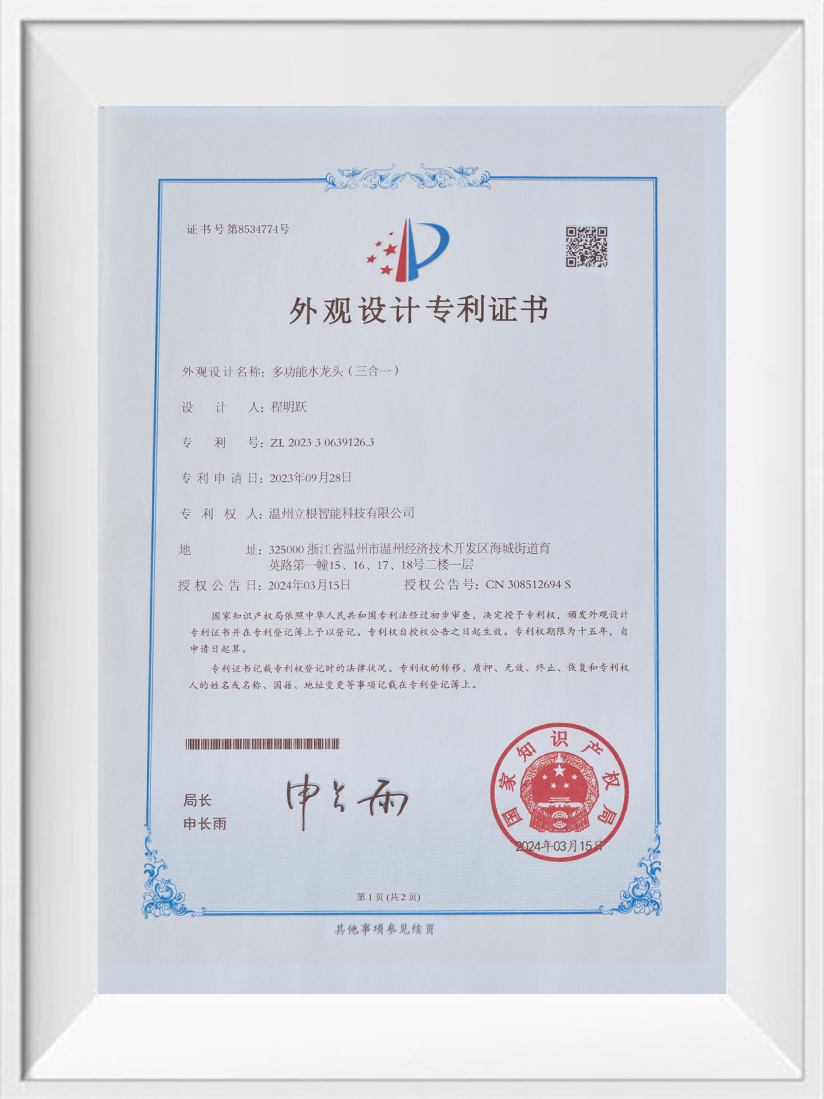
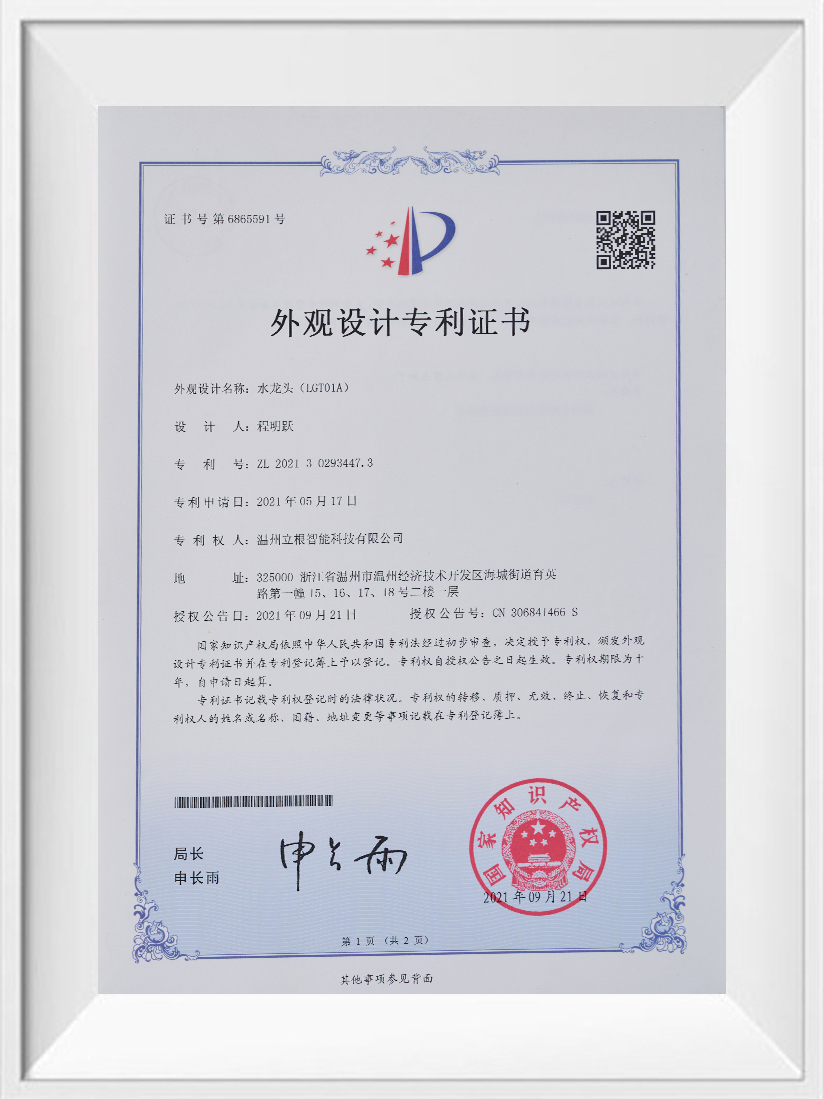
Certificate Of Honor
Message Feedback
News
-
-
How Restroom Layout Shapes Equipment Choices In commercial buildings, restroom equipment needs to fit the space, expected visitor flow, and daily operating requirements. Shopping centers, office build...
Read More -
A Tap That Responds to Movement Turning a handle is a familiar part of using a sink, but sensor-based fittings offer a different experience. An Automatic Tap detects a user's presence and activates wa...
Read More -
A Different Approach to Hand Drying The High Speed Hand Dryer has become an increasingly visible product in commercial washrooms, public facilities, hotels, restaurants, transportation spaces, office ...
Read More -
Hotel lobbies, hospital wings, office restrooms — walk into almost any commercial space built or renovated in recent years and there's a decent chance the faucet responds to motion rather than a handl...
Read More -
A touchless tap activates water flow through sensor detection rather than physical handles or levers. The system relies on electronic components that register the presence of hands or objects within a...
Read More -
Smart Faucets Are Becoming More Technical The Smart Faucet is moving from a simple touch-free fixture toward a more integrated water control product. Modern designs can combine sensors, electronic val...
Read More -
Faucet design is changing in a rather quiet way. Instead of adding complicated features simply for appearance, manufacturers are paying closer attention to how water moves from the inlet to the outlet...
Read More -
Sensing and Response in Real Time The detection range usually covers a short distance in front of the unit, enough to register a hand but not so wide that random movement causes accidental release. Re...
Read More -
Motor Type Decides How Fast Hands Actually Dry Conventional hand dryer models rely on a simple heating element paired with a fan, warming the air before pushing it out across wet hands. This design wo...
Read More -
Automatic Tap Technology Enters Everyday Spaces Turning on a faucet used to be a simple movement: reach forward, rotate a handle, and adjust the water. Today, sensor-based fixtures are changing that f...
Read More -
A Quiet Shift in Public Washrooms Walk through any airport, hospital lobby, or office building built in the last few years and the pattern repeats itself. Traditional handle faucets are being swapped ...
Read More
Industry Knowledge
The multifunctional faucet-style hand dryer—often referred to in the industry as an Integrated Faucet Hand Dryer—is a bathroom fixture that combines a hand-washing faucet and a hand-drying function into a single unit. Users simply place their hands in the sensing zone beneath the device to complete the "wash and dry" process—dispensing water followed by automatic air drying—without ever touching a button or switch.
Key components of these products typically include:
Sensor Faucet: Features a built-in infrared or capacitive sensor module that automatically dispenses water when hands approach and shuts it off when they move away; it is a prime example of a touchless bathroom solution.
Integrated Hand-Drying Module: After water dispensing concludes, the device uses an internal fan and heating element (or ambient air in some models) to dry the user's hands, eliminating the need to walk to a separate, standalone hand dryer.
Integrated Countertop/Wall-Mount Design: Combines the faucet, sensor, and air-drying ductwork into a compact housing, reducing the number of devices on the countertop and simplifying maintenance and cleaning.
Suitable Applications: Public restrooms with high foot traffic and strict hygiene standards—such as those in airports, subway stations, shopping malls, office buildings, hospitals, hotels, and schools—as well as commercial bathroom renovation projects where space efficiency is a priority.
For B2B purchasers, the core value of these products lies in:
- Reducing the number of standalone hand dryers to be purchased and installed, thereby lowering overall equipment procurement costs and the number of maintenance points;
- Enabling touchless operation to minimize the risk of cross-contamination, aligning with the growing demand for touchless bathroom solutions in public spaces;
- Integrating the faucet and hand dryer to simplify plumbing layouts, offering installation convenience for both new construction and renovation projects.
Key Product Highlights
- Integrated Structure: Combines a sensor faucet and a hand-drying module into a single unit, reducing the number of fixtures and installation points in the restroom.
- Touchless Operation: No need to press switches or handles; part of the "Touchless Bathroom Solutions" category, which minimizes the risk of cross-contamination.
- Optimized Space Utilization: Saves countertop or wall space compared to separate faucet and hand dryer installations; ideal for renovation projects in compact public restrooms.
- Wide Range of Applications: Suitable for various public and commercial restroom settings, including airports, subways, shopping malls, office buildings, hospitals, schools, and hotels.
- Centralized Maintenance: Water supply, sensor, and hand-drying modules are integrated into one unit, facilitating unified inspection and maintenance management (please refer to the supplier's maintenance manual for specific procedures).
- Supports Batch Customization: Options include appearance, sensor parameters, voltage standards, etc. (availability and minimum order quantities are subject to supplier confirmation).
Specific parameters (power, airflow speed, noise level, waterproof rating, certification numbers, etc.): Please fill in these details based on the test reports or technical specifications of the specific model being sold.
Frequently Asked Questions
1. What are the main advantages of a multifunctional faucet-style hand dryer compared to the traditional combination of a separate faucet and hand dryer?
The primary advantages are a smaller countertop footprint and centralized installation points. By integrating sensor-activated water flow and hand-drying functions, the unit allows for a completely touch-free user experience. As a typical Touchless Bathroom Solution, it better meets modern hygiene standards for public restrooms.
2. Does installing this type of equipment require special modifications to plumbing or electrical systems?
Integrated units typically have specific requirements regarding mounting holes, plumbing connections, and power supply configurations, meaning they are not always directly interchangeable with traditional separate fixtures. It is recommended to obtain detailed installation diagrams and technical specifications from the supplier before purchasing and to have the installation team verify site conditions in advance to avoid installation issues upon delivery.
3. Is customization available for bulk orders intended for multi-location projects such as chain stores, airports, or schools?
Customization options (e.g., color, logo, sensor parameter adjustments, voltage standards for export markets) vary by supplier. You should confirm the Minimum Order Quantity (MOQ), customization lead times, and prototyping processes with the specific supplier; it is advisable to state your customization requirements during the initial inquiry stage.
4. Do the devices differ in terms of waterproof ratings and suitable environments (e.g., humid restrooms vs. outdoor public facilities)?
Waterproof ratings (IP ratings) vary by model. Before purchasing, request waterproof certifications or test reports for the specific model from the supplier. Select a product with the appropriate rating based on the actual installation environment (e.g., exposure to direct water spray or outdoor use) to prevent equipment damage or warranty disputes caused by environmental incompatibility.
5. How can I verify the credibility of product certifications provided by the supplier?
It is recommended to request original test reports issued by third-party testing agencies or verifiable reference numbers (especially for electrical safety or hygiene certifications). You can verify the authenticity of these reports via the testing agency's official website or authorized channels; relying solely on promotional materials provided by the supplier is not recommended.
6. Is routine maintenance and cleaning complex? Are spare parts easy to source?
Due to their integrated design, all-in-one units require different cleaning and maintenance procedures for internal components—such as air ducts, filters, and sensors—compared to split-system units. Before purchasing, check if the supplier provides a maintenance manual and whether consumable parts (e.g., filters, sensor modules) can be purchased and replaced individually to help control long-term maintenance costs.

- No. 187, Binhai 4th Road, Xinghai Street, Longwan District, Wenzhou City, Zhejiang, China
-
WeChat: BURIRO-LIGEN
WhatsApp: +86 13362723903
Email: [email protected] Catalogue PDF - Multifunctional Tap Hand Dryer Soap Dispenser Hand Dryer Hand Sterilizer Baby Changing Station
-
