

 русский
 عربى
عربى
Sensing and Response in Real Time
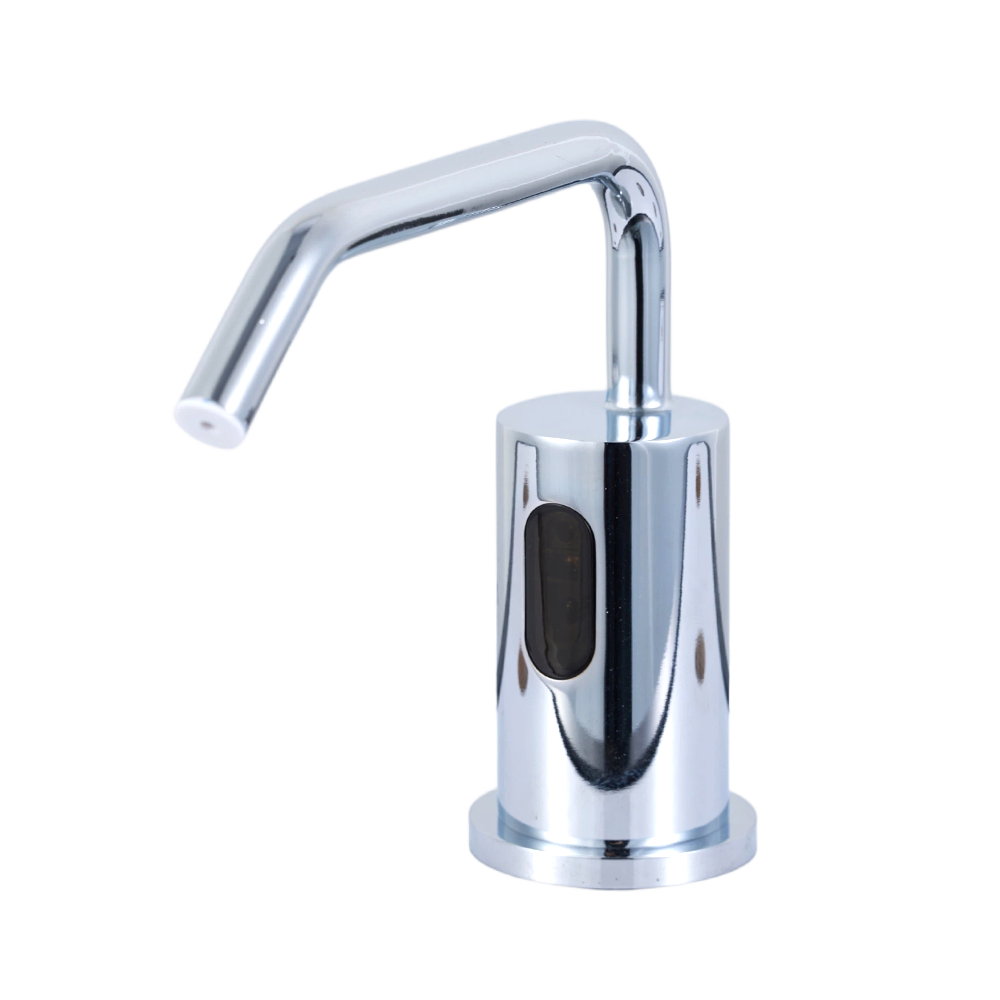
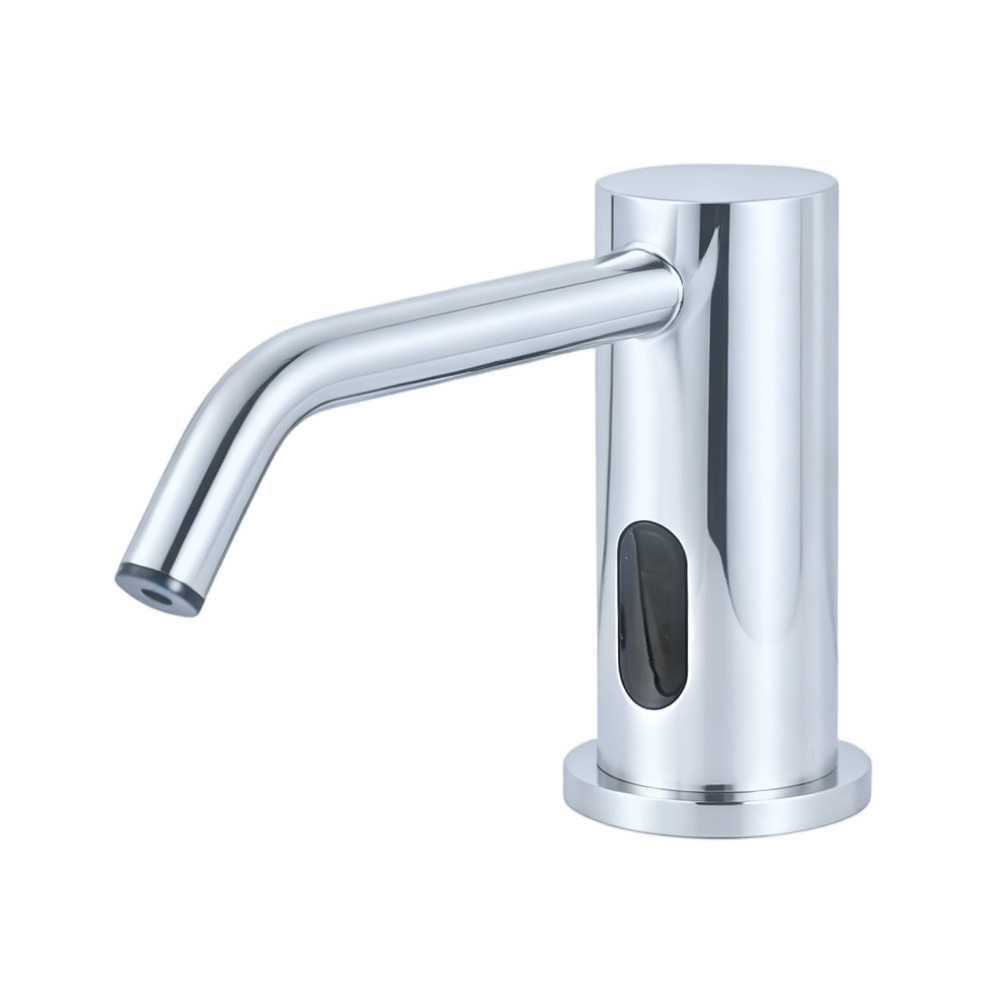
The detection range usually covers a short distance in front of the unit, enough to register a hand but not so wide that random movement causes accidental release. Response time stays quick, so users rarely experience delay between gesture and soap delivery. Volume per activation remains consistent, preventing both sparse and excessive amounts.
Some versions allow adjustment of the dispensed quantity through a simple dial or button sequence. Others keep a fixed output suited to standard hand washing. Battery or plug-in power keeps the sensor and pump ready throughout the day. Touchless Soap Dispenser operation relies on this steady readiness rather than manual pressure or levers.
Form Factors Across Different Spaces
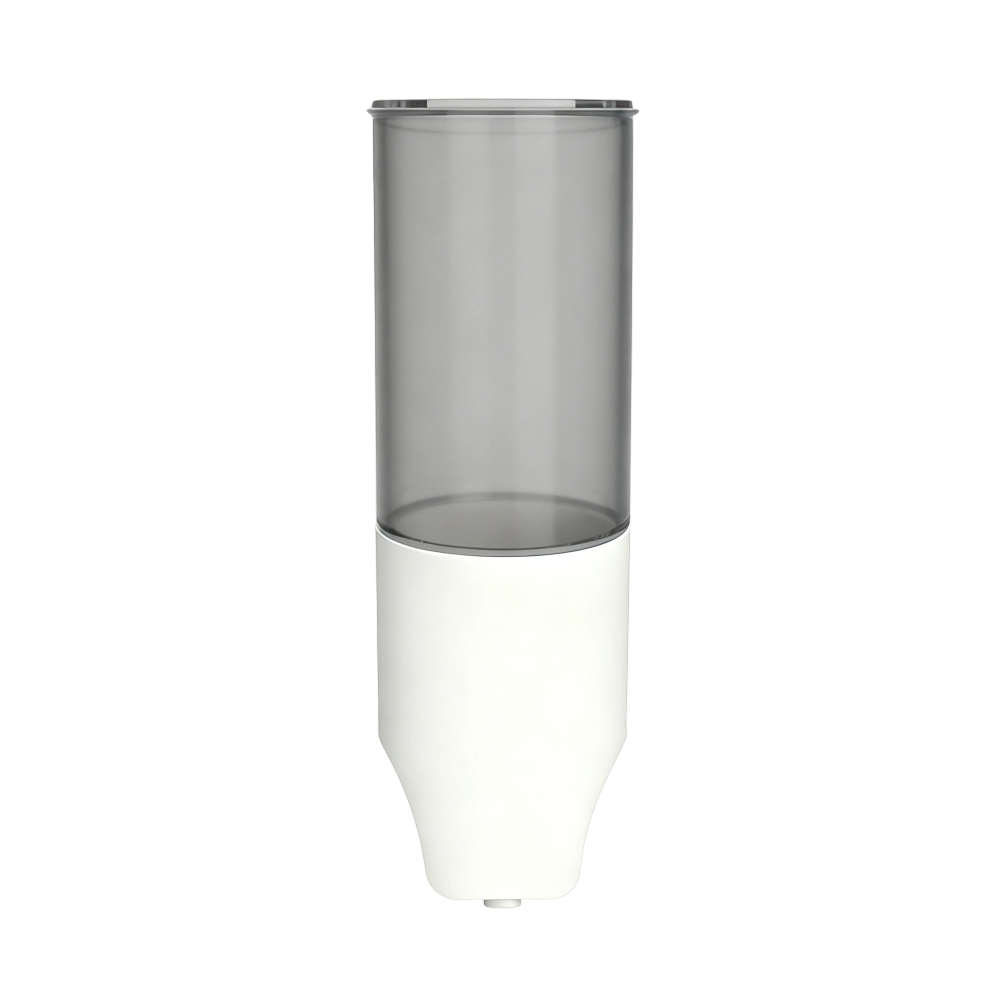
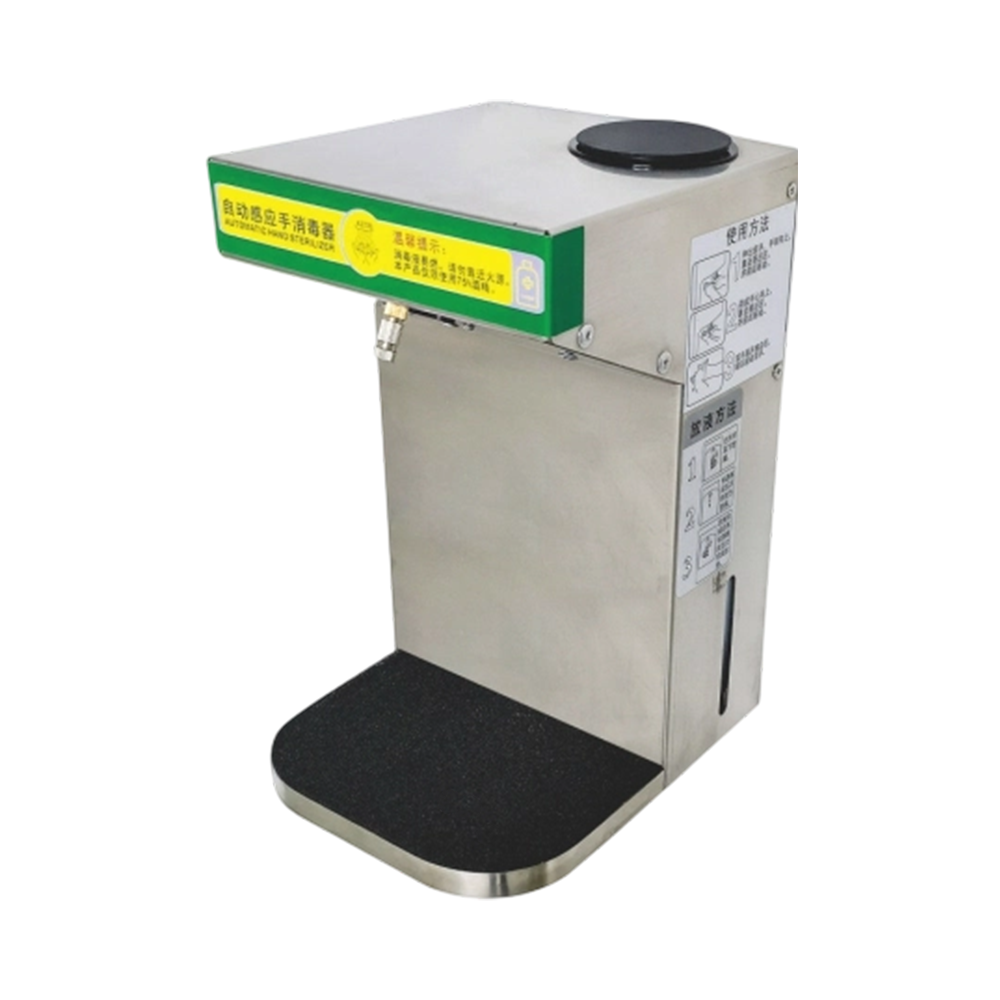
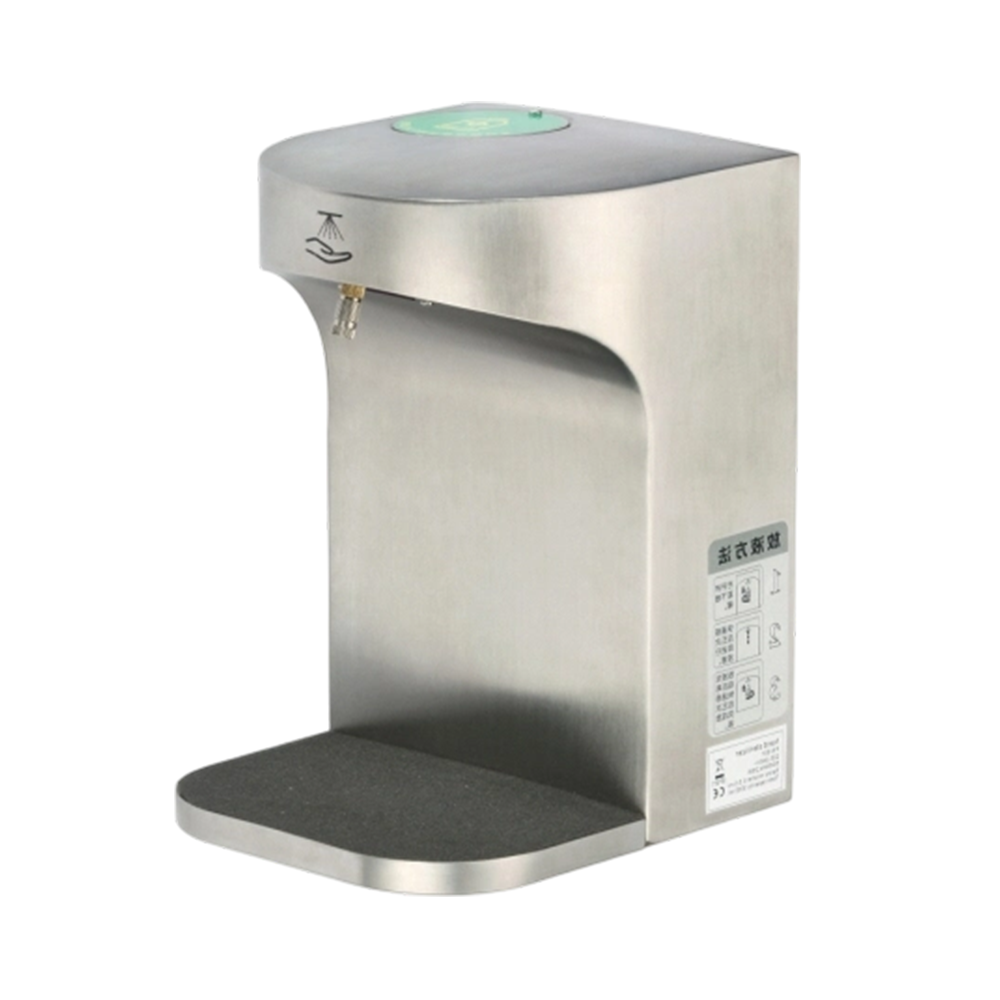
Countertop models sit beside the sink with a compact footprint that leaves room for other items. Wall-mounted styles free the surface entirely and position the nozzle at a convenient height. Clear or translucent reservoirs let people check the soap level without opening the unit. Refilling involves lifting a lid or sliding out a container, then pouring liquid soap until the mark is reached.
The exterior surfaces stay smooth and free of complex grips because no physical contact is required during normal use. Rounded corners and modest height help the device blend with surrounding fixtures. Nozzle tips are shaped to direct the soap stream downward and reduce dripping onto the counter.
Moments When the Device Proves Useful
Morning routines gain a small measure of ease when hands stay free of residual soap residue from a shared bar or pump. After cooking, a quick rinse followed by a sensor-activated portion keeps the flow of kitchen tasks uninterrupted. In households with several people moving through the same wash space, the absence of a shared contact point simplifies successive use.
Guest bathrooms benefit from the same hands-free action, as visitors can wash without adjusting to an unfamiliar pump style. Children’s bathrooms also see practical value because the gesture is easy to learn and requires no strength to operate. Touchless Soap Dispenser units support these varied daily patterns through consistent sensor performance.
Material Choices and Everyday Feel
Housings are commonly molded from durable plastics that resist ordinary moisture and cleaning sprays. The sensor window remains clear so detection stays reliable. Internal tubing and pump components are selected for compatibility with typical liquid soaps, including those with moderate thickness.
Weight distribution keeps countertop versions stable even when the reservoir is full. Wall units use secure mounting hardware that holds firm under normal conditions. The overall impression is one of quiet functionality rather than decorative complexity.
A Closer Look at User Interaction
People quickly adapt to the required hand position after a few uses. Standing at a natural distance from the unit produces reliable activation. If the sensor does not respond, a slight adjustment of angle or distance usually corrects the issue. Once soap is dispensed, standard rinsing and drying complete the sequence.
In shared or high-traffic spots the device cycles repeatedly without requiring resets. The reservoir capacity supports multiple uses before a refill becomes necessary. Touchless Soap Dispenser designs accommodate this repeated demand by keeping the mechanism simple and the sensing zone predictable.
Across homes and light commercial wash areas the same core action repeats: approach, receive soap, step back. The absence of levers or buttons removes one small point of contact from the routine. Touchless Soap Dispenser continues to fill this role through dependable sensing, measured delivery, and straightforward placement that fits ordinary spaces and ordinary habits.
 Previous