

 русский
 عربى
عربى
Faucet design is changing in a rather quiet way. Instead of adding complicated features simply for appearance, manufacturers are paying closer attention to how water moves from the inlet to the outlet. This shift has brought the Water Saving Faucet into greater discussion among plumbing product manufacturers, distributors, building suppliers, and commercial project buyers.
The idea sounds simple: deliver enough water for a task while reducing unnecessary flow. In practice, however, achieving a comfortable stream requires careful engineering. Flow rate, pressure, aeration, outlet structure, cartridge design, and handle movement can all influence how a faucet performs.
Flow Control Starts Inside The Faucet
A faucet does not need to release a large volume of water to create a useful stream. Internal components can regulate the amount of water entering the outlet while maintaining a steady sensation for the user.
Aerators are one example. Small openings mix water with air, creating a fuller stream without relying entirely on additional water volume. Different aerator structures can produce different spray patterns, making them suitable for kitchen sinks, bathroom basins, utility areas, and commercial wash stations.
Cartridge design also matters. A ceramic cartridge or other flow-control mechanism determines how easily the user can adjust the water. Smooth movement can make it easier to stop the flow at the desired point rather than leaving the faucet running longer than necessary.
Why Pressure Matters
Water pressure is another important factor in Water Saving Faucet performance. A faucet installed in a low-pressure system may behave differently from one connected to a stronger supply.
Manufacturers therefore need to consider how the faucet will be used rather than focusing on a single flow condition. Internal passages that are too restrictive may create an uncomfortable stream, while oversized passages can allow more water to pass than the application requires.
For product developers, testing different inlet pressures can reveal how the outlet behaves under changing conditions. This helps engineers select suitable aerators, cartridges, valves, and internal channels for specific product series.
Different Applications Need Different Flow Behavior
A kitchen faucet and a bathroom faucet may look similar, but their working requirements can differ considerably. Kitchen users often need a stronger stream for rinsing cookware and washing ingredients. Bathroom faucets generally serve hand washing and other short-duration tasks.
Commercial installations introduce another set of considerations. Faucets used in offices, restaurants, schools, hotels, and public facilities may experience frequent operation throughout the day. Handle response, flow stability, outlet design, and installation compatibility become important purchasing factors.
A Water Saving Faucet designed for one application should therefore not automatically be treated as a universal solution. Manufacturers can create different flow characteristics for different markets while keeping the basic product concept consistent.
Manufacturing Details Shape User Experience
Production accuracy also has an important role in faucet performance. Internal components need to fit together correctly so that the valve can regulate water consistently. Poor dimensional control can affect handle movement, sealing, and flow behavior.
Material selection is another consideration. Brass, stainless steel, engineering plastics, and other materials may be used for different components depending on the product structure and application. Surface treatment can also influence appearance and the perceived quality of the finished faucet.
For OEM and ODM buyers, these details are worth discussing early in product development. A buyer may request a specific body shape or handle style, but the internal structure should also be considered. Changing the outlet, cartridge, or internal passage can affect the final flow characteristics.
Smart Features Add Another Layer
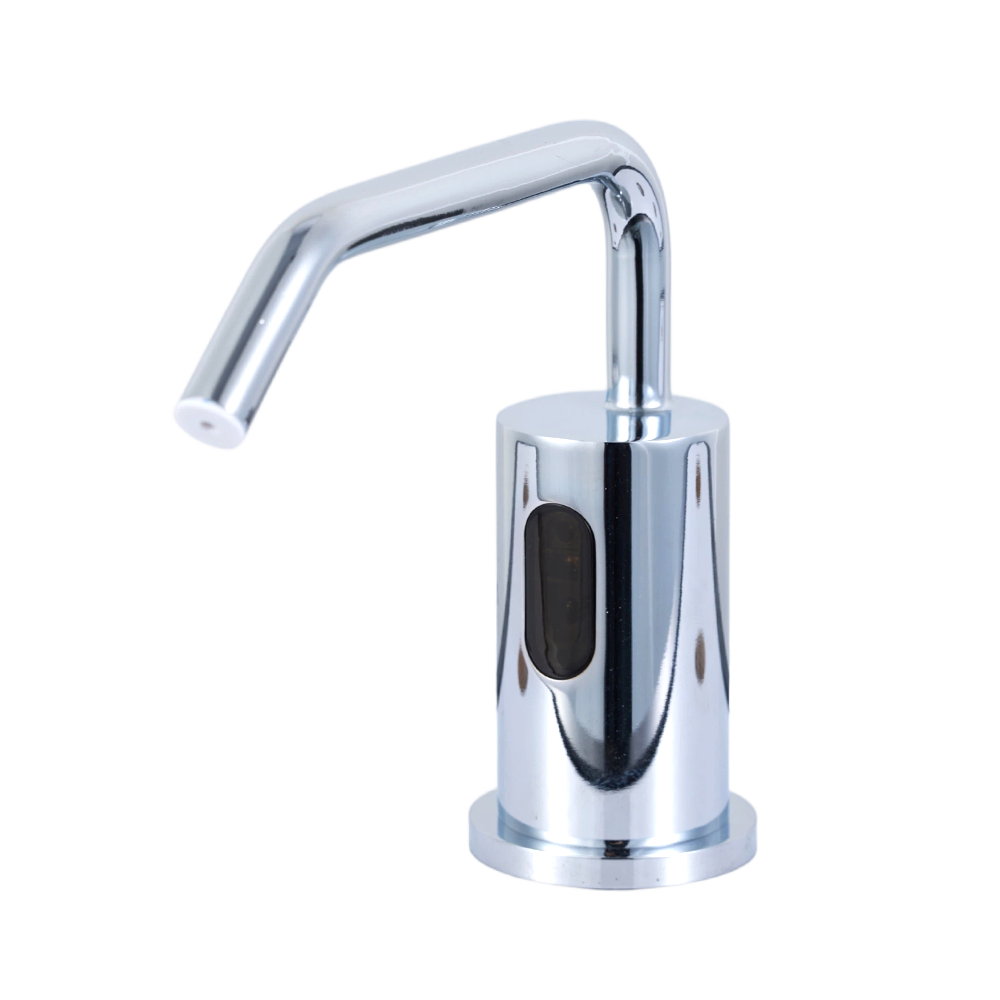
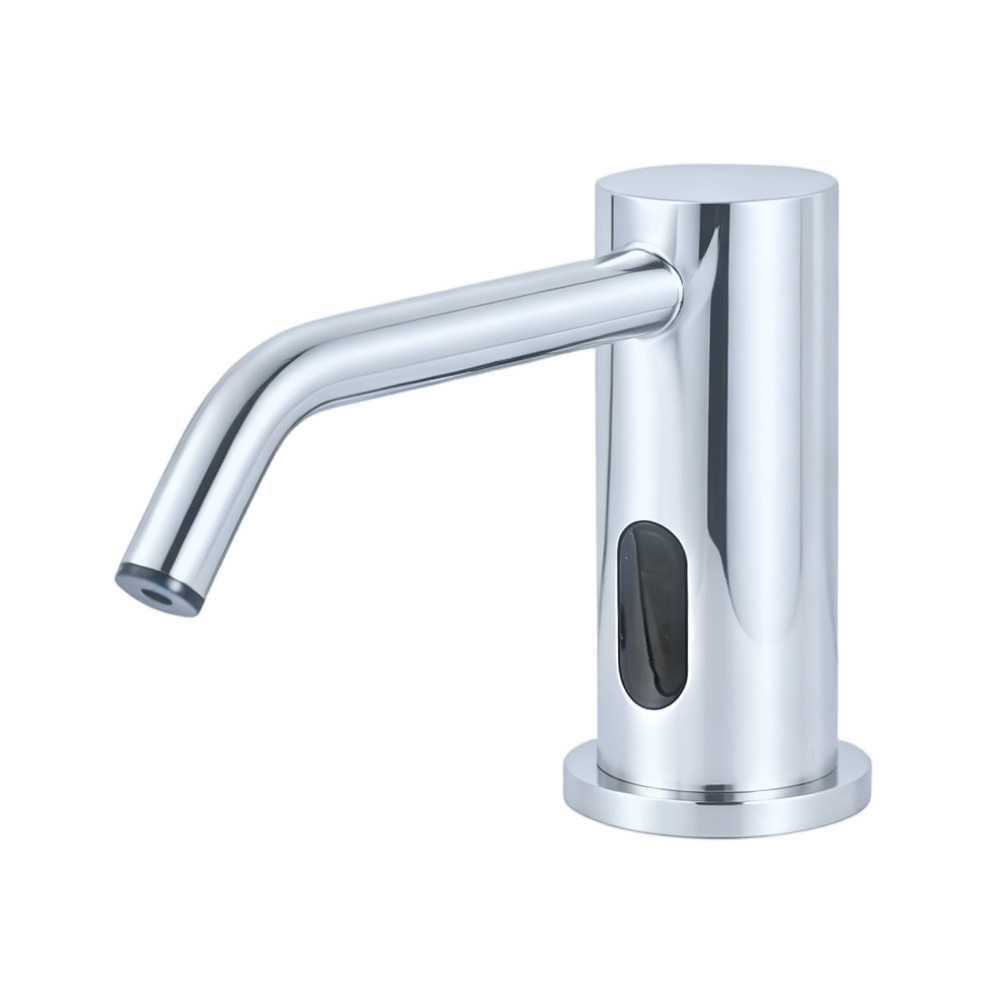
Electronic control is creating additional possibilities for Water Saving Faucet products. Sensor-operated models can activate water only when hands are detected, while timed operation can limit how long the water remains open.
Touchless control is particularly relevant in commercial settings where many users operate the same fixture. The technology also gives manufacturers more room to develop products around specific installation scenarios.
However, electronic features do not replace mechanical engineering. Sensors, valves, power systems, and control modules still need to work together smoothly. Product designers must balance electronic functions with reliable water-flow control.
 Previous