

 русский
 عربى
عربى
Automatic Tap Technology Enters Everyday Spaces
Turning on a faucet used to be a simple movement: reach forward, rotate a handle, and adjust the water. Today, sensor-based fixtures are changing that familiar interaction. An Automatic Tap can detect a user's hand and activate water flow without requiring direct contact with a handle.
This design combines a faucet body, sensor, control system, valve, and water outlet into one coordinated fixture. The result is a different approach to everyday water use, particularly in places where many people share the same washing area.
Sensors Create A Hands-Free Experience
The sensor is one of the key components in an automatic faucet. It detects movement within a designated area near the outlet and sends a signal to the control system.
Once a hand enters the sensing zone, the internal valve can open and allow water to flow. When the hand moves away, the signal changes and the valve closes. This interaction removes the need to touch a traditional handle.
Sensor technology can use infrared detection or other electronic sensing methods. The sensing distance and response behavior can be adjusted according to the product design. A well-planned sensing area helps users activate the faucet naturally without making repeated hand movements.
Water Flow Depends On Internal Components
Although the sensor receives much of the attention, the internal valve is equally important. It controls when water enters the outlet and when the flow stops.
The control module connects the sensor signal with valve operation. When the sensor detects a hand, the controller sends an electrical signal to the valve. The valve then changes position to permit water flow.
Different faucet designs may use different valve structures. Solenoid valves are commonly associated with electronic faucet systems because they can respond to electrical signals and operate within compact assemblies.
The coordination between sensor, controller, and valve determines how quickly the faucet responds to user movement.
Design Shapes The User Experience
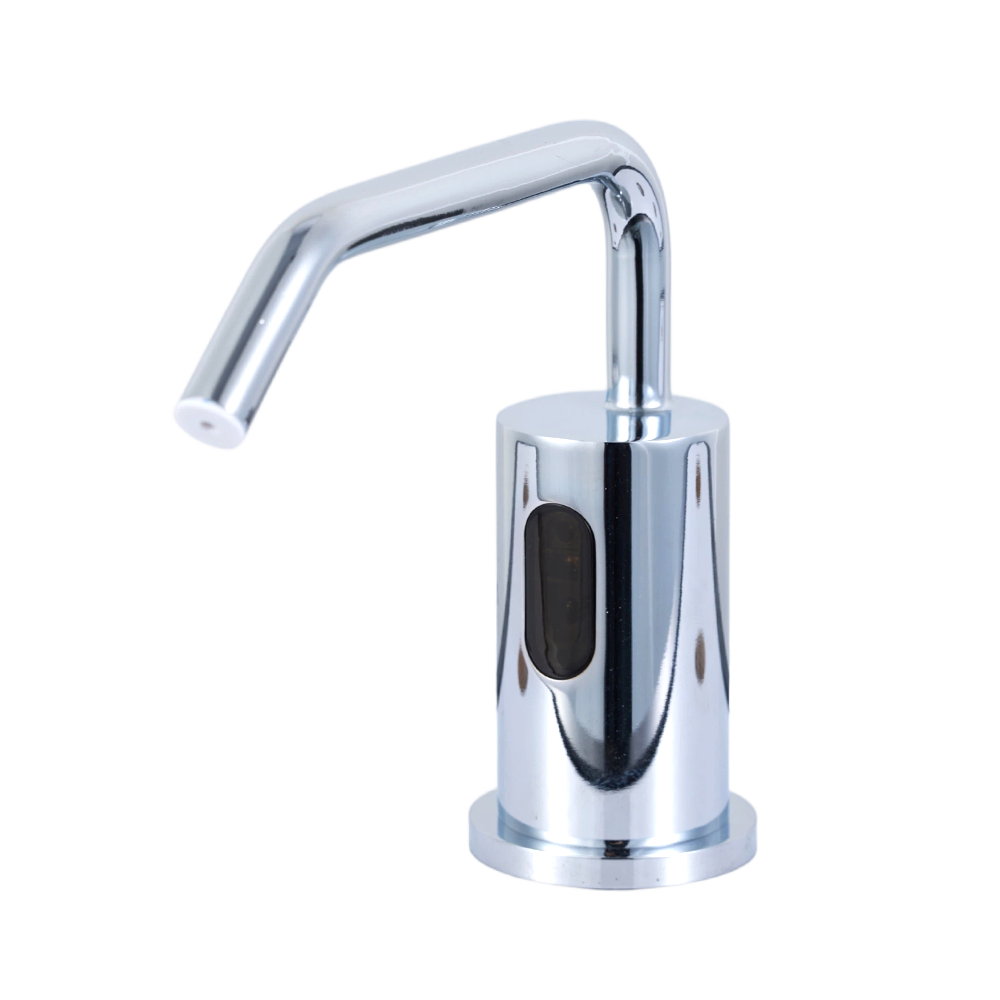
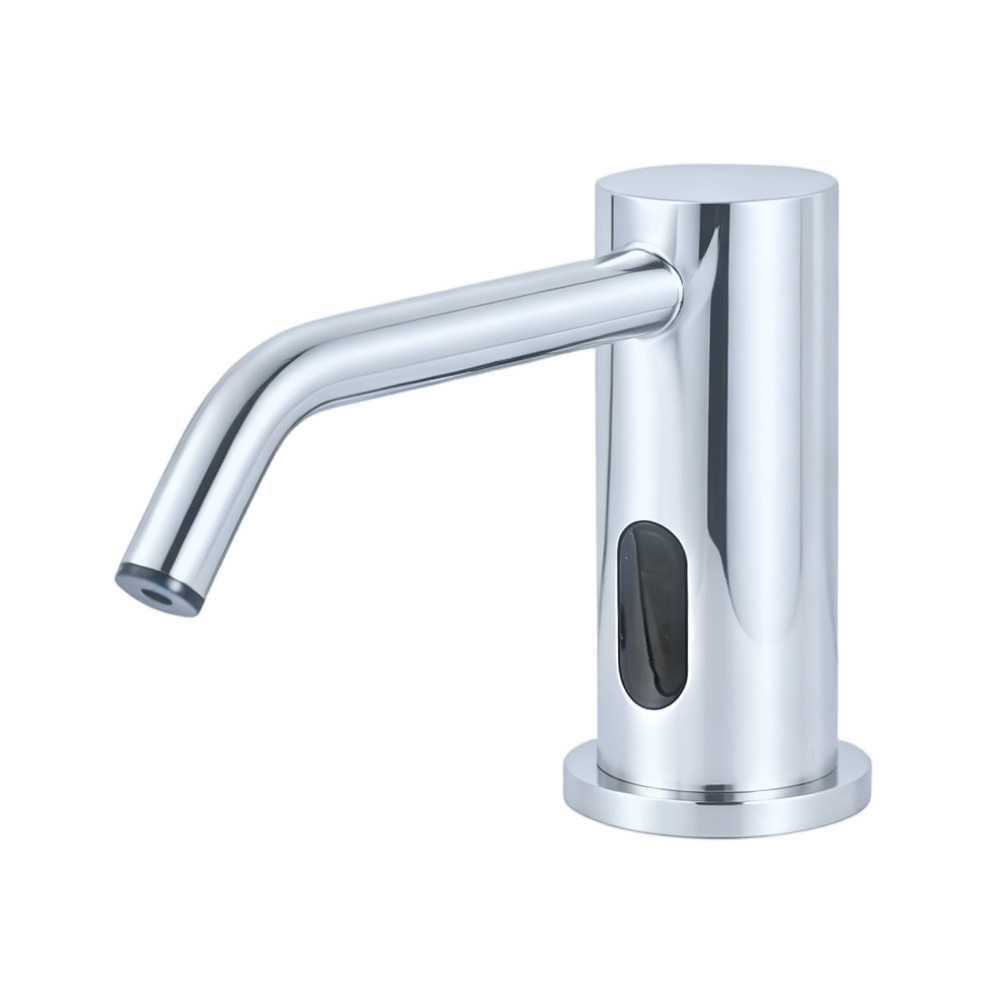
An Automatic Tap is not simply an electronic version of a conventional faucet. Its shape must accommodate sensors, wiring, control components, and water channels while maintaining a familiar appearance.
Manufacturers may create deck-mounted, wall-mounted, curved, straight, compact, or cylindrical designs. The spout height also matters because it affects the space available for hand washing.
A higher outlet can provide more room for larger objects, while a shorter design may suit compact basins. The sensor position needs to remain easy to access without interfering with the water stream.
These small design choices can have a noticeable effect on how users interact with the fixture.
Materials Affect Appearance And Construction
The faucet body may be produced from materials such as brass, stainless steel, or engineered polymers, depending on the design. Each material provides different characteristics in terms of appearance, weight, forming methods, and surface treatment.
Surface finishes can also create different visual styles. Polished surfaces provide a reflective appearance, while brushed textures offer a softer visual effect. Matte finishes can suit contemporary bathroom interiors.
For an Automatic Tap, material selection also needs to accommodate the internal sensor and electronic components. The body must provide enough space for these elements without making the fixture unnecessarily bulky.
Automatic Tap Design Connects Hardware And User Interaction
The growing use of sensor-operated fixtures shows how familiar bathroom products are incorporating electronic controls. An Automatic Tap combines mechanical water control with sensing technology, creating a hands-free interaction that differs from traditional faucet operation.
Its performance depends on several elements working together, including sensor range, valve response, water passage design, body structure, and power configuration. For residential, commercial, and shared facilities, these details allow faucet designs to be adapted to different spaces and user habits.
As a result, automatic faucet design is becoming an interesting meeting point between plumbing hardware, electronics, and everyday interior products.
 Previous