

 русский
 عربى

In commercial buildings, restroom equipment needs to work within a shared indoor environment. Airports, hotels, office buildings, shopping centers, and restaurants often have restrooms located close to corridors, meeting rooms, or public areas. In these settings, the sound produced by hand dryers can influence the overall user experience.
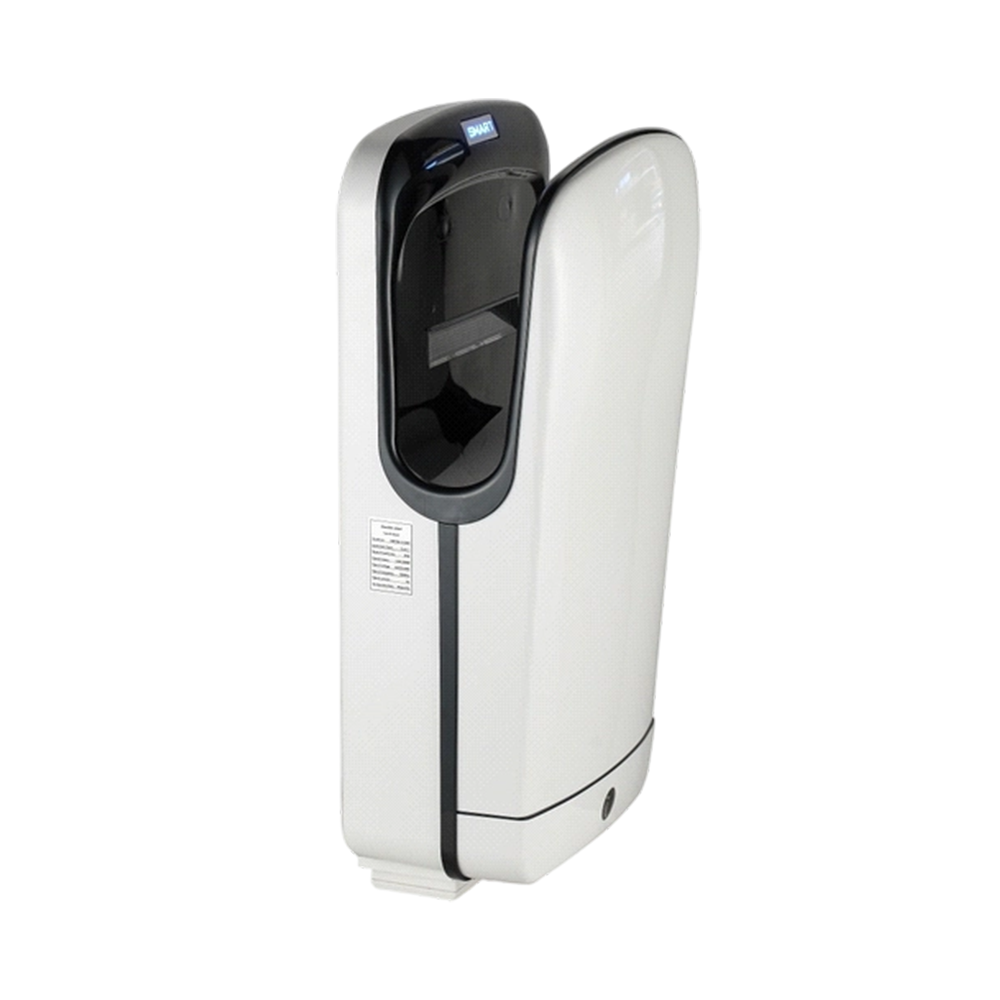
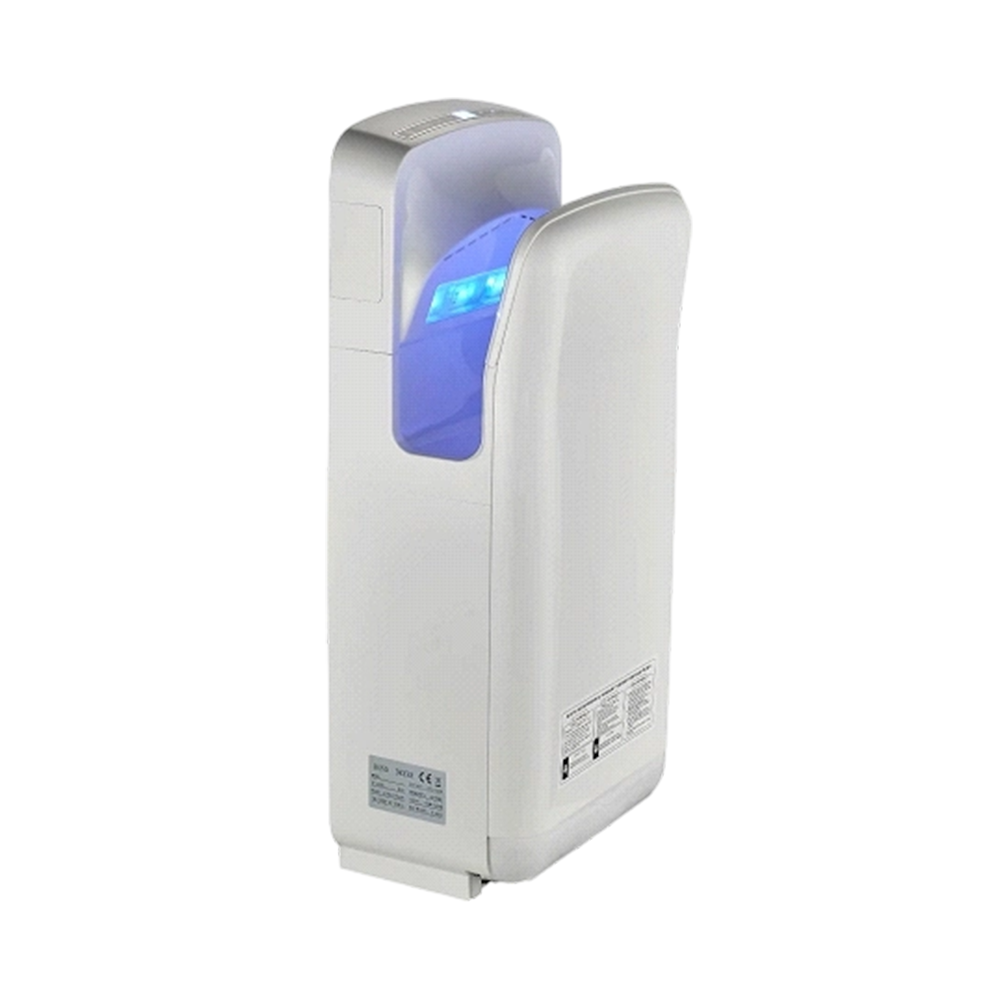
This has brought more attention to the design of the Quiet Hand Dryer. Unlike conventional models that focus mainly on drying speed and airflow strength, quieter designs also consider motor operation, air movement, internal structure, and sound transmission.
Where Does Hand Dryer Noise Come From?
A hand dryer produces sound through several mechanical and aerodynamic processes. The motor generates operating noise, while the fan moves air at high speed through internal channels and outlet openings.
Air turbulence can create additional sound, particularly when airflow changes direction or passes through narrow spaces. Vibrations from the motor may also travel into the housing and surrounding mounting surface.
Several design elements influence the final noise level:
- Motor structure: Motor type, rotation speed, and internal balancing affect operating sound.
- Fan blade design: Blade shape and arrangement influence airflow movement and turbulence.
- Air outlet geometry: Outlet width and internal channel design affect how air is discharged.
- Housing structure: Material thickness and internal support arrangements influence vibration transmission.
- Component positioning: The location of the motor and fan affects airflow paths and internal resonance.
A Quiet Hand Dryer therefore requires coordination between mechanical components and airflow design rather than relying on a single sound-reducing feature.
Motor Selection and Airflow Need to Work Together
The motor is one of the central components in a hand dryer. It drives the fan and determines how air moves from the intake to the outlet.
Different motor configurations offer different operating characteristics. Manufacturers may use high-speed motors to generate concentrated airflow, while other designs focus on balancing airflow volume and operating sound.
However, reducing motor speed does not automatically produce a suitable hand dryer. Lower airflow may extend drying time, which can be inconvenient in busy commercial restrooms.
Engineers need to consider the relationship between motor output, fan performance, air pressure, and outlet design. A properly arranged airflow path can help reduce unnecessary turbulence without relying entirely on increased motor power.
This balance is particularly relevant when developing a Quiet Hand Dryer for locations where several units may operate throughout the day.
Housing Materials and Internal Structure Matter
The outer housing does more than give a hand dryer its appearance. It protects internal components, supports the motor assembly, and provides the structure for installation.
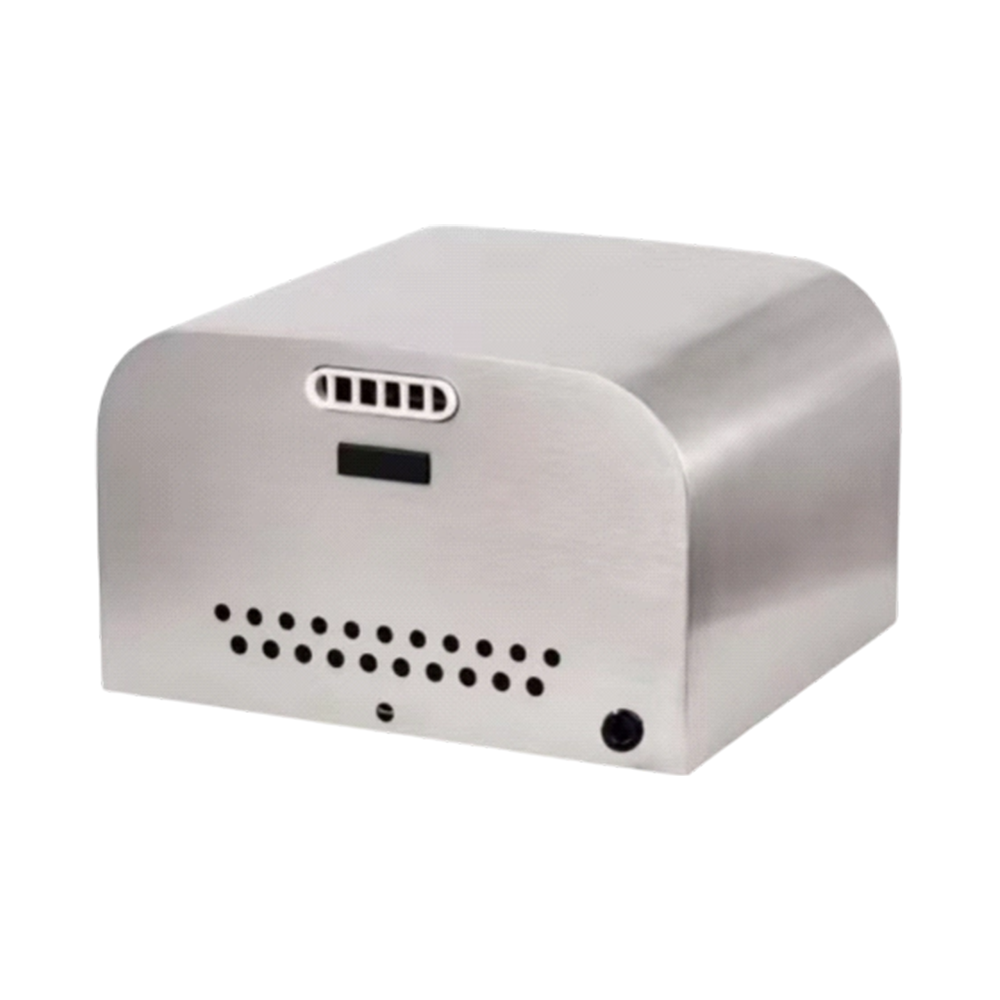
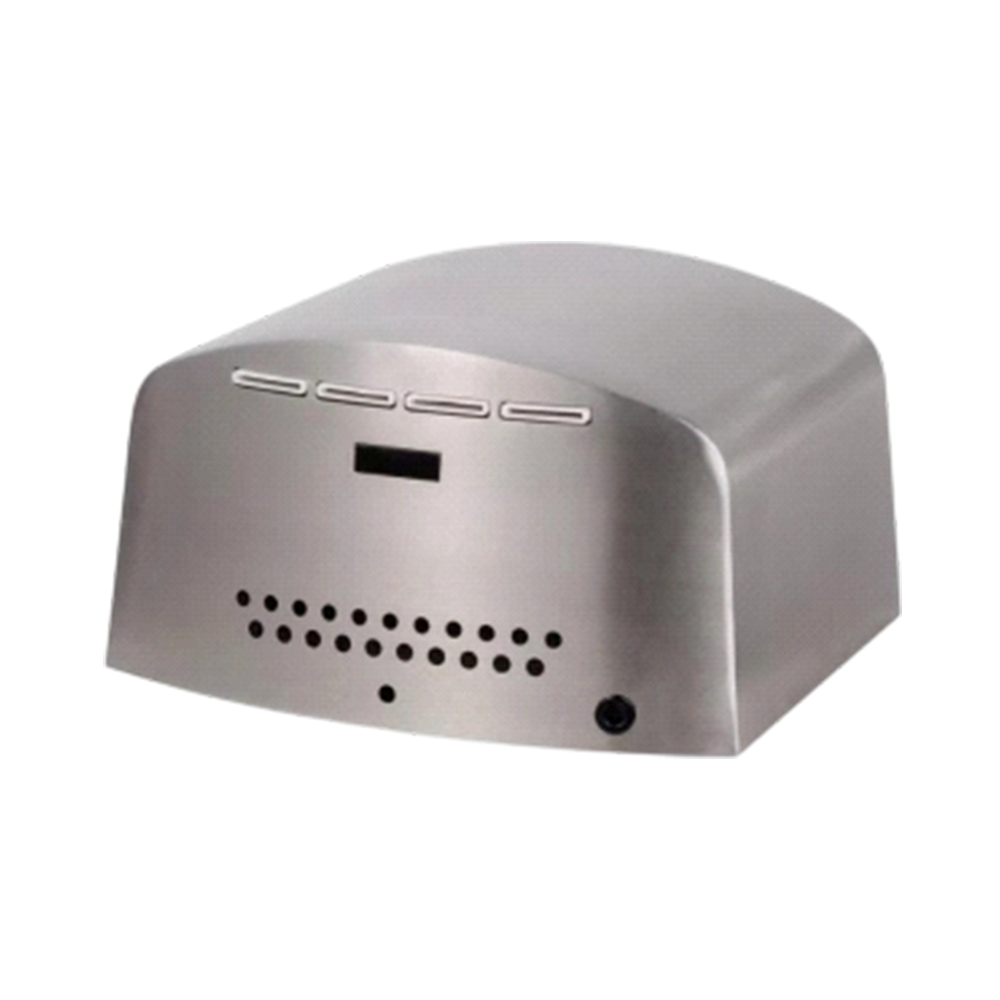
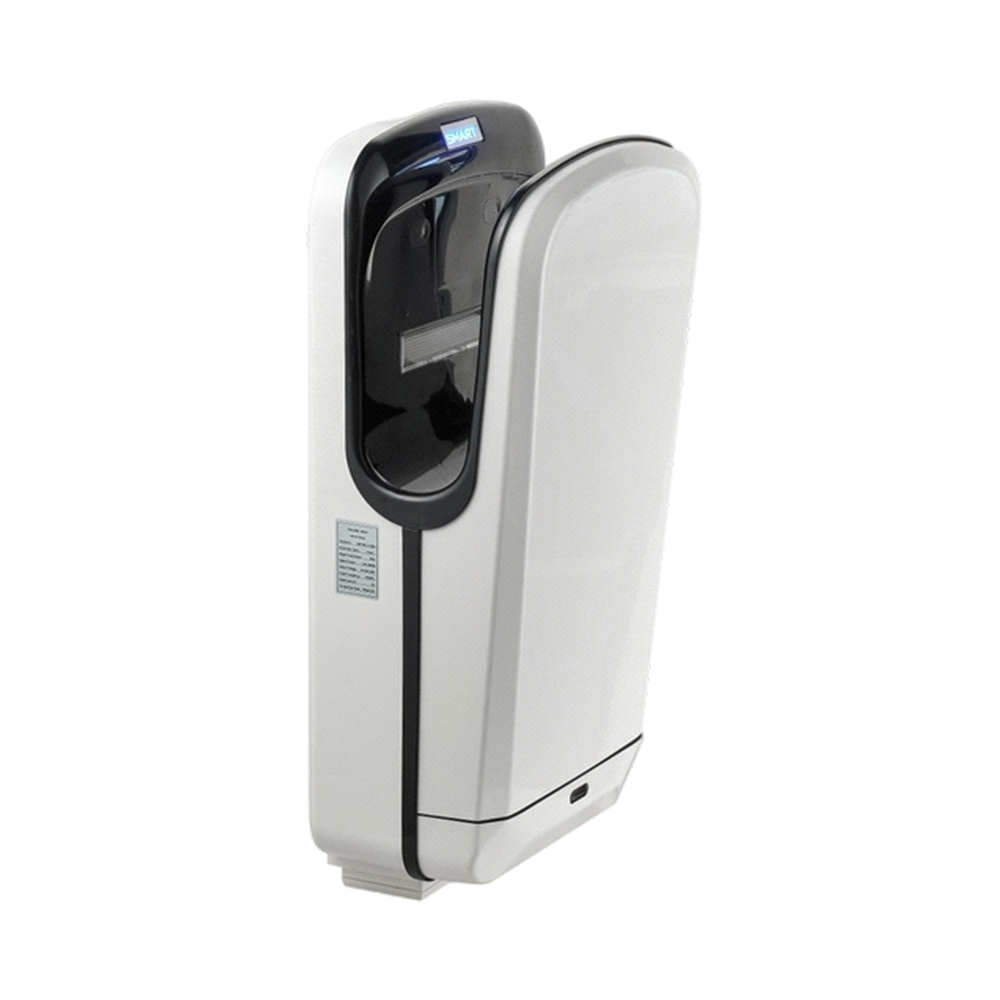
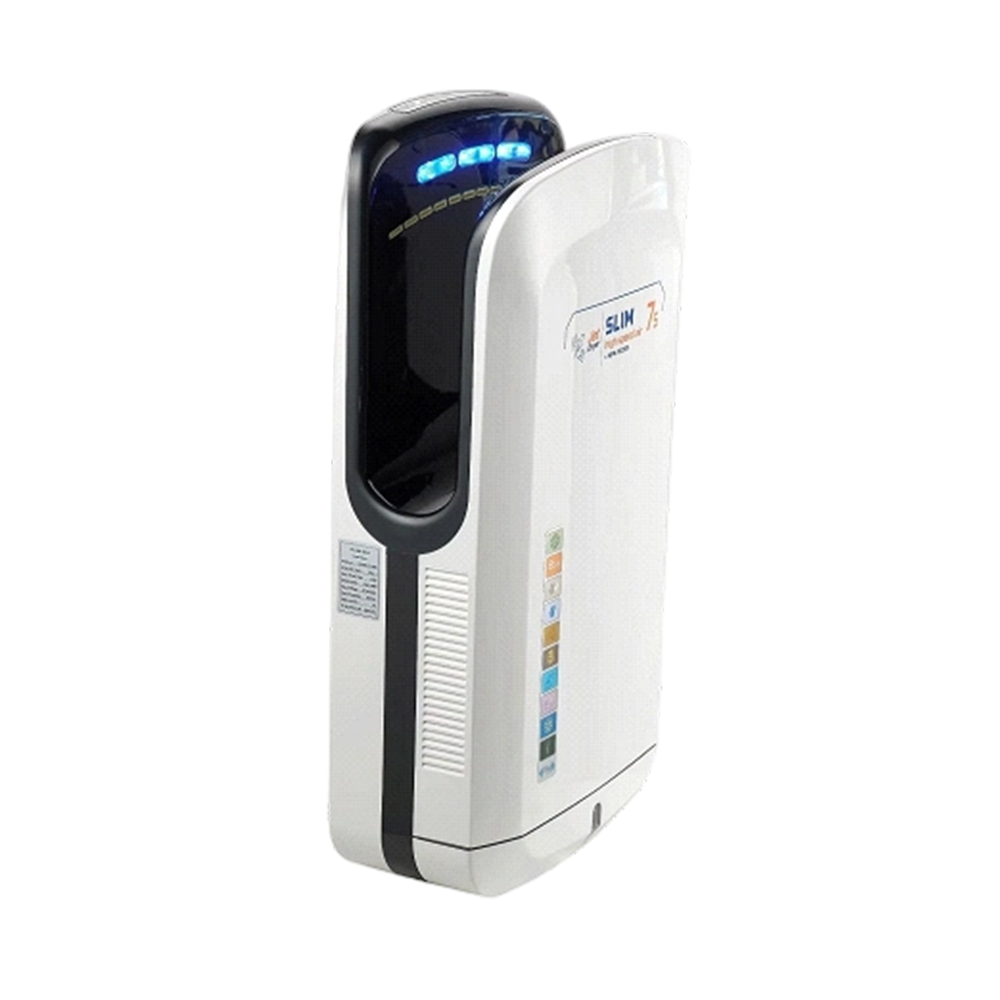
Stainless steel is commonly used in commercial hand dryer housings because of its rigidity and suitability for public facilities. ABS plastic is another option, offering flexibility in product shape, surface finish, and housing design.
The internal mounting structure also deserves attention. If the motor assembly is connected directly to a thin housing section, vibration may transfer to the outer shell and become more noticeable.
Manufacturers can address this through component positioning, suitable support structures, and vibration-isolating materials where appropriate.
For a Quiet Hand Dryer, these construction details influence how the machine sounds during actual operation, not just how its motor performs independently.
Which Commercial Spaces Need Quieter Dryers?
Different buildings have different requirements for restroom equipment. Noise considerations become particularly relevant when restrooms are positioned near areas where people work, communicate, or wait.
Common applications include:
| Commercial setting | Relevant product considerations |
| Hotels | Sound levels, appearance, and installation style |
| Office buildings | Noise during working hours and shared-space comfort |
| Hospitals and clinics | Airflow design and suitability for indoor facilities |
| Airports | Frequent operation and commercial-use configuration |
| Restaurants | Compact installation and restroom layout |
In these environments, a Quiet Hand Dryer can be considered as part of the wider indoor equipment plan. Buyers should also consider available wall space, electrical requirements, hand placement, and the number of units needed for the facility.
 Previous