

 русский
 عربى

A Different Approach to Commercial Washroom Design
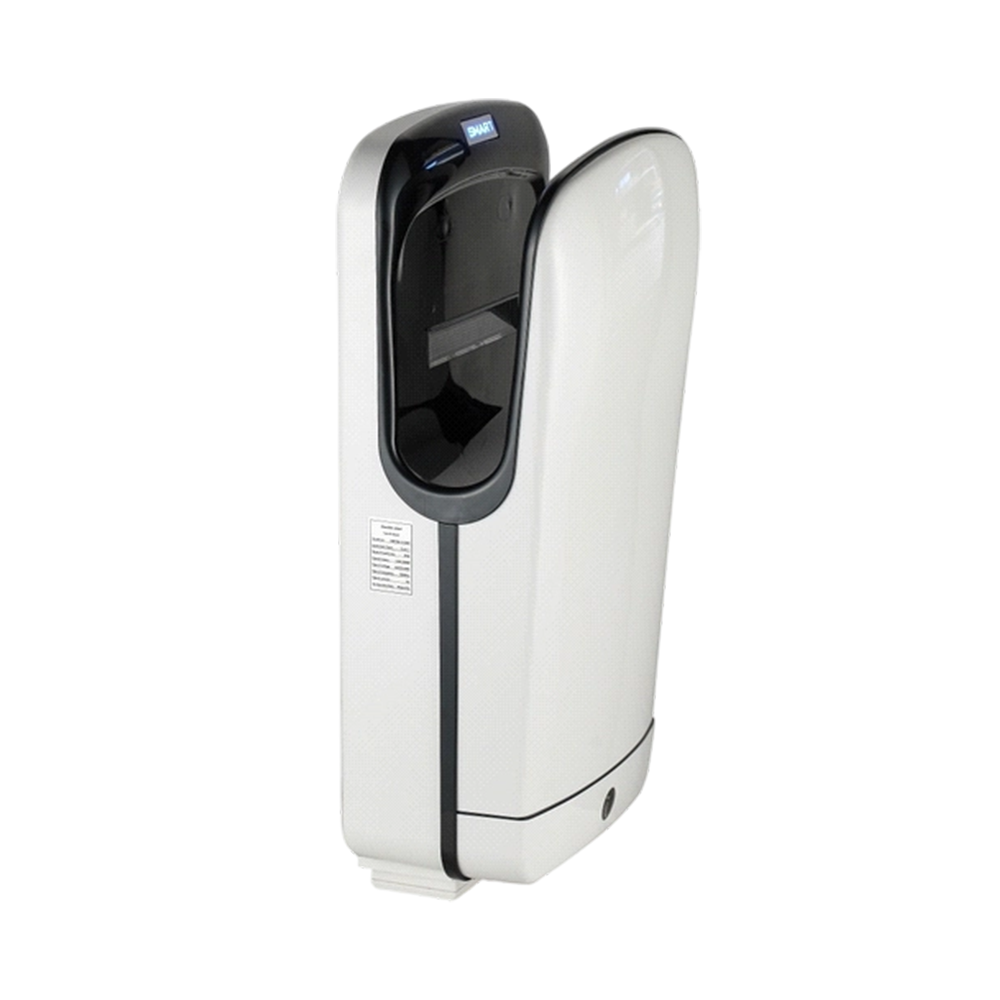
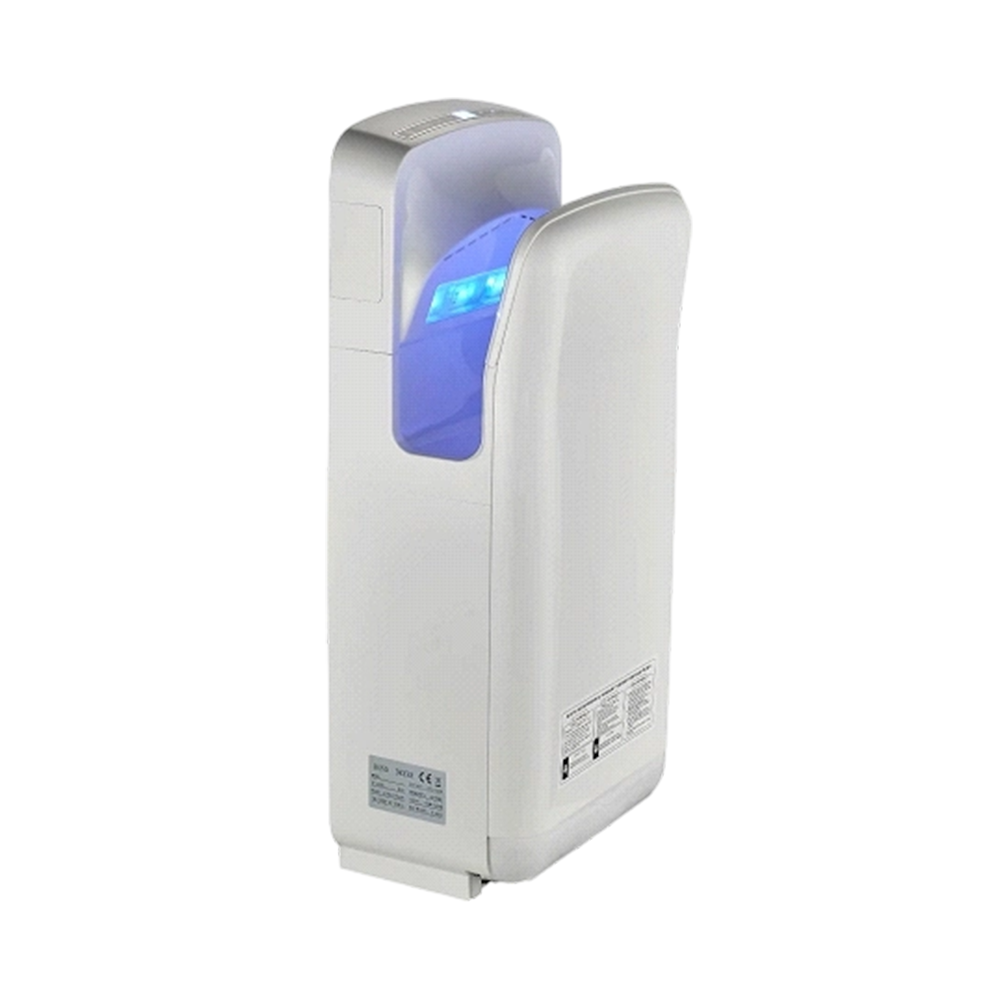
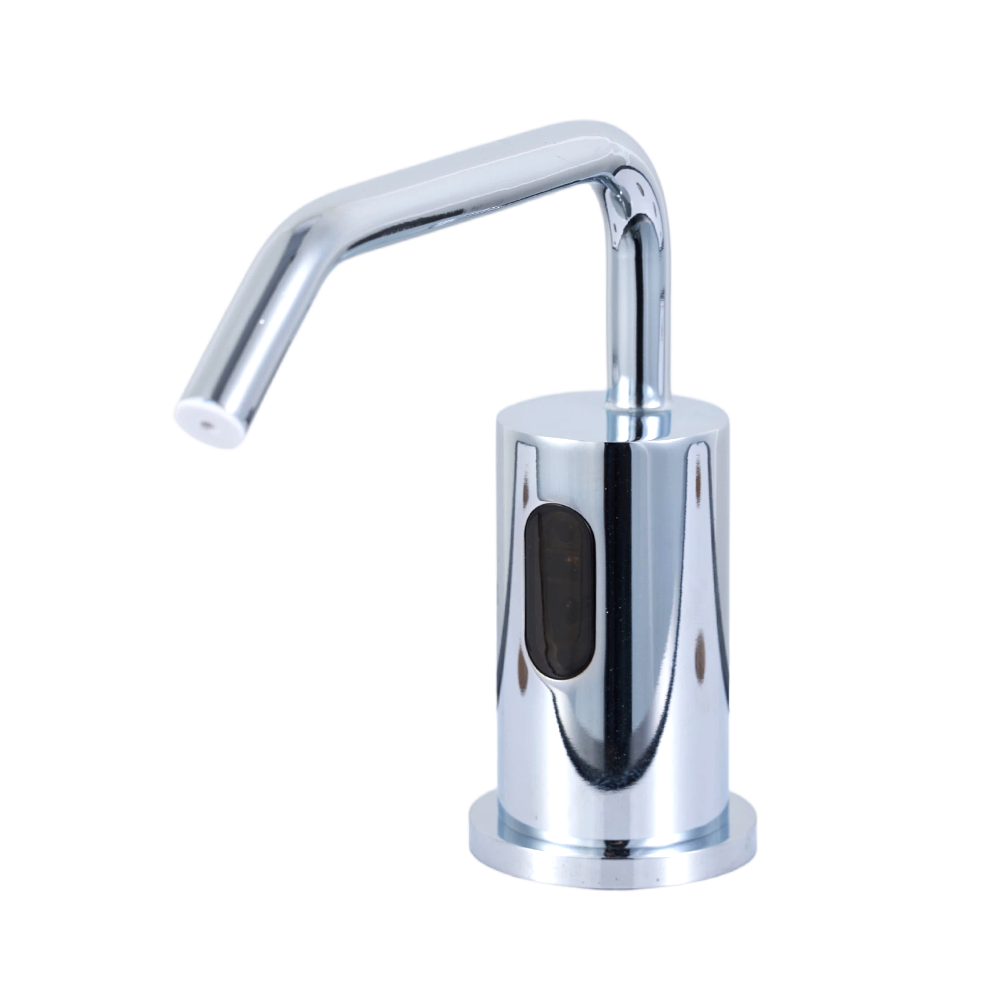
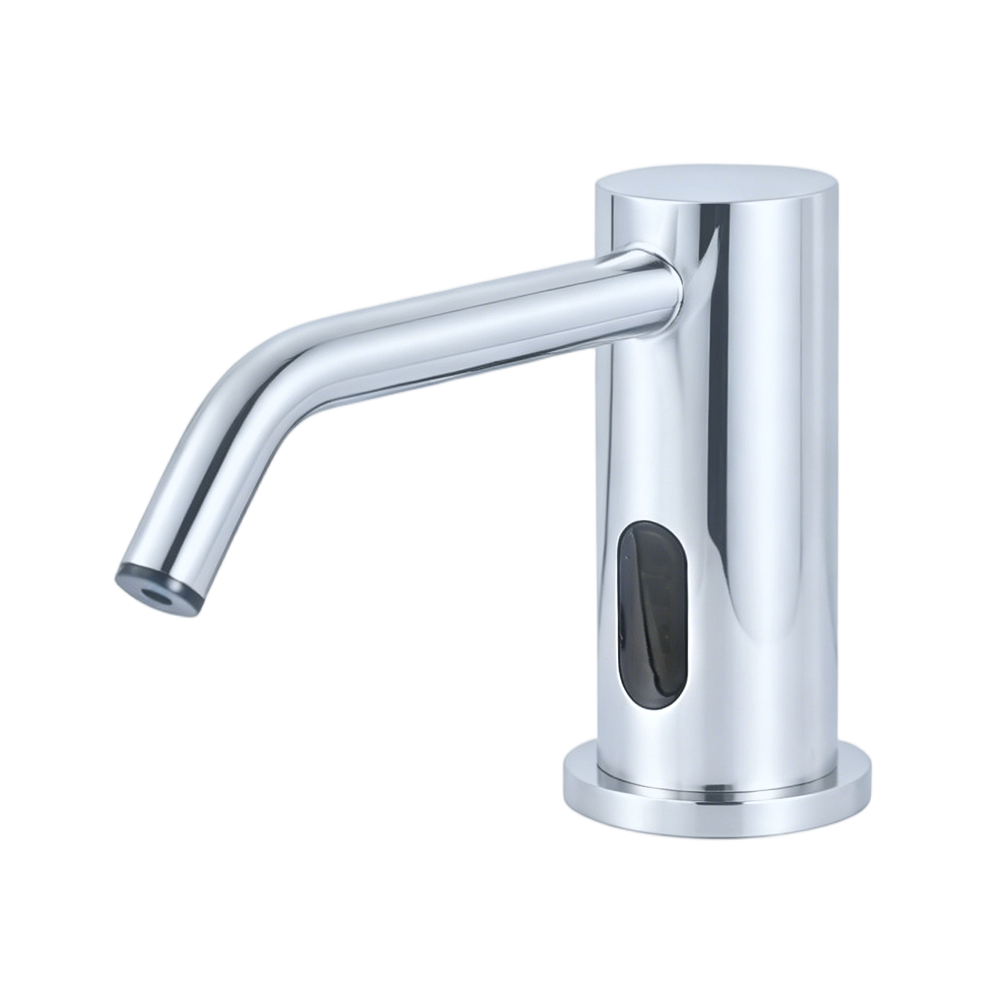
Commercial washrooms need to accommodate handwashing, water control, and hand drying within a limited area. In offices, hotels, shopping centers, and public facilities, the arrangement of these functions can influence movement around the sink and the overall use of available space. The 3 in 1 Faucet Hand Dryer brings water dispensing and hand drying functions together in one integrated fixture, offering an alternative to conventional washbasin layouts.
Unlike a setup with a separate faucet and wall-mounted or countertop hand dryer, this design places the drying function close to the water outlet. Users can wash and dry their hands at the same station without moving to another device. For commercial washroom designers and sanitary equipment distributors, this configuration introduces another way to organize handwashing areas.
How Three Functions Work Together
A typical 3-in-1 fixture combines a water faucet, a hand-drying function, and an integrated control system. The faucet supplies water for handwashing, while the drying mechanism directs air toward the user's hands after rinsing. Depending on the product design, the system may use separate sensing areas or controls for water flow and air activation.
Combining these functions requires careful arrangement of the water outlet, air outlet, sensors, and internal components. Their positions influence how users approach the basin and where they place their hands during each stage.
The 3 in 1 Faucet Hand Dryer is designed around this sequence: water delivery, handwashing, and air drying. Keeping the functions near one another can make the washing area easier to navigate, particularly in facilities where several people use the washbasins throughout the day.
Sensor Control and User Interaction
Sensor-based operation is commonly used in integrated sanitary fixtures. Sensors can detect hand movement and activate the relevant function, reducing the need for direct contact with operating controls. Water and air functions may use different sensing zones to distinguish between washing and drying actions.
The location and sensitivity of these sensors influence the user experience. If the detection area is difficult to understand, users may have trouble activating the intended function. Clear positioning helps make the sequence more intuitive for people encountering the fixture for the first time.
For a 3 in 1 Faucet Hand Dryer, the control system needs to coordinate the functions without making the faucet difficult to use. Water activation should correspond to the user's hand position, while the drying outlet should direct airflow toward an accessible area above the basin.
These design details are relevant to manufacturers developing integrated fixtures and distributors comparing product structures for different commercial settings.
Applications Across Commercial Facilities
Integrated faucet and dryer products can be considered for a range of commercial environments. Office buildings may use them in shared washrooms where a compact arrangement supports regular employee traffic. Hotels can incorporate the fixtures into guest facilities where the visual relationship between sanitary products and washbasins matters.
Restaurants, shopping centers, and other public venues may also evaluate this configuration according to washroom size and expected usage patterns. Facilities with multiple basins can assess whether integrated fixtures provide a consistent layout across different sections of the building.
The 3 in 1 Faucet Hand Dryer may also appeal to sanitary ware distributors serving projects that require coordinated washbasin equipment. Product dimensions, installation style, finish options, and operating controls are useful points of comparison when matching a fixture to a particular project.
 Previous